Western Lowland Gorilla Trekking: The Complete Guide to Tracking Western Lowland Gorillas in Africa
Western lowland gorilla trekking is one of Africa’s most remarkable wildlife experiences. While mountain gorilla trekking in Uganda, Rwanda, and the Democratic Republic of Congo receives most of the attention, western lowland gorillas offer an equally fascinating opportunity to observe gorillas in their natural rainforest habitat.
Western lowland gorillas are the most numerous gorilla subspecies in the world. They inhabit the dense tropical rainforests of Central Africa, where they play a vital role in maintaining healthy forest ecosystems. Their intelligence, social behavior, and close genetic relationship to humans make encounters with these magnificent primates unforgettable.
For travelers seeking a unique gorilla safari beyond the traditional mountain destinations, western lowland gorilla trekking provides an exciting alternative. This guide covers everything you need to know about western lowland gorilla trekking, including destinations, trekking experiences, conservation efforts, permit requirements, and travel planning tips.
What Is a Western Lowland Gorilla?
The western lowland gorilla is a subspecies of the western gorilla and is scientifically known as Gorilla gorilla gorilla.
These gorillas are generally smaller than mountain gorillas and eastern lowland gorillas. They possess shorter, lighter-colored fur and often inhabit lowland tropical rainforests, swamp forests, and dense jungle environments.
Western lowland gorillas live in family groups led by a dominant silverback. The family structure includes adult females, juveniles, infants, and younger males.
Their social behavior closely resembles that of other gorilla subspecies.
Where Can You Go Western Lowland Gorilla Trekking?
Western lowland gorillas inhabit several countries across Central Africa.
However, only a few destinations offer organized tourism experiences that allow visitors to observe habituated gorilla groups safely and responsibly.
The most recognized western lowland gorilla trekking destinations include protected areas in the Republic of Congo, Gabon, and the Central African region.
Among these, the Republic of Congo remains the leading destination for western lowland gorilla tourism.
Why Western Lowland Gorilla Trekking Is Different
Western lowland gorilla trekking differs significantly from mountain gorilla trekking.
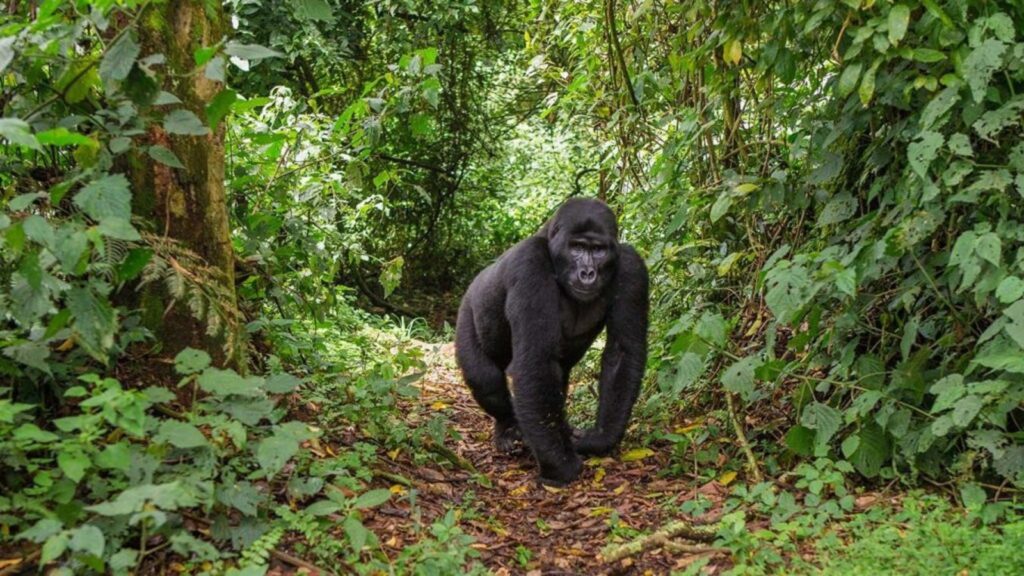
Mountain gorillas inhabit high-altitude forests and volcanic mountain regions. Western lowland gorillas live in vast lowland rainforests that feature dense vegetation, swampy areas, and extensive forest ecosystems.
The trekking environment often feels wilder and more remote.
Visitors frequently experience a deeper sense of exploration due to the relatively untouched nature of these forests.
Gorilla Trekking in the Republic of Congo
The Republic of the Congo is widely regarded as Africa’s premier destination for western lowland gorilla trekking.
The country’s extensive rainforest network supports significant gorilla populations and provides some of the most authentic wildlife experiences on the continent.
Several protected areas have become internationally recognized for gorilla conservation and eco-tourism.
These destinations attract wildlife enthusiasts seeking rare and exclusive encounters.
Odzala-Kokoua National Park


Odzala-Kokoua National Park is one of Africa’s oldest national parks and the most famous destination for western lowland gorilla trekking.
The park protects vast stretches of pristine rainforest and supports a rich diversity of wildlife. Years of conservation work have enabled researchers and guides to habituate several western lowland gorilla groups.
Visitors can track these gorillas under the guidance of experienced trackers and conservation professionals.
The experience is among the most exclusive wildlife adventures in Africa.
What to Expect During a Western Lowland Gorilla Trek
The trekking process begins with a briefing from guides and trackers.
Visitors receive information about gorilla behavior, conservation rules, safety procedures, and trekking expectations. Small groups then enter the rainforest in search of a habituated gorilla family.
Trackers use signs such as nests, feeding remains, footprints, and vocalizations to locate the gorillas.
The search itself forms an important part of the adventure.
The Gorilla Encounter
Once the gorilla family is located, visitors spend a limited period observing the animals.
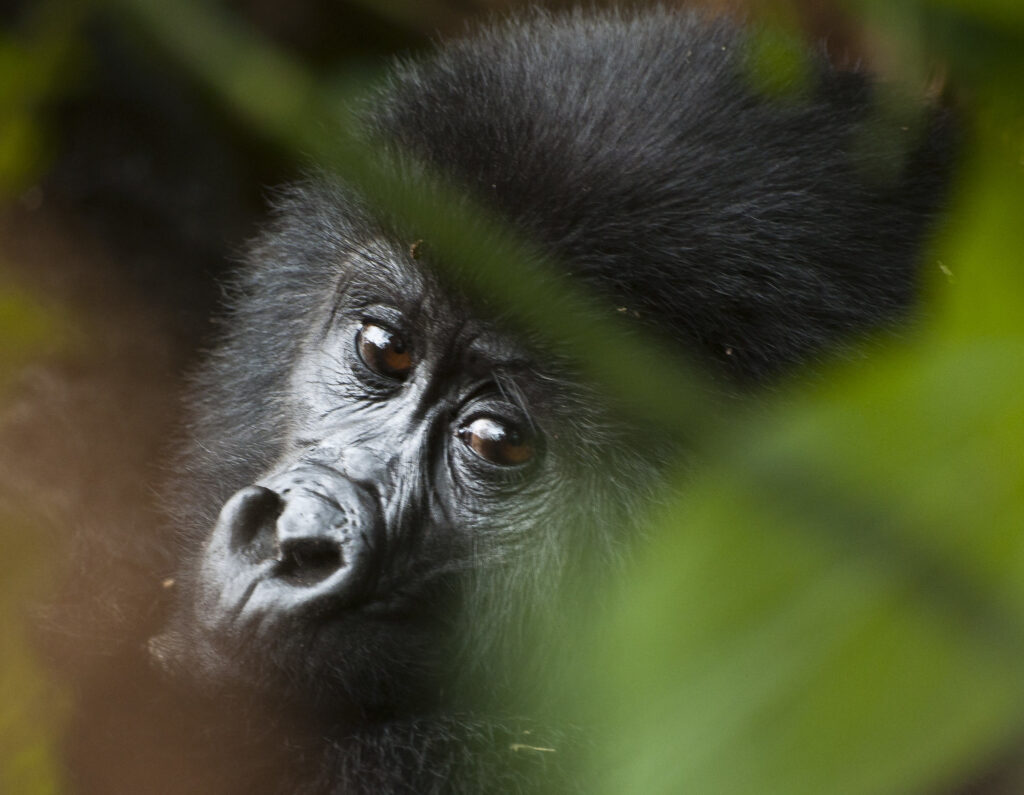
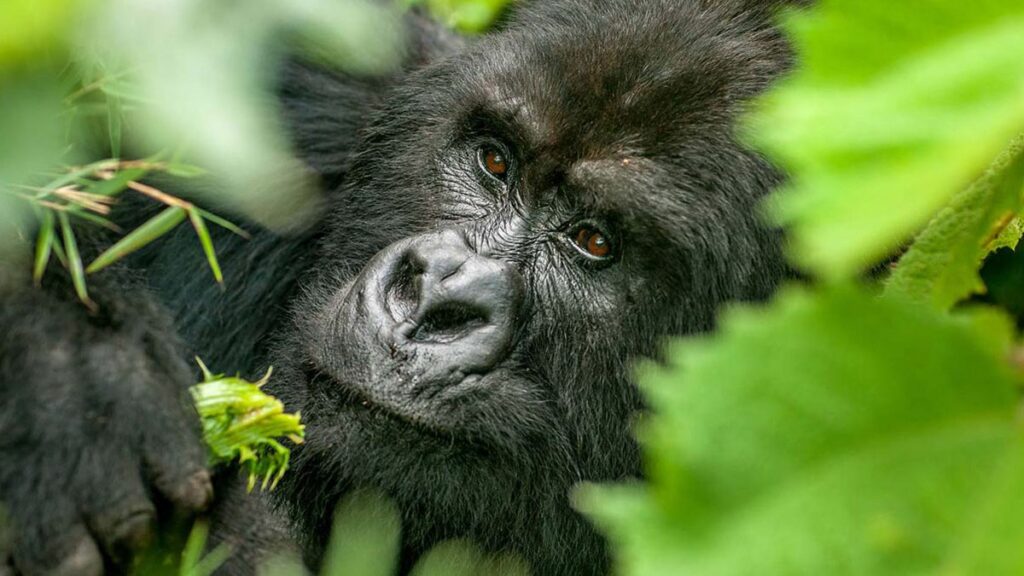
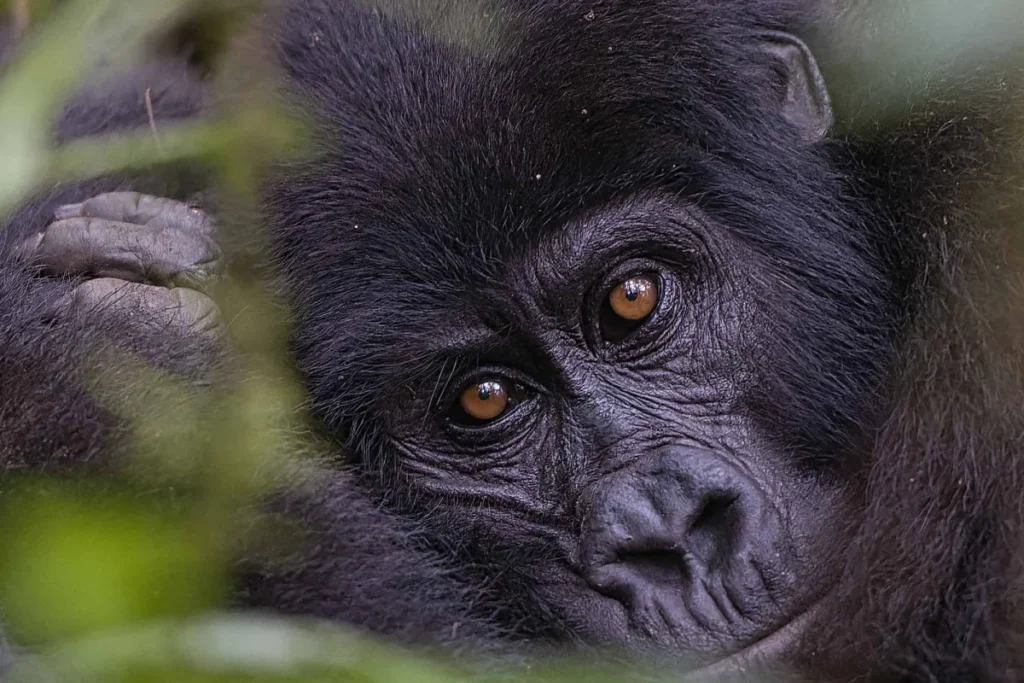
The encounter allows trekkers to witness gorillas feeding, resting, grooming, communicating, and caring for young family members. The experience provides extraordinary insight into the social lives of one of humanity’s closest relatives.
Western lowland gorillas often display curiosity while remaining calm around habituated human observers.
Their behavior creates exceptional opportunities for wildlife photography and observation.
Difficulty Level of Western Lowland Gorilla Trekking
Trekking difficulty varies depending on the destination and the location of the gorilla family.
The lowland rainforest environment presents challenges such as thick vegetation, muddy trails, humidity, and occasional swamp crossings. However, the terrain generally lacks the steep mountain slopes associated with mountain gorilla trekking.
Most visitors with average fitness levels can participate successfully.
Proper preparation enhances comfort and enjoyment.
Wildlife Beyond Gorillas
Western lowland gorilla destinations offer far more than gorilla encounters.
Visitors may observe forest elephants, chimpanzees, buffaloes, antelope species, reptiles, and hundreds of bird species. The rainforests of Central Africa rank among the most biodiverse ecosystems on Earth.
Many travelers appreciate the opportunity to experience a truly wild rainforest environment.
The overall safari experience extends well beyond gorilla trekking.
Best Time for Western Lowland Gorilla Trekking
Gorilla trekking takes place throughout the year.
Many travelers prefer drier periods because forest conditions are generally easier for hiking. However, rainforest weather remains unpredictable, and occasional rain can occur in any season.
The gorillas remain within their habitat year-round.
Successful sightings are possible regardless of season.
Accommodation Options
Most western lowland gorilla trekking destinations offer eco-lodges and conservation-focused accommodations.
These lodges are often located within or near protected areas and provide comfortable access to trekking activities. Many emphasize sustainability, environmental responsibility, and support for local communities.
Accommodation standards vary from luxury rainforest lodges to more rustic conservation camps.
Advance reservations are highly recommended.
Conservation Importance of Western Lowland Gorillas
Western lowland gorillas play a critical role in maintaining healthy rainforest ecosystems.
By dispersing seeds and influencing forest vegetation patterns, they contribute to ecological balance throughout Central Africa. Unfortunately, the species faces numerous threats, including habitat loss, poaching, disease outbreaks, and illegal wildlife trade.
Conservation programs focus on habitat protection, anti-poaching enforcement, scientific research, and community engagement.
Tourism provides valuable financial support for these efforts.
Threats Facing Western Lowland Gorillas
Despite being the most numerous gorilla subspecies, western lowland gorillas face significant conservation challenges.
Habitat destruction caused by logging, mining, agriculture, and infrastructure development continues to reduce available forest areas. Diseases such as Ebola have also affected some gorilla populations in the past.
Conservation organizations continue working to address these threats.
Long-term survival depends on sustained protection efforts.
Comparing Western Lowland and Mountain Gorilla Trekking
Many travelers wonder whether western lowland gorilla trekking or mountain gorilla trekking offers the better experience.
The answer depends largely on personal preferences.
Mountain gorilla trekking provides access to larger tourism programs and more established safari infrastructure. It offers a more remote, exclusive, and adventurous rainforest experience.
Both encounters are extraordinary and contribute directly to gorilla conservation.
Neither experience is inherently better than the other.
Who Should Choose Western Lowland Gorilla Trekking?
Western lowland gorilla trekking appeals particularly to experienced safari travelers, wildlife photographers, conservation enthusiasts, and adventurers seeking less-visited destinations.
The experience offers a deeper sense of exploration and exclusivity than many mainstream wildlife activities.
Travelers interested in remote rainforest ecosystems often find western lowland gorilla trekking especially rewarding.
The journey itself becomes part of the adventure.
Travel Planning Tips
Careful planning improves the overall experience.
Visitors should work with reputable tour operators, secure permits well in advance, arrange appropriate travel insurance, and prepare for tropical rainforest conditions. Packing waterproof clothing, sturdy hiking boots, insect repellent, and camera equipment is highly recommended.
Flexibility and preparation contribute significantly to a successful trip.
Rainforest environments can be unpredictable.
Conclusion
Western lowland gorilla trekking offers one of the most authentic and rewarding wildlife experiences available in Africa. The opportunity to encounter western lowland gorillas in the rainforests of Central Africa provides a unique perspective on gorilla behavior, conservation, and biodiversity.
Destinations such as Odzala-Kokoua National Park demonstrate how responsible tourism can support conservation while delivering unforgettable experiences for visitors. Beyond the gorillas themselves, travelers gain access to some of the world’s most pristine rainforest ecosystems and extraordinary wildlife diversity.
For anyone seeking a truly distinctive gorilla safari, western lowland gorilla trekking delivers adventure, discovery, and a meaningful connection with one of our closest living relatives.