Cross River Gorilla Nigeria Trekking: The Complete Guide to Africa’s Rarest Gorilla Experience
Cross River gorilla Nigeria trekking represents one of the most unique and least-known wildlife experiences in Africa. While most travelers associate gorilla trekking with Uganda, Rwanda, and the Democratic Republic of Congo, a small and critically endangered gorilla population survives in the remote forests along the border between Nigeria and Cameroon.
The Cross River gorilla is the rarest gorilla subspecies in the world. Scientists estimate that only a few hundred individuals remain in the wild, making their conservation one of Africa’s most urgent wildlife priorities. Unlike mountain gorilla tourism in East Africa, Cross River gorilla encounters are extremely limited, and traditional gorilla trekking experiences are not widely available.
This guide explores everything you need to know about Cross River gorilla Nigeria trekking, including the species, habitat, conservation efforts, visitor opportunities, challenges, and the future of gorilla tourism in Nigeria.
What Is the Cross River Gorilla?
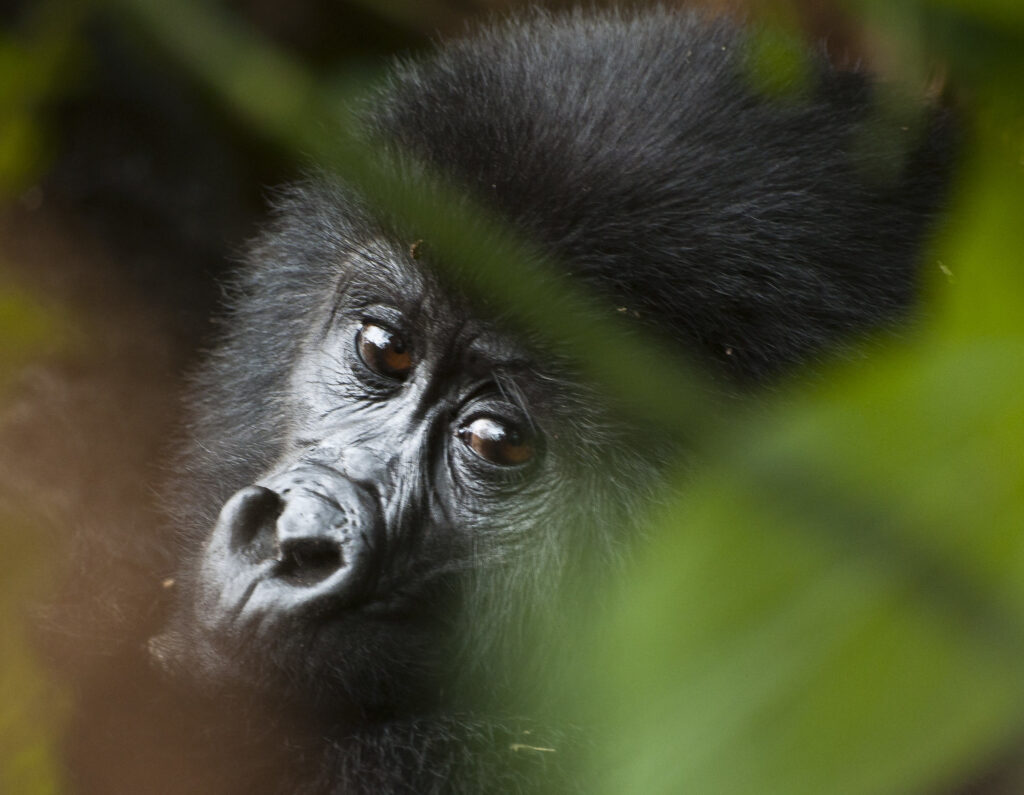
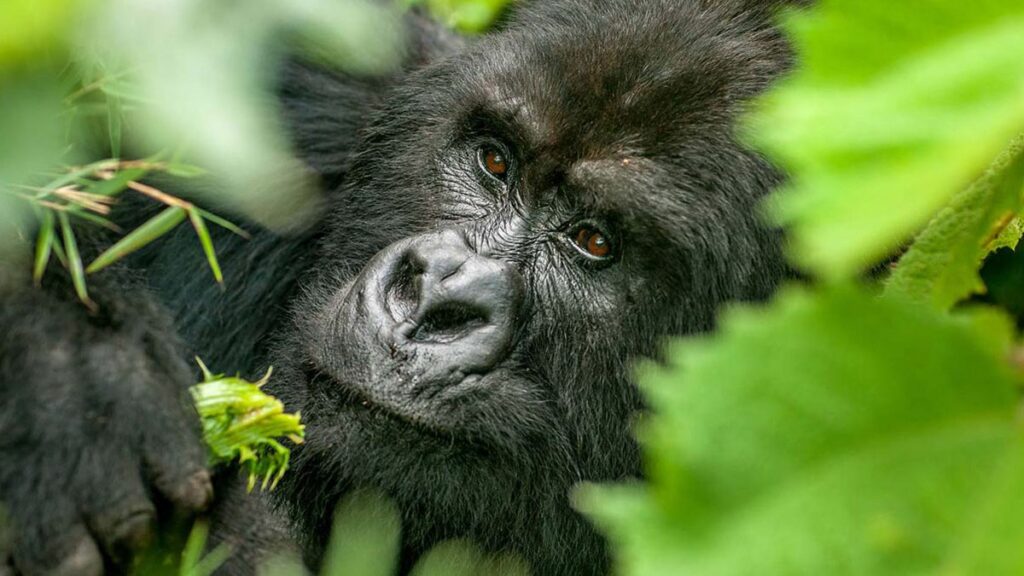
The Cross River gorilla is a distinct subspecies of the western gorilla.
Scientifically known as Gorilla gorilla diehli, it is considered the rarest of all gorilla subspecies. The animals inhabit rugged mountainous forests along the Nigeria-Cameroon border, where they survive in small, isolated populations.
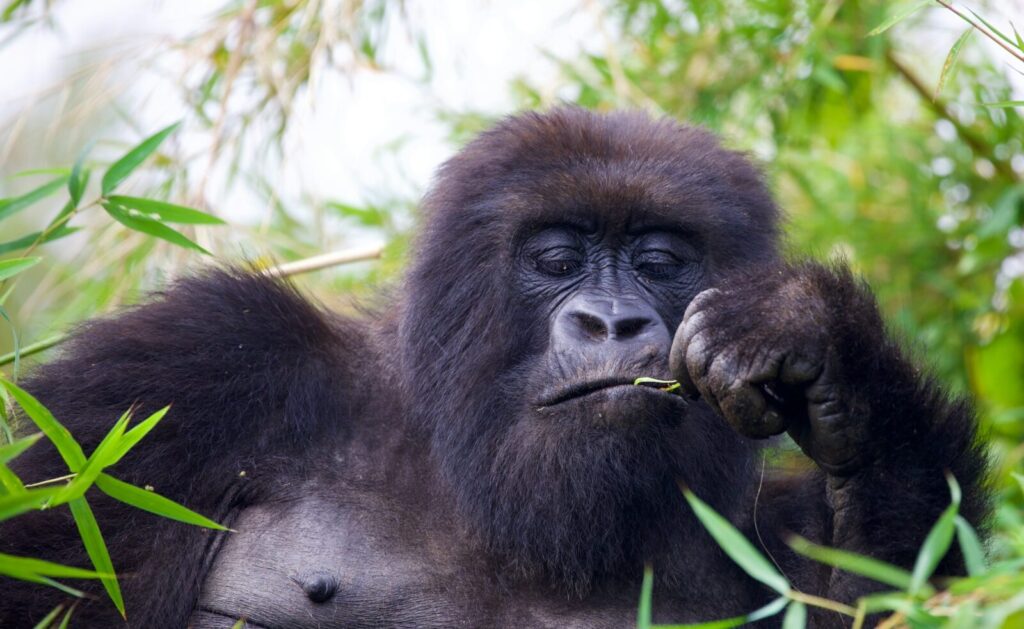
Cross River gorillas share many similarities with other gorilla species, including strong family structures, social behavior, and herbivorous diets. However, their geographic isolation has resulted in subtle physical and genetic differences.
Their small population size makes them particularly vulnerable to extinction.
Where Are Cross River Gorillas Found?
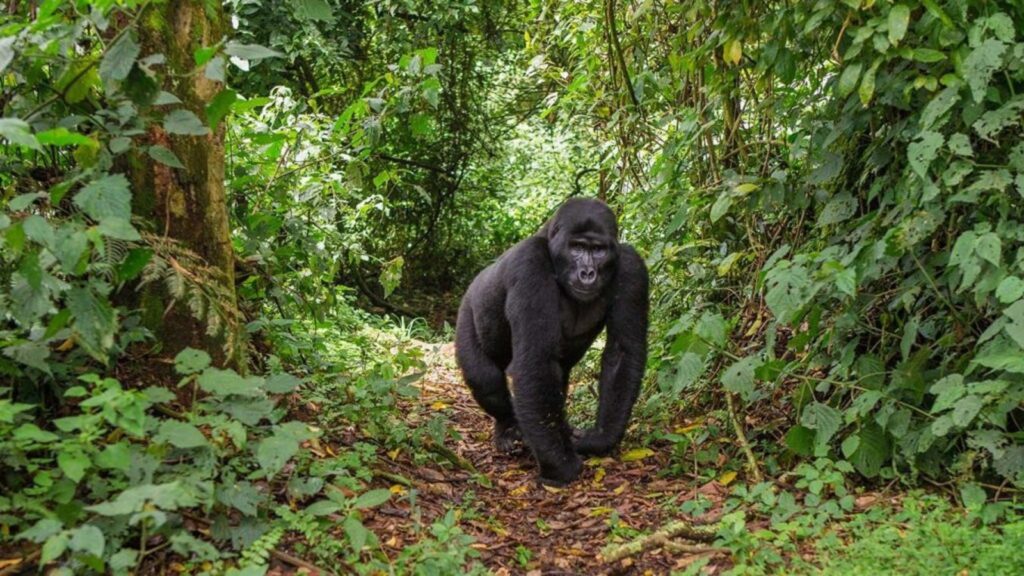
Cross River gorillas live within a network of protected forests and mountainous landscapes in southeastern Nigeria and western Cameroon.
In Nigeria, the most important habitat lies within and around Cross River National Park. The park contains some of the country’s most biologically diverse rainforest ecosystems and serves as a critical refuge for endangered wildlife.
The gorillas occupy remote and densely forested regions that are often difficult to access.
This isolation has helped protect the species from some human pressures.
Why Are Cross River Gorillas So Rare?
Several factors have contributed to the decline of Cross River gorilla populations.
Habitat loss, forest fragmentation, hunting, agricultural expansion, and human settlement have significantly reduced available habitat over many decades. As forests became increasingly fragmented, gorilla groups became isolated from one another.
Small population sizes create additional challenges.
Limited genetic diversity and reduced opportunities for population growth increase extinction risks.
As a result, conservation organizations classify the Cross River gorilla as critically endangered.
Can You Go Gorilla Trekking in Nigeria?
This is one of the most frequently asked questions by wildlife enthusiasts.
Unlike mountain gorilla destinations in Uganda, Rwanda, and Congo, traditional gorilla trekking tourism is not currently a major activity in Nigeria. Cross River gorillas remain extremely elusive and have not undergone the extensive habituation programs that allow tourists to observe mountain gorillas at close range.
The conservation priority focuses on protecting the species rather than developing large-scale tourism.
As a result, opportunities for direct gorilla encounters are extremely limited.
Why Cross River Gorilla Tourism Is Different
Several factors make Cross River gorilla tourism fundamentally different from mountain gorilla tourism.
The population size is much smaller. The gorillas inhabit remote terrain and generally avoid human contact. Researchers and conservationists often struggle to locate gorilla groups because the animals move through rugged forests with minimal human disturbance.
These characteristics make habituation programs challenging.
Conservation organizations prioritize species protection over visitor access.
Cross River National Park


Cross River National Park remains the primary conservation area associated with the protection of Cross River gorillas in Nigeria.
The park consists of dense tropical rainforest, mountainous landscapes, rivers, and exceptional biodiversity. In addition to gorillas, the area supports chimpanzees, forest elephants, monkeys, rare birds, and numerous plant species.
The park plays a crucial role in safeguarding one of West Africa’s most important ecosystems.
Its conservation value extends far beyond gorillas alone.
Wildlife Experiences in Cross River National Park
Although direct gorilla trekking opportunities remain limited, visitors can still enjoy rewarding wildlife experiences within the region.
Nature walks, birdwatching excursions, forest hikes, cultural tourism activities, and conservation-focused visits allow travelers to explore the area’s remarkable biodiversity.
The rainforest environment provides opportunities to observe a variety of wildlife species.
Many visitors appreciate the sense of wilderness and ecological significance.
Conservation Efforts for Cross River Gorillas
Conservation organizations, government agencies, local communities, and international partners continue working to protect Cross River gorillas.
Efforts focus on habitat protection, anti-poaching initiatives, scientific research, community engagement, and environmental education. Conservation corridors help reconnect fragmented habitats and improve opportunities for gorilla movement between populations.
These initiatives are essential for the species’ survival.
Long-term conservation success depends on continued collaboration and support.
Research and Monitoring Programs
Researchers play a vital role in understanding Cross River gorilla populations.
Because direct observation is difficult, scientists often rely on indirect methods such as nest surveys, camera traps, genetic analysis, and habitat monitoring. These techniques provide valuable information about population trends, distribution, and behavior.
Research findings guide conservation planning and management decisions.
Accurate data remains critical for effective protection efforts.
Habitat Fragmentation
Forest fragmentation continues to threaten connectivity between gorilla populations.
Isolated groups face increased risks associated with limited genetic diversity and restricted movement.
Human Population Growth
Expanding agriculture and human settlement place additional pressure on remaining gorilla habitats.
Balancing conservation and community needs remains an ongoing challenge.
Poaching and Illegal Activities
Although conservation efforts have reduced some threats, illegal hunting and forest exploitation continue to affect wildlife populations.
Strong enforcement remains essential.
The Future of Cross River Gorilla Tourism
Many conservationists believe carefully managed eco-tourism could eventually contribute to gorilla protection.
However, any future tourism development would require extensive planning, scientific assessment, and strict conservation safeguards. Protecting the small gorilla population remains the highest priority.
Large-scale tourism similar to that found in Uganda and Rwanda is unlikely in the near future.
Conservation goals continue to take precedence.
Comparing Cross River Gorillas and Mountain Gorillas
Cross River gorillas and mountain gorillas occupy very different ecological and tourism contexts.
Mountain gorillas benefit from well-established tourism programs that generate substantial conservation revenue. Visitors can safely observe habituated gorilla families during guided treks.
Cross River gorillas remain largely unhabituated and rarely seen by visitors.
Their conservation strategy focuses more heavily on habitat protection and population recovery.
Best Time to Visit Cross River National Park
Visitors can explore Cross River National Park throughout the year.
Many travelers prefer drier periods because forest trails are generally easier to navigate. However, the rainforest environment remains lush and biologically rich in every season.
Weather conditions can vary significantly.
Proper preparation enhances visitor comfort and enjoyment.
Why Cross River Gorillas Matter
The Cross River gorilla represents one of Africa’s most important conservation priorities.
As the world’s rarest gorilla subspecies, its survival reflects the broader health of West Africa’s rainforest ecosystems. Protecting the species also safeguards countless other plants and animals that share the same habitat.
Conservation success would represent a major achievement for global biodiversity protection.
The gorilla serves as a powerful symbol of wildlife conservation.
Conclusion
Cross River gorilla Nigeria trekking differs significantly from the mountain gorilla experiences available in East Africa. While traditional gorilla trekking tourism is not currently widespread due to the species’ rarity and conservation needs, the forests of southeastern Nigeria remain one of the most important refuges for the world’s rarest gorilla.
Visitors interested in wildlife conservation, rainforest ecosystems, and responsible eco-tourism can still experience the remarkable biodiversity of Cross River National Park while supporting efforts to protect this critically endangered species.
As conservation programs continue to strengthen, the future of the Cross River gorilla depends on sustained habitat protection, community involvement, scientific research, and global support. Every effort contributes to ensuring that this extraordinary primate remains part of Africa’s natural heritage for generations to come.