Gorilla Trekking and Sport Fishing Uganda: Complete Adventure Guide
A gorilla trekking and sport fishing Uganda safari combines two very different outdoor experiences: searching for endangered mountain gorillas in Uganda’s rainforest and enjoying sport fishing in the country’s rivers and lakes. This combination is ideal for travelers who enjoy wildlife, adventure, nature, and active experiences.
Gorilla trekking takes place in southwestern Uganda, mainly in Bwindi Impenetrable National Park and Mgahinga Gorilla National Park. Sport fishing, however, takes place in selected rivers and lakes across the country. Travelers can therefore design a longer itinerary that connects Uganda’s mountain forests with its freshwater ecosystems.
Combining these activities allows visitors to experience Uganda beyond conventional game drives. The journey can include gorilla trekking, fishing, birdwatching, boat trips, cultural encounters, and scenic landscapes.
Can You Combine Gorilla Trekking With Sport Fishing?
Yes. A gorilla trekking and sport fishing Uganda itinerary is possible when the fishing destination is incorporated before or after the gorilla trekking portion of the safari.
Because the main gorilla trekking parks are located in southwestern Uganda, travelers may need additional travel time to reach suitable fishing locations.
The best itinerary depends on the type of fishing desired, the target species, fishing regulations, seasonal conditions, and the amount of time available.
Gorilla Trekking in Uganda
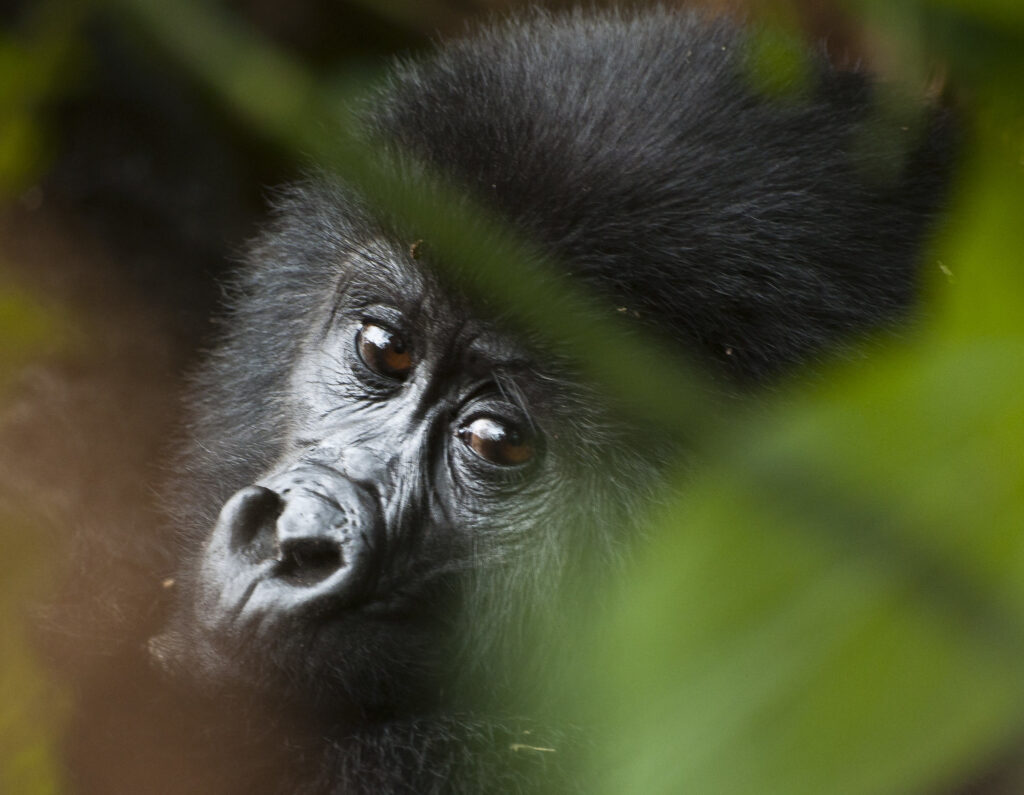
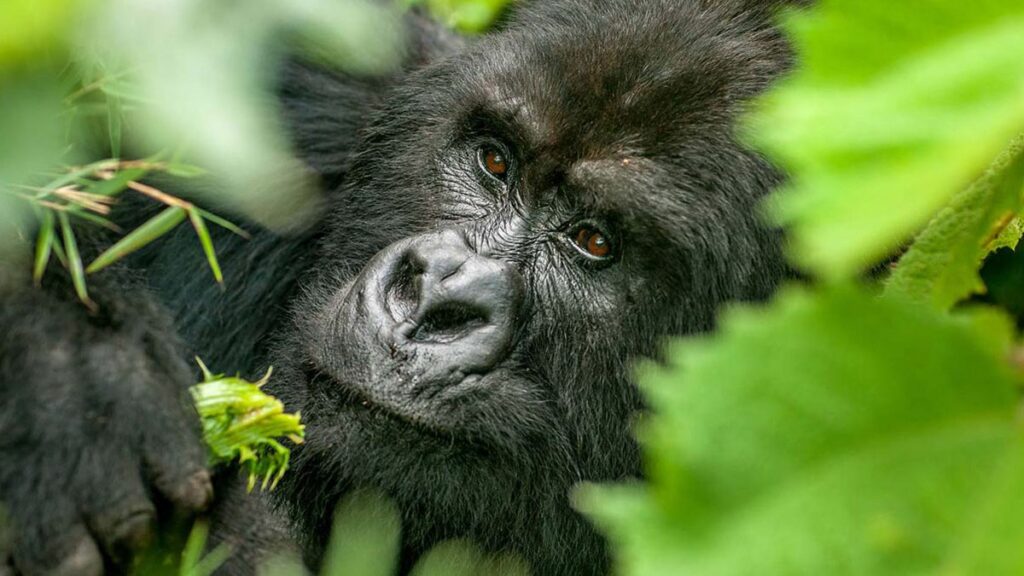
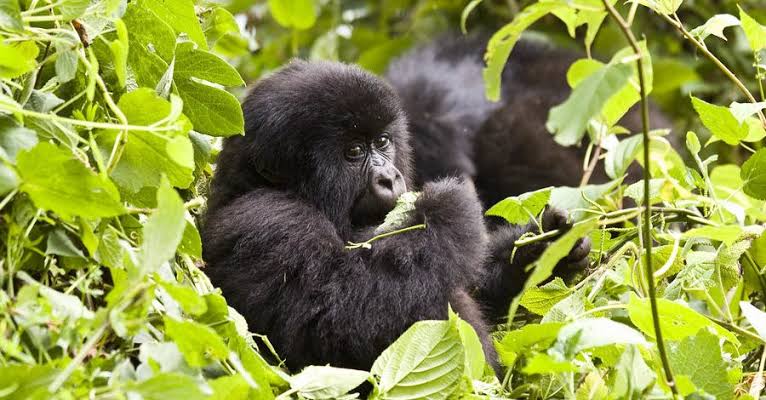
Uganda offers mountain gorilla trekking in Bwindi Impenetrable National Park and Mgahinga Gorilla National Park.
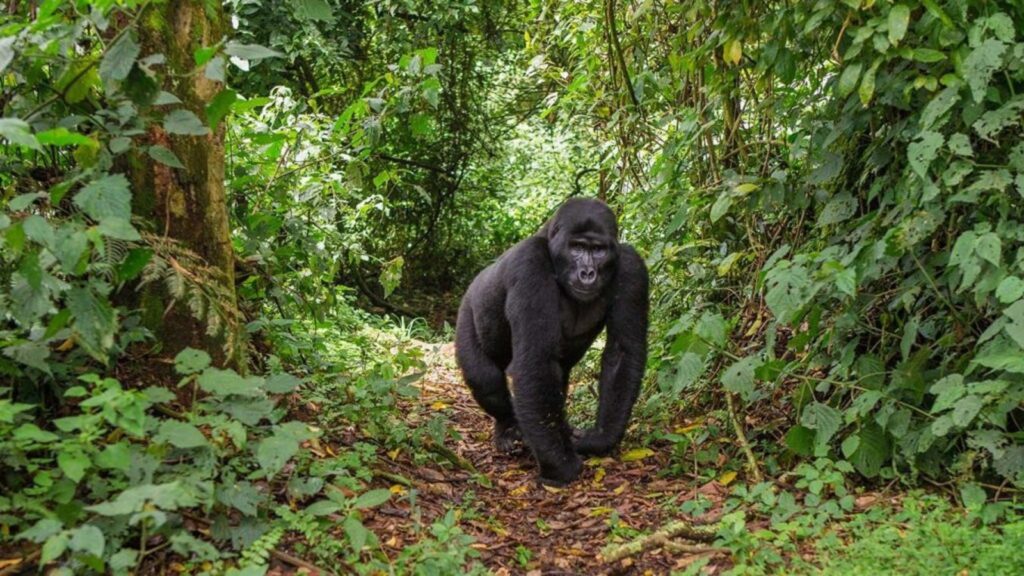
Visitors begin with a briefing before entering the forest with trained guides and rangers. The team then searches for a habituated gorilla family.
The duration of the trek varies because gorillas move through their natural habitat. Some groups may be reached after a relatively short hike, while others can require several hours of challenging walking.
Gorilla trekking should always follow the regulations established by the relevant wildlife authorities.
Sport Fishing in Uganda
Uganda’s freshwater environment provides opportunities for recreational and sport fishing.
The country contains large lakes, rivers, and waterways supporting a variety of fish species. Fishing experiences range from organized sport-fishing excursions to locally guided fishing activities.
Travelers should use authorized operators and confirm current regulations, licensing requirements, permitted fishing methods, and seasonal restrictions before participating.
Nile Sport Fishing
The River Nile provides some of Uganda’s best-known sport fishing opportunities.
Certain sections of the Nile are associated with fishing for Nile perch and other freshwater species. Sport fishing can involve boat-based excursions where experienced guides take anglers to suitable fishing locations.
The strength of the Nile and changing water conditions make experienced local guides particularly important.
Murchison Falls and Sport Fishing
Murchison Falls National Park is one of the most notable places to consider for sport fishing in Uganda.
The Nile flows through the park before plunging through the narrow Murchison Falls. The river supports fish species that attract anglers, with Nile perch being a particularly sought-after target.
Sport fishing in the park operates under conservation regulations, so travelers should arrange the activity through authorized providers and follow all applicable rules.
Sport Fishing Around Lake Victoria
Lake Victoria provides another major freshwater environment for fishing activities.
The lake supports numerous fish species and has a long history of fishing communities. Organized recreational fishing can offer visitors a different way to experience the lake.
Travelers should distinguish between commercial fishing and regulated recreational sport fishing because the rules, equipment, and objectives differ.
Gorilla Trekking and Murchison Falls Fishing
Travelers with sufficient time can combine gorilla trekking in southwestern Uganda with a visit to Murchison Falls National Park.
An itinerary might begin with gorilla trekking in Bwindi before continuing toward Murchison Falls for game drives, a Nile boat cruise, and a guided sport-fishing experience.
The route involves substantial travel, so a longer safari works better than attempting to combine the destinations in a short itinerary.
How Difficult Is Gorilla Trekking?
Gorilla trekking can range from moderate to demanding.
The terrain around Bwindi and Mgahinga includes steep slopes, dense vegetation, muddy trails, and uneven ground. Trekking distance depends largely on the location of the gorilla family on the day of the trek.
Travelers should prepare physically and use suitable hiking equipment.
How Difficult Is Sport Fishing?
Sport fishing can range from relaxed to physically demanding depending on the fishing method.
Boat fishing may require several hours on the water, while targeting large fish can involve repeated casting, strong resistance, and extended periods of standing or sitting.
Anglers should communicate their experience level and target species to the fishing operator before selecting an excursion.
Best Time for Gorilla Trekking and Sport Fishing
A gorilla trekking and sport fishing Uganda itinerary can be arranged throughout the year, but conditions vary between regions.
The relatively drier periods from June to September and December to February often provide favorable conditions for gorilla trekking. Fishing conditions depend more specifically on water levels, weather, target species, and local regulations.
Travelers should check current conditions for each destination rather than relying on one season for the entire country.
What to Pack for Gorilla Trekking
Gorilla trekking requires practical forest clothing.
Bring waterproof hiking boots, long trousers, a long-sleeved shirt, a rain jacket, comfortable socks, insect repellent, sunscreen, drinking water, snacks, and a small backpack.
Waterproof protection for cameras and phones is particularly useful in the rainforest.
What to Pack for Sport Fishing
Anglers should confirm what equipment the fishing operator provides before traveling.
Depending on the excursion, travelers may need appropriate outdoor clothing, sun protection, sunglasses, drinking water, and personal fishing equipment.
A hat and lightweight long-sleeved shirt can provide protection from strong sunlight during long periods on the water.
Fishing Equipment
Sport-fishing equipment depends on the target species and fishing location.
Operators may provide rods, reels, lines, lures, hooks, and other necessary equipment. Experienced anglers who prefer specific gear can discuss bringing their own equipment with the operator.
Travelers should always confirm equipment arrangements before departure.
Fishing Licenses and Regulations
Sport fishing in Uganda can be subject to permits, licenses, park rules, and conservation regulations.
Requirements vary depending on the fishing location and activity. Travelers should therefore confirm current regulations with the authorized operator or relevant authorities before fishing.
Do not assume that a fishing license for one destination automatically applies elsewhere in Uganda.
Catch-and-Release Fishing
Catch-and-release practices can help reduce pressure on fish populations when properly implemented.
Anglers should follow local conservation rules and use appropriate handling techniques. Fish should be returned to the water as quickly and carefully as possible when regulations require or encourage release.
The operator should explain the applicable rules before fishing begins.
Wildlife and Birdwatching During Fishing
Sport fishing can also provide opportunities to observe Uganda’s wider aquatic ecosystems.
Depending on the location, anglers may see kingfishers, herons, egrets, fish eagles, crocodiles, hippos, and other wildlife.
Fishing should never interfere with wildlife. Travelers should maintain safe distances and follow their guide’s instructions.
Combining Fishing With Other Safari Activities
A gorilla trekking and sport fishing Uganda itinerary can include many other experiences.
Travelers can add game drives in Murchison Falls or Queen Elizabeth National Park, boat cruises, chimpanzee trekking, birdwatching, cultural experiences, or nature walks.
This creates a multi-interest safari designed around wildlife and outdoor adventure.
Sample Gorilla Trekking and Sport Fishing Itinerary
Day 1: Arrival in Uganda
Arrive at Entebbe International Airport and transfer to your accommodation.
Day 2: Travel Toward Bwindi
Travel toward southwestern Uganda and check into your lodge near the selected gorilla trekking sector.
Day 3: Gorilla Trekking
Enter Bwindi Impenetrable National Park or Mgahinga Gorilla National Park for the gorilla trekking experience.
Rest after returning from the forest.
Day 4: Travel Toward Murchison Falls
Begin the journey toward Murchison Falls National Park. Because of the distance, this transfer requires careful planning.
Day 5: Wildlife Safari
Enjoy a game drive or Nile boat cruise and explore the park’s wildlife and landscapes.
Day 6: Sport Fishing
Take part in a guided sport-fishing excursion along an authorized section of the Nile.
Day 7: Continue Safari
Enjoy another wildlife activity or begin the journey toward your next destination.
Day 8: Return Toward Entebbe
Travel toward Kampala or Entebbe for your departure or continue with another Uganda safari experience.
The itinerary can be extended depending on the fishing destination and additional activities.
Sport Fishing for Beginners
Beginners can enjoy sport fishing when they choose an experienced guide.
The guide can explain equipment, casting techniques, bait or lure selection, and fish-handling procedures.
Visitors should not worry about having extensive fishing experience before booking a guided excursion.
Sport Fishing for Experienced Anglers
Experienced anglers may want to focus their itinerary around particular target species.
They can discuss preferred fishing techniques, equipment, boat types, and fishing locations with specialist operators before arrival.
Planning ahead is particularly important when travelers have specific fishing objectives.
Responsible Fishing Tourism
Responsible sport fishing protects Uganda’s freshwater ecosystems.
Travelers should follow fishing regulations, avoid littering, respect size and catch limits, and use permitted equipment. They should also follow local guidance on catch-and-release practices.
Choosing experienced operators helps ensure that fishing activities remain compatible with conservation.
Supporting Local Communities
Sport fishing can create income for boat operators, fishing guides, accommodation providers, transport companies, and other local businesses.
Gorilla tourism similarly supports employment and conservation around Bwindi and Mgahinga.
Combining both activities can therefore distribute tourism spending across several regions of Uganda.
Conclusion
A gorilla trekking and sport fishing Uganda safari combines Uganda’s mountain forests with its rivers and lakes, creating an itinerary suited to travelers who enjoy wildlife and outdoor adventure.
Gorilla trekking provides the opportunity to encounter endangered mountain gorillas in their natural habitat, while sport fishing offers a completely different experience on Uganda’s freshwater systems. Murchison Falls and selected sections of the Nile can be particularly interesting for anglers, although travelers should confirm current access, permits, regulations, and operator availability before booking.
With careful planning, the two activities can form part of a longer Uganda safari that also includes game drives, boat cruises, birdwatching, chimpanzee trekking, and cultural experiences.