Gorilla Trekking Zip-Line Uganda: Complete Adventure Guide
A gorilla trekking zip-line Uganda adventure combines the excitement of mountain gorilla trekking with an aerial outdoor activity. Gorilla trekking takes travelers into the forests of southwestern Uganda in search of habituated mountain gorilla families, while zip-lining provides a completely different way to experience Uganda’s natural landscapes.
Although zip-lining is not part of the gorilla trekking activity itself, travelers can add a zip-line experience to a longer Uganda safari itinerary. This combination works particularly well for visitors who enjoy wildlife, hiking, adventure, and outdoor activities.
After spending several hours trekking through the forest, travelers can continue their journey toward destinations offering canopy or zip-line experiences.
Can You Combine Gorilla Trekking and Zip-Lining in Uganda?
Yes, but travelers should understand that the two activities normally take place at different locations.
Gorilla trekking occurs in Bwindi Impenetrable National Park and Mgahinga Gorilla National Park. Zip-line activities operate at selected tourism sites elsewhere in Uganda, depending on current availability.
Because the activities are location-specific, travelers should plan their itinerary around the particular zip-line experience they want to include.
Gorilla Trekking in Uganda
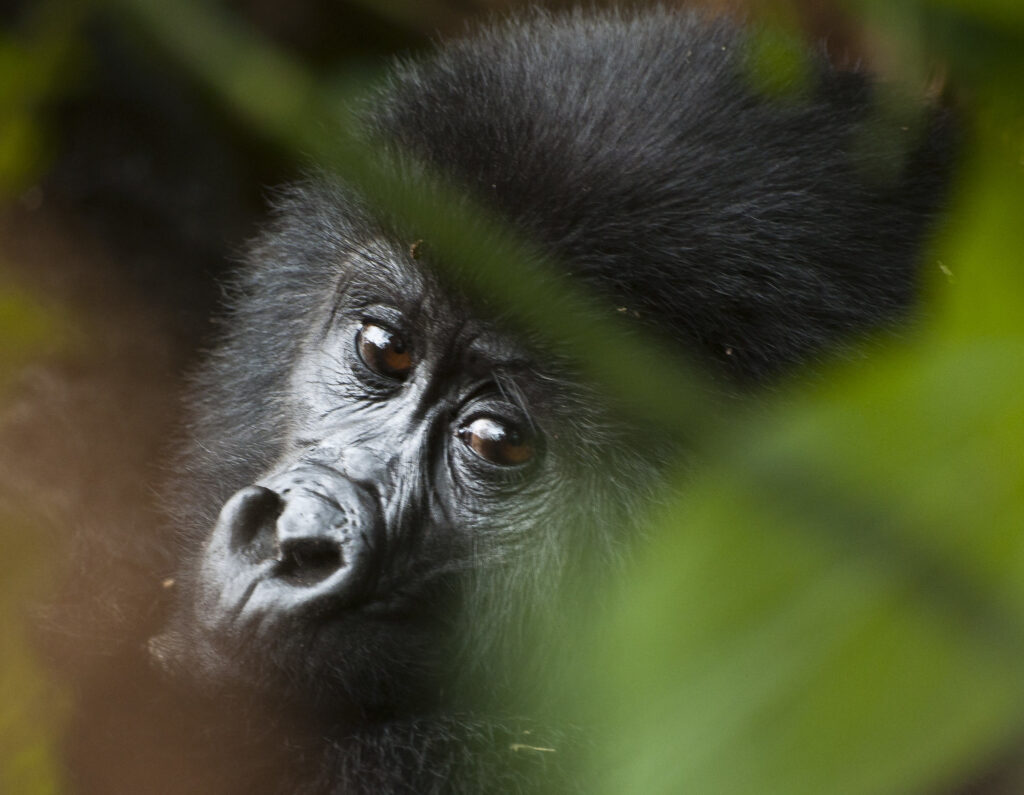
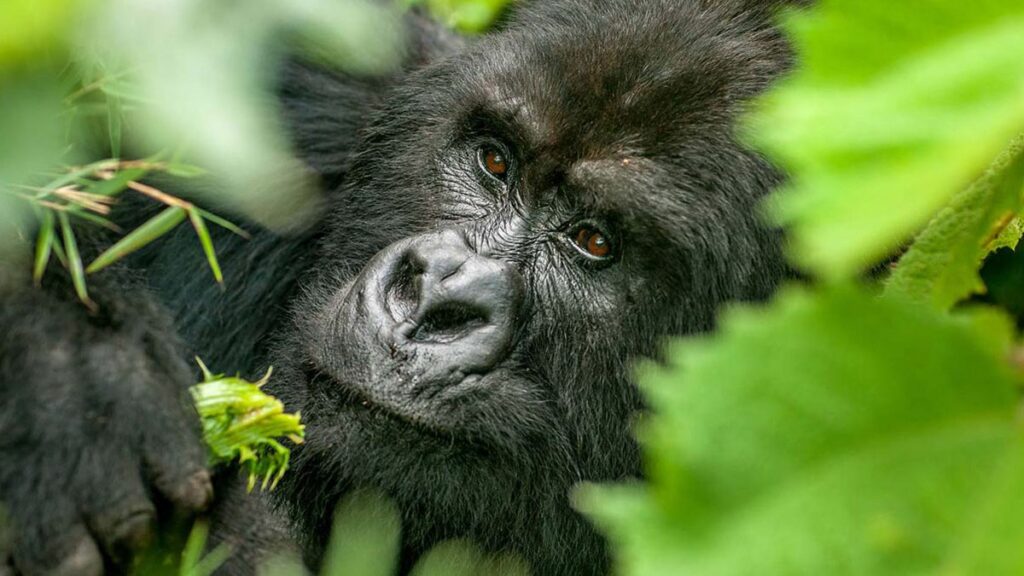
Uganda is one of the world’s leading destinations for mountain gorilla trekking.
Visitors can trek in Bwindi Impenetrable National Park or Mgahinga Gorilla National Park. Before entering the forest, travelers receive a briefing from guides and rangers.
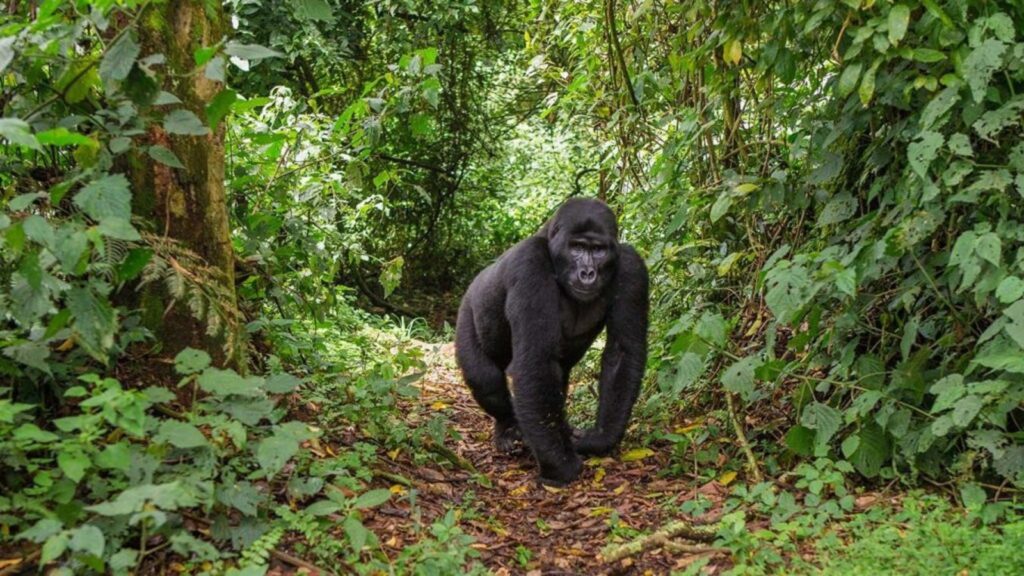
The trekking team then searches for a habituated gorilla family. The duration varies depending on where the gorillas have moved and the terrain encountered along the route.
The experience can involve steep slopes, dense vegetation, muddy trails, and uneven ground, making appropriate preparation important.
What Is Zip-Lining?
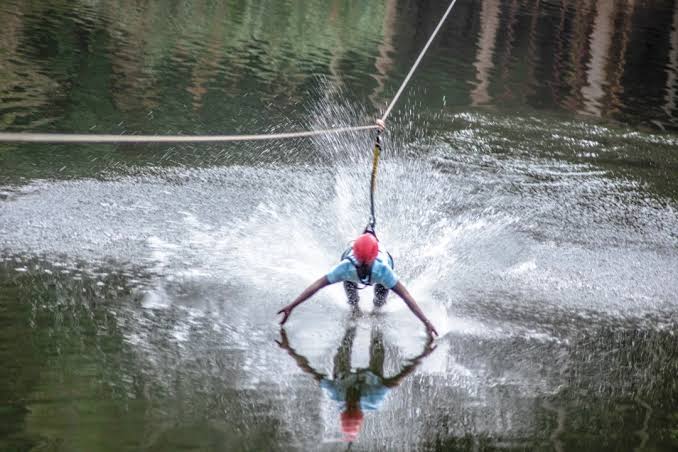
Zip-lining involves traveling along a suspended cable between elevated platforms.
Participants normally wear a safety harness connected to the cable while traveling above the ground. Depending on the destination, zip-line courses can pass through forests, valleys, wetlands, or other scenic landscapes.
The activity provides an aerial perspective and a strong sense of adventure without requiring the long hiking distances associated with gorilla trekking.
Why Combine Gorilla Trekking With Zip-Lining?
A gorilla trekking zip-line Uganda itinerary provides a combination of wildlife and adventure.
Gorilla trekking offers a quiet and immersive forest experience focused on observing mountain gorillas and understanding their habitat. Zip-lining adds speed, height, and adrenaline to the trip.
The contrast makes the overall itinerary more varied and appealing to active travelers.
Where Can You Enjoy Zip-Lining in Uganda?
Uganda has several adventure destinations where visitors may find zip-line or canopy activities.
Availability can change, so travelers should confirm that the specific course is operating before building it into an itinerary.
Mabamba and Entebbe Area
Travelers staying around Entebbe can find a range of nature and adventure activities in the wider area.
Because Entebbe is Uganda’s main international gateway, adding an activity before departure can be convenient.
Jinja
Jinja is Uganda’s major adventure tourism destination and offers numerous outdoor experiences associated with the Nile and surrounding forests.
Travelers can combine zip-line or aerial adventure activities with white-water rafting, kayaking, quad biking, horseback riding, and other experiences where currently available.
Jinja can be particularly convenient for travelers beginning or ending a Uganda safari.
Forest and Canopy Experiences
Some forest tourism sites provide aerial activities that allow visitors to move between elevated platforms.
These experiences can offer views of forest canopies and surrounding landscapes. Travelers should confirm the exact activity, safety standards, age requirements, and current operating status before booking.
Zip-Lining Near the Gorilla Region
Travelers looking specifically for a zip-line activity close to Bwindi or Mgahinga should check local availability before booking.
The southwestern region has numerous outdoor and nature activities, including experiences around Lake Bunyonyi, Lake Mutanda, and the Virunga volcanic landscape. However, not every adventure activity operates permanently or directly inside the gorilla parks.
This distinction is important when planning a gorilla trekking zip-line Uganda itinerary.
How Difficult Is Gorilla Trekking?
Gorilla trekking can be physically demanding.
The terrain around Bwindi and Mgahinga is mountainous and can include steep slopes, muddy paths, thick vegetation, and slippery sections.
Trekking time depends on the movement of the gorilla family and can range from relatively short walks to several hours.
Travelers should prepare through regular walking or hiking and use appropriate footwear.
How Difficult Is Zip-Lining?
Zip-lining is generally less physically demanding than gorilla trekking, although participants need to be comfortable with heights and following safety instructions.
Most of the physical effort involves reaching platforms, walking between sections of the course, and getting into the correct position for each zipline.
The difficulty depends on the length, height, number of lines, and design of the specific course.
Is Zip-Lining Safe?
Zip-lining should only be undertaken through reputable operators using appropriate safety equipment and trained staff.
Before participating, travelers should receive a safety briefing and learn how to use the harness and other equipment.
Participants should follow all instructions carefully and disclose relevant limitations or concerns to the operator before beginning.
Weather conditions can also affect operations, particularly during heavy rain, strong winds, or thunderstorms.
Best Time for Gorilla Trekking and Zip-Lining
A gorilla trekking zip-line Uganda itinerary can be arranged throughout much of the year.
The relatively drier periods from June to September and December to February can provide comfortable conditions for many outdoor activities. However, Uganda can experience rainfall throughout the year.
Rain may make gorilla trekking trails muddy while also affecting zip-line operations.
Travelers should remain flexible and confirm weather-related operating conditions with their activity providers.
What to Wear for Gorilla Trekking
Gorilla trekking requires practical forest clothing.
Wear sturdy waterproof hiking boots, long trousers, a long-sleeved shirt, comfortable socks, and a waterproof jacket.
Gloves can protect your hands from vegetation, while insect repellent and sunscreen provide additional comfort.
A small backpack should contain drinking water, snacks, and waterproof protection for electronics.
What to Wear for Zip-Lining
Wear comfortable outdoor clothing that allows unrestricted movement.
Secure shoes are important because participants may need to walk between platforms and activity areas.
Avoid loose clothing, dangling accessories, and items that could become caught in equipment.
The operator should provide the required harness and safety equipment.
Gorilla Trekking and Zip-Lining Photography
Both activities provide different photography opportunities.
During gorilla trekking, visitors can photograph mountain gorillas while following park rules and ranger instructions.
Zip-lining provides opportunities to capture aerial views, forests, valleys, and action photographs.
A lightweight camera or securely attached action camera can be useful, provided the activity operator permits photography.
Gorilla Trekking and Jinja Adventure Activities
Jinja can be an excellent addition to a longer Uganda itinerary.
After completing gorilla trekking in southwestern Uganda, travelers can continue toward Jinja for adventure activities on the Nile.
Depending on current availability, visitors can combine aerial adventure activities with white-water rafting, kayaking, boat trips, cycling, or other outdoor experiences.
Because the journey between southwestern Uganda and Jinja is substantial, this combination works better in a longer itinerary.
Gorilla Trekking and Lake Bunyonyi
Travelers who want to remain in southwestern Uganda after gorilla trekking can explore Lake Bunyonyi.
The lake offers kayaking, traditional canoe trips, birdwatching, cycling, community walks, and scenic relaxation.
Although these activities are not zip-lining, they provide alternative adventure experiences for travelers who want to stay close to the gorilla trekking region.
Sample Gorilla Trekking and Zip-Line Itinerary
Day 1: Arrival in Uganda
Arrive at Entebbe International Airport and transfer to your accommodation.
Day 2: Travel to Southwestern Uganda
Travel toward Bwindi or Mgahinga and check into your lodge.
Day 3: Gorilla Trekking
Take part in the gorilla trekking experience and spend the remainder of the day resting.
Day 4: Explore Southwestern Uganda
Enjoy Lake Bunyonyi, Lake Mutanda, a community walk, or another local activity.
Day 5: Travel Toward Jinja
Begin the journey toward Jinja or another destination offering the selected aerial adventure.
Day 6: Zip-Line and Adventure Activities
Enjoy the zip-line experience and combine it with another suitable Jinja adventure activity.
Day 7: Continue or Return
Continue your Uganda safari or travel toward Kampala and Entebbe.
The itinerary can be extended depending on the number of activities and destinations included.
Combining Zip-Lining With Other Uganda Activities
A gorilla trekking zip-line Uganda safari can become part of a broader adventure itinerary.
Travelers can combine gorilla trekking with white-water rafting in Jinja, chimpanzee trekking in Kibale Forest, game drives in Queen Elizabeth National Park, boat cruises, mountain hiking, or Lake Bunyonyi activities.
This allows visitors to experience several different landscapes and ecosystems during one trip.
Responsible Adventure Tourism
Travelers should choose operators that prioritize environmental protection and visitor safety.
Avoid littering, follow designated routes, respect local communities, and follow all activity instructions.
Adventure tourism should provide economic benefits to local communities while protecting the natural environments that attract visitors.
Supporting Local Communities
Adventure activities can generate income for guides, instructors, transport providers, accommodation businesses, restaurants, and other local enterprises.
Combining gorilla tourism with additional activities can spread tourism spending across different communities and regions.
Hiring local guides and using responsible tourism providers can help strengthen these benefits.
Conclusion
A gorilla trekking zip-line Uganda itinerary combines the unforgettable experience of mountain gorilla trekking with the excitement of aerial adventure activities. While zip-lining is not part of the gorilla trekking experience itself, it can be added to a longer Uganda safari when travelers choose a destination with a suitable operating course.
Gorilla trekking provides an immersive forest experience in Bwindi or Mgahinga, while zip-lining adds height, speed, and adventure. Travelers can further enrich the journey with activities such as white-water rafting in Jinja, kayaking on Lake Bunyonyi, chimpanzee trekking, mountain hiking, and wildlife safaris.
Because zip-line operations can change by location and season, travelers should confirm current availability, safety standards, age requirements, and operating conditions before booking.