Birding Walk Volcanoes National Park: Complete Guide to Birdwatching in Rwanda
A birding walk experience in Volcanoes National Park offers travelers an opportunity to explore Rwanda’s remarkable mountain ecosystem while searching for birds on foot. Volcanoes National Park is best known for mountain gorilla trekking, but its forests, bamboo zones, wetlands, grasslands, and surrounding habitats also support a rich variety of birdlife.
Walking provides a different perspective from vehicle-based wildlife viewing. Birdwatchers can move slowly along forest trails, listen for calls, study vegetation, and search carefully for birds hidden among branches and foliage.
For travelers combining gorilla trekking with birdwatching, a guided birding walk can add another dimension to a Rwanda safari. It allows visitors to explore the wider ecosystem while focusing on birds rather than gorillas.
Why Choose a Birding Walk in Volcanoes National Park?
A birding walk experience in Volcanoes National Park combines walking, birdwatching, scenery, and nature interpretation.
The slower pace of a birding walk allows participants to notice details that are often missed during other safari activities. Guides can identify bird calls, explain feeding behavior, and point out plants associated with particular species.
The mountain environment also creates opportunities to observe birds adapted to high elevations and forest habitats.
Volcanoes National Park Bird Habitat
Volcanoes National Park forms part of the larger Virunga volcanic landscape.
The park contains montane forest, bamboo vegetation, wetlands, grassland, and other habitats that support different bird communities. Altitude changes across the landscape also influence where particular species occur.
The surrounding Virunga mountains provide a dramatic background for birdwatching and create excellent opportunities for nature photography.
Birds You May See
The exact birds encountered during a birding walk experience in Volcanoes National Park depend on the trail, season, weather, and habitat.
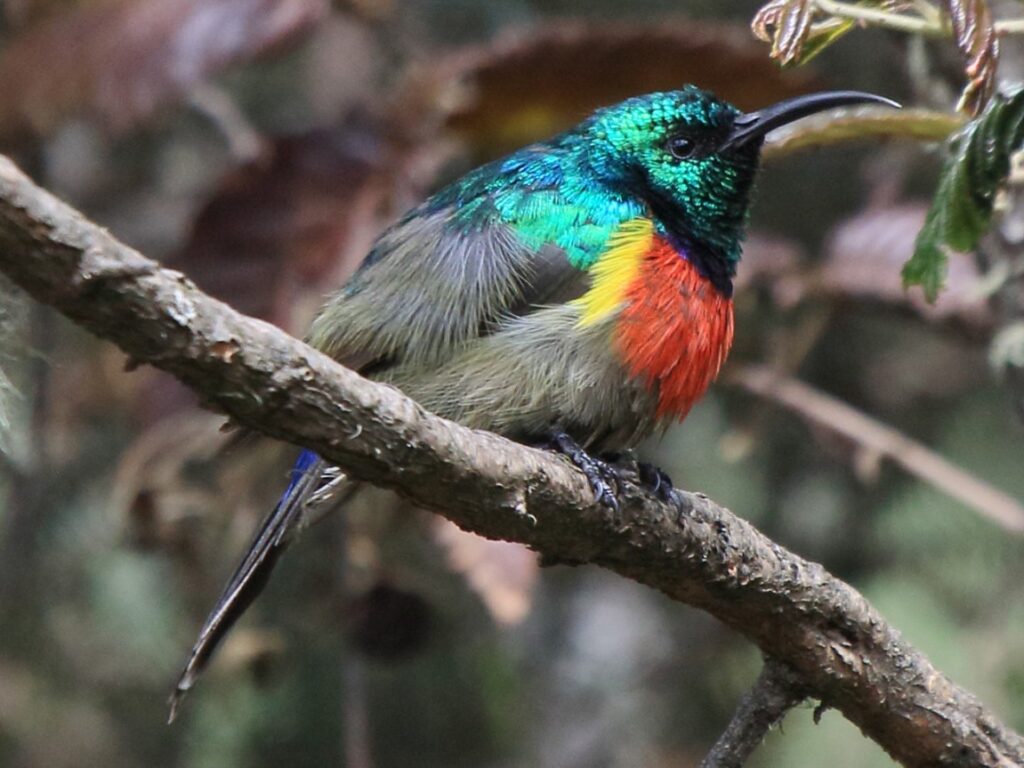
Birdwatchers may encounter species associated with montane forests, bamboo, open areas, and wetland habitats. Possible sightings include sunbirds, turacos, flycatchers, weavers, hawks, eagles, cuckoos, and other forest birds.
Some birds are easier to identify by their calls than by sight, making an experienced guide particularly valuable.
Albertine Rift Endemic Birds
Volcanoes National Park forms part of the Albertine Rift, one of Africa’s important regions for bird diversity and endemism.
Birdwatchers visit the area hoping to see species associated with the Albertine Rift mountain ecosystems. Some species have restricted distributions, making a sighting particularly valuable for serious birders.
A knowledgeable local guide can help identify target species and increase the chances of finding them.
Birding and Gorilla Trekking
Many travelers combine birdwatching with gorilla trekking.
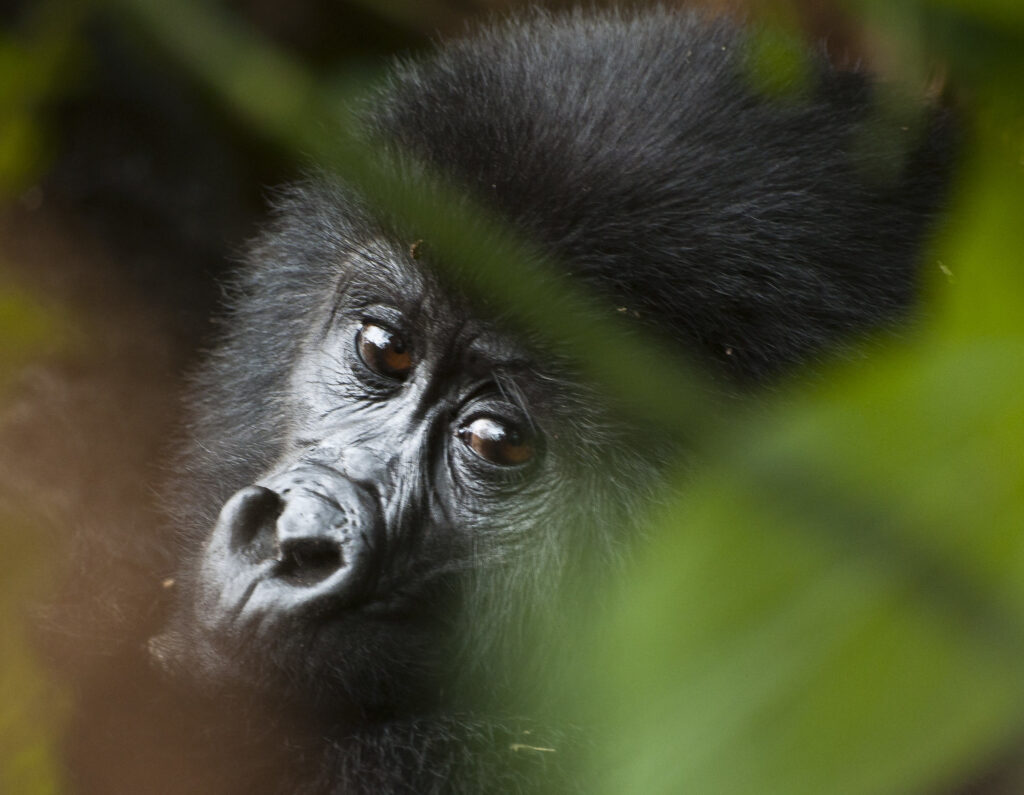
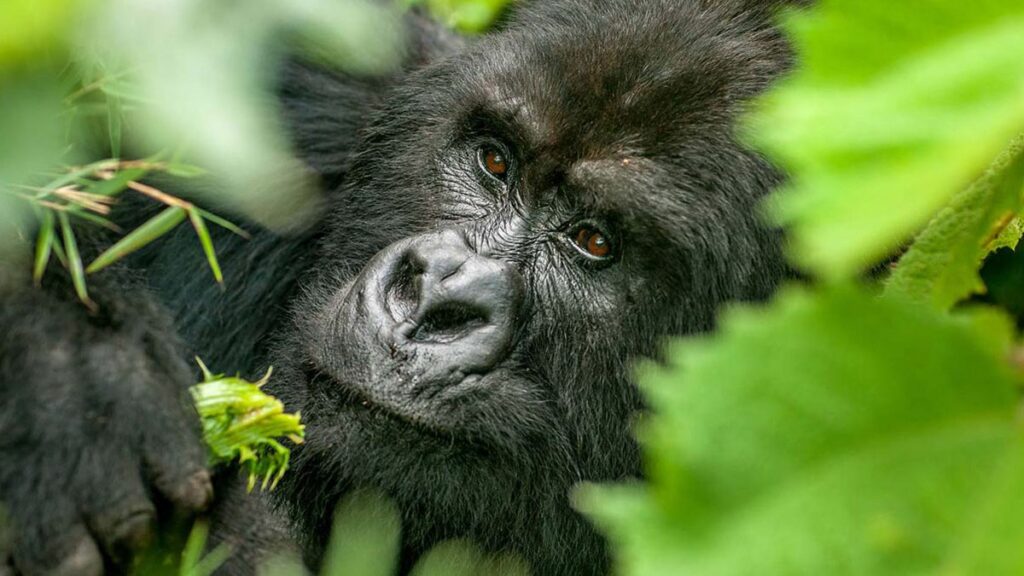
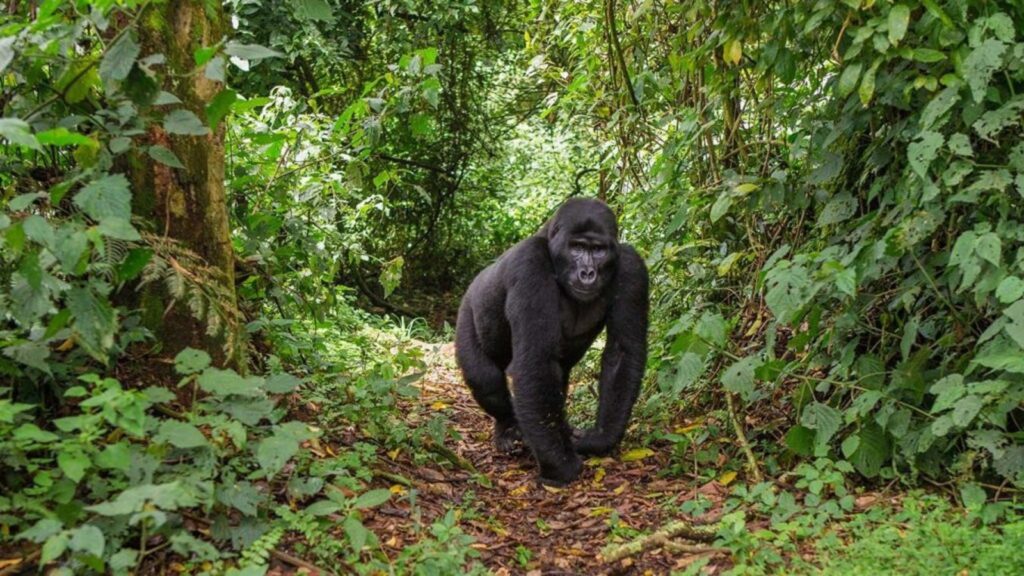
Gorilla trekking focuses on locating habituated mountain gorilla families, while birding walks concentrate on the wider forest ecosystem.
A visitor can therefore spend one day trekking for gorillas and another exploring the forest for birds. This approach creates a more complete understanding of the biodiversity protected within Volcanoes National Park.
Best Areas for Birding Walks
The most suitable birding route depends on current park regulations, trail availability, habitat, and the species a traveler wants to find.
Forest-edge areas, bamboo zones, wetlands, and surrounding habitats can all provide different birding opportunities.
Visitors should work with park guides or authorized local guides when planning their birding routes.
How Long Does a Birding Walk Take?
Birding walks can range from short excursions to several-hour outings.
Short walks may suit travelers who want a gentle activity after gorilla trekking. Dedicated birdwatchers may prefer longer walks that allow more time to search for less conspicuous species.
Birdwatching requires patience, so allowing additional time often increases the number of species encountered.
Difficulty of a Birding Walk
The difficulty depends on the selected route and altitude.
Some trails may involve relatively gentle walking, while others can include steep sections, uneven ground, muddy conditions, or changes in elevation.
Travelers should communicate their fitness level and preferences when arranging the walk.
Best Time for Birdwatching
A birding walk experience in Volcanoes National Park can take place throughout the year.
Bird activity often increases during periods when food is abundant, while migration seasons can introduce additional species to some habitats.
Early mornings are generally particularly rewarding because birds are active and temperatures are cooler.
Weather conditions can change quickly in the mountains, so visitors should remain prepared for rain.
What to Wear
Wear comfortable hiking clothing suitable for cool and wet mountain conditions.
Sturdy hiking shoes with good grip are recommended. Long trousers and a long-sleeved shirt can provide protection from vegetation and insects.
A waterproof jacket is essential because rainfall can occur unexpectedly.
What to Bring
Birdwatchers should carry binoculars and, if possible, a camera with a suitable lens.
A field guide or bird identification application can help with identification. Travelers should also carry drinking water, snacks, sunscreen, insect repellent, and waterproof protection for electronic equipment.
A notebook can be useful for recording species, locations, and observations.
Bird Photography
Volcanoes National Park offers excellent opportunities for bird photography.
Forest birds can be difficult to photograph because they often remain high in the canopy or move quickly through dense vegetation. A camera with a longer lens can help capture distant subjects without approaching too closely.
Birdwatchers should avoid disturbing birds while attempting to obtain photographs.
Hiring a Birding Guide
A specialist guide can significantly improve a birding walk experience in Volcanoes National Park.
Experienced guides know local bird calls, habitats, feeding areas, and seasonal patterns. They can also help visitors locate birds that are difficult for inexperienced observers to find.
For serious birdwatchers, hiring a guide with strong bird identification knowledge can be more valuable than joining a general nature walk.
Birding for Beginners
Visitors do not need to be expert birdwatchers to enjoy the experience.
Beginners can learn to identify common species by shape, color, behavior, habitat, and calls. Guides can explain basic birdwatching techniques and introduce visitors to the park’s bird diversity.
A simple pair of binoculars can be enough to begin.
Birding for Experienced Birdwatchers
Experienced birders may prefer dedicated excursions focused on specific target species.
Before traveling, birdwatchers can prepare a target list based on the species associated with the Virunga region. Guides can then help prioritize suitable habitats and trails.
Patience remains important because some forest species may require considerable time to locate.
Birding and Conservation
Birdwatching contributes to conservation by creating economic value around biodiversity.
Visitors who come specifically to observe birds support guides, accommodation providers, transport businesses, and conservation-related tourism services.
Birding also encourages appreciation of species that may receive less attention than large mammals.
Responsible Birdwatching
Visitors should observe birds without disturbing them.
Avoid chasing birds, playing recordings excessively, damaging vegetation, or approaching nests. Keep noise levels low and remain on authorized trails.
Photographers should prioritize the welfare of birds over obtaining close photographs.
Combining Birding With Other Rwanda Safaris
A birding walk experience in Volcanoes National Park can form part of a broader Rwanda itinerary.
Travelers can combine Volcanoes National Park with Akagera National Park for savannah wildlife and Nyungwe National Park for forest birding and chimpanzee trekking.
This creates an opportunity to experience several of Rwanda’s major ecosystems during one trip.
Sample Rwanda Birding and Gorilla Itinerary
Day 1: Arrival in Kigali
Arrive in Kigali and transfer to your accommodation.
Day 2: Travel to Volcanoes National Park
Travel toward Musanze and Volcanoes National Park. Spend the afternoon exploring the surrounding area or preparing for the following activity.
Day 3: Gorilla Trekking
Take part in gorilla trekking in Volcanoes National Park. Spend the remainder of the day resting.
Day 4: Birding Walk
Begin an early morning guided birding walk. Explore suitable forest and mountain habitats while searching for birds and learning about the ecosystem.
Day 5: Continue Your Rwanda Safari
Travel toward another destination such as Akagera National Park, Nyungwe National Park, or Kigali.
Birding and Golden Monkey Trekking
Travelers can also combine birding with golden monkey trekking.
Golden monkeys live in the bamboo forests of the Virunga region, while the same broader ecosystem supports numerous bird species.
A multi-activity itinerary allows travelers to experience both primates and birds while exploring the mountain environment.
Conclusion
A birding walk experience in Volcanoes National Park provides a rewarding way to explore Rwanda’s Virunga mountain ecosystem beyond its famous gorillas. Walking through forest, bamboo, wetlands, and other habitats allows visitors to discover a diverse range of birds while learning about the ecology of the region.
The experience works particularly well for birdwatchers, photographers, nature enthusiasts, and travelers who want to spend additional time in Volcanoes National Park after gorilla trekking.
With binoculars, suitable hiking clothing, patience, and an experienced guide, a birding walk can become one of the most memorable additions to a Rwanda gorilla safari.