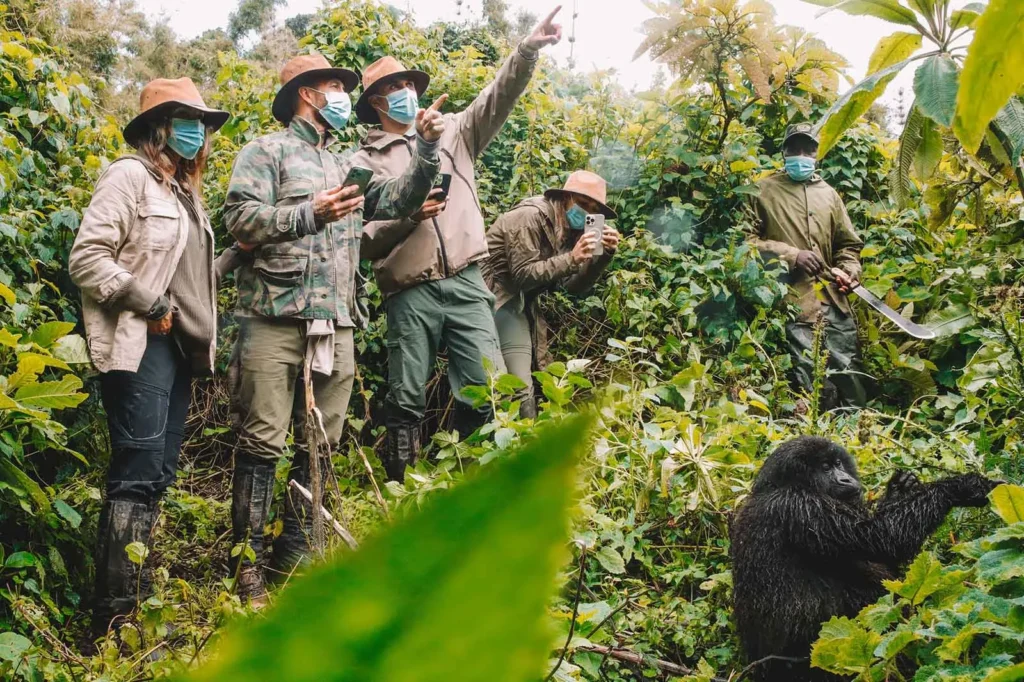
Gorilla Trekking 2028 Price Forecast: What Travelers Can Expect in the Coming Years
Gorilla trekking remains one of Africa’s most exclusive wildlife experiences, attracting thousands of travelers annually to Uganda and Rwanda. As demand continues to rise and conservation costs increase, many travelers are already asking about the gorilla trekking 2028 price forecast and how permit prices may evolve over the next few years.
Mountain gorilla tourism operates under a carefully controlled system designed to protect one of the world’s most endangered primates. Unlike many tourism activities where visitor numbers can expand freely, gorilla trekking relies on limited permits, strict conservation regulations, and sustainable tourism practices. These factors directly influence pricing and create a unique market where demand often exceeds supply.
While no wildlife authority has officially announced 2028 permit prices, current market trends, conservation funding needs, inflation, infrastructure investments, and tourism demand provide useful indicators for forecasting future costs. Understanding these trends helps travelers, tour operators, and investors prepare for the future of gorilla tourism in East Africa.
Understanding Current Gorilla Permit Pricing
Any gorilla trekking 2028 price forecast must begin with an understanding of current pricing structures. Gorilla permits represent the largest single cost associated with gorilla trekking and form the foundation of tourism revenue within protected areas.
Permit fees support ranger patrols, anti-poaching operations, veterinary interventions, habitat protection, community development programs, and park management activities. These revenues are essential for maintaining healthy mountain gorilla populations and protecting their forest habitats.
Unlike many tourism attractions, gorilla trekking follows a high-value, low-volume model. Wildlife authorities deliberately limit daily visitor numbers to minimize environmental impacts and preserve the quality of the visitor experience. Because permit availability remains restricted, strong demand often supports premium pricing.
This conservation-driven pricing model is likely to remain the foundation of gorilla tourism through 2028 and beyond.
Factors That Could Influence Gorilla Permit Prices by 2028
Several economic and conservation-related factors are expected to influence future permit pricing. Inflation remains one of the most significant drivers. Operating protected areas becomes more expensive over time as salaries, equipment, transportation, and conservation programmes require additional funding.
Conservation costs continue to increase as wildlife authorities invest in monitoring technologies, veterinary servprogramser training, and habitat protection. Maintaining these programmes requires sustainable revenue sources, and permit fees remain one of the most effective mechanisms for generating conservation funding.
Infrastructureprogramsnts also influence pricing. Better roads, upgraded visitor facilities, improved accommodation options, and enhanced tourism services increase destination competitiveness while supporting premium pricing strategies.
Growing international demand is another important factor. As more travelers seek meaningful wildlife experiences, competition for limited permits is expected to remain strong. High demand often creates favorable conditions for future price increases.
Together, these factors suggest that permit prices are likely to trend upward rather than decline over the coming years.
Forecast for Uganda Gorilla Permit Prices in 2028
Uganda remains the most popular destination for mountain gorilla trekking due to its large gorilla population and relatively accessible permit pricing. The country’s conservation-focused tourism strategy has helped attract a broad range of international travelers while generating substantial conservation revenue.
Based on historical pricing patterns and broader tourism trends, Uganda is likely to maintain its position as the most competitively priced gorilla trekking destination. However, moderate price increases between now and 2028 remain possible as conservation and operational costs continue to rise.
Any future adjustments will likely aim to balance affordability with conservation funding requirements. Uganda’s tourism authorities recognize the importance of remaining competitive while ensuring sufficient resources for wildlife protection and community development.
The country’s long-term strategy is expected to focus on maintaining strong visitor demand while gradually increasing the overall value generated by each visitor.
Forecast for Rwanda Gorilla Permit Prices in 2028
Rwanda has successfully positioned itself as a premium gorilla tourism destination. Its tourism model emphasizes high-value visitors, luxury experiences, and strong conservation outcomes. As a result, Rwanda’s permit pricing has traditionally been higher than neighboring destinations.
The gorilla trekking 2028 price forecast suggests that Rwanda will likely continue pursuing its premium tourism strategy. Future price adjustments may reflect the country’s focus on maximizing economic returns while maintaining low visitor volumes and high conservation standards.
Luxury tourism demand remains strong, and Rwanda’s proximity to Kigali provides a significant convenience advantage for international travelers. These factors support the country’s ability to maintain premium pricing in the years ahead.
Even if permit prices increase further, Rwanda is likely to remain attractive to travelers seeking exclusive wildlife experiences combined with luxury accommodations and efficient travel logistics.
Demand Growth Supporting Future Prices
One of the strongest arguments supporting future permit price growth is increasing global demand for experiential travel. Travelers increasingly prioritize meaningful experiences over traditional vacations, and gorilla trekking consistently ranks among the world’s most sought-after wildlife encounters.
The growth of sustainable tourism also supports long-term pricing stability. Many travelers willingly pay premium prices when they understand that their spending contributes directly to conservation and community development. This willingness reduces price sensitivity compared to many other tourism sectors.
Emerging markets are expected to contribute further demand growth. Rising incomes in Asia, the Middle East, and Latin America are creating new groups of travelers interested in conservation-based tourism experiences.
Because permit availability remains limited by conservation requirements, even modest increases in demand can support higher prices over time.
How Conservation Influences Future Pricing
Conservation remains at the heart of the gorilla tourism industry. The future pricing of permits depends largely on the financial requirements associated with protecting mountain gorillas and their habitats.
Mountain gorillas require continuous monitoring and protection. Rangers patrol forest boundaries, veterinarians respond to health threats, and conservation teams work with local communities to reduce human-wildlife conflict. These activities require reliable funding that often comes directly from tourism revenues.
As conservation programs expand and evolve, wildlife authorities may adjust permit prices to ensure long-term sustainability. Many travelers accept these increases because they recognize the connection between tourism revenue and wildlife protection.
The success of mountain gorilla conservation over recent decades demonstrates the effectiveness of this model and suggests that conservation funding will remain a key factor in future pricing decisions.
The Role of Luxury Tourism in Price Forecasts
Luxury tourism continues to shape the future of gorilla trekking. High-end lodges, private transfers, personalized guiding services, and exclusive safari packages attract travelers willing to spend significantly more than the average tourist.
This trend influences permit pricing because wildlife authorities increasingly recognize the economic benefits of attracting high-value visitors. Rather than maximizing visitor numbers, destinations often seek to maximize revenue while minimizing environmental impacts.
The luxury segment is expected to remain particularly strong through 2028, supporting premium pricing strategies and reinforcing the exclusivity of gorilla trekking experiences.
As luxury demand grows, the overall economic value of gorilla tourism may increase even if permit numbers remain unchanged.
What Travelers Should Expect by 2028
Travelers planning future gorilla safaris should anticipate the possibility of higher permit costs by 2028. While exact prices remain unknown, current trends suggest that gradual increases are more likely than price reductions.
Early planning may become increasingly important as demand continues to grow. Securing permits well in advance will help travelers access preferred trekking dates and destinations while avoiding availability challenges during peak travel seasons.
Despite potential price increases, gorilla trekking is expected to remain one of the most rewarding wildlife experiences available anywhere in the world. The combination of conservation impact, exclusivity, and emotional connection continues to provide exceptional value for visitors.
For many travelers, the opportunity to spend time with mountain gorillas remains worth the investment regardless of future pricing adjustments.
Leading Destinations Shaping the Future of Gorilla Tourism
Uganda’s Bwindi Impenetrable National Park will continue to play a central role in future gorilla tourism growth. The park’s large number of habituated gorilla families provides significant flexibility and supports strong visitor demand.
Mgahinga Gorilla National Park is also expected to attract increasing interest from travelers seeking less crowded trekking experiences and diverse wildlife opportunities.
In Rwanda, Volcanoes National Park will likely remain one of Africa’s premier luxury wildlife destinations, helping shape pricing trends throughout the region.
These destinations will continue influencing the overall direction of gorilla tourism pricing and development through 2028 and beyond.
Conclusion
The gorilla trekking 2028 price forecast points toward continued growth in the value of gorilla tourism, driven by rising demand, conservation funding needs, infrastructure improvements, and expanding luxury travel markets. Although exact permit prices remain uncertain, current trends suggest gradual increases are more likely than significant reductions.
As destinations such as Bwindi Impenetrable National Park, Mgahinga Gorilla National Park, and Volcanoes National Park continue investing in conservation and tourism development, the overall value of the gorilla trekking experience is expected to strengthen.
For travelers, the coming years will likely bring higher costs but also improved services, stronger conservation outcomes, and continued access to one of the world’s most extraordinary wildlife encounters.