Gorilla Permit Price Prediction 2027: What Travelers Should Expect
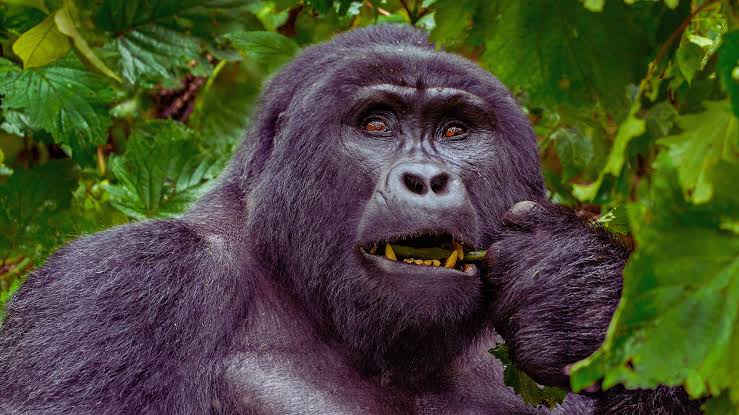
Gorilla trekking remains one of Africa’s most sought-after wildlife experiences, attracting thousands of travelers each year to the mountain gorilla habitats of Uganda and Rwanda. As demand continues to grow and conservation costs increase, many travelers planning future safaris are interested in the gorilla permit price prediction 2027 and what permit costs may look like over the coming years.
Gorilla permits are more than simple entry tickets. They serve as essential conservation tools that regulate visitor numbers while generating revenue for wildlife protection, community development, and park management. Because mountain gorilla populations require continuous conservation support, permit pricing plays a critical role in maintaining the long-term sustainability of gorilla tourism.
Although wildlife authorities have not officially announced permit prices for 2027, several factors can help forecast future trends. Inflation, tourism demand, conservation funding requirements, infrastructure improvements, and evolving tourism strategies all influence permit pricing decisions. By examining these trends, travelers can gain a better understanding of what to expect when planning gorilla trekking adventures in the coming years.
Understanding How Gorilla Permit Prices Are Determined
Any discussion of the gorilla permit price prediction 2027 must begin with an understanding of how permit prices are established. Wildlife authorities carefully balance conservation objectives, tourism competitiveness, visitor demand, and economic sustainability when reviewing permit fees.
Unlike many tourism attractions, gorilla trekking operates under a highly controlled visitor management system. Authorities limit the number of daily permits available to protect mountain gorillas from excessive human interaction. This limited supply creates a premium tourism product that helps generate substantial conservation revenue while maintaining a high-quality visitor experience.
Permit fees contribute directly to conservation programmes, including ranger salaries, anti-poaching patrols, veterinary services, habitat protection initiatives, research activities, and community development projects. As these costs increase over time, permit prices may require adjustment to ensure sufficient funding remains available.
The combination of limited permit availability and strong international demand creates a pricing environment that generally favors gradual increases rather than reductions.
Historical Trends in Gorilla Permit Pricing
Examining historical pricing patterns provides valuable insights into future projections. Over the years, wildlife authorities have periodically adjusted permit prices to reflect changing economic conditions, conservation requirements, and tourism strategies.
Price increases have generally occurred gradually rather than dramatically. Authorities typically aim to maintain market competitiveness while generating enough revenue to support conservation and tourism development. This approach helps avoid discouraging visitors while ensuring the financial sustainability of protected areas.
The history of gorilla permit pricing also demonstrates a clear shift toward value-based tourism. Rather than maximizing visitor numbers, destinations increasingly focus on attracting travelers who appreciate conservation and are willing to invest in premium wildlife experiences.
These historical patterns suggest that future permit pricing decisions will likely continue emphasizing sustainability, conservation funding, and high-quality visitor experiences.
Factors Influencing Gorilla Permit Prices in 2027
Several key factors will likely influence permit pricing decisions by 2027. Inflation remains one of the most important considerations. Rising operational costs affect nearly every aspect of conservation management, including salaries, transportation, equipment, training, and infrastructure maintenance.
Conservation requirements also continue to evolve. Wildlife authorities invest heavily in monitoring gorilla health, protecting habitats, managing visitor activities, and responding to emerging environmental challenges. These programmes require consistent financial support.
Growing international demand creates additional pricing flexibility. Gorilla trekking remains one of the world’s most exclusive wildlife experiences, and many travelers continue to view it as a bucket-list adventure. Strong demand allows destinations to consider moderate price increases without significantly affecting visitor interest.
Infrastructure improvements further contribute to future pricing considerations. Enhanced visitor facilities, better road networks, upgraded accommodations, and improved tourism services all increase the overall value of the gorilla trekking experience.
Together, these factors create conditions that may support moderate permit price growth by 2027.
Uganda Gorilla Permit Price Prediction 2027
Uganda remains the most popular gorilla trekking destination due to its large gorilla population and comparatively accessible permit pricing structure. The country’s tourism strategy focuses on attracting a broad range of travelers while maintaining strong conservation outcomes.
Based on current trends, Uganda is likely to continue pursuing a balanced pricing approach through 2027. Any future adjustments would likely reflect inflation, conservation funding needs, and broader tourism market conditions.
Uganda’s wildlife authorities recognize the importance of remaining competitive within the regional tourism market. For this reason, significant price increases are generally less likely than moderate, carefully planned adjustments.
The country’s extensive gorilla trekking opportunities in multiple sectors also provide flexibility that supports long-term tourism growth. As visitor demand continues to increase, Uganda may focus on enhancing the overall value of the visitor experience while maintaining reasonable permit pricing relative to competing destinations.
Rwanda Gorilla Permit Price Prediction 2027
Rwanda follows a different tourism model that emphasizes high-value, low-volume tourism. The country’s premium tourism strategy has positioned gorilla trekking as an exclusive wildlife experience supported by luxury accommodations and world-class tourism infrastructure.
The gorilla permit price prediction 2027 suggests that Rwanda will likely continue pursuing this premium market approach. Future permit prices may reflect ongoing investments in conservation, tourism infrastructure, and destination branding.
Rwanda benefits from strong demand among luxury travelers who prioritize convenience, exclusivity, and exceptional service. The proximity of gorilla trekking areas to Kigali further enhances the country’s attractiveness to international visitors.
As luxury tourism continues to expand globally, Rwanda may maintain or gradually increase permit pricing while focusing on maximizing visitor value rather than increasing visitor numbers.
The Impact of Tourism Demand on Future Pricing
Demand remains one of the strongest influences on future permit prices. Global interest in experiential travel continues to grow as travelers seek authentic and transformative experiences. Gorilla trekking fits perfectly within this trend because it combines adventure, wildlife conservation, and personal connection with nature.
The growth of sustainable tourism further strengthens demand. Many visitors actively seek experiences that contribute positively to environmental protection and local communities. Gorilla trekking’s conservation-centered model appeals strongly to this audience.
Emerging tourism markets are also contributing to long-term demand growth. Rising incomes and increased international travel from Asia, the Middle East, and Latin America are introducing new visitor segments to gorilla tourism.
As long as demand remains strong and permit availability remains limited, upward pressure on permit prices is likely to continue.
Conservation Funding and Permit Prices
Conservation remains at the core of every gorilla permit pricing decision. Mountain gorillas require continuous protection, monitoring, and veterinary care. Wildlife authorities must also manage habitats, maintain visitor infrastructure, and support local communities living near protected areas.
Tourism revenue provides much of the funding necessary to sustain these efforts. As conservation programmes expand and operational costs increase, permit pricing becomes an important mechanism for securing long-term financial sustainability.
Travelers increasingly understand and appreciate this relationship. Many view permit fees as a direct contribution to conservation rather than simply a tourism expense. This perception helps support future pricing adjustments while reinforcing the conservation value of gorilla tourism.
The continued success of mountain gorilla conservation suggests that permit pricing will remain closely linked to funding requirements through 2027 and beyond.
What Travelers Should Expect in 2027
Travelers planning gorilla safaris for 2027 should prepare for the possibility of moderate permit price increases compared to current rates. While dramatic increases appear unlikely, gradual adjustments remain possible as authorities respond to inflation, conservation needs, and market conditions.
Booking early will remain important. Strong demand often results in limited permit availability during peak travel seasons, and advance planning helps secure preferred trekking dates and destinations.
Travelers should also focus on the overall value of the experience rather than permit costs alone. Gorilla trekking provides access to one of the world’s rarest wildlife encounters while directly supporting conservation and community development initiatives.
For many visitors, the opportunity to spend time with mountain gorillas continues to justify the investment regardless of future pricing changes.
Key Destinations Driving Future Permit Trends
Uganda’s Bwindi Impenetrable National Park will remain central to future permit pricing discussions due to its large number of habituated gorilla families and strong international demand.
Mgahinga Gorilla National Park also contributes to Uganda’s growing tourism market and offers visitors a unique combination of gorilla trekking and volcanic scenery.
In Rwanda, Volcanoes National Park will continue influencing regional tourism pricing through its premium tourism model and strong luxury market positioning.
These destinations will play a major role in shaping gorilla tourism trends through 2027 and beyond.
Conclusion
The gorilla permit price prediction 2027 points toward continued stability with the possibility of moderate increases driven by inflation, conservation funding requirements, growing international demand, and tourism development initiatives. While exact permit prices remain uncertain, current trends suggest that wildlife authorities will continue balancing conservation goals with tourism competitiveness.
Destinations such as Bwindi Impenetrable National Park, Mgahinga Gorilla National Park, and Volcanoes National Park remain committed to sustainable tourism and long-term conservation success.
For travelers, gorilla trekking will continue to represent one of the most extraordinary wildlife experiences available anywhere in the world, offering exceptional value while supporting the protection of endangered mountain gorillas for future generations.