Gorilla Trekking Growth Trends Africa: The Evolution of Gorilla Tourism in East Africa
The African tourism industry has undergone significant transformation over the past two decades, and few sectors illustrate this growth better than gorilla tourism. The gorilla trekking growth trends in Africa reveal a remarkable story of conservation success, increasing international demand, and sustainable tourism development. What was once a specialized wildlife activity has become one of Africa’s most valuable and recognizable tourism products, attracting visitors from across the globe.
Mountain gorilla trekking now plays a critical role in the tourism economies of Uganda and Rwanda. The activity generates millions of dollars annually through permit sales, accommodation bookings, transportation services, and related safari activities. At the same time, tourism revenue directly supports conservation efforts and community development initiatives, creating a model that benefits both people and wildlife.
As global travelers increasingly seek authentic and meaningful experiences, gorilla trekking continues to gain popularity. Growing environmental awareness, improved infrastructure, expanding tourism markets, and successful conservation programmes have all contributed to the steady rise of gorilla tourism. Understanding these growth trends provides valuable programsto the future of one of Africa’s most successful conservation-based tourism sectors.
The Early Development of Gorilla Tourism
The foundations of modern gorilla tourism emerged from conservation efforts aimed at protecting endangered mountain gorillas. During the twentieth century, gorilla populations faced numerous threats, including poaching, habitat destruction, political instability, and human encroachment. Conservation organizations and governments recognized that sustainable tourism could provide financial support for wildlife protection while creating economic opportunities for local communities.
As protected areas became more secure and gorilla habituation programs expanded, wildlife authorities began introducing controlled tourism activities. Strict regulations limited visitor numbers and established guidelines designed to minimize disturbances to gorilla families. These measures created a sustainable tourism framework that prioritized conservation while allowing visitors to experience mountain gorillas in their natural habitat.
The success of these early initiatives laid the groundwork for future growth. Positive visitor experiences generated international interest, while conservation improvements strengthened confidence in the long-term viability of gorilla tourism. Over time, this careful balance between conservation and tourism became one of the defining characteristics of the industry.
Increasing International Visitor Demand
One of the most important gorilla trekking growth trends in Africa is the consistent increase in international visitor demand. Travelers from the United States, Canada, the United Kingdom, Germany, France, Australia, and many other countries continue to choose gorilla trekking as a primary reason for visiting East Africa.
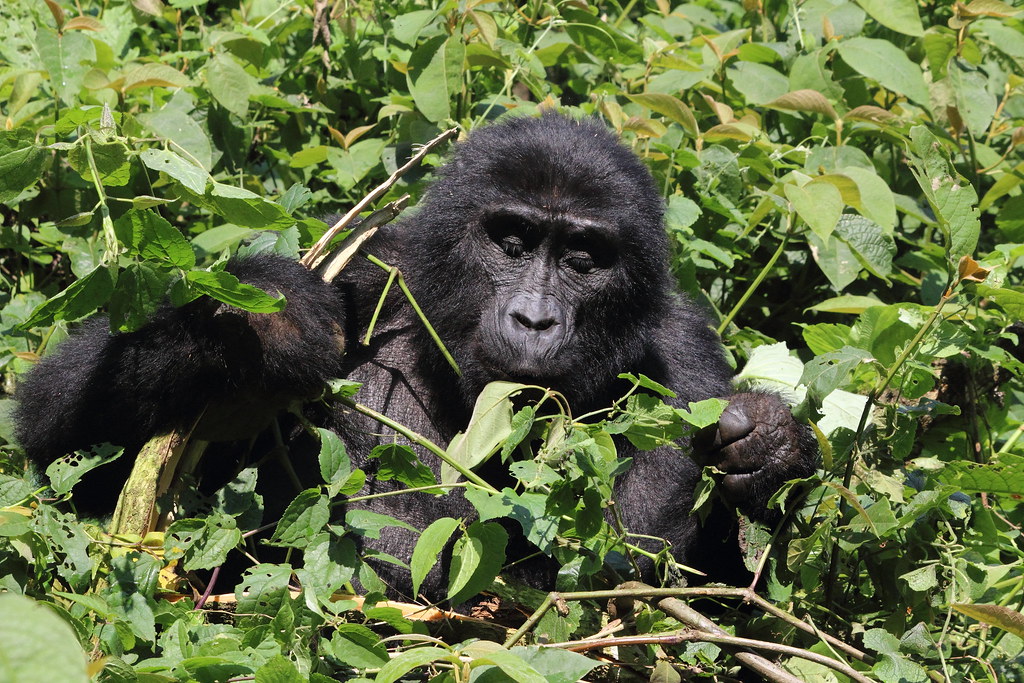
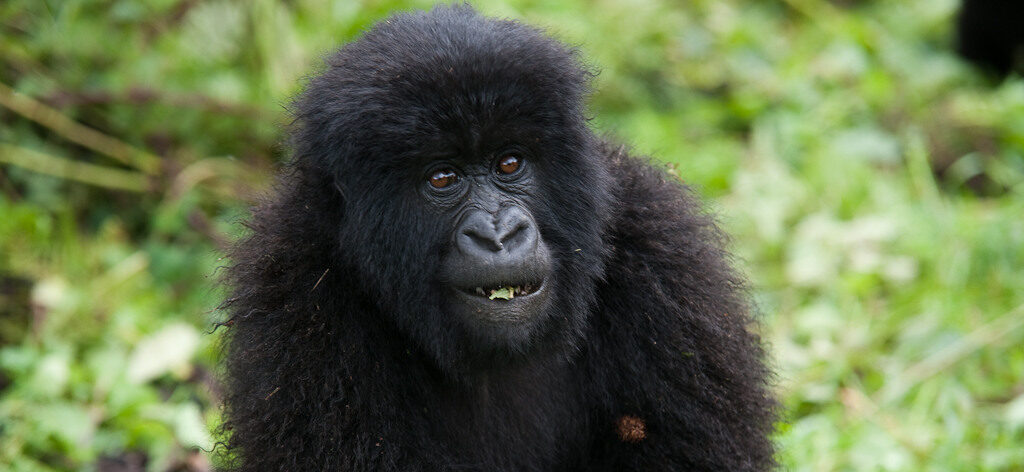
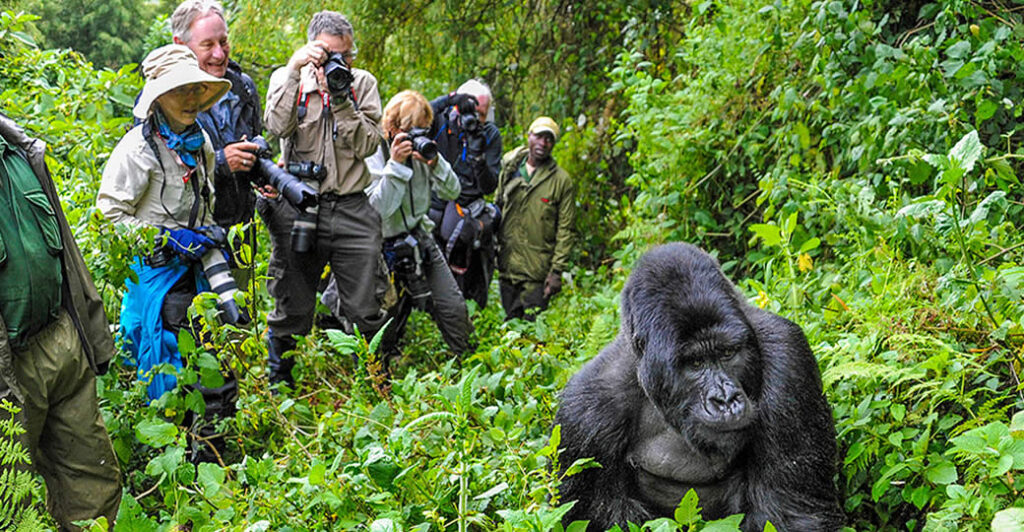
Several factors explain this growing demand. Gorilla trekking offers an experience that is both rare and highly emotional. Observing mountain gorillas at close range provides a connection with wildlife that few other tourism activities can match. Many visitors describe the encounter as one of the most memorable experiences of their lives.
The rise of digital media has also contributed significantly to demand growth. Travel blogs, documentaries, wildlife photography, and social media content have introduced gorilla trekking to global audiences. Images of mountain gorillas and stories of rainforest adventures inspire travelers to include gorilla trekking on their bucket lists.
As awareness continues to expand worldwide, demand for gorilla permits remains strong throughout much of the year, particularly during peak travel seasons.
Growth of Sustainable Tourism and Conservation Travel
The increasing popularity of sustainable tourism represents another major driver of gorilla tourism growth. Modern travelers increasingly prefer experiences that contribute positively to conservation and local communities. Gorilla trekking aligns closely with these values because permit revenue directly supports wildlife protection and community development.
Tourists appreciate knowing that their participation helps fund ranger patrols, habitat protection programs, veterinary care, and conservation research. Revenue-sharing initiatives also provide benefits to communities living near protected areas, encouraging local support for conservation efforts.
This conservation-centered tourism model has become a major selling point for the industry. Travelers increasingly seek experiences that combine adventure with meaningful environmental impact. Gorilla trekking successfully delivers both objectives, making it highly attractive to environmentally conscious visitors.
As sustainable travel continues to grow globally, gorilla tourism is expected to benefit from increasing demand among travelers who prioritize responsible tourism choices.
Expansion of Luxury Gorilla Tourism
Luxury tourism has become one of the fastest-growing segments within the gorilla trekking industry. Wealthy travelers increasingly seek premium wildlife experiences that combine comfort, exclusivity, and exceptional service. This trend has significantly increased the economic value of gorilla tourism across East Africa.
Rwanda has led much of this luxury tourism growth through its high-end tourism strategy. Exclusive lodges, personalized services, helicopter transfers, and premium safari packages attract affluent travelers willing to invest heavily in unique experiences. The country’s focus on quality rather than volume has strengthened its reputation within the luxury travel market.
Uganda has also experienced substantial growth in luxury tourism. Several world-class lodges located near gorilla trekking destinations now cater to travelers seeking high-end accommodations and personalized safari experiences. These developments have broadened the appeal of gorilla trekking while increasing visitor spending.
The growth of luxury tourism demonstrates how the industry can increase economic returns without significantly increasing visitor numbers, supporting both conservation and profitability.
Infrastructure Improvements Supporting Tourism Growth
Infrastructure development has played a critical role in the expansion of gorilla tourism. Improved transportation networks, upgraded airports, enhanced accommodation facilities, and better communication systems have all contributed to industry growth.
Travelers can now access gorilla trekking destinations more efficiently than ever before. Domestic flights reduce travel times significantly, while improved road networks provide greater convenience for safari visitors. These developments make gorilla trekking more accessible to international travelers with limited vacation time.
Accommodation options have also expanded considerably. Visitors can choose from a wide range of properties, including budget lodges, mid-range safari camps, luxury eco-lodges, and boutique hotels. This diversity allows destinations to attract travelers with varying budgets and preferences.
Technology continues to support growth through online permit booking systems, digital marketing campaigns, and improved travel planning resources. These innovations simplify the booking process and help tourism businesses reach global audiences more effectively.
Emerging Source Markets Driving Future Growth
While North America and Europe remain the dominant source markets for gorilla tourism, emerging markets are becoming increasingly important. Rising incomes and expanding international travel opportunities are creating new opportunities for growth.
Asian countries such as China, India, Japan, Singapore, and South Korea are producing growing numbers of international travelers interested in wildlife experiences. These markets represent significant long-term opportunities for gorilla tourism operators and tourism authorities.
Regional tourism is also expanding. East African residents are increasingly participating in gorilla trekking through domestic tourism initiatives and regional pricing programmes. This trend strengthens iprograms.ilience by diversifying visitor sources and reducing dependence on long-haul international markets.
As emerging markets continue to develop, they are expected to contribute significantly to future growth across the gorilla tourism sector.
Conservation Success Strengthening Tourism Growth
The recovery of mountain gorilla populations remains one of the most encouraging gorilla trekking growth trends in Africa. Conservation programmes supported by tourism revenue have helped stabilize and increase gorilla populations in recent decades.
This programson success generates positive international attention and strengthens the industry’s reputation. Travelers are often inspired by stories of wildlife recovery and are motivated to support destinations that demonstrate measurable conservation achievements.
The relationship between conservation and tourism creates a powerful cycle. Tourism revenue supports conservation, while conservation success increases tourism demand. This model has become one of the strongest examples of sustainable wildlife tourism anywhere in the world.
As mountain gorilla populations continue to thrive, confidence in the future of gorilla tourism remains strong among conservationists, governments, investors, and travelers alike.
Leading Destinations Driving Growth
Uganda and Rwanda continue to lead the growth of gorilla tourism in Africa. Bwindi Impenetrable National Park remains the most important gorilla trekking destination due to its large mountain gorilla population and extensive permit availability. The park attracts visitors from around the world and supports a thriving tourism economy.
Mgahinga Gorilla National Park continues to attract travelers seeking a quieter trekking experience combined with opportunities for golden monkey tracking and volcanic scenery.
In Rwanda, Volcanoes National Park remains one of Africa’s premier wildlife tourism destinations. Its luxury tourism infrastructure and convenient access from Kigali have helped drive significant growth in high-end gorilla tourism.
Together, these destinations form the foundation of Africa’s expanding gorilla tourism industry.
Future Outlook for Gorilla Tourism Growth
The future outlook for gorilla tourism remains highly positive. Demand for authentic wildlife experiences continues to rise, conservation awareness is expanding, and sustainable tourism remains a growing global trend. These factors create favorable conditions for continued industry growth.
Although conservation regulations will continue to limit visitor numbers, economic value can increase through higher visitor spending, enhanced tourism services, and stronger market diversification. The industry’s focus on sustainability ensures that growth remains compatible with conservation objectives.
Investments in infrastructure, community development, and conservation management will further strengthen the sector’s long-term prospects. As global travelers increasingly seek transformative experiences, gorilla trekking is likely to maintain its position among Africa’s most valuable tourism products.
Conclusion
The gorilla trekking growth trends in Africa illustrate how conservation and tourism can work together to create lasting environmental and economic benefits. Through strong international demand, expanding luxury tourism, improved infrastructure, and successful conservation programmes, gorilla trekking has become one of Africa’s most impressive tourism success stories.
Destinations such as Bwindi Impenetrable National Park, Mprograms,illa National Park, and Volcanoes National Park continue to lead this growth while demonstrating the power of sustainable tourism.
As the industry evolves, gorilla trekking will remain a flagship example of how wildlife conservation can drive tourism development, support local communities, and protect one of the world’s most extraordinary species.