What Happens After Gorilla Trekking? A Complete Guide for Visitors
Many travelers spend weeks preparing for a gorilla trekking adventure, but few think about what happens after the trek ends. Knowing what happens after gorilla trekking can help you plan the rest of your day, arrange transportation, decide where to eat, and understand what to expect once you leave the forest.
After the gorilla encounter, trekkers normally return toward the park headquarters or designated meeting point with their guides and trekking team. The experience does not necessarily end immediately when the gorillas disappear into the forest. Depending on the destination and local procedures, visitors may complete the trek, return to the starting point, receive recognition for completing the experience, settle porter arrangements, and then continue to their accommodation or another safari activity.
The post-trek experience can also be a time to reflect on what you have seen. After several hours of hiking through dense forest, most visitors need time to rest, eat, rehydrate, and recover before continuing with their itinerary.
Understanding what happens after gorilla trekking also helps travelers avoid scheduling activities too tightly on the same day.
What Happens Immediately After Leaving the Gorillas?
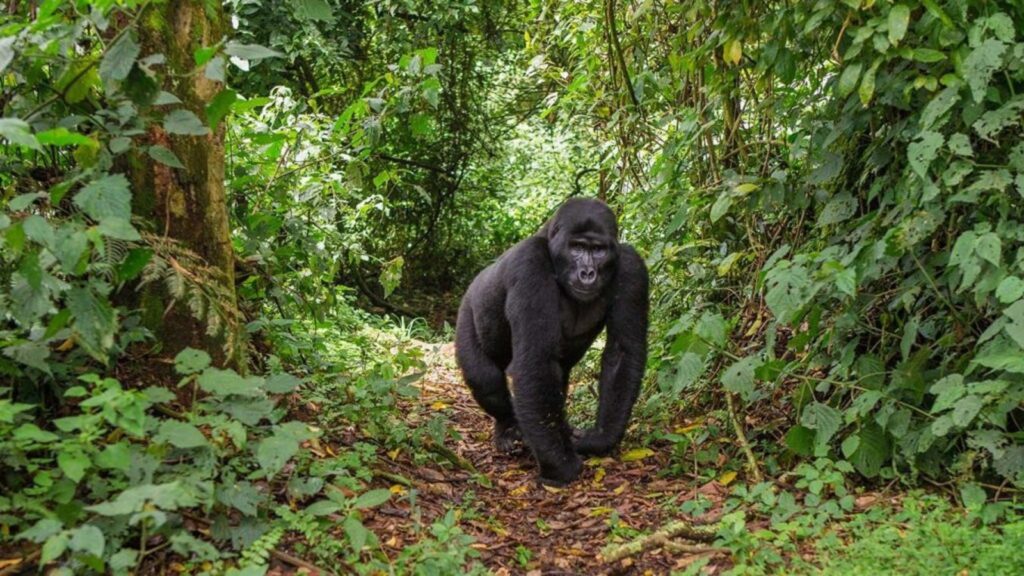
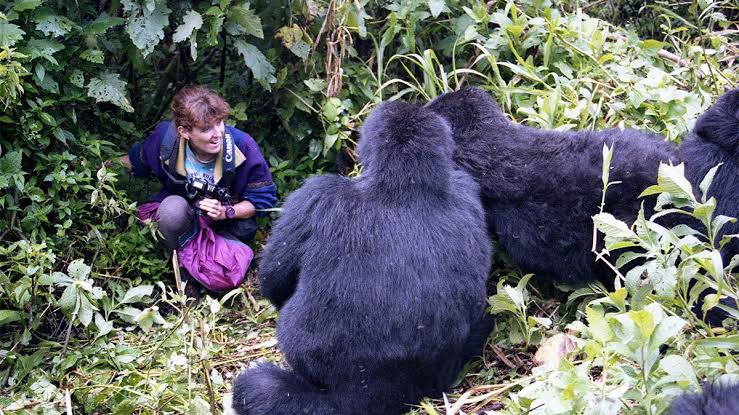
Once the official gorilla viewing period ends, the guide normally leads the group away from the gorilla family.
Visitors should not remain behind or attempt to continue following the animals.
The guide and trackers determine when the group should leave based on park regulations and the conditions of the encounter.
The return journey then begins.
Depending on where the gorillas are located, the return trek may take considerably less time than the journey into the forest, but this is not guaranteed.
The group may need to climb steep slopes, cross muddy trails, or move through dense vegetation before reaching the starting point.
Trekkers should therefore continue following the guide’s instructions until they officially leave the trekking area.
Returning Through the Forest
The return journey gives visitors another opportunity to appreciate the forest environment.
During the trek into the forest, most travelers focus on finding the gorillas.
On the way back, you may have more time to notice birds, butterflies, trees, flowers, insects, and other signs of forest life.
Your guide may also explain features of the ecosystem that you did not notice earlier.
The return journey can therefore become part of the wildlife experience rather than simply a walk back to the vehicle.
However, trekkers should conserve their energy because forest terrain can remain demanding even after the gorilla encounter has ended.
Returning to the Park Headquarters
After leaving the forest, the trekking group eventually returns to the designated meeting point or park headquarters.
The exact arrangement varies between destinations and trekking sectors.
In Uganda, the return point depends on whether you trekked in Buhoma, Ruhija, Rushaga, Nkuringo, Mgahinga, or another designated area.
In Rwanda, trekkers return according to the arrangements for Volcanoes National Park.
The same principle applies in the Democratic Republic of Congo when gorilla tourism operations are active.
Your tour operator or guide will explain where you should meet your driver after the trek.
Receiving Your Gorilla Trekking Certificate
Some gorilla trekking destinations and operators provide certificates or other forms of recognition to visitors after completing the trek.
The exact practice can vary according to the destination, park, and operator.
If you receive a certificate, it can become a memorable souvenir from your gorilla trekking experience.
Travelers should not assume that every trek automatically includes the same certificate or presentation.
If this is important to you, confirm the arrangement with your tour operator before traveling.
Thanking Your Guide and Trekking Team
After the trek, many visitors take the opportunity to thank the people who made the experience possible.
The trekking team may include guides, trackers, rangers, porters, and other park personnel.
Each person can contribute to the success and safety of the experience.
Your guide may have helped locate the gorilla family, explained behavior, interpreted communication, and ensured that visitors followed conservation rules.
Trackers may have followed the animals’ movements before the group arrived.
Porters may have carried luggage and provided assistance on difficult sections of the trail.
Thanking the team is a simple way to acknowledge their work.
Paying Porter Tips
If you hired a porter, you may choose to provide a gratuity after the trek.
Tipping practices vary, and gratuities are generally a personal decision rather than an automatic requirement.
The amount can depend on the level of assistance provided, the difficulty of the trek, and your satisfaction with the service.
Your tour operator can provide current guidance about local tipping customs.
It is useful to carry some local currency or suitable cash if you intend to tip your trekking team.
What Happens to Your Trekking Equipment?
After the trek, you can remove equipment that you no longer need.
Wet jackets, muddy boots, gloves, and trousers may require cleaning or drying.
If you carried camera equipment, check your camera bag for moisture before returning it to your accommodation.
Rain can occur suddenly in mountain gorilla habitats, so protecting electronic equipment remains important even after leaving the forest.
If your boots are muddy, clean them according to your lodge’s facilities and local environmental practices.
Returning to Your Lodge
After completing the trek, most visitors return to their lodge, hotel, or guesthouse.
If your accommodation is close to the park headquarters, the journey may be relatively short.
Other travelers may need a longer road transfer to reach their accommodation.
Once you arrive, a shower and change of clothes can be particularly welcome after several hours in the forest.
Some lodges also prepare meals or packed lunches for trekkers.
It is worth informing your accommodation about your expected return time before the trek.
Eating After Gorilla Trekking
Gorilla trekking can consume significant physical energy.
After returning from the forest, most travelers benefit from a substantial meal and plenty of fluids.
Some lodges provide breakfast before departure and lunch after the trek.
Others may prepare packed meals depending on the itinerary.
Drink enough water throughout the day, particularly after a long trek in warm or humid conditions.
Avoid rushing into another physically demanding activity immediately after returning unless you feel comfortable doing so.
Resting After the Trek
Rest is one of the most important parts of what happens after gorilla trekking.
Even travelers who consider themselves physically fit may feel tired after walking through steep and uneven terrain.
The forest environment can require constant movement around vegetation, rocks, roots, and muddy sections.
After returning to your accommodation, allow yourself time to relax.
A shower, meal, hydration, and short rest can make a significant difference.
If you have another activity scheduled later, consider keeping it relatively relaxed.
Can You Go on Another Safari Activity After Gorilla Trekking?
Yes, but it depends on the duration and difficulty of your trek.
If you finish early and feel energetic, you may have time for a less demanding activity.
However, scheduling another long hike or physically demanding excursion immediately afterward may not be ideal.
Gorilla trekking can take several hours, and the exact finishing time cannot always be predicted.
For this reason, it is generally better to leave some flexibility in your itinerary.
Your tour operator can help determine whether another activity is realistic on the same day.
Can You Travel to Another Destination After Gorilla Trekking?
Traveling to another destination after a gorilla trek is possible.
However, the practicality depends on the distance, road conditions, and time required for the transfer.
For example, travelers completing a trek in Bwindi may continue toward another safari destination such as Queen Elizabeth National Park, Lake Mburo National Park, or another location in Uganda.
Some itineraries schedule the road transfer later in the day, while others allow trekkers to rest overnight before continuing.
The best option depends on your overall safari itinerary.
What If the Trek Takes Longer Than Expected?
Gorilla trekking does not have a guaranteed finishing time.
The gorilla family may move farther into the forest, requiring visitors to walk longer than expected.
Weather and terrain can also affect the pace.
If the trek takes several hours, your planned afternoon activities may need to change.
This is why experienced tour operators leave some flexibility around the gorilla trekking day.
Avoid booking non-refundable activities immediately after the trek unless you have enough time between them.
What Happens to the Gorilla Trekking Permit?
Your gorilla permit authorizes you to participate in the designated gorilla trekking experience.
After the trek, the permit has served its purpose for that visit.
Visitors should keep any permit documentation or related paperwork until they have completed the day’s arrangements, particularly if their tour operator has instructed them to retain it.
The permit is not a general park pass that allows unlimited gorilla viewing.
Gorilla trekking is regulated, and visitors must follow the conditions associated with their permit.
What Happens If You Did Not Get Good Photographs?
It is common for travelers to feel disappointed if forest conditions make photography difficult.
Gorillas may sit behind vegetation, move into shadows, or remain in positions that are difficult to photograph.
This does not mean the trek was unsuccessful.
Wildlife photography always involves uncertainty.
The experience of observing the gorillas directly is more important than obtaining a perfect photograph.
Your guide may also help you understand the behavior you witnessed, which can make the encounter more meaningful than photographs alone.
What If You Did Not See the Gorillas Clearly?
Occasionally, vegetation, lighting, weather, or the position of the gorillas can make viewing challenging.
Guides and trackers work to provide the best possible observation opportunity while respecting the animals.
Visitors should avoid demanding that the gorillas be approached more closely.
The welfare of the animals comes first.
If visibility was limited, speak with your guide or tour operator afterward if you have questions about the encounter.
How Do You Feel After Gorilla Trekking?
Many visitors describe a mixture of excitement, exhaustion, and appreciation after completing a gorilla trek.
The physical effort can leave you tired, particularly after a demanding hike.
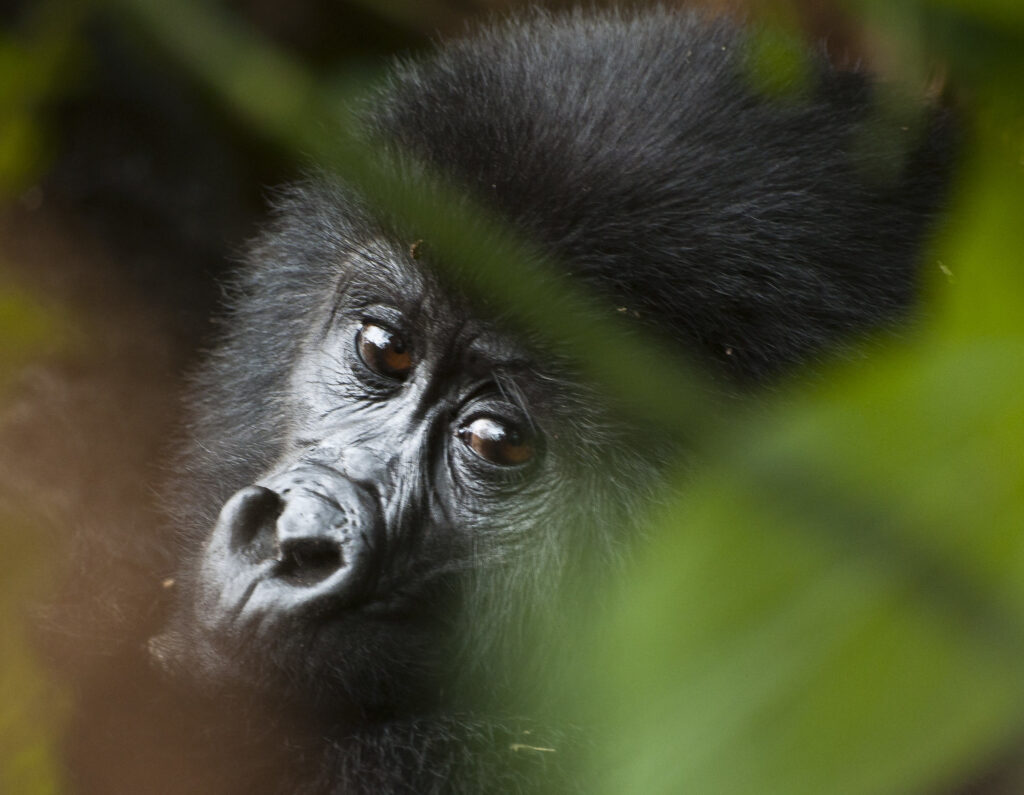
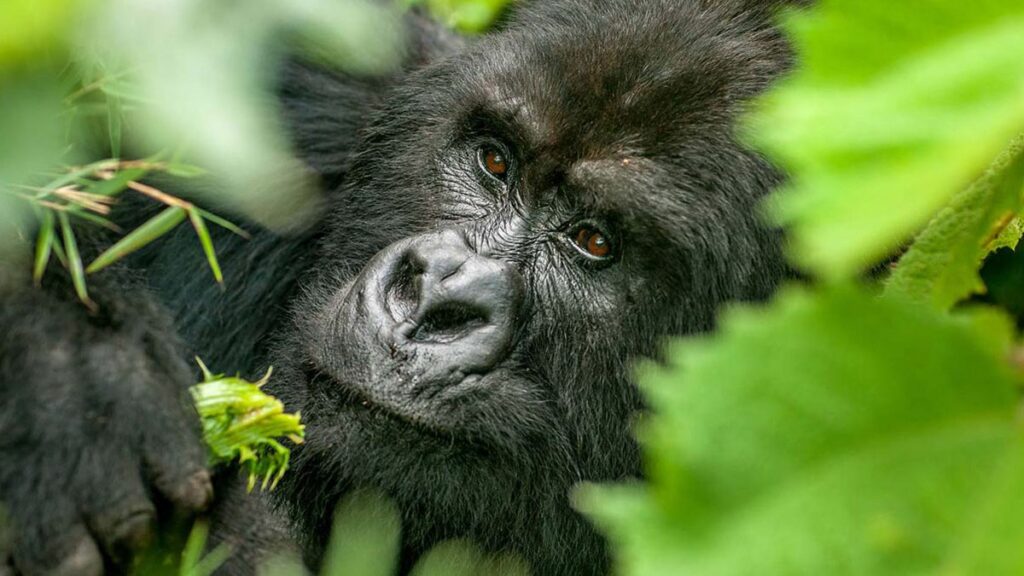
At the same time, seeing mountain gorillas in their natural habitat can create a powerful emotional experience.
Some travelers spend the rest of the day discussing individual gorillas they observed, reviewing photographs, or learning more about the family they visited.
The post-trek period is therefore often part of the memory-making process.
Reviewing Your Gorilla Photographs
Once you return to your accommodation, you can review the photographs taken during the trek.
This is a good opportunity to identify your favorite images and check whether important files were saved correctly.
If you used multiple memory cards, keep them in a safe place.
Back up important photographs whenever possible.
Cloud storage may be difficult in remote areas because internet connections can be limited, so carrying an additional storage option can be useful.
Do not delete photographs immediately simply because they appear dark or poorly framed on a small camera screen.
Some images may look better when viewed on a larger display.
Reflecting on the Gorilla Experience
After the physical demands of the trek have passed, many visitors find time to reflect on what they experienced.
You may remember a particular silverback, a playful juvenile, a mother caring for an infant, or an unexpected encounter along the trail.
These individual moments often become the highlights of the safari.
The experience also provides an opportunity to think about the importance of mountain gorilla conservation.
Tourism contributes to conservation programs and local economies, helping create incentives to protect gorilla habitats.
Leaving the Gorilla Trekking Area
After resting, eating, and completing any necessary arrangements, travelers can continue with their safari itinerary.
Some return to their lodge for the evening.
Others begin a road transfer to another destination.
Your driver or guide should confirm the next stage of your itinerary before you leave the trekking area.
Make sure you have all your belongings, including your phone, camera, water bottle, walking stick, jacket, and other equipment.
Evening After Gorilla Trekking
The evening after a gorilla trek is usually a good time to relax.
Many travelers prefer a quiet dinner and an early night.
Your body may need recovery after several hours of hiking.
If you are staying at a lodge, take advantage of the opportunity to rest and organize your belongings.
You can also review your photographs, write notes about the experience, or speak with other travelers about their treks.
The following morning, you can continue your safari feeling more rested.
Health and Recovery After Gorilla Trekking
Most healthy travelers recover naturally after a normal trek.
Hydration, food, rest, and comfortable clothing can help reduce fatigue.
If you experience unusual or severe symptoms after the trek, seek appropriate medical assistance rather than assuming that they are simply caused by tiredness.
Travelers should also inform their tour operator if they become ill after the trek, particularly because gorillas are vulnerable to human-transmitted illnesses.
Responsible tourism continues even after leaving the forest.
Frequently Asked Questions
What happens immediately after gorilla trekking?
Visitors normally leave the gorilla family with their guide and return through the forest toward the designated meeting point or park headquarters.
Do you return to the park headquarters after trekking?
In most cases, the trekking group returns to the designated starting or meeting area, although the exact arrangement varies by park and trekking sector.
Do you get a certificate after gorilla trekking?
Some destinations or operators may provide certificates or other recognition, but this is not necessarily identical everywhere. Confirm with your tour operator.
Should I tip my gorilla trekking guide?
Tipping is generally a personal choice. Many travelers choose to tip guides, trackers, porters, or other members of the trekking team when they are satisfied with the service.
Can I go on another activity after gorilla trekking?
You can, but consider the trek’s duration and physical difficulty. A relaxed activity is usually more practical than another demanding hike.
Can I travel to another park after gorilla trekking?
Yes. Many Uganda safari itineraries combine gorilla trekking with destinations such as Queen Elizabeth National Park or Lake Mburo National Park. Allow sufficient time for the road transfer.
What should I eat after gorilla trekking?
A nutritious meal and adequate fluids can help you recover after a physically demanding trek. Your lodge may provide a meal or packed lunch.
Should I rest after gorilla trekking?
Yes. Rest is particularly useful after a long or difficult trek.
What happens if the trek takes longer than expected?
Your return time may change because gorillas move naturally through the forest. Flexible itineraries work best on gorilla trekking days.
Can I shower after gorilla trekking?
Yes. Most travelers return to their accommodation after the trek, where they can shower, change clothes, eat, and rest.
Conclusion
Understanding what happens after gorilla trekking helps travelers plan the rest of their safari more effectively. Once the gorilla viewing period ends, visitors leave the family with their guide and begin the return journey through the forest.
After reaching the designated meeting point, travelers may thank their trekking team, arrange porter gratuities, return to their accommodation, eat, hydrate, shower, and rest.
Some visitors continue to another safari destination, while others spend the afternoon or evening relaxing after the physical demands of the trek.
The most important thing is to leave enough flexibility in your schedule. Gorilla trekking does not have a guaranteed finishing time because the animals determine the route and the duration of the hike.
After the trek, take time to appreciate the experience. Review your photographs, remember the individual gorillas you encountered, and recognize the conservation effort behind the experience.
The trek may end when you leave the forest, but the memories of encountering mountain gorillas can remain one of the most remarkable parts of your African safari.