Gorilla Trekking Certificate: Do You Get a Certificate After Gorilla Trekking?
A gorilla trekking certificate can be a memorable keepsake for travelers who complete a mountain gorilla trekking experience in Uganda, Rwanda, or the Democratic Republic of Congo. After spending hours hiking through a tropical forest and observing endangered mountain gorillas in their natural habitat, many visitors want something tangible to remember the experience.
However, travelers often have questions about how gorilla trekking certificates work. Is a certificate automatically provided? Who issues it? Does every park provide one? Is it included in the cost of the gorilla permit? Can you request one if you do not receive it?
The answer can depend on the destination, park, tourism operator, and current procedures. A certificate should therefore be viewed as a possible souvenir or recognition of the experience rather than assuming that every gorilla trek includes an identical official certificate.
The real value of gorilla trekking comes from the encounter itself. The certificate, where available, simply provides an additional reminder of the experience.
What Is a Gorilla Trekking Certificate?
A gorilla trekking certificate is a document or souvenir that recognizes a visitor’s participation in a mountain gorilla trekking experience.
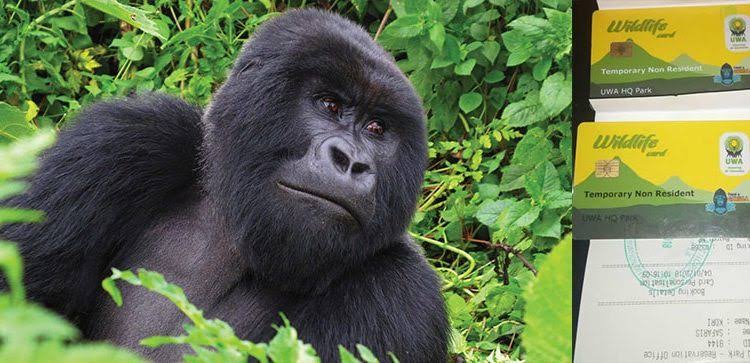
It may contain information relating to the trekking experience, such as the destination, date, or gorilla family visited, depending on who provides it.
The exact design and information can vary.
Some certificates may have a formal appearance, while others may function primarily as a souvenir for travelers.
Visitors should not confuse a gorilla trekking certificate with a gorilla permit.
A permit is the official authorization required to participate in gorilla trekking.
A certificate, when provided, is generally a record or keepsake associated with completing the experience.
Is a Gorilla Trekking Certificate Official?
The meaning of a gorilla trekking certificate depends on the organization that issues it.
Travelers should distinguish between official documentation provided by a park or tourism authority and a souvenir certificate provided by a tour operator or another organization.
A certificate does not replace a gorilla permit.
It also does not provide permission to enter a national park or participate in another gorilla trek.
If you receive a certificate, keep it as a souvenir rather than treating it as a travel authorization document.
Do You Get a Certificate After Gorilla Trekking?
Not every destination or operator necessarily follows the same certificate procedure.
Some travelers may receive a certificate after completing their gorilla trekking experience, while others may not.
The availability can depend on the current practices of the park, tourism authority, or tour operator.
If receiving a certificate is important to you, ask your tour operator before the trekking date.
This prevents disappointment and allows you to understand exactly what is included in your package.
Gorilla Trekking Certificate in Uganda
Uganda is one of the world’s leading destinations for mountain gorilla trekking.
The main trekking destinations are Bwindi Impenetrable National Park and Mgahinga Gorilla National Park.
Visitors normally obtain a gorilla permit before participating in the trek.
Whether a separate certificate is provided can depend on the arrangements in place at the time of your visit.
Travelers should therefore confirm the current practice with their tour operator or the relevant tourism authorities rather than assuming that every Ugandan trek includes a certificate.
Gorilla Trekking Certificate in Rwanda
Rwanda’s mountain gorilla trekking takes place in Volcanoes National Park.
The destination is well known for its organized gorilla tourism system and high-quality visitor infrastructure.
As with Uganda, travelers should confirm the current arrangements if they specifically want a certificate after their trek.
A certificate, where provided, should be treated as a souvenir recognizing the experience rather than as a substitute for the official gorilla permit.
Gorilla Trekking Certificate in Congo
The Democratic Republic of Congo offers mountain gorilla trekking in Virunga National Park when tourism operations are active.
Certificate practices can vary according to the current tourism arrangements.
Travelers planning a trek should confirm the documentation and souvenirs included in their package before departure.
Because tourism operations can change, current information from the relevant park authorities or experienced local operators is particularly important.
Gorilla Permit vs Gorilla Trekking Certificate
A common source of confusion is the difference between a gorilla permit and a certificate.
A gorilla permit is required to participate in the regulated gorilla trekking experience. It is connected to the date, destination, and visitor authorization.
A gorilla trekking certificate is generally a recognition document or souvenir associated with the experience when one is provided.
The two documents serve different purposes.
A certificate cannot be used instead of a permit.
Travelers should also understand that paying for a gorilla permit does not necessarily mean that a separate certificate is automatically included.
What Information Can Appear on a Gorilla Certificate?
The information displayed can vary depending on the issuing organization.
A certificate may include details such as the visitor’s name, trekking destination, date of the experience, or other information associated with the trek.
Some certificates may also mention the gorilla family encountered.
However, travelers should not assume that every certificate contains the same information.
If you want your certificate to include a particular detail, ask the issuing organization whether this is possible.
Does the Certificate Show the Gorilla Family You Visited?
It may, depending on the certificate and the organization providing it.
This can make the certificate more meaningful because visitors can associate it with the particular gorilla family they encountered.
However, not every certificate necessarily records the family name.
Gorilla family assignments can also depend on current park arrangements and conservation considerations.
If the family name is important to you, record it separately in your travel notes or photographs.
Is the Certificate Included in the Gorilla Permit Price?
Travelers should not automatically assume that a certificate is included in the gorilla permit price.
The gorilla permit covers the regulated trekking experience according to the applicable conditions.
Any additional certificate or souvenir may be handled separately.
Your tour operator should explain what is included in your safari package.
Ask specifically whether a certificate is provided if you want to receive one.
When Do You Receive a Gorilla Trekking Certificate?
If a certificate is provided, it may be presented after the trek or made available through the organization responsible for the experience.
The timing can vary.
Some travelers may receive recognition immediately after returning from the forest, while other arrangements may differ.
Your guide or tour operator can explain the procedure on the day of your trek.
Can You Request a Gorilla Trekking Certificate?
If you complete your trek and do not receive a certificate, you can ask your tour operator whether one is available.
The operator can tell you whether the park or tourism authority provides certificates and whether there is a procedure for obtaining one.
Do not assume that the absence of a certificate means that your trek was incomplete.
The official evidence of your participation is connected to the permit and park records rather than a souvenir certificate.
What If You Lose Your Certificate?
If your certificate is lost, contact the organization that issued it.
Whether a replacement can be provided depends on the issuer and its records.
If the certificate contains your name and trekking details, providing your travel date and other information may help the organization identify your record.
For valuable travel documents and souvenirs, it is always a good idea to keep a digital photograph or scan.
Is a Gorilla Certificate Worth Keeping?
Yes, particularly if you enjoy collecting travel souvenirs.
A certificate can remind you of the date and destination of your gorilla trek.
It can also become a useful addition to a travel scrapbook, wildlife journal, or collection of safari memories.
However, the certificate should not be considered the main achievement.
The experience of observing mountain gorillas in their natural habitat is far more significant than the document itself.
How to Preserve Your Certificate
If you receive a paper certificate, protect it from moisture and excessive folding.
Mountain gorilla destinations can have humid and rainy conditions, so keep the document in a waterproof folder or plastic sleeve during your travels.
After returning home, you can frame it or store it with your other important travel memorabilia.
Taking a high-quality photograph or scan is also useful as a backup.
Can You Frame a Gorilla Trekking Certificate?
Absolutely.
Many travelers choose to frame meaningful safari certificates alongside photographs from their trip.
A framed certificate can become a simple reminder of the gorilla encounter.
You could combine it with a photograph of the forest, a gorilla family, or the trekking destination.
However, make sure any photograph you use respects applicable photography and copyright considerations.
Gorilla Trekking Certificate as a Travel Souvenir
Gorilla trekking certificates can be particularly meaningful because the experience is limited to a small number of visitors each day.
The certificate can serve as a physical reminder of a rare wildlife encounter.
It may also help travelers remember details that could otherwise fade over time, particularly when combined with photographs and personal notes.
A good travel journal can record the trekking date, sector, gorilla family, guide’s name, and memorable observations.
Should You Expect a Certificate on Your Trek?
It is better not to make the certificate the focus of your expectations.
Gorilla trekking is primarily a conservation-based wildlife experience.
The main objectives are to observe mountain gorillas responsibly, follow park rules, support conservation, and contribute to local communities through tourism.
A certificate is an additional souvenir if available.
Before your trip, confirm with your tour operator whether one is included.
This allows you to arrive with realistic expectations.
What Happens After Gorilla Trekking?
After the official gorilla viewing period ends, the guide leads the group away from the gorilla family.
Visitors return through the forest to the designated meeting point or park headquarters.
Depending on local arrangements, travelers may then complete any post-trek procedures, thank their guides and porters, and return to their accommodation.
If a certificate is available, this may be the appropriate time to receive it.
Visitors can then rest, eat, rehydrate, review photographs, and continue with their safari itinerary.
Other Ways to Remember Your Gorilla Trek
A certificate is only one way to preserve memories of a gorilla trek.
Photographs can capture the environment, gorilla behavior, and memorable moments from the experience.
Travelers can also keep a written journal describing the gorilla family, trekking route, weather, and observations.
Some visitors purchase locally made crafts or other appropriate souvenirs that support communities near the gorilla habitat.
Combining several memories can create a much more meaningful record than relying on a certificate alone.
Frequently Asked Questions
What is a gorilla trekking certificate?
It is a document or souvenir that may recognize a visitor’s participation in a mountain gorilla trekking experience.
Is a gorilla trekking certificate the same as a permit?
No. A gorilla permit authorizes participation in the regulated trekking experience, while a certificate is generally a recognition document or souvenir.
Do all gorilla trekkers receive a certificate?
Not necessarily. Certificate practices can vary between destinations, parks, and tourism operators.
Do you get a certificate in Uganda?
Certificate arrangements can vary. Travelers should confirm current procedures with their tour operator or the relevant tourism authority.
Do you get a certificate in Rwanda?
The availability and format can vary. Ask your tour operator about the current arrangements before your trek.
Is the certificate included in the gorilla permit price?
Do not assume that it is. Confirm what is included in your gorilla trekking package.
Can I request a certificate?
You can ask your tour operator whether a certificate is available and whether it can be provided after your trek.
Does the certificate show the gorilla family?
It may, depending on the issuing organization. Keep your own record of the gorilla family you visited as well.
Can I frame my gorilla trekking certificate?
Yes. Many travelers frame meaningful safari documents as souvenirs.
What should I do if I lose my certificate?
Contact the organization that issued it and provide your trekking date and other relevant details. A replacement may or may not be possible.
Conclusion
A gorilla trekking certificate can be a wonderful souvenir after an unforgettable encounter with mountain gorillas. However, travelers should understand that certificate practices can vary between Uganda, Rwanda, the Democratic Republic of Congo, parks, and tour operators.
The certificate should not be confused with the gorilla permit. The permit is the official authorization for the trekking experience, while a certificate is generally intended as recognition or a keepsake when provided.
If receiving a certificate is important to you, ask your tour operator before the trek whether one is available and what information it contains.
Even without a certificate, you can preserve your experience through photographs, travel notes, and responsible souvenirs.
Ultimately, the most valuable reminder of a gorilla trek is the experience itself: walking through the forest, observing mountain gorillas behaving naturally, and contributing through responsible tourism to the protection of one of the world’s most remarkable wildlife species.