Gorilla Trekking Departure Briefing: What to Expect Before Entering the Forest
A gorilla trekking departure briefing is an important part of the mountain gorilla trekking experience. Before visitors enter the forest, park officials, guides, or tourism staff provide essential information about the trek, gorilla conservation, visitor safety, and responsible behavior around the animals.
The briefing normally takes place at or near the designated park headquarters or trekking assembly point. Travelers receive instructions about what to expect during the hike, how to behave around mountain gorillas, and how to follow the guide’s directions throughout the experience.
For first-time trekkers, the departure briefing can answer many practical questions. Visitors learn where the trek begins, how trekking groups are organized, what equipment they should carry, and what rules apply once they encounter the gorillas.
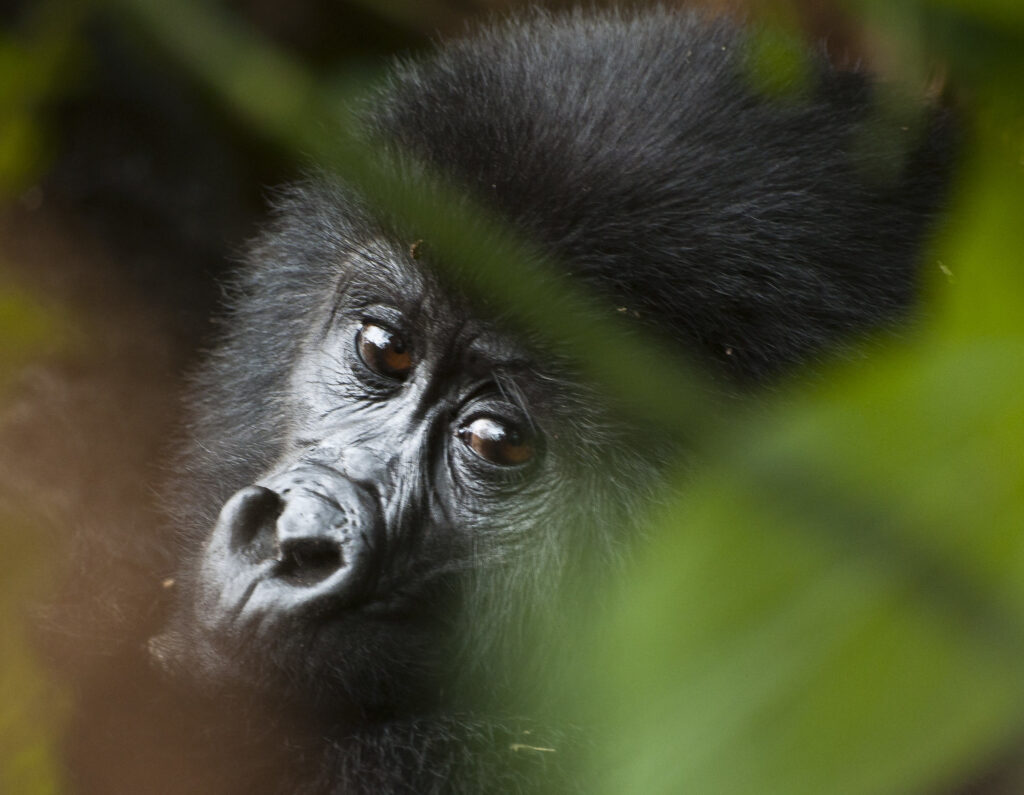
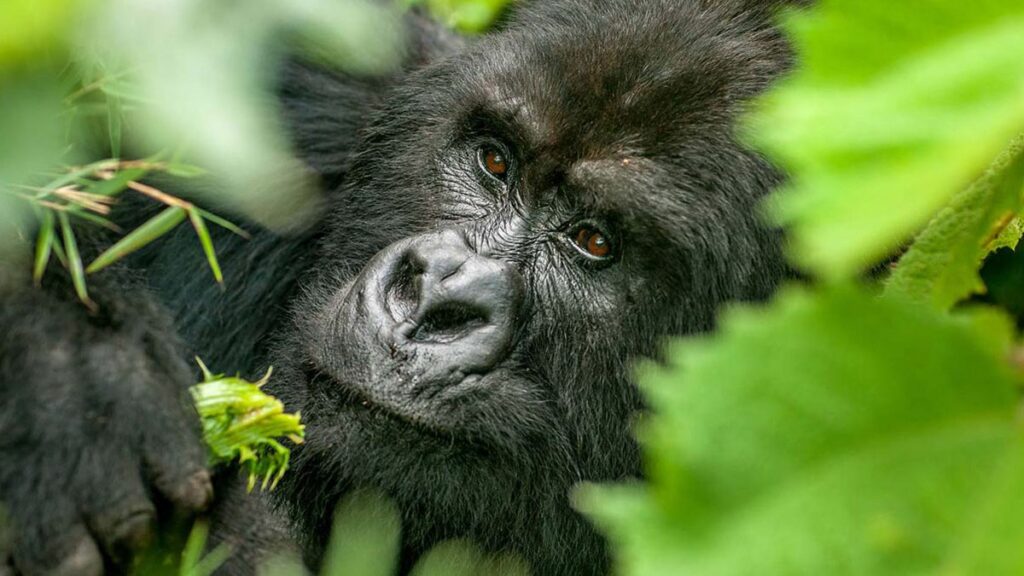
The briefing also reinforces the importance of protecting endangered mountain gorillas. These animals remain vulnerable to human-borne diseases and disturbance, so responsible visitor behavior plays an important role in conservation.
Understanding the gorilla trekking departure briefing before your safari can help you arrive prepared, relaxed, and ready for the forest adventure.
What Is a Gorilla Trekking Departure Briefing?
A gorilla trekking departure briefing is a pre-trek orientation provided before visitors begin their hike to find a habituated mountain gorilla family.
The briefing introduces travelers to the day’s trekking arrangements and explains important rules that must be followed inside the forest.
Guides may explain how the trekking group will move through the forest, how visitors should behave when gorillas are encountered, and what to do if conditions change during the trek.
The briefing also provides an opportunity for travelers to ask questions before departure.
Because gorilla trekking takes place in remote and mountainous environments, understanding the instructions before leaving the headquarters is essential.
The exact format and duration of the briefing can vary between Uganda, Rwanda, and the Democratic Republic of Congo and between individual trekking sectors.
Where Does the Departure Briefing Take Place?
The briefing generally takes place at the designated gorilla trekking headquarters or assembly point.
In Uganda, travelers trekking in Bwindi Impenetrable National Park normally report to the headquarters of their allocated trekking sector. The specific location depends on whether the trek takes place in Buhoma, Ruhija, Rushaga, Nkuringo, or another operational area.
Visitors trekking in Mgahinga Gorilla National Park also report to the designated park headquarters before departure.
In Rwanda, gorilla trekking visitors normally gather at the Volcanoes National Park tourism or park briefing area before being assigned to their trekking groups.
The arrangements can change, so travelers should follow the instructions provided by their tour operator and park authorities.
What Time Should You Arrive for the Briefing?
Travelers should arrive early enough to complete registration and prepare before the trek begins.
The exact reporting time depends on the park, sector, and current operational instructions.
Your tour operator should provide the correct arrival time for your particular trek.
Arriving early gives you time to organize your backpack, use restroom facilities, adjust your clothing, meet your guide, and prepare for the day’s hike.
Late arrival can create unnecessary stress and may interfere with the organization of trekking groups.
For this reason, it is better to stay near the trekking headquarters the night before when practical, particularly if you are unfamiliar with the area.
What Happens During the Gorilla Trekking Departure Briefing?
The briefing usually covers several important areas.
Visitors may receive information about the gorilla family they are expected to visit, trekking procedures, conservation rules, safety requirements, and expected forest conditions.
The guide may also explain how visitors should behave once they reach the gorillas.
Travelers should listen carefully because some instructions are directly related to gorilla welfare and visitor safety.
The briefing is not simply a formality. It prepares visitors for an encounter with wild animals in their natural environment.
Introduction to the Gorilla Family
Depending on the destination and operational arrangements, visitors may receive basic information about the gorilla family they are scheduled to track.
The guide may provide information about the family’s name, approximate composition, and general history.
Travelers may learn about notable silverbacks, females, juveniles, or infants within the family.
The exact information available can vary because gorilla groups change naturally over time.
Births, deaths, transfers, leadership changes, and group splits can alter the composition of a family.
The briefing therefore gives visitors useful background without guaranteeing that every individual will be encountered.
Explanation of Trekking Routes
Guides may explain the general direction or nature of the day’s trek.
However, gorilla trekking routes cannot always be predicted precisely.
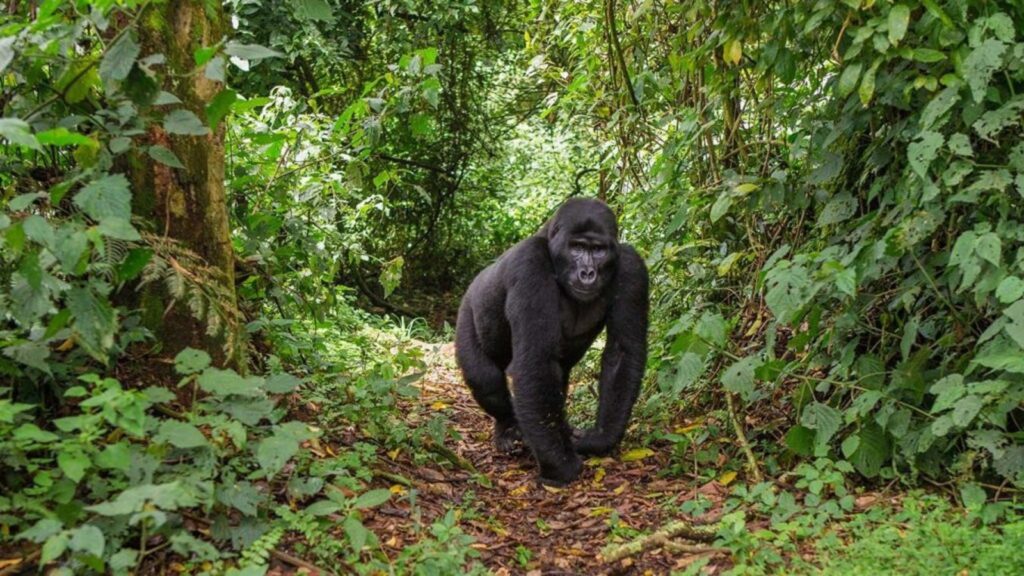
Trackers may locate the gorilla family before visitors begin moving into the forest and communicate its approximate location to the trekking team.
The route may then change according to the gorillas’ movements.
This is one reason why travelers should prepare for both short and demanding treks.
A family that was relatively close to the previous day’s starting point may move farther into the forest before your visit.
Gorilla Trekking Group Allocation
Visitors are normally organized into trekking groups before departure.
The number of people in a trekking group is controlled under gorilla tourism regulations and conservation guidelines.
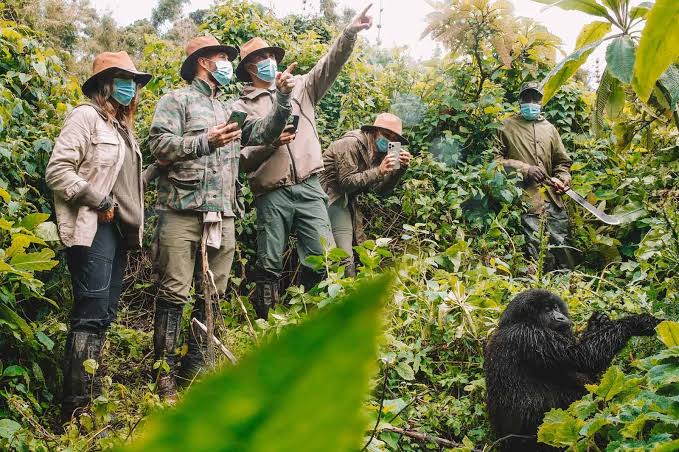
The guide may introduce the group leader, trackers, porters, and other members of the team.
Travelers should remain with their assigned group throughout the trek.
If you have specific mobility concerns, communicate them before departure.
This gives the guide and trekking team an opportunity to understand your needs and determine appropriate support.
Conservation Rules Explained During the Briefing
Conservation rules are among the most important parts of the departure briefing.
Visitors are expected to maintain appropriate behavior around gorillas and avoid actions that could disturb them.
The guide may explain the required distance from the animals, restrictions on touching gorillas, photography rules, and appropriate noise levels.
Visitors must follow these instructions throughout the encounter.
The purpose is to protect both gorillas and humans.
Mountain gorillas are habituated to controlled human presence, but they remain wild animals that require respectful treatment.
Maintaining a Safe Distance From Gorillas
One of the most important instructions concerns maintaining the required distance from the gorillas.
Visitors should not deliberately move closer to an animal to obtain a better photograph.
Gorillas may sometimes approach visitors on their own.
If this happens, travelers should remain calm and follow the guide’s instructions.
The guide may instruct visitors to remain still, adjust their position, or avoid direct interaction.
The objective is to minimize unnecessary disturbance while allowing the gorillas to continue their natural behavior.
Gorilla Eye Contact and Body Language
Guides may also explain how visitors should behave when gorillas look toward them.
Travelers should avoid prolonged direct staring and should follow the guide’s instructions regarding body language.
Do not attempt to imitate gorilla vocalizations, gestures, or displays.
Do not beat your chest or make sudden movements to attract an animal’s attention.
The safest approach is to remain calm, quiet, and observant.
Understanding basic gorilla body language can help visitors appreciate the encounter without accidentally creating unnecessary tension.
What to Do if a Gorilla Approaches
A gorilla may sometimes move closer to the visitors.
This can happen naturally as an animal travels through the forest.
Visitors should not panic.
Do not run away, reach toward the animal, or attempt to touch it.
Instead, remain calm and follow the guide’s instructions.
The guide has experience interpreting gorilla behavior and will tell the group what to do.
This is one of the reasons travelers should pay close attention during the departure briefing.
Photography Rules
Photography is an important part of most gorilla trekking experiences.
During the briefing, guides may remind visitors about appropriate photography behavior.
Flash photography should not be used around mountain gorillas.
Visitors should also avoid moving toward the animals simply to obtain a closer photograph.
Large camera equipment should be handled carefully because forest trails can be steep, muddy, and crowded with vegetation.
Photographers should prioritize the welfare of the animals over obtaining a particular image.
What to Do About Food and Water
Travelers should carry enough drinking water for the trek.
The amount required depends on the duration and difficulty of the hike.
Food should be handled according to park regulations and should not be consumed close to the gorillas.
Visitors should never feed gorillas.
Food scraps and litter must not be left in the forest.
A reusable water bottle and a small backpack can help travelers stay prepared while minimizing unnecessary waste.
What to Wear for Gorilla Trekking
The departure briefing is also a good time to make final adjustments to your clothing.
Sturdy hiking boots with good grip are highly recommended.
Long trousers and long-sleeved clothing can provide protection from vegetation and insects.
A waterproof jacket is useful because rain can occur even when the morning begins with clear weather.
Gardening gloves can also protect your hands when moving through vegetation.
Travelers should avoid carrying unnecessary items because every extra kilogram can become tiring during a long trek.
Hiring a Porter Before Departure
Travelers can usually arrange porter services around major gorilla trekking areas.
A porter can carry your backpack, water, camera equipment, and other belongings.
They can also provide physical assistance on difficult sections of the trail.
Hiring a porter can be especially useful for travelers carrying heavy photography equipment or anyone who wants additional support during the hike.
Porter services also provide income opportunities for local community members.
If you want a porter, arrange this before the trekking group leaves the headquarters.
What Travelers With Mobility Concerns Should Do
Visitors with mobility concerns should communicate their needs before departure.
Do not wait until the trek becomes difficult before telling the guide that you need assistance.
Uganda has developed assisted trekking options in some gorilla tourism areas, including sedan chair services for travelers who cannot comfortably walk through difficult terrain.
Such arrangements need advance planning.
The availability and suitability of assistance should be confirmed with the tour operator before the trekking date.
Health and Disease Prevention
Disease prevention is an important part of gorilla tourism.
Humans can transmit certain respiratory illnesses and other infections to mountain gorillas.
Visitors who are sick should inform their tour operator and park authorities rather than attempting to hide their symptoms.
The trekking team may provide specific instructions regarding illness and visitor participation.
Travelers should also follow current health requirements and park regulations.
These measures protect the gorillas as well as other visitors.
What Happens After the Briefing?
Once the briefing is complete, the trekking team prepares to enter the forest.
The group may walk from the headquarters or travel a short distance to the appropriate trailhead depending on the trekking sector.
Trackers may already be monitoring the gorilla family.
The guide coordinates the group and communicates with trackers during the trek.
The hike then continues according to the location of the gorillas.
The timing of the encounter cannot be predicted precisely because the animals determine where the group will be found.
How Long Does the Gorilla Trek Take?
There is no fixed duration for every gorilla trek.
Some visitors may find their assigned family relatively quickly.
Others may spend several hours walking through the forest.
The terrain, weather, gorilla movements, and starting location all influence the duration.
This uncertainty is why travelers should avoid scheduling another important activity immediately after the trek.
Allowing plenty of time creates a more relaxed experience.
What Happens When You Find the Gorillas?
Once the trackers locate the gorilla family, visitors normally receive additional instructions.
The guide positions the group according to the conditions in the forest.
Visitors must follow the required rules regarding distance, noise, movement, and photography.
The official gorilla viewing period is limited under conservation regulations.
The guide will indicate when the encounter begins and when the group must leave.
Travelers should make the most of the experience by observing the animals rather than concentrating entirely on their cameras.
Why the Departure Briefing Matters
The gorilla trekking departure briefing prepares visitors for an experience that is very different from an ordinary wildlife safari.
A vehicle-based safari allows travelers to observe animals from a relatively controlled environment.
Gorilla trekking involves walking through a natural forest environment and eventually observing animals at close range.
The briefing helps visitors understand how to behave in this setting.
It protects travelers from avoidable mistakes and reinforces conservation principles.
Listening carefully can make the entire experience safer and more enjoyable.
Tips for a Smooth Gorilla Trekking Departure
Arrive early and follow the reporting instructions provided by your tour operator.
Wear appropriate hiking clothing before arriving at the headquarters.
Carry enough drinking water and keep your backpack as light as possible.
Arrange a porter in advance if you need one.
Keep your camera and other electronics protected from rain.
Listen carefully to every instruction during the briefing.
Tell the guide about mobility or other practical concerns before departure.
Most importantly, remain flexible.
The gorillas determine the route, not the visitors.
Frequently Asked Questions
What is a gorilla trekking departure briefing?
It is a pre-trek orientation where guides or park staff explain the day’s trekking arrangements, safety procedures, gorilla conservation rules, and visitor behavior requirements.
Where does the departure briefing take place?
It normally takes place at the designated park headquarters or trekking assembly point for the relevant trekking sector.
How early should I arrive?
Follow the reporting time provided by your tour operator or park authorities. Arriving early gives you enough time to register, prepare, and receive instructions without rushing.
Is the departure briefing mandatory?
Travelers should follow the park’s instructions and participate in the required pre-trek orientation before entering the forest.
What should I bring to the briefing?
Bring the essentials for the trek, including water, appropriate clothing, hiking boots, a small backpack, and camera equipment if required.
Can I hire a porter after the briefing?
Porter arrangements should preferably be made before departure so that the trekking team can be organized properly.
What happens if I am not physically fit?
Tell your tour operator and guide before the trek. They may be able to advise you about suitable arrangements or available assistance.
Can I take photographs during the trek?
Yes, photography is generally allowed, but visitors must follow the guide’s instructions and applicable park rules. Flash should not be used around gorillas.
What if a gorilla comes close to me?
Remain calm and follow the guide’s instructions. Do not attempt to touch the gorilla or move toward it.
How long does the trek last after the briefing?
The duration varies according to the location of the gorilla family, terrain, weather, and gorilla movements. Some treks are shorter while others can take several hours.
Conclusion
A gorilla trekking departure briefing is much more than a routine meeting before a hike. It prepares travelers for the practical, safety, and conservation requirements of entering the mountain gorilla habitat.
During the briefing, visitors learn about trekking arrangements, gorilla behavior, photography, health precautions, group procedures, and responsible wildlife viewing.
Travelers should arrive early, listen carefully, ask questions when necessary, and inform the guide about any physical or mobility concerns.
The most important lesson is to remain flexible. Mountain gorillas move naturally through the forest, so the route and duration of the trek cannot always be predicted.
By following the departure briefing and respecting the instructions of the trekking team, visitors can enjoy a safer and more rewarding encounter while helping protect the endangered mountain gorillas that make this experience possible.