Toilet Facilities During Gorilla Trekking in the Forest
Toilet facilities in the gorilla trekking forest are an important topic for travelers preparing for a mountain gorilla trekking adventure in Uganda, Rwanda, or the Democratic Republic of Congo. Unlike conventional tourist attractions, gorilla trekking takes place in remote forests where permanent toilets are generally not available along the trails.
Visitors can normally use restroom facilities before entering the forest, particularly at the park headquarters or trekking starting point. Once the trek begins, however, access to conventional toilet facilities becomes very limited.
This does not mean that travelers cannot manage their needs during a long trek. Guides and trackers understand that visitors may need to use the toilet during the hike and can advise them on appropriate procedures.
Understanding the situation before trekking helps visitors feel more comfortable and prepared.
Are There Toilets in the Gorilla Trekking Forest?
Permanent toilet facilities are generally not available deep inside the gorilla trekking forest.
The habitat is a protected natural environment, and constructing conventional toilet blocks throughout the forest would affect the ecosystem and create unnecessary environmental disturbance.
Visitors should therefore use the restroom at the trekking headquarters or starting point before entering the forest.
If someone needs to use the toilet during the trek, they should inform the guide rather than attempting to handle the situation alone.
Use the Toilet Before Starting the Trek
One of the simplest ways to avoid discomfort is to use the restroom before leaving the headquarters.
Most visitors have an opportunity to do this during registration and before the pre-trek briefing.
Take advantage of the facilities even if you do not feel an immediate need to go.
Gorilla trekking can last several hours, and the distance from the starting point to the gorilla family can vary considerably.
Starting the trek with an empty bladder can make the experience more comfortable.
What Happens If You Need the Toilet During the Trek?
If you need to use the toilet after entering the forest, tell your guide quietly.
Do not leave the group without permission.
The guide can identify a suitable location away from the gorillas and other visitors.
You may be asked to move away from the main trail or observation area to maintain privacy and minimize environmental impact.
Always follow the guide’s instructions.
Never Wander Away Alone
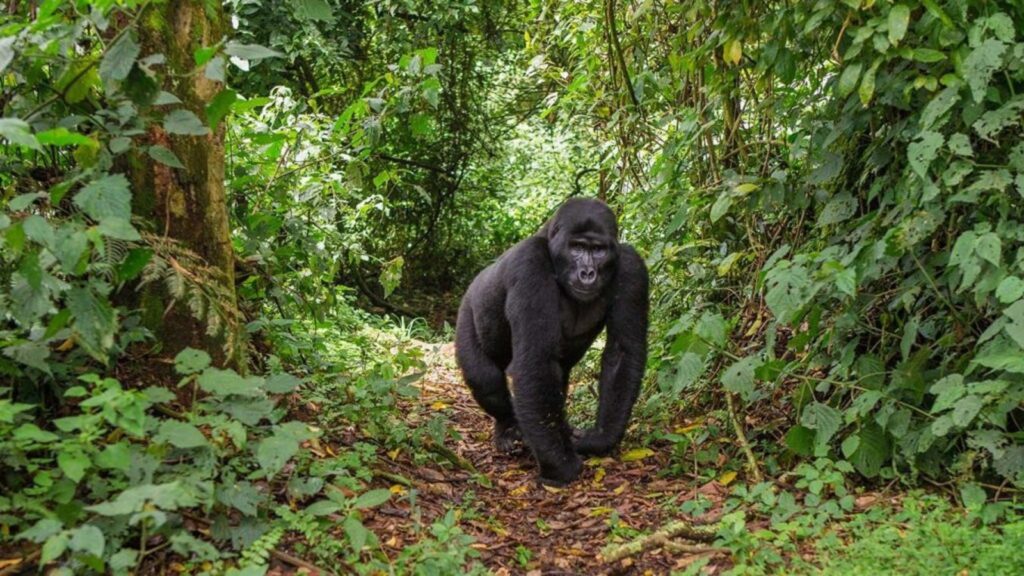
The forest can be dense, steep, and difficult to navigate.
Visitors should never walk away from the group alone simply because they need to use the toilet.
There may also be wildlife, slippery ground, thick vegetation, and other hazards.
Your guide knows the area and can help you find a safer and more appropriate location.
Staying with the group also prevents visitors from becoming lost.
How Is Human Waste Managed?
When a visitor needs to relieve themselves in the forest, the guide can advise on the appropriate method based on the park’s current sanitation procedures.
Where necessary, visitors may be expected to dig a small hole in suitable soil and cover it properly afterward.
However, procedures can vary by destination and current park regulations.
Travelers should always follow the instructions provided by park staff rather than relying on general internet advice.
Why Waste Management Matters
Gorilla trekking takes place in an environmentally sensitive habitat.
Human waste can introduce pathogens into the environment and create sanitation problems if it is not properly managed.
Waste can also affect water sources, wildlife, vegetation, and other visitors.
Proper sanitation helps maintain the natural condition of the forest.
Responsible tourism therefore includes managing toilet needs without leaving visible or harmful waste behind.
Can Toilet Paper Be Left in the Forest?
No.
Visitors should never leave toilet paper, wet wipes, sanitary products, or other personal waste behind.
These materials can remain visible for long periods and can damage the appearance and cleanliness of the forest.
If the park requires visitors to carry waste out, follow those instructions.
Your guide or tour operator can explain the appropriate procedure for the trekking area.
What About Wet Wipes?
Wet wipes should be treated as waste and should not be abandoned in the forest.
Many wet wipes contain synthetic materials that do not break down quickly.
If you carry them, keep them in a suitable waste bag and dispose of them according to the park’s instructions.
Do not throw them into vegetation, streams, or holes.
What About Sanitary Products?
Women who may need to manage menstruation during a gorilla trek should prepare in advance.
Carry appropriate menstrual products and a secure waste bag.
Never leave sanitary products in the forest.
If you need privacy or assistance, speak discreetly with your guide.
There is no reason to feel embarrassed about asking for help with a normal biological need.
Can Children Use the Forest Toilet?
Families trekking with older children should explain the toilet situation before entering the forest.
Children should understand that conventional toilets may not be available during the hike.
Parents or guardians should also inform the guide if a child needs assistance.
Planning ahead can make the trek more comfortable for everyone.
How Long Can You Go Without a Toilet?
The answer depends on the individual and the duration of the trek.
Some visitors may spend several hours in the forest.
The actual time varies because gorilla families move naturally and trackers may need time to locate them.
Travelers should therefore avoid assuming that the trek will finish quickly.
Use the restroom before departure and tell the guide if you need to stop during the hike.
Does Drinking Water Make Toilet Stops More Difficult?
You should not avoid drinking water simply because you are worried about finding a toilet.
Gorilla trekking can be physically demanding, especially in warm or humid conditions.
Staying hydrated is important.
Instead, manage your water intake sensibly and use the restroom before entering the forest.
If you need a toilet stop during the trek, inform your guide.
What About Drinking Water During the Trek?
Carry enough drinking water for the hike.
A reusable water bottle or hydration pack can make drinking easier while walking.
Do not drink untreated water from streams or other natural sources unless it has been appropriately treated.
The forest may look pristine, but natural water can contain microorganisms that cause illness.
Are There Toilets at the Gorilla Trekking Headquarters?
Facilities vary between trekking locations, but visitors can generally expect restroom facilities at the main visitor or trekking headquarters.
The exact facilities depend on the park and specific trekking sector.
Travelers should use the available facilities before departing.
If you have specific accessibility or sanitation requirements, ask your tour operator about the facilities before the trekking day.
Toilet Facilities in Bwindi
Bwindi Impenetrable National Park has several trekking sectors, including Buhoma, Ruhija, Rushaga, and Nkuringo.
Visitors normally report to the appropriate sector headquarters before beginning their trek.
Restroom availability and facilities can differ between locations.
Travelers should therefore confirm arrangements for their particular sector rather than assuming that every trailhead has identical facilities.
Toilet Facilities in Mgahinga
Gorilla trekking in Mgahinga Gorilla National Park also begins from a designated meeting point.
Visitors should use available facilities before entering the forest.
Because trekking conditions can vary, it is wise to prepare for the possibility of spending several hours without access to a conventional toilet.
Toilet Facilities in Rwanda
Visitors trekking in Volcanoes National Park should use restroom facilities before entering the gorilla habitat.
Once inside the forest, permanent toilet blocks are generally not available along the trekking route.
Guides can provide instructions if a visitor needs to relieve themselves during the trek.
Toilet Facilities in Congo
Gorilla trekking arrangements in the Democratic Republic of Congo depend on current park operations.
Travelers should ask their tour operator about available restroom facilities at the starting point and sanitation procedures inside the trekking area.
Because operating conditions can change, current information is particularly important when planning a trek in the region.
What Should You Pack for Toilet Needs?
You do not need to carry a large bathroom kit.
A few practical items can help you manage unexpected needs.
Consider carrying tissues or toilet paper, a small waste bag, and personal hygiene products if required.
Women should carry any menstrual products they may need.
Keep these items in a waterproof section of your daypack.
What About Hand Hygiene?
Hand hygiene is important after using the toilet.
Carry a small bottle of hand sanitizer unless your tour operator provides an alternative.
If you use water for cleaning, follow the environmental instructions provided by your guide.
Avoid contaminating streams or other natural water sources.
Good hygiene protects both visitors and the sensitive forest environment.
Should You Tell the Guide About Your Toilet Needs?
Yes.
Guides are accustomed to dealing with practical needs during long treks.
There is no need to feel embarrassed.
Simply tell the guide quietly that you need a toilet break.
They can identify an appropriate location and help you return safely to the group.
Toilet Facilities and Accessibility
Travelers with mobility challenges may need additional planning because forest toilet arrangements are different from those at conventional tourism facilities.
If you require accessible restroom facilities, discuss your needs with your tour operator before the trekking day.
This allows the team to identify appropriate facilities at the headquarters and consider practical support during the trek.
Early planning can significantly improve comfort and safety.
What If You Have a Medical Condition Requiring Frequent Toilet Stops?
If you need frequent restroom access, inform your tour operator before booking or before the trek.
The team may be able to advise on the most suitable trekking arrangements.
Do not wait until you are already deep in the forest to mention an important requirement.
Clear communication allows the guide to plan appropriately.
Can You Use the Toilet Near the Gorillas?
Visitors should not relieve themselves near the gorilla family.
Once the animals are located, the priority is to minimize disturbance.
If you need a toilet break, inform the guide and follow their instructions.
Do not leave the designated observation area without permission.
Why Toilets Are Not Built Everywhere
Building permanent toilets throughout the gorilla habitat would require construction, maintenance, waste management, and regular human activity.
Such infrastructure could disturb vegetation and wildlife.
It could also introduce sanitation risks into a sensitive ecosystem.
For this reason, tourism infrastructure is concentrated around designated visitor areas rather than spread throughout the forest.
Toilet Facilities and Conservation
Responsible sanitation is part of gorilla conservation.
Mountain gorillas depend on a healthy forest ecosystem.
Keeping human waste away from gorilla feeding areas, trails, and water sources helps protect the habitat.
Good waste management also reduces the risk of introducing human pathogens into an environment occupied by closely related primates.
Every visitor has a role to play.
Toilet Facilities and Responsible Tourism
A responsible gorilla trek requires visitors to respect the forest beyond simply following gorilla viewing rules.
This includes managing personal waste properly, avoiding pollution, protecting vegetation, and following guide instructions.
Something as simple as carrying a small waste bag can help prevent unnecessary environmental damage.
The principle is straightforward: leave the forest as clean and undisturbed as possible.
Frequently Asked Questions
Are there toilets inside the gorilla trekking forest?
Permanent toilets are generally not available deep inside the forest. Visitors should use restroom facilities at the headquarters before starting the trek.
What if I need to pee during gorilla trekking?
Tell your guide. They can direct you to an appropriate private location and explain the correct procedure for that trekking area.
Can I go behind a tree alone?
No. Always inform your guide and stay under the group’s guidance. The forest can be difficult to navigate, and visitors should not wander away alone.
Can I leave toilet paper in the forest?
No. Toilet paper and other personal waste should never be abandoned. Follow the park’s waste-management instructions.
What should women do during menstruation?
Carry suitable menstrual products and a secure waste bag. If you need assistance or privacy, inform your guide discreetly.
Should I avoid drinking water because there are no toilets?
No. Staying hydrated is important during a physically demanding trek. Use the restroom before starting and inform your guide if you need a break.
Are there toilets at Bwindi trekking headquarters?
Facilities are available at designated visitor areas, but exact facilities can vary by trekking sector. Confirm the arrangements for your specific starting point.
Are gorilla trekking toilet facilities accessible?
Accessibility varies between locations. Travelers who require accessible facilities should discuss their needs with their tour operator before trekking.
Conclusion
Understanding toilet facilities and gorilla trekking forest arrangements can remove one of the common practical concerns travelers have before their adventure. Gorilla trekking takes place in protected natural environments, so visitors should not expect conventional toilets along the forest trails.
The best approach is to use the restroom at the park headquarters before entering the forest, carry a few basic hygiene supplies, and tell your guide if you need a toilet break during the trek.
Visitors should never wander away alone, leave toilet paper or sanitary products behind, or contaminate streams and other natural areas. Following the guide’s instructions ensures that personal needs are managed safely and responsibly.
The lack of permanent toilets deep inside the forest reflects the remote and protected nature of mountain gorilla habitat. With a little preparation, it should not prevent anyone from enjoying the experience.
A responsible gorilla trek means protecting the forest as carefully as you protect the gorillas. Proper sanitation, waste management, and respect for park rules all contribute to keeping these extraordinary habitats healthy for wildlife and future visitors.