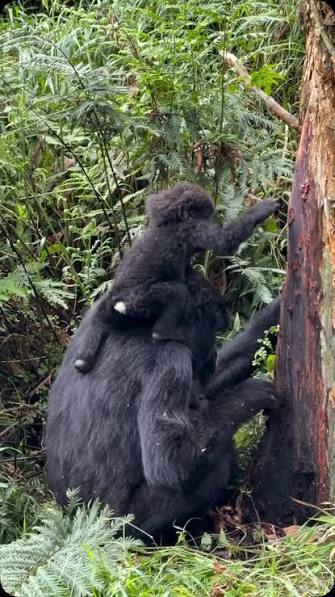
Gorilla Trekking and Menstruation: What Female Travelers Should Know
Gorilla trekking and menstruation are practical topics that many female travelers consider before booking a mountain gorilla safari in Uganda, Rwanda, or the Democratic Republic of Congo. Menstruation does not normally prevent a healthy woman from participating in gorilla trekking. However, the remote forest environment means that travelers should prepare carefully for hygiene, comfort, clothing, and waste management.
Gorilla trekking can involve several hours of walking through steep, muddy, and uneven terrain. Weather conditions can also change quickly, particularly in mountain forests. Managing menstruation in these conditions may require more preparation than during an ordinary city tour.
The good news is that thousands of women travel while menstruating and successfully participate in outdoor activities. With suitable menstrual products, personal hygiene supplies, appropriate clothing, and a little planning, menstruation does not have to prevent you from enjoying a gorilla trekking experience.
Can You Go Gorilla Trekking During Your Period?
Yes. Menstruation itself does not normally prevent women from participating in gorilla trekking.
If you feel physically well and are comfortable hiking, you can generally take part in the trek.
However, every person’s menstrual experience differs. Some women experience significant cramps, fatigue, headaches, nausea, or other symptoms that can make strenuous hiking uncomfortable.
Consider how your body normally responds during your period when deciding how to prepare.
If you have concerns about your ability to complete a demanding trek, discuss them with your tour operator before the trekking day.
Is Menstruation a Problem Around Gorillas?
Menstruation does not make a woman unsafe around mountain gorillas.
There is no need to believe common myths that gorillas will automatically become aggressive because a visitor is menstruating.
The important considerations are normal gorilla trekking rules, personal hygiene, and responsible waste management.
Visitors should maintain the required distance, follow their guide’s instructions, and avoid touching or disturbing the animals.
Can Gorillas Smell Menstrual Blood?
Gorillas have a strong sense of smell, but menstruation should not be treated as a special danger during a properly managed gorilla trek.
Visitors should follow the same wildlife-viewing rules regardless of whether they are menstruating.
Do not attempt to hide menstruation from your guide.
Instead, focus on carrying the supplies you need and following normal hygiene practices.
Should You Tell Your Guide?
You do not have to disclose personal information unnecessarily.
However, if menstruation is causing discomfort or you need a private toilet break, it can be helpful to quietly inform your female guide, another guide, or another trusted member of the trekking team.
Guides are accustomed to dealing with practical needs during long hikes.
Asking for assistance is nothing to be embarrassed about.
What Menstrual Products Should You Carry?
Choose the menstrual products you normally use and trust.
Depending on personal preference, this could include sanitary pads, tampons, menstrual cups, or period underwear.
Do not experiment with a completely unfamiliar product for the first time during a demanding forest trek.
Pack enough supplies for the entire day, together with a few extras in case the trek lasts longer than expected.
Should You Carry Extra Pads or Tampons?
Yes.
Gorilla trekking can last several hours, and the actual duration is difficult to predict.
Your period may also be heavier or longer than expected.
Carry more menstrual products than you think you will need for the day.
Keep them in a waterproof bag inside your backpack.
Having extra supplies provides peace of mind and reduces the risk of running out while deep in the forest.
Menstrual Cups During Gorilla Trekking
Some travelers prefer menstrual cups because they produce less disposable waste.
A menstrual cup can be practical for experienced users because it can remain in place for an extended period, depending on the product and individual needs.
However, using a cup requires suitable hygiene conditions when it needs to be emptied or cleaned.
If you use a menstrual cup, carry appropriate supplies for cleaning it and follow the manufacturer’s instructions.
Do not dispose of menstrual fluid or wash the cup in natural streams.
Tampons During Gorilla Trekking
Tampons can also be convenient for active travelers.
They are relatively compact and easy to carry.
If you use tampons, pack enough for the expected duration of your trip and bring extras.
Used tampons should never be left in the forest.
Carry a discreet, sealable waste bag and follow the park’s waste-management instructions.
Sanitary Pads During Gorilla Trekking
Sanitary pads remain a practical choice for many travelers.
Choose the type that you normally find comfortable during physical activity.
Long-distance hiking can involve sweating and movement, so breathable underwear and appropriate clothing can improve comfort.
Carry additional pads in a waterproof pouch.
You should also have a secure bag for used products because permanent toilets may not be available deep inside the forest.
Period Underwear for Gorilla Trekking
Period underwear may work well for travelers who already use it regularly.
It can provide additional protection and may be particularly useful when combined with another menstrual product.
However, carrying used period underwear can create a hygiene and storage challenge during a long trek.
Pack a sealable waterproof bag for used clothing and follow the waste-management instructions provided by your guide.
What Happens If You Need to Change a Pad?
If you need to change a pad during the trek, tell your guide discreetly.
The guide can help you find a private and appropriate location away from the gorilla family and other visitors.
Do not leave the group without informing anyone.
After changing, place the used product in a secure waste bag and follow the instructions provided by the park.
Can You Use a Toilet in the Forest?
Permanent toilets are generally not available deep inside the gorilla trekking forest.
Visitors should use the restroom at the park headquarters before beginning the trek.
If you need to use the toilet during the hike, tell your guide.
The guide can advise you on the appropriate procedure and location.
Never wander away from the group on your own.
How Should You Dispose of Menstrual Products?
Menstrual products should never be abandoned in the forest.
Do not bury sanitary pads, tampons, wipes, packaging, or other menstrual waste unless park staff specifically instruct you to do so.
A secure, sealable waste bag is useful for carrying used products.
Some travelers prefer opaque or double-layered bags for privacy and odor control.
Always follow the specific waste-management rules of the park you are visiting.
Why Proper Disposal Matters
Gorilla trekking takes place in protected ecosystems.
Leaving menstrual products behind creates litter and can potentially expose wildlife to human waste.
It also reduces the natural quality of the forest for other visitors.
Responsible tourism means carrying your waste until you reach an appropriate disposal point.
This simple practice helps protect the environment and the wildlife that depends on it.
What Should You Pack for Menstruation?
A small personal hygiene kit can make the trek much easier.
Carry your preferred menstrual products, several extras, tissues or toilet paper, hand sanitizer, and sealable waste bags.
A few wet wipes can also be useful, but they should be treated as waste and carried out of the forest.
Keep everything together in a waterproof pouch so that you can access it easily.
Why Waterproof Packaging Helps
Mountain gorilla habitats receive frequent rainfall.
Your backpack can become wet even when you are wearing rain protection.
Menstrual products should therefore be stored inside a waterproof bag.
This protects pads, tampons, tissues, medication, and other personal items from rain.
A small dry bag or waterproof pouch can be particularly useful.
What Clothing Is Best During Your Period?
Wear clothing that you already know is comfortable for hiking.
Comfortable underwear is especially important.
Long hiking trousers can protect your legs from vegetation and insects.
A waterproof jacket is useful because rain can occur unexpectedly.
You may also want to carry an extra pair of underwear in your daypack.
Can Period Cramps Affect Gorilla Trekking?
Yes.
Menstrual cramps can make steep hiking more uncomfortable.
If you normally experience cramps, prepare in advance according to your usual routine.
Some travelers carry their usual over-the-counter pain relief, provided it is safe for them and they normally use it.
Do not take unfamiliar medication simply because you are going trekking.
If your menstrual symptoms are unusually severe, seek appropriate medical advice before undertaking a demanding trek.
What If You Feel Weak During Your Period?
Fatigue can occur during menstruation.
Gorilla trekking can also be physically demanding, so it is important to listen to your body.
Eat a suitable breakfast and carry sufficient drinking water.
Tell your guide if you feel unwell, dizzy, excessively tired, or unable to continue comfortably.
Do not hide serious symptoms because you are worried about slowing down the group.
Does Menstruation Affect Trekking Performance?
It can, but the effect varies considerably between individuals.
Some women feel completely normal during their period.
Others experience fatigue, cramps, headaches, or changes in energy levels.
Your own experience is the best guide.
If you know that certain days of your cycle are more difficult, consider this when planning your travel dates where possible.
Can You Hire a Porter During Your Period?
Yes.
Hiring a porter can be particularly useful if you are carrying extra clothing, water, camera equipment, or menstrual supplies.
A porter can also provide physical assistance on steep or slippery sections of the trail.
Porter services provide an additional benefit by creating income opportunities for local communities.
Should You Change Your Trekking Date Because of Your Period?
Usually, there is no need to change your trekking date solely because you are menstruating.
However, personal comfort matters.
If you experience severe symptoms that regularly prevent you from exercising, consider discussing your options with your tour operator before the trek.
Permit changes or cancellations may be subject to specific conditions, so do not assume that you can automatically move the date.
What If Your Period Starts Unexpectedly?
This is one reason to carry emergency supplies even if you are not expecting your period during the trek.
Keep at least a few menstrual products in your daypack.
You should also carry spare underwear and a small waste bag.
If your period starts unexpectedly, inform your guide if you need privacy or assistance.
There is no need to panic.
Can Menstrual Blood Attract Insects?
Blood and bodily fluids can potentially attract insects, but menstruation should not be considered a special wildlife threat during gorilla trekking.
Normal forest precautions remain more important.
Wear suitable clothing, use insect repellent according to product instructions, and follow your guide’s advice.
Can You Use Painkillers During Gorilla Trekking?
Some travelers use their usual over-the-counter pain relief for menstrual cramps.
However, medication is personal and may not be appropriate for everyone.
If you regularly use pain relief for menstruation, carry the medication you normally use and follow the label or advice from your healthcare professional.
Do not take medication solely because someone else recommends it.
Can Menstruation Affect Gorilla Behavior?
There is no good reason for visitors to expect normal menstruation to cause a special reaction from habituated mountain gorillas.
Visitors should focus on standard gorilla behavior rules.
Keep the required distance, remain calm, avoid sudden movements, do not touch the animals, and follow the guide.
These rules apply to everyone.
Menstruation and Gorilla Trekking in Uganda
Uganda offers mountain gorilla trekking in Bwindi Impenetrable National Park and Mgahinga Gorilla National Park.
Women can prepare for menstruation in the same way they would for other challenging outdoor activities.
Because treks can last several hours and restroom access is limited in the forest, preparation is particularly important.
Use the restroom at the headquarters before trekking and carry sufficient personal supplies.
Menstruation and Gorilla Trekking in Rwanda
Rwanda’s gorilla trekking takes place in Volcanoes National Park.
Visitors should prepare for the possibility of several hours in the forest.
Carry sufficient menstrual products, hygiene supplies, and waste bags.
If you need assistance during the trek, speak discreetly with your guide.
Menstruation and Gorilla Trekking in Congo
Gorilla trekking in the Democratic Republic of Congo is subject to current park operations and conditions.
Women planning a trek should confirm available facilities, trekking arrangements, and waste-management procedures with their tour operator before traveling.
Preparation is especially important when visiting remote areas where access to shops and conventional facilities may be limited.
What About Menstrual Hygiene Before the Trek?
Prepare your menstrual supplies the night before.
Check that you have enough products.
Pack spare underwear.
Prepare your waste bags.
Keep everything in a waterproof pouch.
Use the restroom before leaving your accommodation or trekking headquarters.
This simple preparation can prevent unnecessary stress during the hike.
What If You Need Privacy?
Tell your guide privately.
You can ask for a brief stop away from the main group when necessary.
Guides regularly deal with practical situations during long treks and should understand that visitors may need privacy.
There is no reason to feel ashamed about menstruation.
Should You Carry a Dark-Colored Waste Bag?
An opaque waste bag can provide additional privacy when carrying used menstrual products.
A second bag can provide extra protection against leakage.
Keep the bag securely inside your backpack and dispose of it properly after leaving the forest.
Never leave it behind.
Can You Wash Menstrual Products in a Stream?
No.
Do not wash reusable menstrual products in natural streams or other water sources inside the forest.
This can introduce contaminants into the environment.
If you use a reusable product, plan your hygiene needs in advance and follow the manufacturer’s cleaning instructions.
Your tour operator can also advise on practical arrangements.
Gorilla Trekking During Heavy Menstrual Flow
Travelers experiencing heavy menstrual flow should prepare more supplies than usual.
Carry additional pads, tampons, or other products that you normally use.
An extra pair of underwear can also be useful.
If heavy bleeding is unusual for you or accompanied by significant weakness, dizziness, or severe pain, consider obtaining medical advice before undertaking a strenuous trek.
What If Menstruation Makes You Too Unwell to Trek?
You do not have to force yourself to trek if you become seriously unwell.
Contact your tour operator as soon as possible.
Permit cancellation or rescheduling policies depend on the relevant wildlife authority and booking conditions.
Do not assume that a medical problem automatically guarantees a permit refund or replacement.
Frequently Asked Questions
Can I go gorilla trekking while on my period?
Yes. Menstruation itself does not normally prevent women from participating in gorilla trekking. Your ability to trek depends mainly on your overall health and how you feel during menstruation.
Will gorillas attack me because I am menstruating?
There is no basis for assuming that menstruation automatically causes gorillas to attack visitors. Follow the normal gorilla trekking safety rules and your guide’s instructions.
Can I use pads during gorilla trekking?
Yes. Pads are commonly used by active travelers. Carry enough for the trek, plus extras, and have a secure bag for used products.
Can I use tampons during gorilla trekking?
Yes. If tampons are your normal menstrual product, they can be practical for trekking. Carry sufficient supplies and dispose of used products responsibly.
Can I use a menstrual cup during a gorilla trek?
Yes, if you already use one comfortably. Plan for cleaning and disposal needs, and never wash it in natural streams.
Are there toilets in the gorilla trekking forest?
Permanent toilets are generally not available deep in the forest. Use the restroom before entering and ask your guide if you need a private toilet break.
What should I do with used sanitary pads?
Place them in a secure, preferably opaque waste bag and follow the park’s waste-disposal instructions. Never leave them in the forest.
Should I tell my gorilla trekking guide that I am menstruating?
You do not have to disclose it unless you need assistance. If you need a toilet stop, privacy, or other practical support, informing your guide discreetly can make the trek easier.
Should I cancel my gorilla trek because of my period?
Not usually. If you feel healthy and comfortable hiking, menstruation alone is generally not a reason to cancel. If you experience severe symptoms, discuss your options with your tour operator and seek appropriate medical advice.
Conclusion
Gorilla trekking and menstruation do not have to be a barrier to experiencing mountain gorillas in Uganda, Rwanda, or the Democratic Republic of Congo. Many women participate in demanding outdoor activities while menstruating, and careful preparation can make the experience comfortable and manageable.
The most important steps are simple. Carry the menstrual products you normally use, bring extras, pack spare underwear, keep hygiene supplies in waterproof packaging, and carry secure bags for used products. Use restroom facilities before entering the forest and speak discreetly with your guide if you need privacy or assistance.
There is also no reason to believe that normal menstruation automatically makes a woman unsafe around mountain gorillas. The same conservation and safety rules apply to every visitor.
With good preparation and attention to your own comfort, you can focus on the remarkable experience of walking through Uganda’s mountain forests and observing gorillas in their natural habitat.