Why Only 1 Hour with Gorillas? Understanding the Gorilla Trekking Time Limit
Why only 1 hour with gorillas? This is one of the most common questions travelers ask when planning a mountain gorilla trekking experience in Uganda, Rwanda, or the Democratic Republic of Congo. After spending hours hiking through dense forest to find a gorilla family, visitors may wonder why the actual viewing period is limited.
The one-hour limit exists primarily to protect mountain gorillas and maintain responsible tourism practices. Although habituated gorillas are accustomed to the controlled presence of people, they remain wild animals that need space, rest, feeding time, and natural social interactions.
Limiting the amount of time visitors spend with a gorilla family reduces prolonged human exposure and helps prevent tourism from becoming too disruptive.
The restriction also forms part of a broader conservation approach that balances wildlife protection with the opportunity for visitors to observe mountain gorillas in their natural habitat.
Why Is Gorilla Viewing Limited to One Hour?
The main reason for the time limit is conservation.
Mountain gorillas live naturally in forests where they spend their days feeding, resting, moving, grooming, playing, and interacting with other members of their families.
Continuous human presence could interfere with these activities.
By limiting visitor encounters, park authorities reduce the amount of time gorillas are exposed to people each day.
The one-hour period therefore represents a compromise between wildlife protection and responsible tourism.
Are Gorillas Comfortable Around Tourists?
Habituated gorilla families have become accustomed to controlled human presence.
Researchers and trackers gradually expose selected groups to people through a carefully managed habituation process.
This allows visitors to observe them without the animals reacting as strongly as they might to unfamiliar humans.
However, habituation does not mean that gorillas become domesticated.
They remain wild animals and can experience stress, illness, or behavioral changes when exposed to excessive disturbance.
Why Can’t Visitors Stay Longer?
Allowing visitors to remain with gorillas for several hours would increase human exposure.
A longer encounter could interfere with feeding, resting, movement, and social activities.
It would also increase the cumulative pressure created by tourism.
Even if each individual visitor behaves responsibly, repeated and prolonged encounters throughout the year could have consequences for the animals.
A limited viewing period helps keep tourism within controlled boundaries.
Why Is One Hour Enough?
Although one hour may sound short, it can feel surprisingly long when you are standing a few meters from a mountain gorilla family.
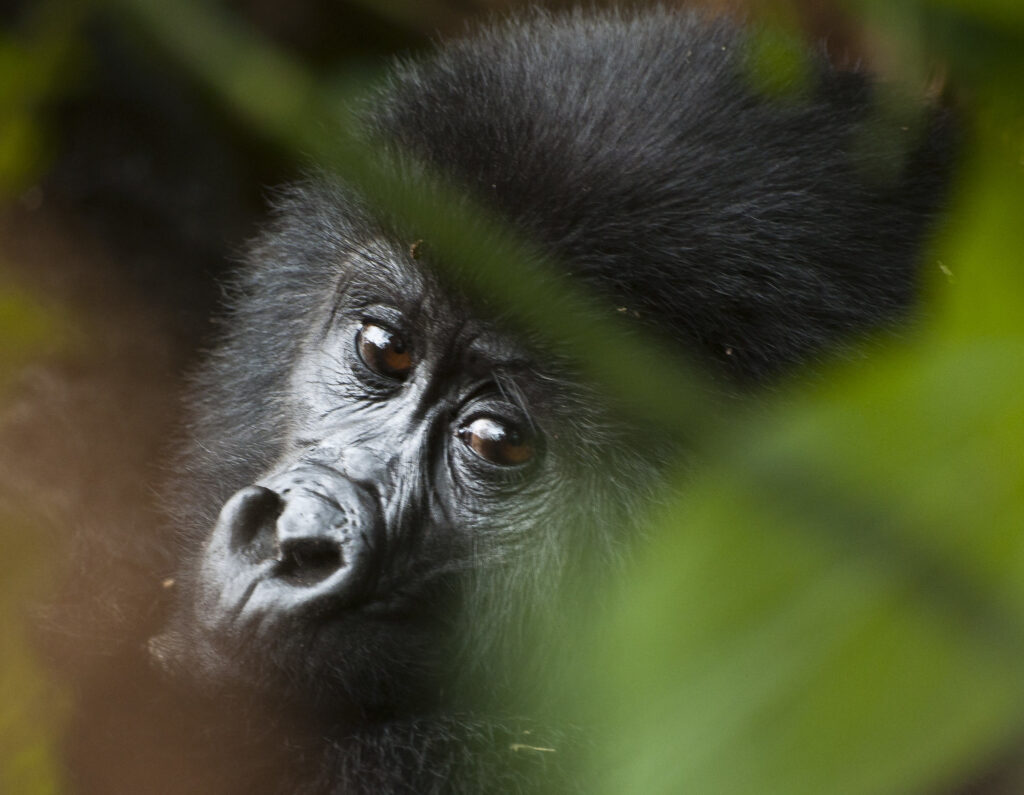
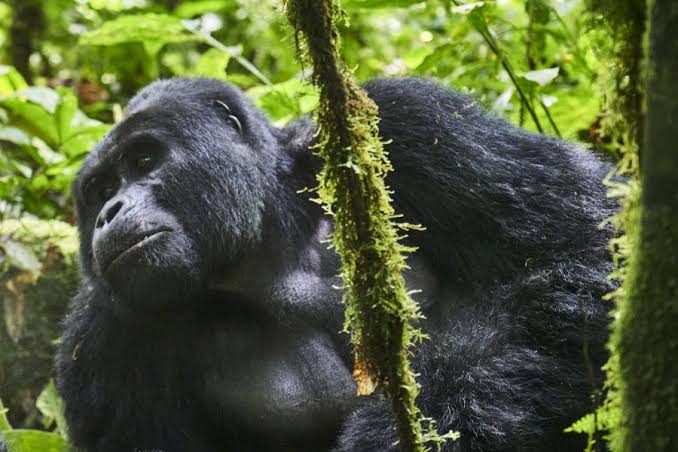
During the encounter, visitors may observe silverbacks, adult females, juveniles, and infants.
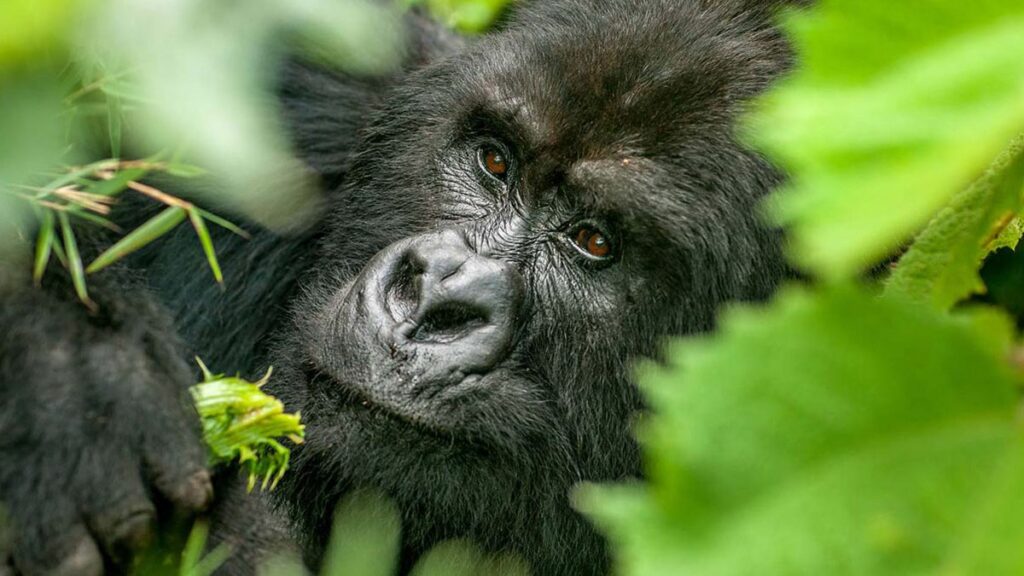
The gorillas may feed, groom one another, play, vocalize, rest, or move through the vegetation.
Because the animals are constantly doing different things, the experience can be extremely engaging.
The hour can pass quickly.
What Happens During the One Hour?
The viewing period begins once the trekking group reaches the gorilla family and the guide confirms that the encounter can take place.
Visitors observe the gorillas while remaining within the required guidelines.
The group may move slightly as the gorillas change position, but visitors should always follow the guide.
During the encounter, travelers can observe natural behavior and take photographs according to the applicable rules.
The guide may also explain individual gorillas and their social relationships.
Does the one hour include the trek?
No.
The one-hour gorilla viewing period is separate from the time spent hiking through the forest.
The trek itself can take considerably longer.
Visitors may spend several hours traveling through the forest before finding the gorilla family.
The total experience therefore includes transportation to the starting point, registration, briefing, hiking, tracking, the gorilla encounter, and the return journey.
Why Can the Trek Take Several Hours?
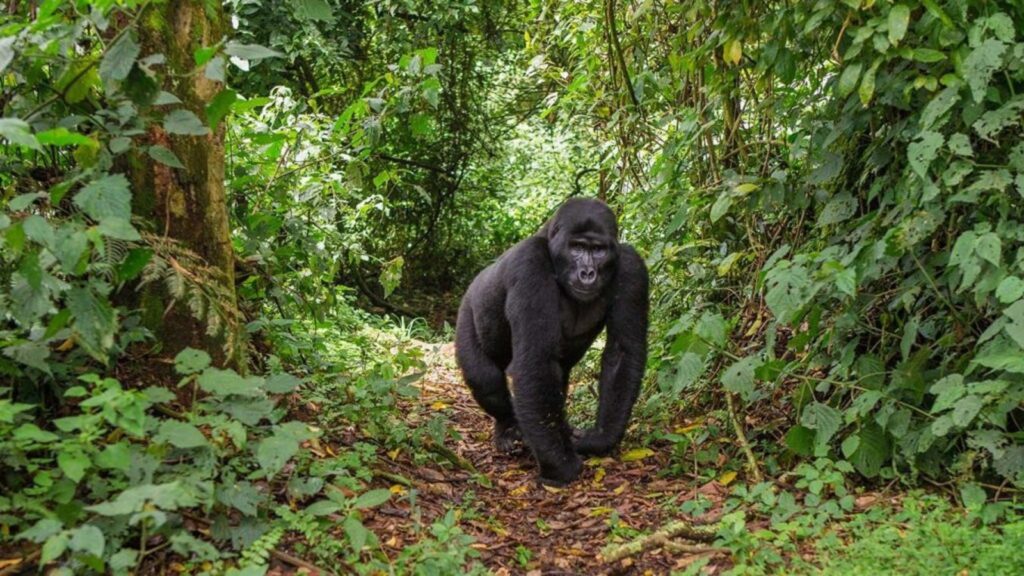
Gorillas move naturally through their habitat.
Their location changes from day to day.
Trackers follow signs such as fresh nests, broken vegetation, feeding remains, footprints, and other evidence to locate the family.
Sometimes the group is relatively close to the starting point.
On other days, trackers may need to lead visitors much deeper into the forest.
The unpredictable nature of wildlife movement makes the trekking duration variable.
What if the gorillas move during the one hour?
The gorillas are not expected to remain stationary for visitors.
They may move while the encounter is taking place.
Visitors follow the instructions of the guide as the group adjusts its position.
The guide and trackers decide how to maintain the appropriate distance while keeping the encounter safe and respectful.
The one-hour limit still applies even when the animals move during the observation period.
Can the One Hour Be Extended?
Visitors should not assume that they can purchase additional time with the same gorilla family.
Standard gorilla trekking follows the regulations established by the relevant wildlife authority.
If you want a longer gorilla experience, there may be a separate gorilla habituation experience in certain destinations.
This is different from ordinary gorilla trekking and involves additional costs and specific rules.
Travelers should confirm the current availability and requirements before booking.
Gorilla Habituation Experience vs Standard Trekking
A habituation experience is designed for visitors who want to spend substantially more time observing a gorilla group that is undergoing habituation.
Instead of the standard limited viewing period, participants may spend several hours with the group under the supervision of researchers, trackers, and guides.
The objective is different from ordinary trekking.
Standard trekking focuses on observing an already habituated family, while habituation involves supporting the gradual process through which gorillas become accustomed to controlled human presence.
Why Not Habituate Every Gorilla Family?
Not every gorilla family is suitable for tourism habituation.
Habituation exposes animals to additional human contact.
For conservation reasons, only selected groups are gradually habituated for controlled visitor experiences.
Maintaining some groups with minimal human exposure also helps preserve more natural conditions within the wider gorilla population.
This balance is important for long-term conservation.
Does the Time Limit Protect Gorilla Health?
Yes.
One major concern in mountain gorilla tourism is disease transmission.
Mountain gorillas share many biological characteristics with humans and can be vulnerable to some human respiratory infections and other pathogens.
Reducing the duration of close human exposure helps lower potential health risks.
Visitors who are sick should follow park health rules and avoid putting gorillas at unnecessary risk.
Why Is Disease Transmission a Concern?
Mountain gorillas have limited populations and live in relatively small social groups.
An infectious disease could therefore have serious consequences for individual animals and potentially affect an entire family.
Tourism authorities use several measures to reduce these risks.
These may include limiting visitor numbers, maintaining distance, enforcing health rules, and controlling the duration of encounters.
The one-hour limit forms part of this broader protection system.
Does the One-Hour Rule Protect Gorilla Behavior?
It can help reduce behavioral disturbance.
Gorillas need time to feed, rest, groom, play, and move without continuous human observation.
If people remained around them for extended periods, the animals could alter their normal routines.
A limited encounter gives visitors a valuable observation opportunity while reducing prolonged interference.
What If a Gorilla Approaches Visitors?
Gorillas sometimes move closer to visitors.
This can happen because they are moving through their normal environment rather than deliberately approaching tourists.
Visitors should remain calm and follow the guide’s instructions.
They should never attempt to touch the animal or move toward it.
The guide manages the encounter according to the applicable rules.
Can you touch a gorilla during the one hour?
No.
The one-hour viewing period does not give visitors permission to physically interact with gorillas.
Even if a gorilla comes very close, visitors should avoid touching it.
Physical contact can increase health risks for both humans and gorillas.
The safest approach is passive observation.
Can you take photos during the one hour?
Photography is generally allowed under the relevant park regulations.
Visitors can take photographs during the encounter while following the guide’s instructions.
They should avoid sudden movements and actions that disturb the animals.
Photography should also never become a reason to move closer to a gorilla.
The experience should come before getting the perfect photograph.
Why Can’t Visitors Use Flash Photography?
Flash can disturb wildlife and create an unnecessary distraction.
Visitors should follow the specific photography instructions provided during the briefing.
A camera with suitable low-light performance can be useful because mountain forests often have limited natural light.
Respectful photography helps protect the quality of the encounter.
What Happens When the One Hour Ends?
When the permitted viewing period ends, the guide signals that it is time to leave.
Visitors move away from the gorilla family and begin the return journey.
The trackers may continue their work after the tourist group leaves.
Visitors should not attempt to remain behind or negotiate for additional viewing time.
The rules apply to everyone participating in the trek.
Why Does the Time Pass So Quickly?
The one-hour encounter can feel short because visitors are usually highly focused on the gorillas.
You may watch an infant playing, a mother caring for her young, a silverback monitoring the group, or juveniles interacting with one another.
The forest environment also creates a sense of anticipation.
Every movement can become interesting.
As a result, many visitors find that the hour passes much faster than expected.
How Can You Make the Most of the One Hour?
Preparation helps.
Before reaching the gorillas, make sure your camera settings are ready.
Keep your equipment accessible.
Listen carefully to your guide.
Avoid spending the entire encounter looking through a camera screen.
Take time to observe the animals directly.
Watch their interactions rather than focusing only on individual photographs.
This approach can make the limited viewing period much more rewarding.
Should You Spend the Whole Hour Taking Photos?
Not necessarily.
Photography can be an important part of the experience, but constantly looking through a camera can cause you to miss subtle behaviors.
Put the camera down occasionally.
Watch how gorillas communicate through posture, facial expressions, vocalizations, and movement.
Observe how mothers interact with infants and how juveniles play.
The memories you create do not have to exist only as photographs.
Why Is Gorilla Trekking Different From a Zoo Visit?
In a zoo, animals live in controlled enclosures where visitors can generally observe them for as long as the facility allows.
Gorilla trekking is fundamentally different.
Visitors enter the natural habitat of wild animals.
The animals determine where they move and what they do.
Tourism regulations therefore need to prioritize the welfare of the gorillas rather than maximizing visitor viewing time.
The one-hour limit reflects this difference.
Does the One-Hour Limit Benefit Local Communities?
Gorilla tourism generates important economic benefits for communities around mountain gorilla habitats.
Permit revenue, accommodation, guiding, transportation, porter services, and other tourism activities contribute to local economies.
Maintaining sustainable tourism helps ensure that these benefits can continue over the long term.
A healthy gorilla population supports the continued existence of the tourism industry.
Does the Time Limit Help Conservation?
Yes.
Gorilla tourism provides financial incentives for protecting mountain gorilla habitat.
At the same time, tourism must remain carefully controlled to prevent excessive disturbance.
The limited viewing period helps create a balance.
Visitors receive an extraordinary wildlife experience while conservation authorities maintain restrictions designed to protect the animals.
Gorilla Trekking Rules Can Change
Travelers should remember that gorilla tourism regulations are not necessarily permanent.
Wildlife authorities can change visitor limits, health requirements, viewing distances, and other rules as conservation knowledge develops.
Visitors should therefore follow the latest instructions provided by the relevant wildlife authority and their guide.
Do not rely solely on older travel blogs or outdated social media posts.
Frequently Asked Questions
Why only 1 hour with gorillas?
The one-hour limit helps reduce human disturbance, health risks, and prolonged exposure while allowing visitors to observe habituated mountain gorillas in their natural habitat.
Does the one hour include trekking time?
No. The viewing period is separate from the hike. The entire gorilla trekking experience can last several hours depending on the location of the gorilla family.
Can I stay longer if the gorillas are moving?
Visitors must follow the permitted viewing period and the instructions of the guide. Moving gorillas do not automatically extend the encounter.
Can I touch a gorilla if it approaches me?
No. Visitors should never attempt to touch a gorilla, even when the animal comes close.
Can I get more than one hour with gorillas?
Standard trekking has a limited viewing period. In some destinations, a separate gorilla habituation experience may provide a longer encounter under different rules.
Why are gorillas habituated for tourism?
Habituation allows selected gorilla families to become accustomed to controlled human presence, making responsible tourism possible while reducing unpredictable reactions.
Is one hour enough to see gorillas?
For most visitors, yes. The encounter can provide opportunities to observe feeding, grooming, playing, resting, movement, communication, and family interactions.
Conclusion
So, why only 1 hour with gorillas? The answer comes down to conservation, animal welfare, health protection, and responsible tourism.
Mountain gorillas are wild animals, even when they have become accustomed to carefully controlled human presence. Limiting the viewing period reduces prolonged disturbance and gives gorilla families time to continue their natural activities without continuous human observation.
The one-hour encounter is only one part of the overall trekking experience. Visitors may spend several hours hiking through the forest, following trackers, learning about the ecosystem, and eventually locating the gorilla family.
When the gorillas are finally found, every minute becomes valuable. Instead of worrying about the short viewing period, travelers should focus on observing natural behavior, listening to their guide, taking respectful photographs, and appreciating the rarity of the encounter.
The time limit is not designed to make the experience less enjoyable. It is designed to help ensure that gorilla tourism remains sustainable and that future generations can continue to experience mountain gorillas in their natural habitat.