Kahuzi-Biega National Park
Kahuzi-Biega National Park ranks among Africa’s most remarkable wildlife destinations. Located in the eastern region of the Democratic Republic of Congo (DRC), the park protects one of the last strongholds of the endangered Eastern Lowland Gorilla, also known as Grauer’s gorilla. While mountain gorillas often attract global attention, Kahuzi-Biega offers visitors a rare opportunity to encounter the world’s largest gorilla subspecies in their natural habitat.
The park combines lush tropical rainforests, volcanic mountains, diverse wildlife, and exceptional biodiversity. Its unique landscapes and conservation importance earned it recognition as a UNESCO World Heritage Site. For travelers seeking authentic primate experiences away from crowded tourism circuits, Kahuzi-Biega National Park provides an unforgettable adventure.
History of Kahuzi-Biega National Park
Kahuzi-Biega National Park was established in 1970 through the efforts of Belgian conservationist and photographer Adrien Deschryver. His mission focused on protecting the Eastern Lowland Gorilla population that faced increasing threats from hunting and habitat destruction.
The park takes its name from two extinct volcanoes, Mount Kahuzi and Mount Biega, which dominate the landscape. Initially, conservation efforts concentrated on the highland sector surrounding these volcanic peaks. Over time, authorities expanded the protected area to include vast lowland forests, creating one of Central Africa’s largest conservation zones.
In 1980, UNESCO designated Kahuzi-Biega as a World Heritage Site due to its exceptional biodiversity and ecological significance. Despite periods of political instability and conservation challenges, the park remains a critical sanctuary for wildlife in the Congo Basin.
Location and Accessibility
Kahuzi-Biega National Park lies near the city of Bukavu in South Kivu Province of eastern DRC. The park covers approximately 6,000 square kilometers and stretches from mountainous highlands to lowland rainforest ecosystems.
The highland sector, where gorilla trekking takes place, sits about 40 kilometers west of Bukavu. Most visitors reach the park through Kigali International Airport in Rwanda. From Kigali, travelers cross the Rwanda-DRC border at Rusizi and continue to Bukavu by road.
The journey from Kigali to Bukavu usually takes between five and six hours, depending on border procedures and traffic conditions. Many tour operators arrange private transportation to simplify travel logistics.
Visitors can also access the region through domestic flights within the DRC, although international travelers generally find the Kigali route more convenient and reliable.
The Unique Landscape of Kahuzi-Biega
One of the park’s most fascinating features is its dramatic variation in altitude and ecosystems. The landscape ranges from approximately 600 meters above sea level in the lowland forests to over 3,300 meters at the summit of Mount Kahuzi.
Dense tropical rainforests dominate much of the park. These forests support an extraordinary diversity of plants, birds, mammals, reptiles, and insects. Mist-covered mountains create stunning scenery that rivals some of Africa’s most famous wilderness areas.
The highland region features bamboo forests, montane vegetation, and volcanic terrain. Meanwhile, the lowland section contains vast stretches of Congo Basin rainforest, making it one of the richest ecological zones in Africa.
This diversity allows wildlife species adapted to different habitats to thrive within a single protected area.
Eastern Lowland Gorilla Trekking
Meeting the Largest Gorilla Species
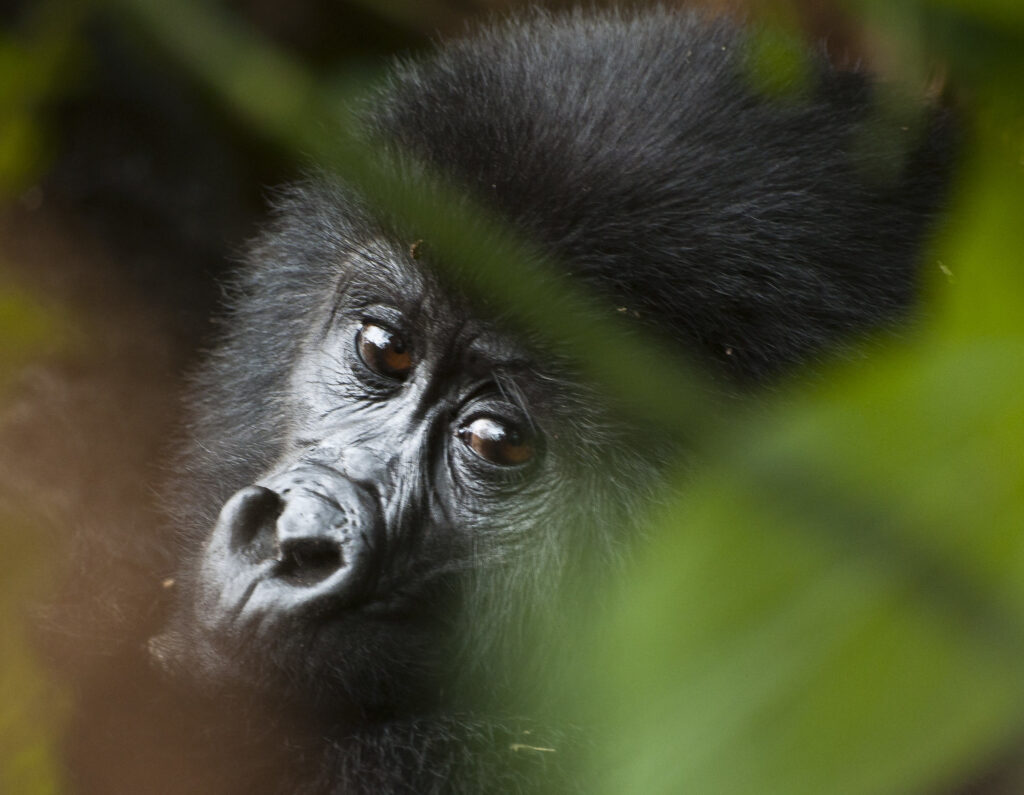
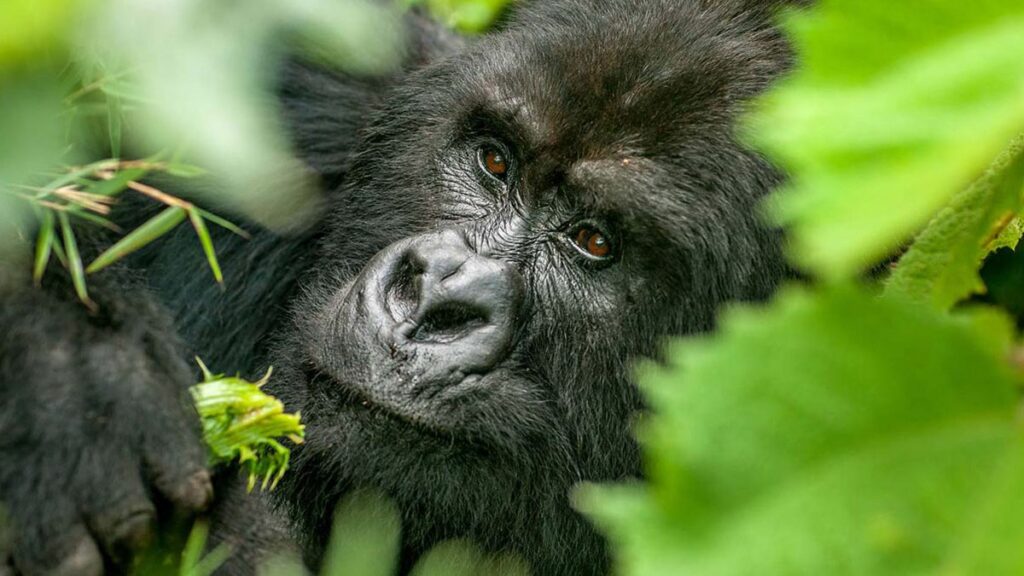
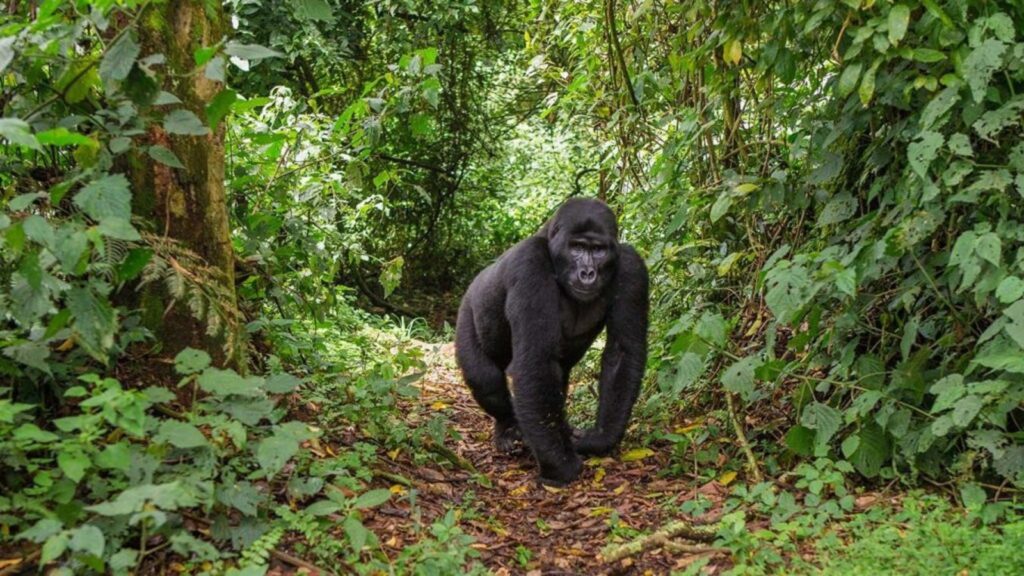
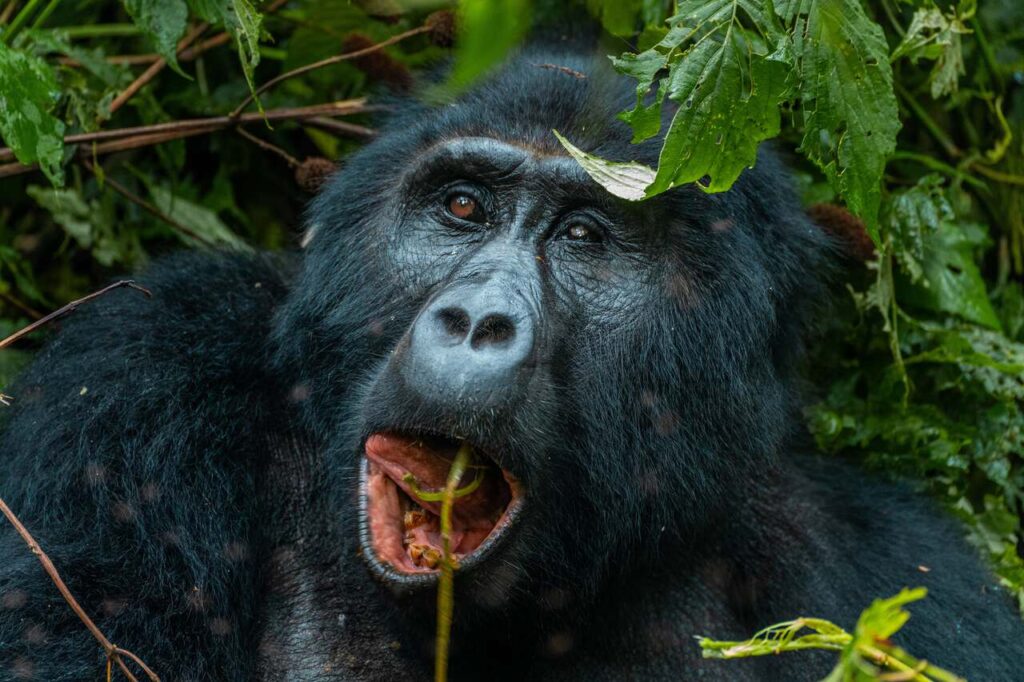
The main attraction in Kahuzi-Biega National Park is undoubtedly the Eastern Lowland Gorilla. These gorillas differ significantly from mountain gorillas. They possess larger bodies, broader hands, shorter fur, and distinctive facial features.
Adult males, known as silverbacks, can weigh over 200 kilograms. Their impressive size makes encounters especially memorable.
Several gorilla families within the highland sector have undergone habituation, allowing controlled tourism visits. Experienced park rangers guide visitors through the forest in search of these remarkable primates.
The Gorilla Trekking Experience
Gorilla trekking begins early in the morning with a briefing at the park headquarters. Rangers explain safety guidelines, conservation rules, and expected trekking conditions.
The duration of a trek varies depending on the location of the gorilla family. Some groups require less than an hour of hiking, while others may require several hours through challenging terrain.
Once visitors locate a gorilla family, they spend one hour observing the animals. During this time, travelers witness natural behaviors such as feeding, grooming, playing, and social interactions.
Young gorillas often entertain visitors with playful antics, while silverbacks demonstrate their leadership and protective instincts.
The close proximity to these endangered animals creates one of Africa’s most powerful wildlife experiences.
Gorilla Conservation Efforts
Tourism revenue plays a vital role in protecting Eastern Lowland Gorillas. Funds generated through permits support ranger patrols, habitat protection, community projects, and scientific research.
Conservation organizations continue working with park authorities to address threats such as poaching, illegal mining, and habitat encroachment. Every visitor contributes directly to these ongoing conservation efforts.
Wildlife Beyond Gorillas
Although gorillas attract most visitors, Kahuzi-Biega supports a wide range of wildlife species.
The park shelters forest elephants, eastern chimpanzees, bush buffaloes, giant forest hogs, antelopes, and numerous small mammals. Researchers continue discovering new species and documenting the ecological richness of the area.
Primates thrive throughout the park. Visitors may encounter blue monkeys, owl-faced monkeys, vervet monkeys, and other forest-dwelling species during guided walks.
The vast rainforest ecosystem provides essential habitat for wildlife that has disappeared from many other regions due to human pressure.
Birdwatching in Kahuzi-Biega
Bird enthusiasts consider Kahuzi-Biega one of Central Africa’s finest birding destinations. More than 340 bird species inhabit the park, including several Albertine Rift endemics.
Colorful forest birds fill the canopy with songs and movement throughout the day. Species such as the Rockefeller’s Sunbird, Grauer’s Broadbill, Yellow-crested Helmetshrike, and Congo Peacock attract birdwatchers from around the world.
The park’s varied elevations create multiple bird habitats, increasing the diversity of species that visitors can observe during a single trip.
Experienced local guides help birders locate rare and elusive species hidden within dense vegetation.
Hiking Mount Kahuzi
A Challenging Adventure
Mount Kahuzi stands at approximately 3,308 meters above sea level and offers one of the most rewarding hikes in eastern Congo.
The trek passes through several ecological zones, including tropical rainforest, bamboo forest, montane vegetation, and alpine terrain. Hikers experience dramatic changes in scenery as they ascend toward the summit.
The round-trip hike typically takes a full day. Physical fitness helps participants enjoy the experience more comfortably.
Spectacular Views
The summit rewards hikers with panoramic views of the surrounding landscape. On clear days, visitors can see Lake Kivu, distant mountains, and vast stretches of rainforest extending across the Congo Basin.
The breathtaking scenery highlights the immense scale and beauty of one of Africa’s most important conservation landscapes.
Cultural Experiences Around the Park
Communities surrounding Kahuzi-Biega maintain rich cultural traditions that enhance visitor experiences.
Travelers often visit local villages to learn about traditional lifestyles, farming practices, music, dance, and handicrafts. These interactions create opportunities for cultural exchange while generating income for local residents.
Community tourism initiatives strengthen relationships between conservation programs and neighboring populations. When local communities benefit from tourism, they gain stronger incentives to support wildlife protection.
These cultural encounters provide valuable insight into daily life in eastern Congo and add depth to any visit to the region.
Best Time to Visit Kahuzi-Biega National Park
Kahuzi-Biega remains accessible throughout the year, but weather conditions influence trekking experiences.
The dry seasons generally occur from June to September and from December to February. These months offer more favorable hiking conditions, as trails remain less muddy and forest access becomes easier.
The rainy seasons bring lush vegetation and excellent photography opportunities. Bird activity also increases during wetter periods.
Gorilla trekking continues year-round because gorillas remain within the forest regardless of season. Visitors should prepare for changing weather conditions at any time of year.
Accommodation Options
Most visitors stay in Bukavu or near the park headquarters. Accommodation ranges from comfortable midrange lodges to luxury properties overlooking Lake Kivu.
Several eco-lodges focus on sustainable tourism while providing easy access to gorilla trekking activities. Many accommodations offer beautiful lake views, local cuisine, and personalized service.
Staying near the park allows visitors to begin morning treks without lengthy transfers and maximizes time spent exploring the region.
Why Kahuzi-Biega Deserves More Attention
Kahuzi-Biega National Park delivers one of Africa’s most authentic wildlife experiences. Unlike some heavily visited destinations, the park offers a sense of exclusivity and wilderness that remains increasingly rare.
The opportunity to observe Eastern Lowland Gorillas in their natural environment sets Kahuzi-Biega apart from other primate destinations. Combined with exceptional biodiversity, stunning landscapes, and meaningful conservation efforts, the park provides an experience that extends far beyond wildlife viewing.
For adventurous travelers seeking a deeper connection with nature and conservation, Kahuzi-Biega represents one of Central Africa’s greatest treasures. Every visit supports the protection of endangered species and contributes to the preservation of one of the world’s most important rainforest ecosystems.