Gorilla Safari Tea Plantation Rwanda: Complete Guide to Combining Gorillas and Tea Tourism
A gorilla safari and tea plantation Rwanda experience combines one of the country’s most famous wildlife adventures with the peaceful landscapes of Rwanda’s tea-growing regions. Gorilla trekking takes travelers into the mountain forests of Volcanoes National Park, while a tea plantation tour introduces visitors to Rwanda’s agricultural traditions, scenic hills, and tea production.
This combination creates a varied Rwanda safari that goes beyond wildlife viewing. Travelers can spend one day searching for mountain gorillas in the Virunga mountains and another exploring green tea estates, learning how tea is grown and processed, and meeting communities connected to the industry.
The experience suits travelers interested in wildlife, agriculture, photography, culture, and responsible tourism.
Why Combine Gorilla Trekking With a Tea Plantation Tour?
A gorilla safari and tea plantation Rwanda itinerary provides a strong contrast between wildlife adventure and cultural exploration.
Gorilla trekking involves hiking through mountainous forest terrain in search of a habituated gorilla family. A tea plantation tour offers a slower experience where visitors can walk through neatly cultivated tea fields and learn about one of Rwanda’s important agricultural products.
Combining the two activities also allows travelers to explore different landscapes during the same trip.
Gorilla Trekking in Rwanda
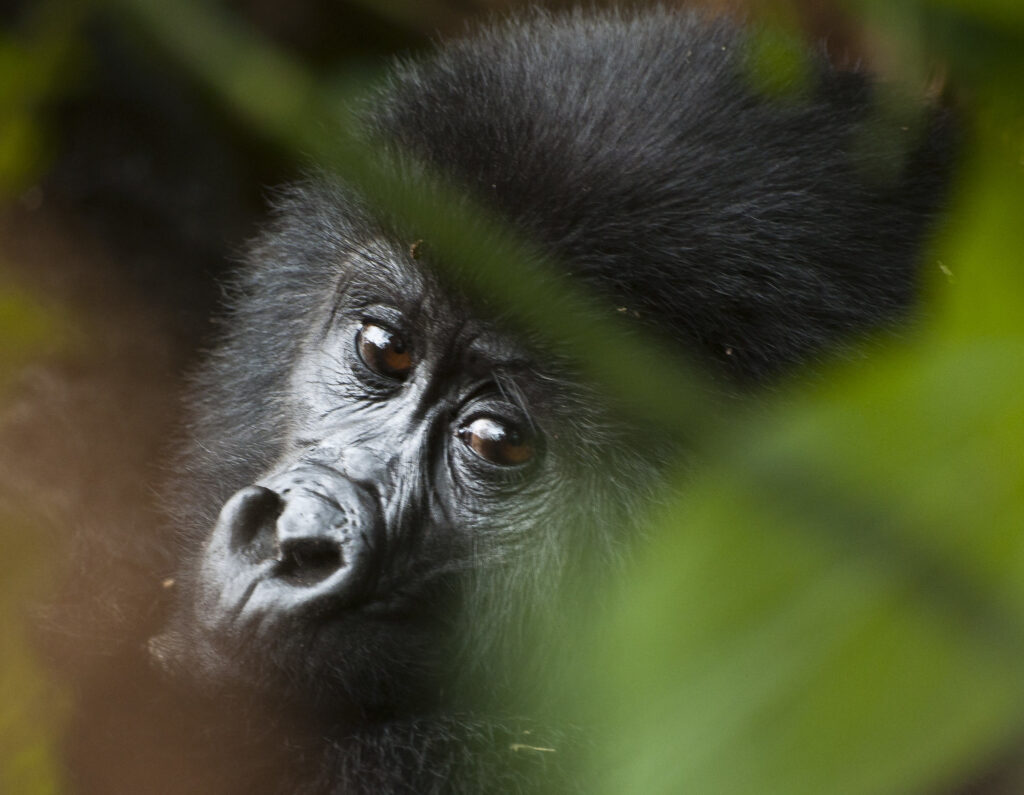
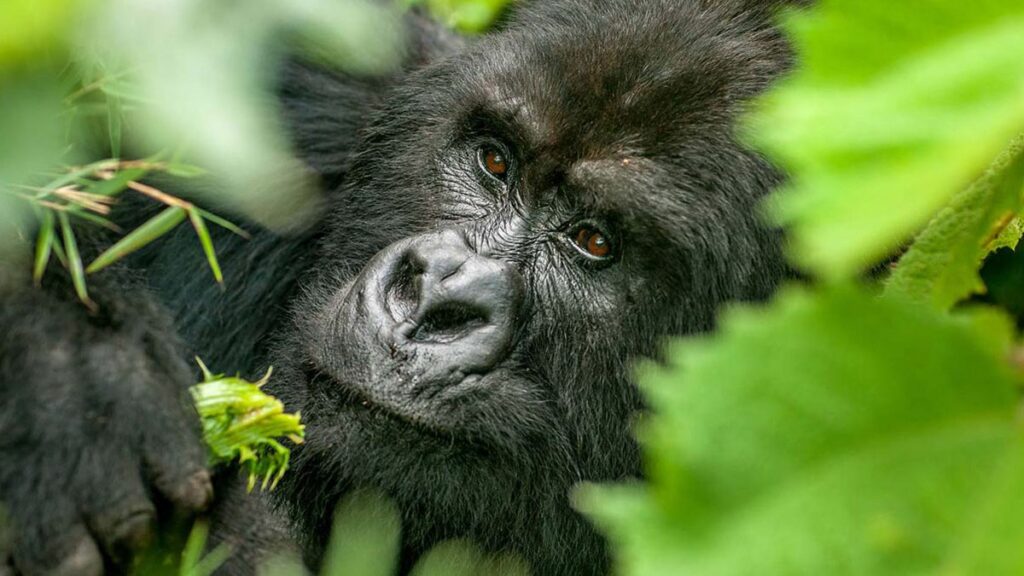
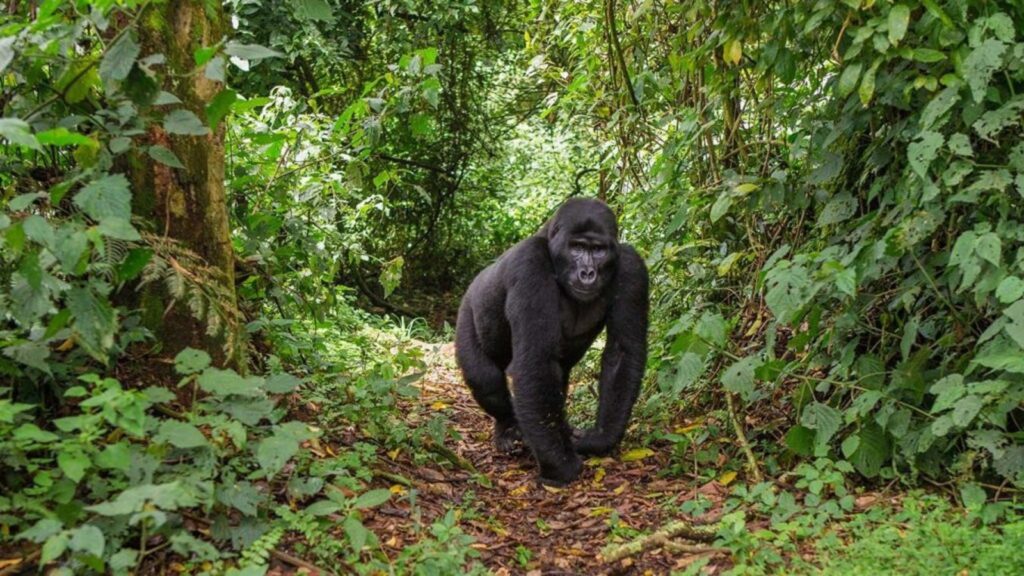
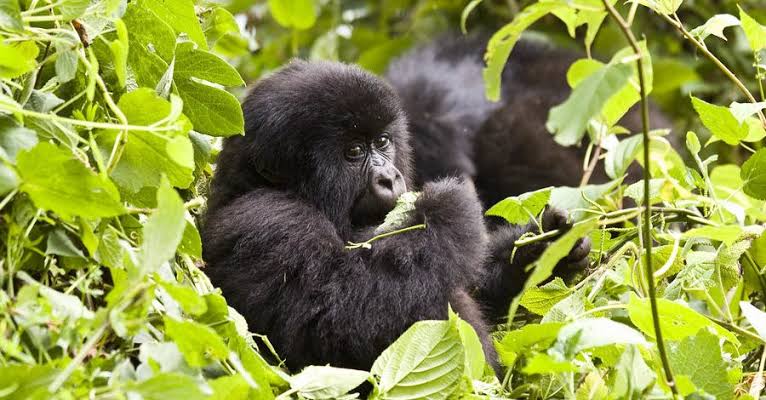
Rwanda’s mountain gorilla trekking takes place in Volcanoes National Park in the northern part of the country.
The park forms part of the Virunga Massif and protects important mountain gorilla habitat. Visitors receive a briefing before entering the forest with trained guides and trackers.
The trek can involve steep slopes, dense vegetation, and changing weather conditions. The duration depends on the location and movement of the gorilla family being visited.
When the gorillas are located, visitors follow park rules and ranger instructions during the encounter.
Rwanda’s Tea-Growing Regions
Tea is an important part of Rwanda’s agricultural landscape.
The country’s high elevation, volcanic soils, cool temperatures, and regular rainfall create suitable conditions for growing tea. Tea plantations can be found in several parts of Rwanda, particularly in the western and southern regions.
These landscapes are characterized by rolling green hills and carefully maintained tea fields, making them attractive to visitors interested in photography and rural tourism.
What Is a Tea Plantation Tour?
A tea plantation tour introduces travelers to the process of producing tea.
Depending on the plantation and tour arrangement, visitors may walk through tea fields, learn about cultivation and harvesting, observe processing facilities, and taste locally produced tea.
Some experiences may also include opportunities to meet tea workers or learn about the role of tea production in surrounding communities.
The exact activities vary between plantations.
Tea Plantation Tour After Gorilla Trekking
A tea plantation experience can provide a relaxing activity after gorilla trekking.
Gorilla trekking can be physically demanding, especially when the route involves steep terrain. Spending time among tea fields offers a slower way to explore Rwanda while still experiencing the country’s highland environment.
Travelers can use the tea tour as an opportunity to rest, photograph the landscape, and learn about local agriculture.
Tea Plantation Tour Before Gorilla Trekking
Travelers can also visit a tea plantation before their gorilla trek.
This option works well for visitors who want a cultural or agricultural experience before entering Volcanoes National Park.
However, the route should be planned carefully because Rwanda’s tea-growing areas are spread across different regions. The most efficient itinerary depends on the selected plantation and accommodation location.
Best Tea Experiences to Consider
Rwanda has several tea-producing areas and estates that may welcome visitors.
Nyungwe Region
The area surrounding Nyungwe Forest is strongly associated with tea production.
Visitors can combine tea landscapes with a visit to Nyungwe National Park, where activities may include chimpanzee trekking, forest walks, birdwatching, and the famous canopy walkway.
Western Rwanda
The western highlands contain extensive tea-growing landscapes.
Travelers moving between Kigali, Lake Kivu, Nyungwe, and other destinations may have opportunities to include tea experiences along their route.
Southern Rwanda
Tea production also contributes to the agricultural economy of southern Rwanda.
Depending on the itinerary, visitors may include a tea plantation visit while exploring the country’s scenic rural landscapes.
Tea, Culture, and Community Tourism
A gorilla safari and tea plantation experience in Rwanda can provide insight into rural livelihoods.
Tea production creates employment and supports communities involved in cultivation, harvesting, transportation, processing, and related services.
A guided plantation visit can help travelers understand how agriculture contributes to Rwanda’s economy and rural development.
Photography Opportunities
Tea plantations provide excellent photography opportunities.
The carefully arranged rows of tea plants create striking patterns across Rwanda’s hills. Early morning and late afternoon light can enhance the landscape, while workers harvesting tea can provide opportunities for respectful cultural photography.
Travelers should always ask permission before photographing people.
Gorilla Safari and Tea Tourism for Families
Families can enjoy both experiences when the itinerary matches their interests and physical abilities.
Gorilla trekking has age requirements and involves challenging hiking, while tea plantation tours can provide a much gentler activity.
Families can therefore use the plantation experience as a relaxed cultural activity around the more physically demanding gorilla trek.
Best Time for Gorilla and Tea Experiences
A gorilla safari and tea plantation Rwanda itinerary can be arranged throughout the year.
The drier periods are often preferred for gorilla trekking because forest trails can become less muddy, although rainfall remains possible in the mountains.
Tea plantations remain green for much of the year because Rwanda receives regular rainfall.
Travelers should therefore choose their travel period based on the overall safari rather than tea scenery alone.
What to Wear
For gorilla trekking, wear sturdy waterproof hiking boots, long trousers, a long-sleeved shirt, comfortable socks, and a waterproof jacket.
For a tea plantation tour, comfortable walking shoes and lightweight clothing are generally sufficient.
Because the weather can change quickly in Rwanda’s highlands, carrying a light rain jacket remains useful.
What to Bring
Travelers should carry drinking water, sunscreen, insect repellent, a camera, binoculars if birdwatching is included, and waterproof protection for electronics.
A small backpack is useful for carrying personal items during both the gorilla trek and the plantation visit.
Sample Gorilla Safari and Tea Plantation Itinerary
Day 1: Arrival in Kigali
Arrive in Kigali and transfer to your accommodation.
Day 2: Kigali to Volcanoes National Park
Travel north toward Musanze and Volcanoes National Park. Enjoy views of Rwanda’s famous rolling hills along the way.
Day 3: Gorilla Trekking
Take part in the gorilla trekking experience. After the trek, return to your lodge and relax.
Day 4: Travel Toward a Tea-Growing Region
Begin the journey toward a tea-growing area depending on the selected plantation and wider itinerary.
Day 5: Tea Plantation Tour
Explore the tea estate, learn about cultivation and processing, and enjoy a tea-tasting experience where available.
Day 6: Continue the Rwanda safari.
Continue toward Nyungwe National Park, Lake Kivu, Kigali, or another destination.
Day 7: Departure or Further Exploration
Return to Kigali for departure or continue with additional Rwanda safari activities.
The itinerary can be extended to include chimpanzee trekking, canopy walks, wildlife safaris, or cultural experiences.
Combining Tea With Nyungwe Forest
Travelers with more time can combine a tea plantation tour with Nyungwe National Park.
The combination offers a fascinating contrast between cultivated agricultural landscapes and natural montane rainforest.
Visitors can explore tea fields before continuing into Nyungwe for chimpanzee trekking, birdwatching, forest walks, or the canopy walkway.
Combining Tea With Lake Kivu
Lake Kivu can also complement a tea-focused Rwanda itinerary.
Travelers can enjoy the lake’s scenery, boat trips, kayaking, and lakeside relaxation after visiting a tea plantation.
This combination provides a balance between agriculture, nature, and water-based activities.
Responsible Tea Tourism
Visitors should respect tea workers and plantation communities during their tours.
Follow designated paths, avoid damaging tea plants, and ask permission before photographing workers.
Travelers should also support plantations and tourism providers that demonstrate responsible environmental and community practices.
Gorilla Conservation and Tourism
Gorilla tourism plays an important role in supporting conservation and tourism-related employment around Volcanoes National Park.
By combining gorilla trekking with cultural and agricultural experiences, travelers can distribute their tourism spending across different parts of Rwanda.
This creates opportunities for guides, accommodation providers, transport companies, plantation operators, and local businesses.
Conclusion
A gorilla safari and tea plantation Rwanda itinerary combines Rwanda’s iconic mountain gorilla experience with the country’s beautiful tea-growing landscapes and agricultural heritage.
Gorilla trekking provides an unforgettable wildlife encounter in Volcanoes National Park, while a tea plantation tour offers a slower and more cultural experience. Visitors can learn about tea cultivation, explore green hills, taste locally produced tea, and gain a better understanding of rural livelihoods.
For travelers who want to experience Rwanda beyond gorillas, combining wildlife, tea plantations, Nyungwe Forest, Lake Kivu, or other cultural attractions can create a richer and more diverse safari.