Best Gorilla Group for Photography: Top Gorilla Families for Wildlife Photos
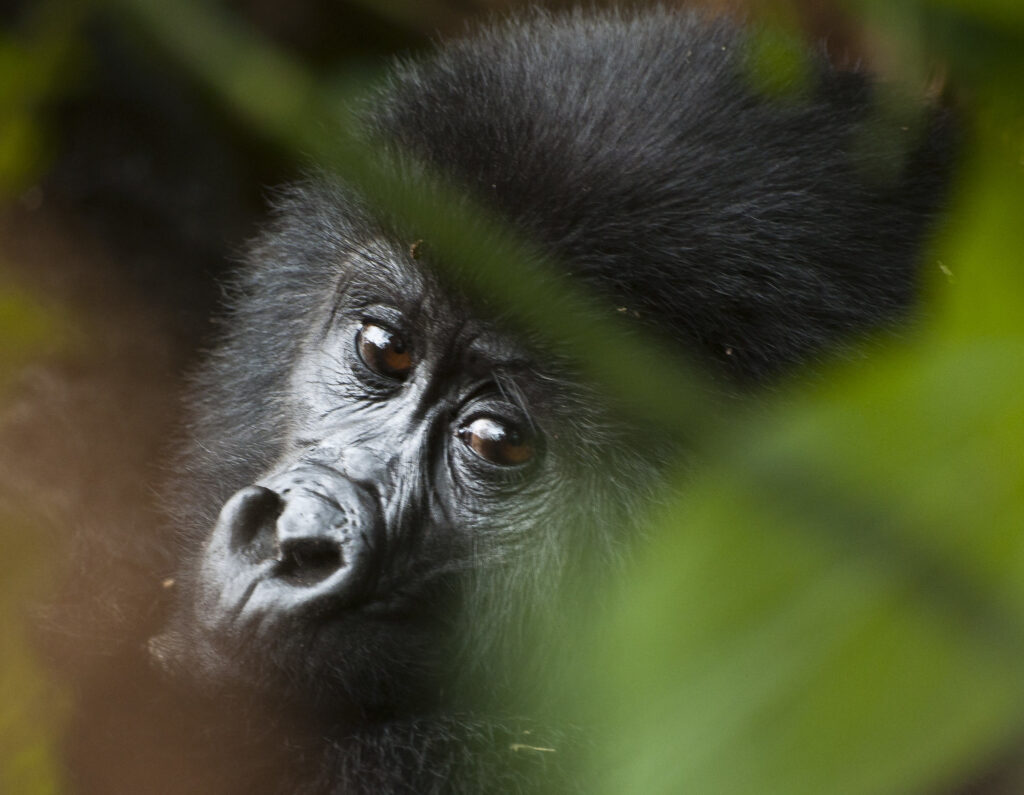
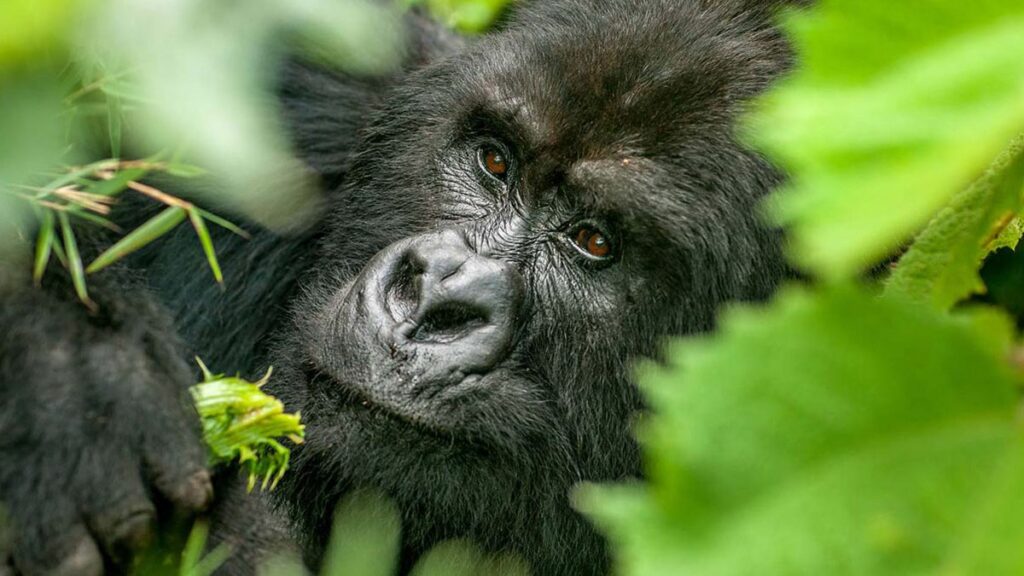
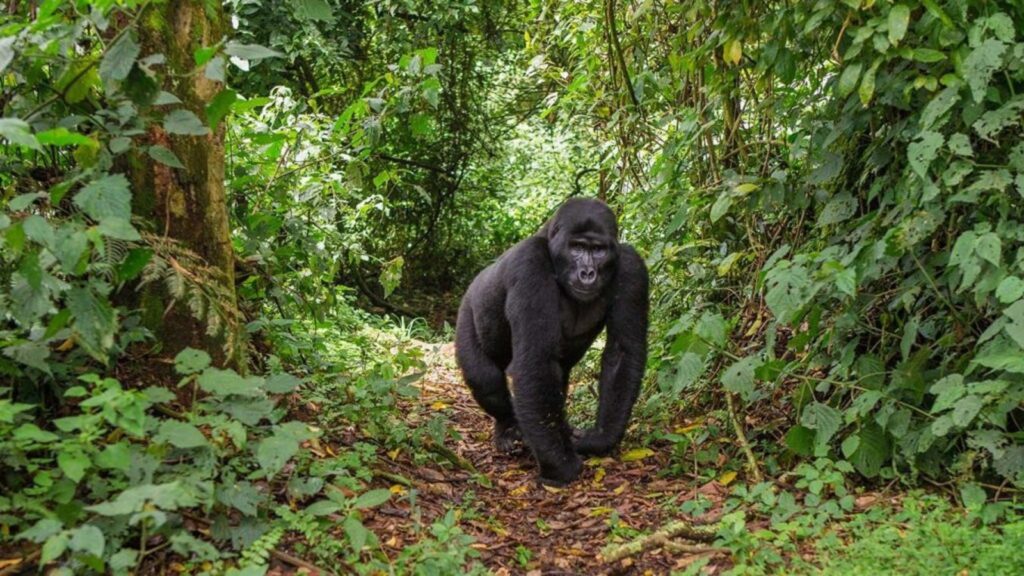
Finding the best gorilla group photography experience is a major priority for travelers who want to capture memorable images during a mountain gorilla safari. Gorilla trekking provides rare opportunities to photograph silverbacks, mothers with infants, playful juveniles, and other members of a gorilla family in their natural forest habitat.
However, no gorilla family can permanently guarantee the best photography experience. Mountain gorillas move freely through their habitat, and their location, behavior, vegetation, weather, and available light can change every day.
For photographers, the best gorilla group is often one that offers interesting social behavior, several age groups, active juveniles, infants, and impressive silverbacks. The forest environment also matters because dense vegetation and low light can make photography more challenging.
Uganda, Rwanda, and the Democratic Republic of Congo all offer excellent mountain gorilla photography opportunities. Understanding the characteristics of different families can help travelers make better decisions when planning their safari.
What Makes a Gorilla Group Good for Photography?
Several factors can make a gorilla family particularly interesting for photographers.
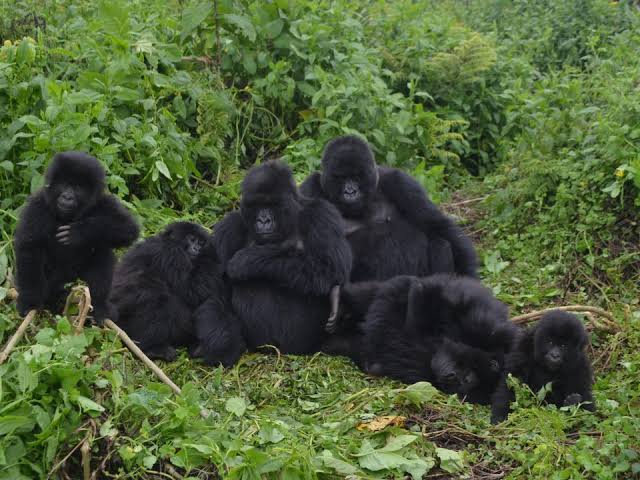
A group with several silverbacks can provide opportunities to capture powerful portraits, displays, communication, and social interactions. Families with infants and juveniles can provide more dynamic images because young gorillas frequently play, climb, wrestle, and interact with adults.
Group size can also influence the variety of photographs available. A larger family may provide more individuals and age categories to photograph.
The surrounding vegetation is another important factor. Gorillas in open vegetation can be easier to photograph than animals hidden behind thick leaves and branches.
Most importantly, behavior matters. A family that is actively feeding, grooming, playing, or moving through the forest may provide more photographic opportunities than a group that spends much of the encounter resting.
Is There an Official Best Gorilla Group for Photography?
There is no officially designated best gorilla group for photography.
Wildlife authorities allocate trekking groups according to conservation, operational, and tourism considerations rather than photographic preferences.
Gorilla families also move naturally through their habitat.
A family that provided excellent photographs to one traveler may be deep inside dense vegetation during another visit.
For this reason, photographers should treat family recommendations as useful guidance rather than guarantees.
The unpredictability of wildlife is part of what makes gorilla photography so rewarding.
Best Gorilla Groups for Photography in Rwanda
Rwanda’s Volcanoes National Park is one of Africa’s most accessible mountain gorilla destinations.
The park has several habituated gorilla families, including Sabyinyo, Amahoro, Agashya, Kwitonda, Susa, and others.
Each family has a different history and social structure.
For photographers, groups containing infants, juveniles, several adults, or multiple silverbacks can provide diverse subjects.
The actual experience depends on the group’s location and behavior on the day of trekking.
Sabyinyo Gorilla Group
The Sabyinyo gorilla group is one of the recognized families in Volcanoes National Park.
The family takes its name from Mount Sabyinyo, one of the prominent volcanoes in the Virunga Mountains.
Sabyinyo can provide opportunities to photograph silverbacks, females, juveniles, and other members depending on its current composition.
The family’s surroundings can also provide attractive environmental photography opportunities.
Photographers should remember that the gorillas move naturally, so the group’s position and available light cannot be predicted precisely.
Amahoro Gorilla Group
The Amahoro gorilla group is another well-known family in Rwanda.
Amahoro means “peace” in Kinyarwanda.
The family has an interesting social history and provides opportunities to observe natural behaviors such as grooming, feeding, resting, and interaction between adults and young gorillas.
For photographers, behavioral moments can be more valuable than static portraits.
A mother interacting with an infant or juveniles playing together can create more memorable images than a gorilla simply looking toward the camera.
Agashya Gorilla Group
Agashya is another habituated gorilla family in Volcanoes National Park.
The group was historically known as Group 13 before adopting the name Agashya.
Its changing social structure makes it an interesting family for wildlife enthusiasts.
Photographers may encounter different age groups and social behaviors during the trek.
However, the group’s location and composition can change over time.
Travelers should therefore confirm current information before planning a trip specifically around Agashya.
Kwitonda Gorilla Group
The Kwitonda family is one of Rwanda’s recognized mountain gorilla groups.
It was named after the silverback Kwitonda, whose name means “the humble one.”
The family has an interesting history involving the movement of gorillas between groups and changes in leadership.
For photographers, Kwitonda can provide opportunities to capture silverbacks, adult females, juveniles, and infants when present.
Its social history also makes the family appealing to travelers interested in combining photography with gorilla behavior and conservation.
Susa Gorilla Group
Susa is one of Rwanda’s most famous gorilla families.
The group has a long conservation and research history and has become particularly well known among gorilla enthusiasts.
Its social history provides photographers with opportunities to document interactions between different members.
The presence of young gorillas can create opportunities for action photography, while mature silverbacks provide impressive portrait subjects.
However, forest conditions can sometimes make photography difficult because of shadows and dense vegetation.
Best Gorilla Groups for Photography in Uganda
Uganda provides mountain gorilla trekking in Bwindi Impenetrable National Park and Mgahinga Gorilla National Park.
Bwindi has several trekking sectors, including Buhoma, Ruhija, Rushaga, and Nkuringo.
The different sectors contain different gorilla families and forest conditions.
For photographers, choosing the right sector can be as important as choosing a family.
Light, terrain, vegetation, and accessibility can all influence the photography experience.
The Mubare family is one of the historically important gorilla groups in Bwindi.
It is associated with the Buhoma sector and has a long history of gorilla tourism.
Its conservation history makes it particularly interesting for wildlife photographers who want to combine photography with an understanding of gorilla conservation.
The family can provide opportunities to photograph different age groups depending on its current composition.
Habinyanja Gorilla Group
Habinyanja is another famous family associated with Buhoma.
The group has experienced leadership changes, births, transfers, and other social developments.
These changes make it an interesting subject for photographers interested in natural gorilla behavior.
Photographers may capture grooming, feeding, resting, movement, and social interaction.
Rushegura is also associated with the Buhoma sector.
The family developed following a separation from Habinyanja.
This history demonstrates how gorilla groups can naturally divide as social relationships change.
For photographers, the family can provide opportunities to capture both individual portraits and group behavior.
Bitukura Gorilla Group
Bitukura is one of the recognized families in Bwindi’s Ruhija sector.
The group has historically included several silverbacks and younger gorillas.
Multiple silverbacks can create interesting photographic opportunities because photographers may observe natural communication, grooming, movement, and social interactions.
Photographers should never attempt to provoke displays or other behavior.
Oruzogo Gorilla Group
Oruzogo is another well-known Ruhija family.
The group has historically attracted attention for its active young gorillas.
Juveniles may climb, wrestle, chase one another, and interact with adults.
This makes Oruzogo particularly interesting for photographers who enjoy action and behavioral wildlife photography.
However, gorilla behavior is unpredictable, and no specific activity is guaranteed during a trek.
Kyaguliro Gorilla Group
Kyaguliro is another important family in the Ruhija sector.
The group has a significant history of scientific monitoring and research.
For photographers interested in conservation, behavioral documentation, and natural history, Kyaguliro can be especially interesting.
The family provides opportunities to photograph gorillas within their forest environment while observing natural social behavior.
Busingye Gorilla Group
Busingye is associated with the Rushaga sector in southern Bwindi.
The family provides opportunities to photograph different age groups and social interactions.
Its name is associated with peace.
Photographers should focus on natural behavior rather than simply seeking close-up portraits.
Grooming, feeding, infant care, and juvenile play can all produce compelling images.
Bikingi Gorilla Group
Bikingi is another family associated with southern Bwindi.
Its history includes movement of individual gorillas between different groups.
This makes it particularly interesting for visitors interested in gorilla social structures.
The dense forest surroundings can also provide opportunities for environmental portraits showing gorillas within their natural habitat.
Nkuringo Gorilla Group
Nkuringo is associated with the southern part of Bwindi.
The area is known for steep terrain and impressive forest scenery.
For photographers who enjoy environmental wildlife photography, the landscape can be as important as the gorillas themselves.
Photographs can sometimes combine the animals with the surrounding forest and mountain environment.
The demanding terrain, however, means photographers should carefully consider the weight of their equipment.
Best Gorilla Groups for Photography in Congo
Virunga National Park in the Democratic Republic of Congo provides another exceptional mountain gorilla photography destination.
Recognized habituated families include Bageni, Kabirizi, Masibo, Mapuwa, Wilungula, Rugendo, Humba, Nyakamwe, Lulengo, Munyaga, and Baraka.
The families have different histories and social structures.
A large family can provide many potential subjects, while a smaller family may allow photographers to focus more closely on individual behavior.
The actual photography experience depends on the family’s location and conditions during the trek.
Bageni Gorilla Family
The Bageni is one of the largest habituated gorilla families in Virunga.
Its size can provide photographers with a wide range of subjects.
Silverbacks, females, juveniles, and infants may all be present.
Large groups can also create opportunities to photograph social interactions between several individuals.
The family can therefore be attractive to photographers who enjoy behavioral and documentary photography.
Baraka Gorilla Family
Baraka is another recognized family in Virunga.
The group has attracted conservation attention because of reproductive developments, including documented twin births.
Twin births are extremely rare among mountain gorillas.
When infants are present, photographers can potentially capture important family interactions and maternal behavior.
However, photographers should never assume that a particular infant or other individual will be present on their trekking date.
Photography Opportunities With Silverbacks
Silverbacks are among the most impressive subjects during gorilla photography.
Their large bodies, muscular shoulders, silver hair, and expressive faces make powerful portraits.
A silverback may remain quietly seated while feeding or resting.
It may also communicate through vocalizations, posture, chest beating, or other natural behaviors.
Never attempt to provoke a display for a photograph.
The strongest wildlife images usually come from observing patiently and allowing the animals to behave naturally.
Photography Opportunities With Infants
Gorilla infants can produce some of the most memorable photographs during a trek.
They may cling to their mothers, sleep, feed, or observe the surrounding forest.
Mothers often provide interesting photographic opportunities because of their close relationships with infants.
Photographers should remain patient and avoid making noise to attract attention.
A natural moment between a mother and infant is usually more meaningful than a forced photograph.
Photography Opportunities With Juveniles
Juveniles are often more active than adult gorillas.
They may climb, wrestle, chase one another, and explore the surrounding vegetation.
These activities create opportunities for action photography.
A fast shutter speed can help freeze movement.
Photographers should also watch the background carefully because dense vegetation can make fast-moving subjects difficult to isolate.
Best Lens for Gorilla Photography
A versatile telephoto zoom lens is often useful for gorilla photography.
A lens in the 70–200mm range can provide flexibility for both portraits and wider compositions.
A longer lens can provide additional reach but may become heavy during a long trek.
A wide-angle lens can complement a telephoto lens when photographers want to capture environmental images showing gorillas within the forest.
The best setup depends on the photographer’s experience and physical ability to carry equipment.
Best Camera Settings for Gorilla Photography
Mountain gorilla habitats often have low and uneven light.
A relatively fast shutter speed can help freeze movement.
An aperture around f/4 to f/5.6 can provide a useful balance between light and depth of field.
Photographers may need to increase ISO when the forest becomes darker.
Continuous autofocus can be useful when photographing moving juveniles.
Always check exposure and focus regularly because light can change quickly beneath the forest canopy.
Can You Use Flash During Gorilla Trekking?
Flash photography should not be used around mountain gorillas.
A sudden burst of light can disturb the animals.
Photographers should rely on available light and adjust their camera settings accordingly.
Increasing ISO or opening the aperture can help in darker conditions.
The guide’s instructions should always take priority over obtaining a photograph.
Best Time for Gorilla Photography
Gorilla trekking takes place during daylight hours.
Morning light can sometimes provide attractive conditions, while overcast skies may produce softer and more even illumination.
However, the forest canopy can create shadows at any time of day.
Photographers should therefore prepare for changing light rather than depending on a specific hour.
Weather conditions can also change rapidly in mountain gorilla habitats.
Gorilla Photography in Rain
Rain is common in mountain gorilla habitats.
Photographers should protect cameras and lenses with waterproof covers or suitable rain protection.
Extra protection should also be used for batteries, memory cards, phones, and other electronics.
Rain does not necessarily ruin a photography experience.
Wet vegetation can create beautiful textures and atmospheric backgrounds.
Photographers should simply protect their equipment and continue following the guide’s instructions.
Responsible photography is essential.
Visitors should never use flash.
Do not move closer to a gorilla to obtain a better photograph.
Do not make noises to attract attention.
Do not block the animals’ movement.
Never attempt to touch or feed a gorilla.
If a gorilla approaches the group, remain calm and follow the guide’s instructions.
These rules protect the gorillas while allowing visitors to document their natural behavior.
How to Get Better Gorilla Photographs
Patience is one of the most important skills in wildlife photography.
Watch the gorillas before taking photographs.
Look for moments involving grooming, feeding, infant care, communication, or juvenile play.
Think about the background and available light.
Avoid photographing every second of the encounter.
Instead, wait for meaningful expressions and interactions.
Sometimes the best photograph appears when a gorilla looks directly toward the camera, but photographers should never attempt to force eye contact.
Should You Request a Particular Gorilla Group for Photography?
You can communicate your photography interests to your tour operator.
However, requesting a particular family does not guarantee that you will trek with that group.
Family allocation depends on current park arrangements, availability, conservation requirements, and other operational considerations.
A better approach is to explain that photography is important to you and ask about the current families and trekking arrangements.
Which Country Is Best for Gorilla Photography?
All three mountain gorilla destinations offer exceptional photography opportunities.
Rwanda’s Volcanoes National Park is attractive because of its accessibility and established tourism infrastructure.
Uganda offers several trekking sectors in Bwindi, giving travelers more options when planning their safari.
Virunga provides a more remote wilderness experience in the Democratic Republic of Congo.
The best destination depends on your budget, travel plans, photography goals, accommodation preferences, and current travel conditions.
Frequently Asked Questions
What is the best gorilla group for photography?
There is no permanently designated best family. Groups with active juveniles, infants, several silverbacks, or diverse age groups can provide excellent photography opportunities.
Which gorilla group is best for photography in Rwanda?
Sabyinyo, Amahoro, Agashya, Kwitonda, and Susa can all provide excellent opportunities. The group’s location and behavior on the day are more important than its name.
Is Oruzogo a good gorilla group for photography?
Oruzogo can be particularly interesting for photographers who enjoy photographing juvenile activity and social behavior. However, animal behavior cannot be guaranteed.
Is Bageni good for photography?
Bageni’s large family size can provide opportunities to photograph different individuals and social interactions.
What lens is best for gorilla photography?
A versatile 70–200mm lens can work well for portraits and general wildlife photography. A wide-angle lens can complement it for environmental photographs.
Can I use flash?
No. Flash photography should not be used around mountain gorillas.
Can I use a smartphone?
Yes. Modern smartphones can produce good photographs, particularly when lighting is favorable. A dedicated camera provides greater flexibility for low-light conditions and distant subjects.
Can I use a tripod?
A full-size tripod is generally impractical for a forest trek. Photographers should prioritize lightweight equipment that they can safely carry.
What happens if a gorilla approaches me while I am photographing?
Remain calm and follow your guide’s instructions. Do not move toward the gorilla or attempt to touch it.
Should I hire a porter for photography equipment?
Hiring a porter can be useful if you are carrying a heavy camera body, multiple lenses, rain protection, water, and other equipment.
Conclusion
Choosing the best gorilla group photography experience is not simply about selecting a particular family. Gorilla families move naturally through the forest, and their behavior and composition change over time.
Rwanda, Uganda, and the Democratic Republic of Congo all offer excellent opportunities to photograph mountain gorillas. Families such as Sabyinyo, Amahoro, Agashya, Kwitonda, Oruzogo, Bitukura, Bageni, and others can provide memorable encounters.
The most important factors are patience, preparation, suitable equipment, and respect for the animals.
A versatile lens, good low-light performance, rain protection, and appropriate camera settings can significantly improve your results.
Most importantly, allow the gorillas to behave naturally. Do not use flash, make noises to attract them, or move closer for a photograph.
The best gorilla photograph is not necessarily the closest one. It is the image that captures a genuine moment while respecting the animal and the conservation rules that make responsible gorilla tourism possible.