Gorilla Trekking CAR Africa: Complete Guide to Gorilla Trekking in the Central African Republic
Gorilla trekking CAR Africa offers one of the most remote and exclusive wildlife experiences on the continent. While Uganda, Rwanda, and the Democratic Republic of Congo dominate the gorilla tourism industry, the Central African Republic provides a unique opportunity to encounter western lowland gorillas in some of Africa’s most pristine rainforest environments.
The Central African Republic, often abbreviated as CAR, contains vast wilderness areas that form part of the Congo Basin rainforest ecosystem. These forests support an impressive variety of wildlife, including western lowland gorillas, forest elephants, chimpanzees, and hundreds of bird species.
For adventurous travelers seeking an authentic rainforest expedition far from traditional safari routes, gorilla trekking in the Central African Republic offers a remarkable journey into one of Africa’s least-visited wildlife destinations.
This guide covers everything you need to know about gorilla trekking CAR Africa, including gorilla habitats, trekking experiences, conservation efforts, travel logistics, safety considerations, and the best places to see western lowland gorillas.
Are There Gorillas in the Central African Republic?
Yes, the Central African Republic is home to western lowland gorillas.
These gorillas inhabit the dense tropical rainforests of the country’s southwestern region, particularly near the borders with Cameroon and the Republic of Congo. The forests provide ideal habitat conditions, including abundant vegetation, water sources, and relatively low levels of human disturbance.
Western lowland gorillas are the most widespread gorilla subspecies in Central Africa.
They play a critical role in maintaining healthy rainforest ecosystems.
Understanding Western Lowland Gorillas
Western lowland gorillas differ from the mountain gorillas found in East Africa.
Scientifically classified as Gorilla gorilla gorilla, they generally possess shorter fur, smaller bodies, and adaptations suited to tropical lowland rainforests. They spend much of their time feeding on fruits, leaves, shoots, and other forest vegetation.
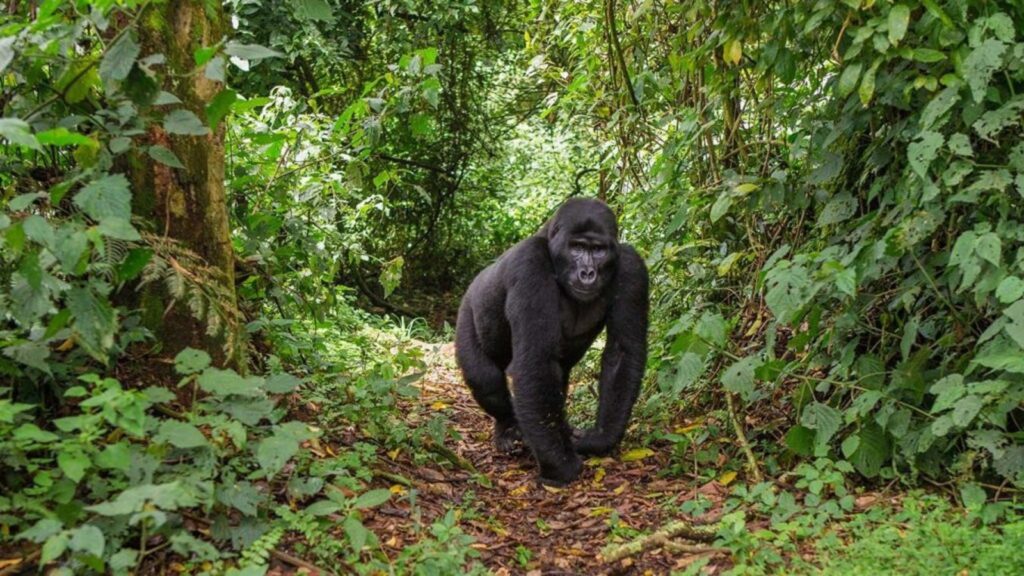
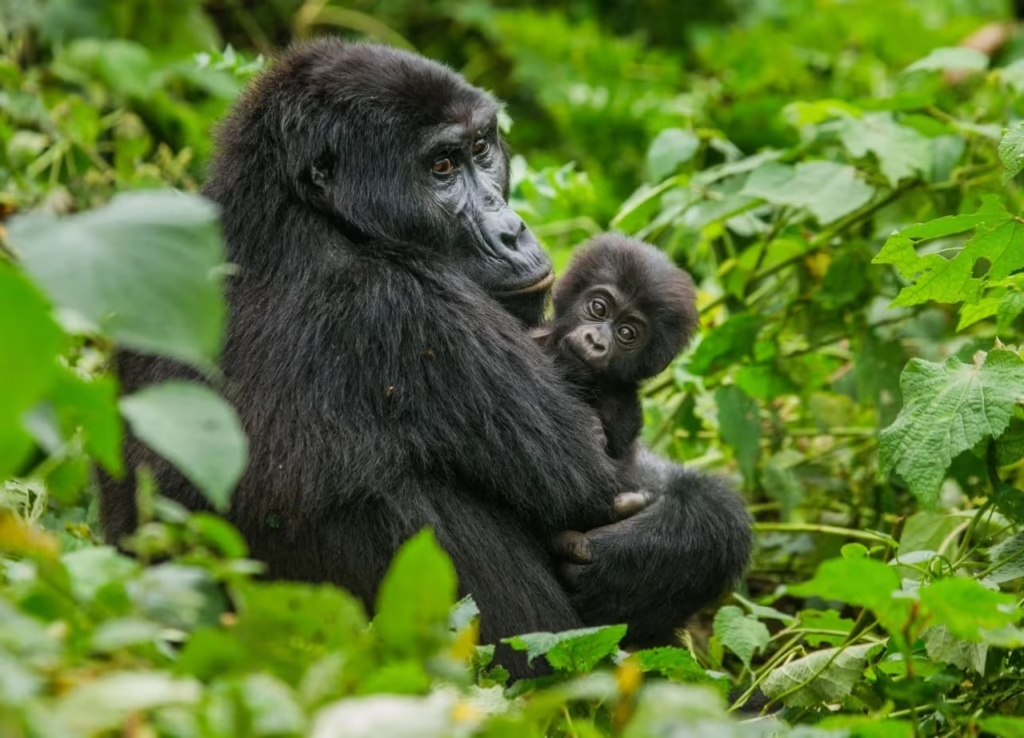
These gorillas live in family groups led by a dominant silverback.
Their social behavior closely resembles that of other gorilla subspecies.
Why the Central African Republic Is Important for Gorilla Conservation
The forests of the Central African Republic form part of one of the world’s most important biodiversity regions.
Large tracts of relatively intact rainforest continue to support significant wildlife populations. These ecosystems provide refuge for endangered species that have experienced habitat loss elsewhere in Central Africa.
Conservation efforts in the country contribute to regional wildlife protection goals.
Protecting gorilla habitats remains a key conservation priority.
The Best Place for Gorilla Trekking in CAR
Dzanga-Sangha Protected Areas


The most famous destination for gorilla tourism in the Central African Republic is the Dzanga-Sangha Protected Areas.
Located in the southwestern corner of the country, the protected area forms part of the larger Sangha Trinational conservation landscape shared with neighboring Cameroon and the Republic of Congo.
The region contains exceptional biodiversity and some of the best opportunities to observe habituated western lowland gorillas.
It is widely regarded as one of Africa’s premier rainforest destinations.
What Makes Dzanga-Sangha Special?
Dzanga-Sangha stands out because it offers one of the few locations where visitors can track habituated western lowland gorillas.
Years of scientific research and conservation work have enabled selected gorilla groups to become accustomed to human presence. This process allows visitors to observe gorillas safely while minimizing stress on the animals.
The rainforest environment remains largely untouched.
Visitors often experience a true sense of wilderness and exploration.
The Gorilla Trekking Experience
A typical trekking day begins with an early morning briefing.
Guides explain gorilla behavior, conservation guidelines, safety procedures, and trekking expectations. Small groups then enter the rainforest alongside experienced trackers who search for signs of gorilla activity.
Trackers use nests, feeding remains, footprints, and vocalizations to locate the gorillas.
The search itself forms an important part of the adventure.
Encountering Western Lowland Gorillas
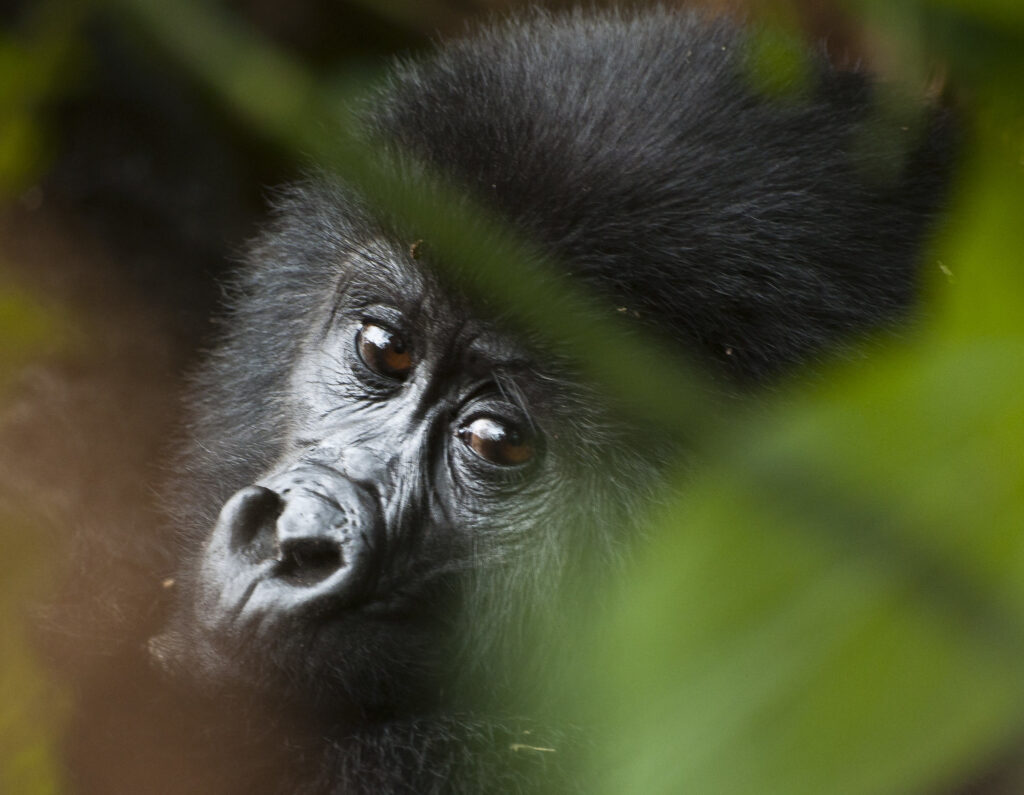
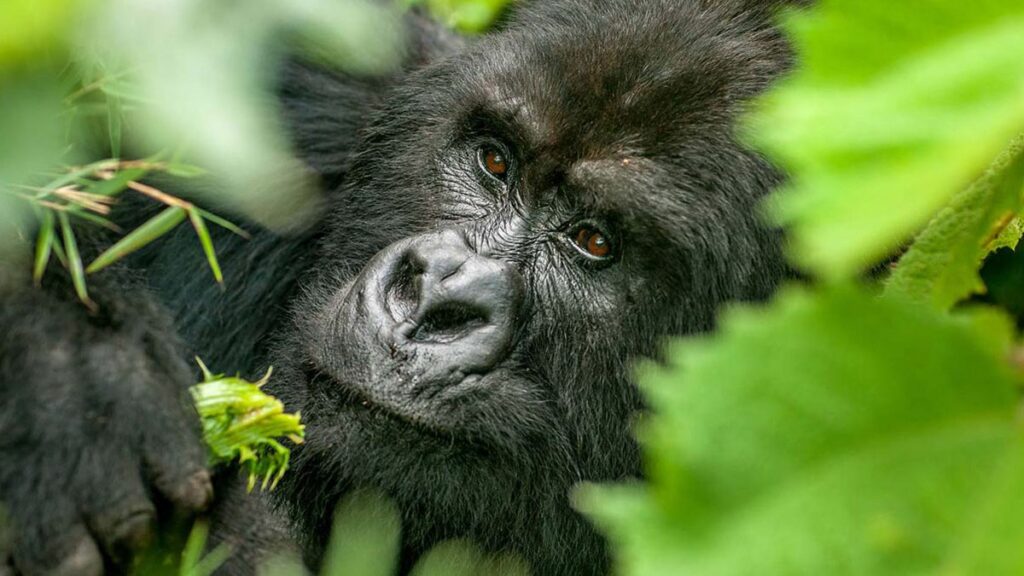
Once the gorilla family is located, visitors spend time observing the animals in their natural environment.
The experience allows guests to witness feeding, grooming, resting, social interactions, and parenting behavior. Watching a silverback lead his family through the rainforest often becomes the highlight of the journey.
Every encounter is unique.
The opportunity to observe gorillas in a remote rainforest setting creates lasting memories.
Difficulty Level of Gorilla Trekking
The physical demands of trekking vary depending on the location of the gorilla family.
Visitors may walk through dense vegetation, muddy terrain, and humid rainforest conditions. While the trails generally lack the steep mountain slopes found in Uganda and Rwanda, the tropical environment presents its own challenges.
Most travelers with moderate fitness levels can participate successfully.
Proper preparation enhances comfort and enjoyment.
Wildlife Beyond Gorillas
The Central African Republic offers much more than gorilla trekking.
The forests support forest elephants, chimpanzees, bongos, duikers, monkeys, reptiles, and hundreds of bird species. One of the region’s most famous attractions is the forest elephant gathering at the Dzanga Bai clearing.
Visitors often witness remarkable wildlife concentrations.
The overall safari experience extends beyond gorilla encounters.
Dzanga Bai: The Forest Elephant Spectacle
Dzanga Bai is one of Africa’s most extraordinary wildlife viewing locations.
This large forest clearing attracts numerous forest elephants that gather to feed on mineral-rich soils. Visitors observe the animals from elevated viewing platforms while researchers monitor their behavior.
The bai offers exceptional wildlife photography opportunities.
Few locations provide such intimate views of forest elephants.
Conservation Efforts in Dzanga-Sangha
Conservation organizations, researchers, local communities, and government agencies collaborate to protect wildlife within the protected area.
Their efforts focus on anti-poaching operations, scientific research, habitat management, community development, and sustainable tourism initiatives.
Tourism revenue contributes directly to conservation funding.
Responsible travel helps support these important programs.
Safety Considerations
Safety remains an important factor when planning travel to the Central African Republic.
Conditions can change over time, and travelers should always review current travel advisories, consult reputable tour operators, and verify local conditions before booking. Tourism activities within protected areas typically operate under established management and security procedures.
Advance planning is essential.
Up-to-date information helps travelers make informed decisions.
Best Time to Visit
Gorilla trekking takes place throughout the year.
Many visitors prefer drier periods because forest trails are often easier to navigate. However, rainforest environments remain biologically rich in every season.
Wildlife viewing opportunities remain excellent year-round.
Preparation for varying weather conditions is recommended.
Accommodation Options
Visitors to Dzanga-Sangha can choose from several eco-lodges and conservation-focused accommodations.
Many properties emphasize sustainability and provide access to guided wildlife activities. Lodges often work closely with conservation organizations and local communities.
Advance reservations are strongly recommended.
Capacity can be limited in remote rainforest destinations.
Comparing CAR with Uganda and Rwanda
Travelers frequently compare the Central African Republic with East Africa’s gorilla destinations.
Uganda
Uganda offers mountain gorilla trekking in well-established tourism areas with extensive safari infrastructure.
Rwanda
Rwanda provides premium gorilla trekking experiences with excellent accessibility and luxury accommodation options.
Central African Republic
The Central African Republic offers a more remote and adventurous experience focused on western lowland gorillas and rainforest exploration. It appeals particularly to experienced wildlife travelers seeking less-visited destinations.
Each destination offers a distinct perspective on gorilla conservation.
Why Choose Gorilla Trekking in CAR?
Gorilla trekking in the Central African Republic appeals to travelers who value exclusivity, wilderness, and authentic rainforest experiences.
The opportunity to track habituated western lowland gorillas in one of Africa’s least-explored wildlife regions creates a truly distinctive adventure. Combined with forest elephant viewing, rich biodiversity, and meaningful conservation impact, the experience stands apart from conventional safari itineraries.
The journey rewards curiosity and a spirit of exploration.
Its remoteness is part of its appeal.
Conclusion
Gorilla trekking CAR Africa offers one of the most unique wildlife experiences available anywhere in the world. The Dzanga-Sangha Protected Areas provide rare opportunities to observe western lowland gorillas in their natural rainforest habitat while supporting critical conservation efforts.
Although travel to the Central African Republic requires careful planning, visitors who make the journey gain access to extraordinary wildlife, pristine forests, and unforgettable encounters with one of humanity’s closest relatives. For adventurous travelers seeking a gorilla trekking experience beyond the traditional East African destinations, the Central African Republic delivers an exceptional and rewarding adventure.