
Altitude Sickness Gorilla Trekking: What to Expect in Volcanoes National Park
Altitude plays a major role in mountain gorilla trekking, especially in Rwanda’s volcanic region. Many travelers underestimate how elevation can affect the body during hiking. Understanding altitude sickness gorilla trekking is important if you plan to visit high-altitude destinations such as Volcanoes National Park.
Gorilla trekking takes place in areas where elevation changes quickly, and even physically fit travelers may feel the effects of thinner air. Knowing the symptoms, causes, and prevention methods helps you prepare properly and enjoy a safe and successful trek.
Whether you are heading into Volcanoes National Park or other gorilla habitats in the region, altitude awareness is essential for a smooth experience.
Why Altitude Matters in Gorilla Trekking
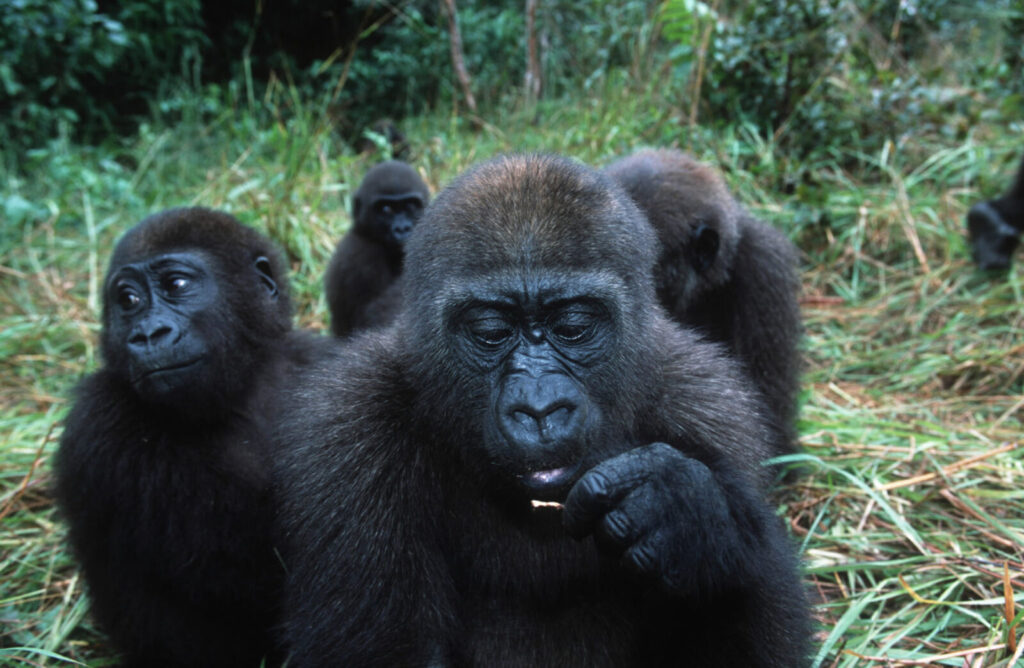
Mountain gorillas live in high-altitude forests, often between 2,200 and 4,000 meters above sea level. At these elevations, oxygen levels are lower than what most travelers are used to at sea level.
Your body needs time to adjust.
Even short hikes can feel more demanding than expected.
The combination of steep slopes, humidity, and reduced oxygen makes altitude an important factor during trekking.
What Is Altitude Sickness?
Altitude sickness is a condition that occurs when your body struggles to adjust to lower oxygen levels at high elevations.
It can affect anyone, regardless of age or fitness level.
The condition is usually mild during gorilla trekking, but it can still cause discomfort if not managed properly.
Common Symptoms of Altitude Sickness During Gorilla Trekking
Mild Symptoms
Headache.
Fatigue.
Shortness of breath during walking.
Dizziness.
Reduced appetite.
Mild nausea.
These symptoms often appear during the first hours of trekking.
Moderate Symptoms
Increased headache intensity.
Noticeable weakness.
Difficulty maintaining pace.
Mild confusion or slowed thinking.
These symptoms require rest and hydration.
Severe Symptoms (Rare in Gorilla Trekking)
Severe breathlessness at rest.
Persistent vomiting.
Loss of coordination.
Confusion or disorientation.
Severe altitude sickness is rare during gorilla trekking because treks are usually day hikes with gradual ascent, but it requires immediate attention if it occurs.
Why Volcanoes National Park Increases Altitude Sensitivity
Volcanoes National Park sits in a volcanic mountain range with steep and uneven terrain.
Trekkers often start at already high elevations and climb further into forested slopes.
The rapid altitude gain during hiking can make symptoms more noticeable.
Weather conditions such as mist, rain, and humidity can also make the hike feel more intense.
Who Is More Likely to Experience Altitude Sickness?
Anyone can experience altitude effects, but certain factors increase risk:
Travelers coming directly from low-altitude regions.
People who do not acclimatize before trekking day.
Those who hike too quickly without pacing.
Individuals who do not drink enough water.
However, many trekkers experience only mild symptoms that fade as the body adjusts.
How to Prevent Altitude Sickness During Gorilla Trekking
Arrive a Day Earlier
Spending at least one night near the park helps your body adjust slightly.
This is especially helpful for first-time high-altitude travelers.
Stay Hydrated
Drink water consistently before and during the trek.
Dehydration can worsen altitude symptoms.
Walk Slowly and Steadily
Pacing is very important.
Guides often encourage slow movement to conserve energy and reduce strain.
Avoid Alcohol Before Trekking
Alcohol increases dehydration and can worsen altitude effects.
It is best avoided the night before the trek.
Eat Light but Energizing Meals
Heavy meals can make you feel sluggish.
Balanced food helps maintain energy levels.
Get Enough Rest
Good sleep before trekking day improves your body’s ability to adjust.
What to Do If You Feel Altitude Sickness
If you experience mild symptoms, continue walking slowly and drink water.
Take short breaks when needed.
Inform your guide immediately if symptoms increase.
In most cases, symptoms improve once you adjust your pace.
Severe symptoms are rare but require stopping the trek and descending if necessary.
Your guide will always prioritize your safety.
Does Fitness Prevent Altitude Sickness?
Not completely.
Even very fit travelers can experience altitude symptoms.
Fitness helps with endurance, but it does not replace acclimatization.
This is why pacing and hydration matter more than physical strength alone.
Best Time to Trek with Lower Altitude Stress
Early morning treks often feel easier because temperatures are cooler.
Dry seasons also provide more stable hiking conditions.
However, altitude effects depend more on elevation than weather alone.
Planning rest before the trek is more important than season choice.
Other Gorilla Trekking Areas with Similar Altitude Conditions
Although this guide focuses on Rwanda, similar altitude conditions exist in other gorilla habitats:
Bwindi Impenetrable National Park also has high-altitude forest terrain with steep hills.
Mgahinga Gorilla National Park shares volcanic landscape characteristics similar to Rwanda.
Virunga National Park includes mountainous regions where altitude can also affect trekkers.
How Guides Help Manage Altitude Challenges
Gorilla trekking guides are trained to manage altitude-related issues.
They control hiking speed to match group fitness levels.
They encourage regular breaks when needed.
They monitor trekkers for signs of fatigue or discomfort.
Their experience helps ensure a safe and manageable trek.
Conclusion
Understanding altitude sickness gorilla trekking helps you prepare for a safer and more enjoyable experience in high-altitude gorilla habitats. While most trekkers only experience mild symptoms, awareness and preparation make a significant difference.
Destinations like Volcanoes National Park offer incredible wildlife encounters, but they also require respect for elevation and physical effort.
By staying hydrated, pacing yourself, and listening to your guide, you can minimize altitude effects and fully enjoy the unforgettable experience of meeting mountain gorillas in their natural environment.



