Tip Guide Gorilla Trekking: Complete Guide to Tipping Your Gorilla Trekking Guide
A gorilla trekking guide plays a central role in your safari experience. From briefing you before the trek to leading you deep into the rainforest in search of mountain gorillas, the guide ensures safety, coordination, and a successful encounter. Because of this important role, many travelers ask how to handle tip guide gorilla trekking etiquette properly.
Tipping your gorilla trekking guide is not mandatory, but it is a widely practiced and appreciated gesture. It recognizes the guide’s expertise, leadership, and effort in making your trek smooth and memorable.
Whether you are trekking in Bwindi Impenetrable National Park, Mgahinga Gorilla National Park, Volcanoes National Park, or Virunga National Park, understanding guide tipping etiquette helps you show proper appreciation while respecting local tourism customs.
Who Is a Gorilla Trekking Guide?
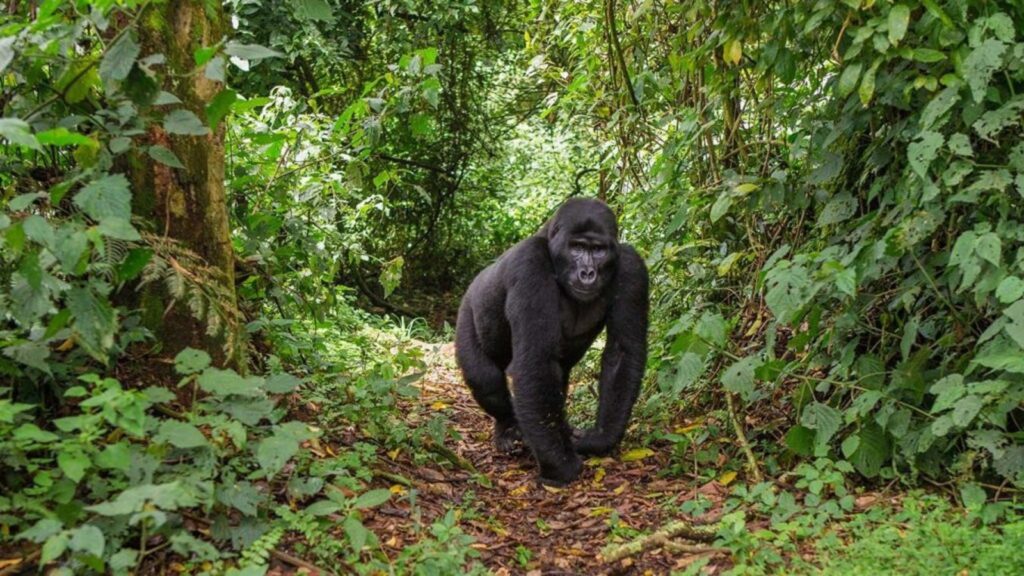
A gorilla trekking guide is a trained park official or licensed expert responsible for leading trekkers into gorilla habitats.
Guides receive extensive training in wildlife behavior, forest navigation, and safety procedures.
They coordinate the trekking group, communicate with trackers, and ensure that visitors follow gorilla viewing rules.
Their role is essential to both visitor safety and gorilla conservation.
Why Gorilla Trekking Guides Are Important
Gorilla trekking would not be possible without experienced guides.
They understand forest trails, gorilla family movements, and changing environmental conditions.
Guides interpret gorilla behavior, ensuring that visitors maintain a safe and respectful distance.
They also manage group discipline and ensure compliance with park regulations.
Without guides, trekking would be unsafe and disorganized.
Is It Necessary to Tip a Gorilla Trekking Guide?
Tipping is not required by park authorities.
However, it is a common and appreciated practice among visitors.
A tip is a way to show gratitude for the guide’s professionalism, knowledge, and effort throughout the trek.
Many travelers choose to tip because they recognize the guide’s critical role in the experience.
Why Tipping Your Guide Matters
Gorilla trekking guides often work in demanding conditions.
They lead groups through steep slopes, thick vegetation, and unpredictable weather.
They also take responsibility for visitor safety in remote environments.
A tip acknowledges this responsibility and effort.
In many cases, tipping also contributes to the local tourism economy, supporting individuals who dedicate their careers to conservation and wildlife protection.
Recommended Tip Guide Gorilla Trekking Etiquette
Standard Guiding Service
For a normal trekking experience where the guide provides professional leadership and successful gorilla tracking, many visitors offer a modest tip as a sign of appreciation.
The exact amount depends on personal preference, group size, and overall satisfaction.
Exceptional Guiding Experience
Some guides go beyond expectations by providing detailed wildlife explanations, exceptional group coordination, or extra support during challenging treks.
In such cases, many visitors choose to increase their tip to reflect the quality of service.
Group Tours
In group safaris, travelers often combine contributions and present a single collective tip to the guide.
This ensures fairness and simplifies the process.
When to Tip Your Gorilla Trekking Guide
The most appropriate time to tip your guide is at the end of the trek.
This usually takes place after returning to the park headquarters or designated meeting point.
At this stage, you can reflect on the overall experience and express your appreciation directly.
How to Present a Tip Respectfully
Give the Tip Directly
Hand the tip to the guide personally whenever possible.
This ensures it is received directly and respectfully.
Express Gratitude
A simple thank-you message goes a long way.
Acknowledging the guide’s effort adds meaning to the gesture.
Be Discreet
Tipping should be done respectfully without unnecessary attention.
A calm and polite approach is always best.
Should You Carry Cash for Tipping?
Yes.
Cash remains the most practical option for tipping gorilla trekking guides.
Small denominations are especially useful, as they make tipping easier and more flexible.
It is advisable to prepare tip money before the trek begins to avoid inconvenience afterward.
Guide Tipping in Uganda
Bwindi Impenetrable National Park
Bwindi Impenetrable National Park employs highly trained guides who lead treks through some of Africa’s most challenging rainforest terrain.
Tipping is common among visitors who appreciate their leadership and expertise.
Mgahinga Gorilla National Park
Mgahinga Gorilla National Park also provides experienced guides who assist trekkers on volcanic slopes and forest trails.
Guide Tipping in Rwanda
Volcanoes National Park
Volcanoes National Park is known for its well-organized guiding system, where professional guides lead all gorilla trekking groups.
Tipping is widely practiced as a sign of appreciation for their service.
Guide Tipping in Congo
Virunga National Park
Virunga National Park uses experienced guides when trekking activities are available.
Visitors often tip based on the quality of guidance received.
Factors That Influence Guide Tipping
Trek Complexity
Difficult terrain, long hikes, and challenging weather conditions often increase appreciation for the guide’s effort.
Quality of Communication
Guides who explain gorilla behavior, forest ecology, and conservation efforts enhance the overall experience.
Group Safety and Coordination
Strong leadership and safe group management are highly valued by trekkers.
Personal Satisfaction
Ultimately, tipping reflects your personal experience and level of satisfaction.
Common Mistakes to Avoid When Tipping Guides
Assuming Tipping Is Included
Guide services are part of the trekking experience, but tips are separate and voluntary.
Forgetting to Prepare Cash
Always carry small denominations for convenience.
Comparing Tips Too Rigidly
Tipping is personal and should reflect your experience, not strict rules.
Tipping Too Early
It is best to wait until the trek is complete before offering a tip.
Difference Between Guide and Porter Tipping
It is important to distinguish between guides and porters.
Guides lead the trek and manage the group experience.
Porters assist with carrying bags and physical support.
Each role is separate and should be appreciated individually when possible.
Why Tipping Supports Conservation Efforts
Gorilla tourism generates income that benefits both conservation and local communities.
Guides play a key role in protecting gorillas by enforcing trekking rules and educating visitors.
When guides receive fair appreciation, it strengthens the sustainability of conservation-based tourism.
This helps ensure long-term protection of mountain gorillas and their habitats.
Conclusion
Understanding tip guide gorilla trekking etiquette helps you show appreciation in a respectful and meaningful way. Although tipping is not required, it is a widely accepted practice that recognizes the important role guides play in ensuring a safe, educational, and successful gorilla trekking experience.
From navigating challenging rainforest terrain to explaining gorilla behavior and managing trekking groups, guides contribute significantly to the success of every safari. A thoughtful tip acknowledges their professionalism and dedication while also supporting local tourism communities.
By preparing a small cash tip and offering it at the end of your trek, you contribute positively to both the guide’s livelihood and the broader conservation efforts that protect mountain gorillas for future generations.