Gorilla Trekking Briefing: What to Expect Before Your Gorilla Trek
A gorilla trekking briefing is an important part of the mountain gorilla trekking experience in Uganda, Rwanda, and the Democratic Republic of Congo. Before visitors enter the forest, guides and park staff explain the rules, safety procedures, trekking arrangements, and appropriate behavior around mountain gorillas.
The briefing helps visitors understand what to expect during the trek and how their actions can affect the animals. Mountain gorillas are wild animals, even when they belong to habituated families that are accustomed to controlled human presence.
During the briefing, visitors receive practical instructions about maintaining distance, avoiding sudden movements, following the guide, managing illness, taking photographs, and respecting the gorillas’ natural behavior.
The briefing may be relatively short, but it prepares trekkers for one of Africa’s most remarkable wildlife experiences. Paying attention to the instructions can make the trek safer, more comfortable, and more responsible.
What Is a Gorilla Trekking Briefing?
A gorilla trekking briefing is a pre-trek orientation provided before visitors enter the forest.
Park staff, guides, or other authorized personnel explain the procedures that visitors must follow during the trek and while observing the gorillas.
The briefing normally covers conservation rules, visitor safety, gorilla behavior, health precautions, trekking procedures, and what to do during the encounter.
The exact format can vary between destinations and trekking sectors.
However, the main objective remains the same: prepare visitors for a safe encounter that minimizes disturbance to the gorillas.
Where Does the Gorilla Trekking Briefing Take Place?
The briefing normally takes place at the designated trekking headquarters or starting point.
In Uganda, visitors may receive their briefing at the headquarters serving their particular trekking sector in Bwindi Impenetrable National Park or Mgahinga Gorilla National Park.
In Rwanda, briefings take place before visitors enter Volcanoes National Park.
The arrangements in the Democratic Republic of Congo depend on the current tourism and park operating conditions.
Travelers should arrive early enough to complete registration and attend the briefing without rushing.
When Does the Briefing Start?
The briefing usually takes place in the morning before trekking begins.
The exact reporting time depends on the park, trekking sector, permit arrangements, and current operating procedures.
Visitors should follow the instructions provided by their tour operator or park authority.
Arriving late can create unnecessary complications because the briefing forms part of the day’s trekking arrangements.
What Happens During the Briefing?
The guide normally introduces the day’s trekking procedures and explains the important rules.
Visitors may learn about the gorilla family they are likely to track, the expected trekking conditions, safety requirements, and how to behave when the animals are located.
The guide may also answer questions before the group enters the forest.
This is the best time to raise practical concerns about fitness, mobility, weather, or other trekking needs.
Gorilla Trekking Group Allocation
Before entering the forest, visitors are normally organized into trekking groups.
Group allocation can depend on the available gorilla families, conservation considerations, visitor numbers, and operational arrangements.
Guides and trackers then coordinate the search for the assigned gorilla family.
Travelers should understand that they may not simply choose any gorilla family on the morning of trekking.
The final arrangements depend on the current park management system.
Information About the Gorilla Family
The briefing may include information about the gorilla family being tracked.
The guide can explain the family’s name, approximate composition, known history, or other interesting information.
Visitors may learn whether the group contains infants, juveniles, several silverbacks, or other notable individuals.
This introduction helps travelers understand the social group they are about to encounter.
The Importance of Following the Guide
One of the most important messages during a gorilla trekking briefing is to follow the guide’s instructions.
Guides understand gorilla behavior and communicate with trackers throughout the trek.
They determine where visitors should stand, when they should move, and how to respond to changes in the animals’ behavior.
Visitors should never move ahead of the guide or approach gorillas independently.
Following instructions protects both people and animals.
Maintaining a Safe Distance
Visitors are instructed to maintain the required distance from gorillas.
The exact distance requirement can depend on current wildlife regulations.
Keeping distance reduces the risk of disease transmission and minimizes disturbance.
Gorillas can also move unexpectedly, so visitors should never deliberately approach them.
If a gorilla moves closer to the group, travelers should remain calm and follow the guide’s instructions.
What to Do When a Gorilla Approaches
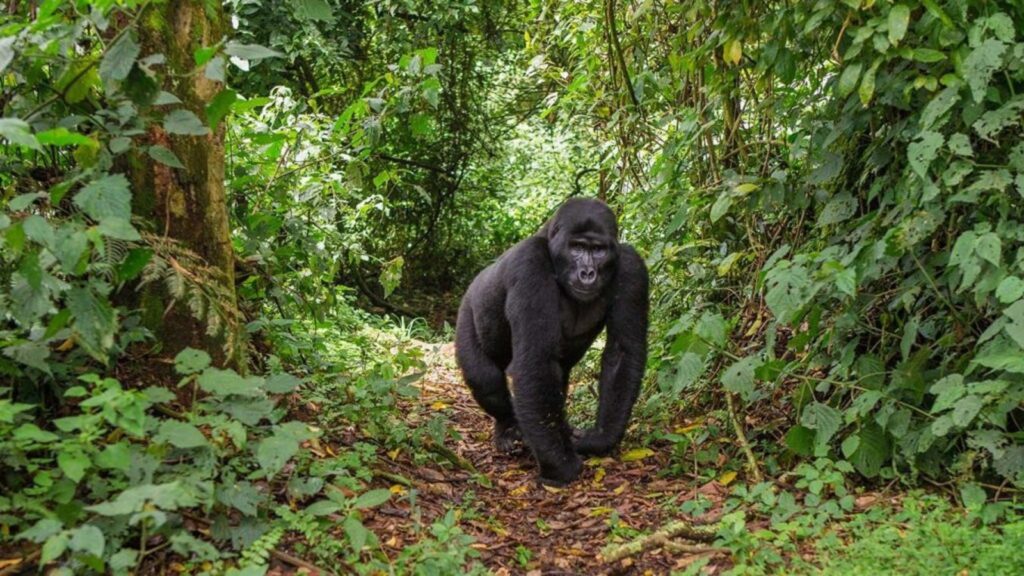
Gorillas sometimes move toward visitors.
This does not necessarily mean that the animal is aggressive.
A gorilla may simply be moving through its normal environment.
Visitors should remain calm, avoid sudden movements, and never attempt to touch the animal.
The guide will determine how the group should respond.
Do Not Touch the Gorillas
The briefing emphasizes that visitors must never touch gorillas.
Even if a gorilla approaches closely, physical contact should be avoided.
Touching can increase disease-transmission risks and interfere with natural behavior.
It can also create an unsafe situation for both the visitor and the animal.
Observing without physical interaction is one of the fundamental principles of responsible gorilla tourism.
Health Rules During the Briefing
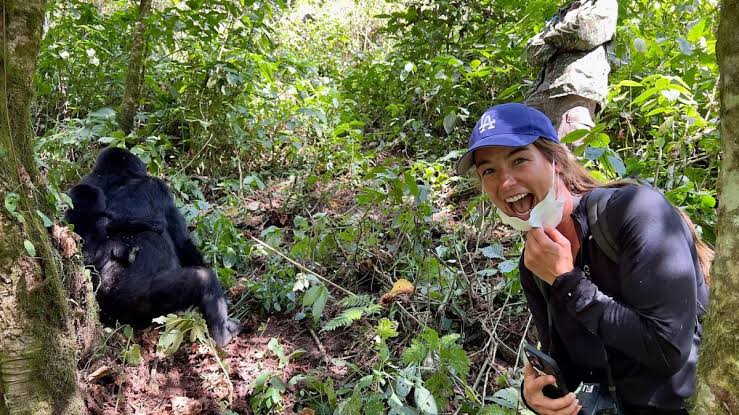
Health precautions are particularly important in gorilla tourism because humans and mountain gorillas can transmit certain infectious diseases.
Visitors who are sick should inform their guide or tour operator before trekking.
People experiencing symptoms such as respiratory illness should not assume that they can simply hide their condition and continue.
The welfare of the gorillas takes priority.
Current health requirements can change, so travelers should follow the latest instructions from park authorities.
Why Disease Prevention Matters
Mountain gorillas are closely related to humans and can be vulnerable to some human pathogens.
A respiratory infection that is relatively minor for a person can potentially have serious consequences for a gorilla population.
For this reason, health precautions form an important part of gorilla conservation.
The briefing reminds visitors that responsible behavior protects more than their own safety.
Gorilla Trekking Photography Rules
Photography is normally permitted during gorilla trekking, but visitors must follow the applicable rules.
The guide may explain where visitors can stand and how they should move while taking photographs.
Flash photography should be avoided where prohibited because sudden flashes can disturb wildlife.
Visitors should also avoid blocking other trekkers while attempting to obtain photographs.
The priority is always respectful observation.
What to Expect When You Find the Gorillas
The actual gorilla encounter may be very different from what you imagine.
The animals may be feeding, resting, grooming, playing, climbing, or moving through the forest.
Some may remain hidden behind vegetation.
Others may come into relatively open areas.
The group may also change location during the observation period.
Visitors should remain patient and allow the gorillas to behave naturally.
How Long Can You Stay With Gorillas?
The observation period is controlled by wildlife authorities.
For standard gorilla trekking, the permitted viewing period is generally limited to protect the animals and reduce prolonged human exposure.
The rules can differ for specialized experiences such as gorilla habituation.
Visitors should follow the current regulations explained during the briefing.
Gorilla Trekking and Noise
Visitors are generally encouraged to keep their voices low around gorillas.
Loud shouting, laughing, singing, or unnecessary noise can disturb the animals.
Quiet observation allows visitors to hear natural gorilla vocalizations and observe their behavior more closely.
A calm group also makes it easier for the guide to communicate instructions.
What If a Gorilla Charges?
A gorilla display or charge can be frightening, but visitors should not panic.
Gorillas may use displays, vocalizations, chest beating, or movements toward perceived threats.
During the briefing, guides explain how visitors should respond if a gorilla becomes agitated.
The most important rule is to remain calm and follow the guide’s instructions.
Do not run away unless specifically instructed.
Do Not Imitate Gorilla Behavior
Visitors should never imitate gorilla vocalizations, chest beating, or aggressive displays.
Although these behaviors may look entertaining in videos, copying them can send inappropriate signals to the animals.
The best behavior is calm and passive observation.
Allow the gorillas to communicate naturally among themselves.
Gorilla Trekking and Food
Visitors should follow park rules regarding food during the trek.
Do not feed gorillas under any circumstances.
Feeding wildlife can alter natural behavior and encourage animals to associate humans with food.
Food waste should also never be left in the forest.
The goal is to leave the environment as undisturbed as possible.
What to Do With Litter
Visitors must not leave rubbish behind.
Everything brought into the forest should be managed according to park rules.
Plastic, packaging, tissues, and other waste can harm wildlife and damage the forest environment.
Responsible trekking means leaving the forest in the same condition in which you found it.
What to Wear for Gorilla Trekking
The briefing may include practical advice about clothing and equipment.
Travelers should normally wear comfortable hiking clothing and sturdy footwear suitable for muddy and uneven terrain.
Long trousers and long-sleeved clothing can provide protection from vegetation and insects.
A waterproof jacket is useful because mountain forests can experience sudden rainfall.
The exact clothing requirements depend on weather and personal preference.
Why Hiking Boots Matter
Gorilla trekking can involve steep slopes, slippery trails, mud, and dense vegetation.
Good hiking boots provide stability and protection.
Visitors should avoid wearing unsuitable footwear simply because the weather appears dry at the start of the trek.
Forest conditions can change quickly.
Comfortable, well-fitting footwear can make a significant difference during a long trek.
Hiring a Porter
Travelers may be able to hire a local porter before entering the forest.
A porter can carry a backpack and provide assistance on difficult sections of the trail.
This can be particularly useful for visitors carrying camera equipment or those who find steep terrain challenging.
Hiring a porter also provides direct income to local communities around gorilla trekking destinations.
What If the Trek Is Difficult?
Gorilla trekking can range from relatively manageable hikes to demanding journeys through steep forest terrain.
Visitors should communicate with their guide if they are struggling.
The guide can help manage the pace and provide appropriate assistance.
Travelers should not feel embarrassed about asking for support.
Preparing physically before the safari can also make the experience more comfortable.
What If It Rains?
Rain is common in mountain gorilla habitat.
The trek normally continues in wet weather unless conditions create a safety concern.
Trails can become muddy and slippery, so visitors should move carefully.
A waterproof jacket, rain protection for cameras, and suitable footwear can make a rainy trek much easier.
Gorilla Trekking and Emergency Procedures
The briefing may also cover basic emergency procedures.
Guides and park staff are responsible for managing unexpected situations during the trek.
Visitors should remain with their group and avoid wandering away from the designated route.
If someone becomes injured, exhausted, or unwell, they should immediately inform the guide.
The guide can then coordinate the appropriate response.
Why You Should Pay Attention to the Briefing
It can be tempting to view the briefing as a routine formality.
However, the information provided directly affects the quality and safety of the trek.
The briefing explains how to behave around endangered mountain gorillas and what to do when circumstances change.
Visitors who understand the rules are better prepared to respond calmly during the encounter.
Common Questions Visitors Ask During the Briefing
Travelers often have questions about trekking distance, gorilla behavior, photography, weather, physical difficulty, and what happens if the animals move away.
The briefing provides an opportunity to ask these questions before entering the forest.
If you have concerns about mobility, health, or fitness, mention them to the guide or tour operator.
Clear communication helps the team plan appropriately.
Gorilla Trekking Briefing in Uganda
Uganda provides mountain gorilla trekking in Bwindi Impenetrable National Park and Mgahinga Gorilla National Park.
Visitors receive instructions before entering their respective trekking areas.
The briefing helps explain the day’s arrangements and conservation rules.
Because trekking sectors and operational procedures can differ, travelers should follow the specific instructions given at their designated headquarters.
Gorilla Trekking Briefing in Rwanda
Rwanda offers gorilla trekking in Volcanoes National Park.
Visitors receive a pre-trek briefing before entering the forest.
Guides explain the rules and help visitors understand what to expect from the day’s activity.
Rwanda’s well-developed tourism infrastructure makes the briefing process an important part of the organized trekking experience.
Gorilla Trekking Briefing in Congo
The Democratic Republic of Congo also has mountain gorilla trekking opportunities in the Virunga region when tourism operations are active.
Briefing arrangements depend on current park operations.
Because security and tourism conditions can change, travelers should obtain current information before traveling.
Gorilla Trekking Briefing vs Gorilla Habituation Briefing
A standard gorilla trek and a gorilla habituation experience have different objectives.
Standard trekking focuses on observing a fully habituated gorilla family for the permitted period.
A habituation experience involves spending longer with a gorilla group that is still becoming accustomed to controlled human presence.
The briefing for a habituation experience may therefore place greater emphasis on research, observation, and the behavior of less-habituated gorillas.
Frequently Asked Questions
What is a gorilla trekking briefing?
It is a pre-trek orientation where guides or park staff explain safety procedures, conservation rules, gorilla behavior, health precautions, and what visitors should expect during the trek.
How long does a gorilla trekking briefing take?
The duration can vary depending on the destination and day’s arrangements. It is normally completed before the group enters the forest.
Is the gorilla trekking briefing mandatory?
Visitors should attend and follow the official briefing because it contains important safety and conservation instructions.
What should I ask during the briefing?
You can ask about trekking difficulty, expected distance, gorilla behavior, photography, weather, porter assistance, health requirements, and any personal mobility concerns.
Can I touch a gorilla if it comes close?
No. Visitors should never attempt to touch a gorilla, even if the animal approaches them.
Can I take photographs during gorilla trekking?
Yes, photography is generally permitted under the applicable park rules. Visitors should follow their guide’s instructions and avoid disturbing the animals.
What happens if a gorilla charges?
Remain calm and follow the guide’s instructions. Do not panic or make sudden movements unless the guide directs you to move.
Conclusion
The gorilla trekking briefing prepares visitors for the practical, safety, and conservation aspects of a mountain gorilla encounter. Although it may only take a short time before the trek begins, the information provided can make a significant difference throughout the day.
Visitors learn how to maintain an appropriate distance, behave around gorillas, manage photography, respond to unexpected animal behavior, and protect the animals from potential disease transmission. They also receive practical guidance about hiking conditions, weather, equipment, and what to expect when the gorilla family is located.
The most important lesson is that habituated gorillas remain wild animals. They should never be touched, fed, chased, or deliberately disturbed.
By listening carefully during the briefing and following the guide’s instructions throughout the trek, visitors can enjoy a safer and more responsible experience while contributing to the protection of mountain gorillas and their forest habitat.