
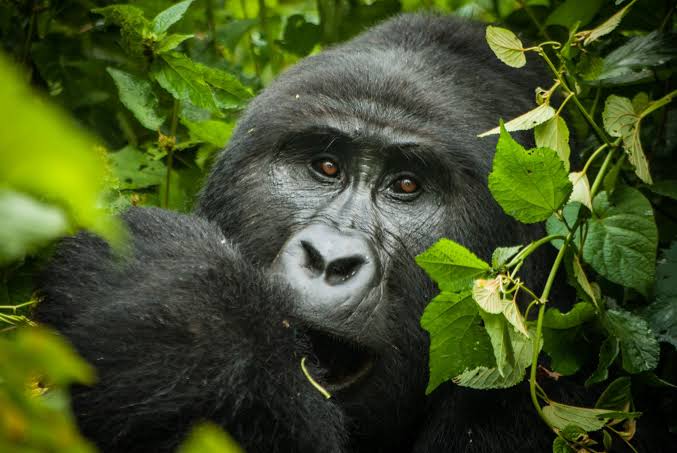
Gorilla Trekking and Art & Craft Market Uganda: Complete Travel Guide
A gorilla trekking craft market Uganda experience combines the adventure of mountain gorilla trekking with an opportunity to discover locally made art, crafts, and cultural products. Gorilla trekking takes travelers into the forests of southwestern Uganda, while craft markets provide a chance to interact with local artisans and support small businesses.
This combination adds a cultural dimension to a gorilla safari. After spending time searching for mountain gorillas in Bwindi Impenetrable National Park or Mgahinga Gorilla National Park, travelers can explore local markets and discover handmade baskets, woven products, carvings, jewelry, textiles, paintings, and other crafts.
Buying directly from local artisans can also help keep tourism revenue within communities surrounding Uganda’s gorilla destinations.
Why Combine Gorilla Trekking With a Craft Market Visit?
A gorilla trekking craft market Uganda itinerary allows travelers to experience both nature and local creativity.
Gorilla trekking focuses on wildlife conservation and forest ecosystems. A craft market visit provides insight into local traditions, artistic skills, entrepreneurship, and community livelihoods.
The two experiences complement each other because they show different sides of southwestern Uganda.
Travelers can spend one day exploring the rainforest and another discovering the people and businesses that make the region unique.
Gorilla Trekking in Uganda
Uganda offers mountain gorilla trekking in Bwindi Impenetrable National Park and Mgahinga Gorilla National Park.
Visitors receive a briefing before entering the forest with guides and rangers. The trekking team then searches for a habituated gorilla family.
The trek can involve steep slopes, dense vegetation, muddy trails, and changing weather conditions. The duration depends largely on the movement of the gorilla family.
Because gorilla trekking can be physically demanding, a craft market visit makes an excellent relaxed activity before or after the trek.
What Is an Art and Craft Market?
An art and craft market is a place where local artisans sell handmade products.
In southwestern Uganda, travelers may find woven baskets, mats, beads, pottery, wood carvings, textiles, paintings, souvenirs, and other locally produced items.
The exact products vary between communities and markets.
Craft markets can also provide opportunities to meet artisans and learn about the techniques used to create traditional and contemporary products.
Craft Markets Near Bwindi
Several communities around Bwindi have developed tourism-related craft activities.
Visitors may find locally made products in trading centers and community tourism areas near different trekking sectors.
The availability and opening hours of individual markets can vary, so travelers should ask their lodge, local guide, or tour operator about currently operating markets.
A local guide can also help visitors identify genuine locally produced crafts.
Craft Shopping Around Mgahinga
Travelers visiting Mgahinga Gorilla National Park can also explore communities around the park.
The area is known for its beautiful volcanic scenery and cultural heritage. Local artisans may produce baskets, woven items, jewelry, carvings, and other souvenirs.
Combining a craft market visit with gorilla trekking or golden monkey trekking can create a well-rounded southwestern Uganda itinerary.
Popular Ugandan Crafts to Look For
A gorilla trekking craft market Uganda experience can introduce travelers to many traditional products.
Handwoven Baskets
Ugandan baskets are popular souvenirs and may feature traditional patterns and locally sourced materials.
They can be used as decorative items or practical household products.
Beaded Jewelry
Local artisans produce necklaces, bracelets, earrings, and other decorative items using beads and other materials.
These lightweight products are convenient for travelers who want souvenirs that are easy to transport.
Wood Carvings
Wooden carvings can depict animals, people, masks, and cultural symbols.
Travelers should ask sellers about the origin of the wood and choose products made from legally sourced materials.
Textiles
Locally produced fabrics and handmade textile products can provide colorful souvenirs while supporting small-scale producers.
Pottery
Traditional pottery reflects local skills and cultural traditions.
Some artisans create both traditional household items and decorative pieces for visitors.
Buying Gorilla-Themed Souvenirs
Gorilla-themed crafts are particularly popular around Uganda’s gorilla trekking destinations.
Travelers may find carved gorillas, paintings, woven designs, jewelry, and other souvenirs inspired by mountain gorillas.
These products can serve as reminders of the safari while supporting local artisans.
Visitors should avoid purchasing products made from illegal wildlife materials or products derived from protected species.
Supporting Local Artisans
One of the major benefits of a gorilla trekking craft market Uganda experience is the opportunity to support local businesses.
Purchasing directly from artisans can provide income to individuals and families involved in craft production.
Tourism revenue can help sustain traditional skills while creating alternative sources of income for communities near protected areas.
Responsible Souvenir Shopping
Travelers should shop responsibly.
Ask about the origin of products, avoid items made from endangered wildlife or illegal materials, and choose locally produced crafts whenever possible.
Travelers should also respect artisans when negotiating prices. Bargaining can be part of market culture, but it should remain fair and respectful.
How Craft Tourism Supports Conservation
Community income can contribute indirectly to conservation.
When communities benefit economically from tourism, they have stronger incentives to support the protection of forests and wildlife.
Gorilla tourism already contributes to employment and local economic activity around Bwindi and Mgahinga. Craft markets can add another channel through which tourism spending reaches local communities.
Craft Markets and Cultural Tourism
A craft market visit can be combined with other cultural experiences.
Travelers may visit community projects, participate in cultural performances, learn traditional skills, taste local food, or explore villages with a trained local guide.
These activities help visitors understand the cultural context surrounding Uganda’s gorilla conservation areas.
Best Time to Visit a Craft Market
Craft markets can generally be visited throughout the year, but operating hours vary.
A market may be busier during peak tourism periods when more visitors are in the area.
Travelers should check local opening times before planning a specific visit.
What to Bring
A small day bag is useful for carrying purchases.
Travelers should also carry cash in appropriate denominations because smaller markets may not accept cards or digital payments.
If purchasing delicate crafts, ask the seller about suitable packaging for transportation.
Craft Shopping After Gorilla Trekking
A craft market visit can be particularly enjoyable after gorilla trekking.
After spending several hours hiking through the forest, travelers may prefer a slower activity that does not require additional physical exertion.
Shopping for locally made souvenirs also provides an opportunity to reflect on the gorilla experience while supporting communities.
Combining Craft Markets With Lake Bunyonyi
Lake Bunyonyi is another excellent addition to a southwestern Uganda itinerary.
Travelers can combine a craft market visit with canoe trips, kayaking, cycling, birdwatching, community walks, or relaxation around the lake.
This combination provides a balance between gorilla trekking, cultural experiences, and scenic recreation.
Combining Crafts With Cultural Experiences
Travelers who want a deeper cultural experience can combine craft shopping with a community visit.
Instead of simply purchasing finished products, visitors can learn how baskets are woven, how beads are made, or how traditional crafts are used in daily life.
Where available, guided demonstrations can make the experience more educational.
Gorilla Trekking and Craft Markets for Families
Families can easily include craft markets in a gorilla safari itinerary.
Children may enjoy colorful crafts, handmade toys, artwork, and demonstrations of traditional skills.
Parents should encourage children to interact respectfully with artisans and avoid handling products without permission.
Gorilla Trekking and Craft Markets for Photographers
Craft markets can also provide interesting photography opportunities.
Colorful textiles, baskets, beads, tools, and market scenes can create strong visual compositions.
Always ask permission before photographing individual artisans or community members, especially when taking close-up portraits.
Sample Gorilla Trekking and Craft Market Itinerary
Day 1: Arrival in Uganda
Arrive at Entebbe International Airport and transfer to your accommodation.
Day 2: Travel to Bwindi
Travel toward Bwindi Impenetrable National Park and check into your lodge.
Day 3: Gorilla Trekking
Take part in gorilla trekking and return to your lodge after the forest experience.
Day 4: Craft Market and Community Experience
Visit a local art and craft market. Meet artisans, explore handmade products, and purchase responsibly produced souvenirs.
Continue with a community walk or cultural activity if available.
Day 5: Explore Southwestern Uganda
Visit Lake Bunyonyi, Lake Mutanda, or another nearby attraction.
Day 6: Continue Your Uganda Safari
Travel toward Queen Elizabeth National Park, Kibale Forest, or another destination.
The itinerary can be extended according to the traveler’s interests and available time.
Choosing Authentic Local Crafts
Travelers should look for products that are genuinely made by local artisans.
Ask questions about where the product was made and who produced it. Supporting locally made products ensures more of the tourism spending reaches the community.
Mass-produced imports may be available in some markets, but locally made crafts provide a stronger cultural connection.
Customs and Travel Considerations
Travelers should consider luggage space when purchasing crafts.
Large baskets, carvings, pottery, and other fragile products may require additional packaging or checked luggage.
Before purchasing products made from natural materials, travelers should also consider customs restrictions in their destination country.
Conclusion
A gorilla trekking craft market Uganda experience adds culture, shopping, and community interaction to a mountain gorilla safari. After exploring the forests of Bwindi or Mgahinga, travelers can visit local markets, discover handmade crafts, meet artisans, and support community businesses.
From woven baskets and beadwork to carvings, textiles, pottery, and gorilla-themed artwork, locally made crafts provide meaningful souvenirs while helping preserve traditional skills.
When combined with gorilla trekking, community walks, Lake Bunyonyi, and other southwestern Uganda activities, a craft market visit can help create a richer and more responsible safari experience.



