Bwindi Marathon Gorilla Trekking: Combining a Marathon With a Gorilla Safari
A Bwindi marathon gorilla trekking experience combines an endurance event with one of Uganda’s most extraordinary wildlife adventures. Travelers who enjoy running, outdoor activities, conservation, and cultural tourism can plan a trip around a marathon event in the Bwindi region and add gorilla trekking to the itinerary.
Bwindi Impenetrable National Park is famous for its endangered mountain gorillas, while the surrounding communities provide opportunities for cultural experiences, nature walks, and outdoor events. A marathon can introduce travelers to the landscapes and communities around Bwindi before or after their gorilla trekking experience.
Because marathon dates, routes, registration requirements, and event arrangements can change, travelers should confirm the latest information with the official event organizers before booking their trip.
What Is the Bwindi Marathon?
The term “Bwindi Marathon” can refer to a running event associated with the wider Bwindi region.
Such events may promote fitness, tourism, community development, conservation awareness, or fundraising. The exact race distance, route, starting point, date, and participating organizations depend on the particular edition of the event.
Travelers interested in participating should confirm the current event schedule and registration information before making travel arrangements.
Can You Combine a Marathon With Gorilla Trekking?
Yes. A Bwindi marathon gorilla trekking itinerary can combine the running event with a separate gorilla trekking experience.
The two activities require different preparation.
A marathon requires endurance training and race preparation, while gorilla trekking involves hiking through steep forest terrain at a variable pace.
Travelers should allow enough time between the marathon and gorilla trek for recovery.
Why Combine the Two Experiences?
Combining a marathon with gorilla trekking creates a unique Uganda adventure.
The marathon provides an opportunity to experience local landscapes and communities through physical activity. Gorilla trekking provides an immersive wildlife experience in the protected mountain forest.
Together, the activities can create a trip that combines sport, conservation, tourism, and cultural discovery.
Gorilla Trekking in Bwindi
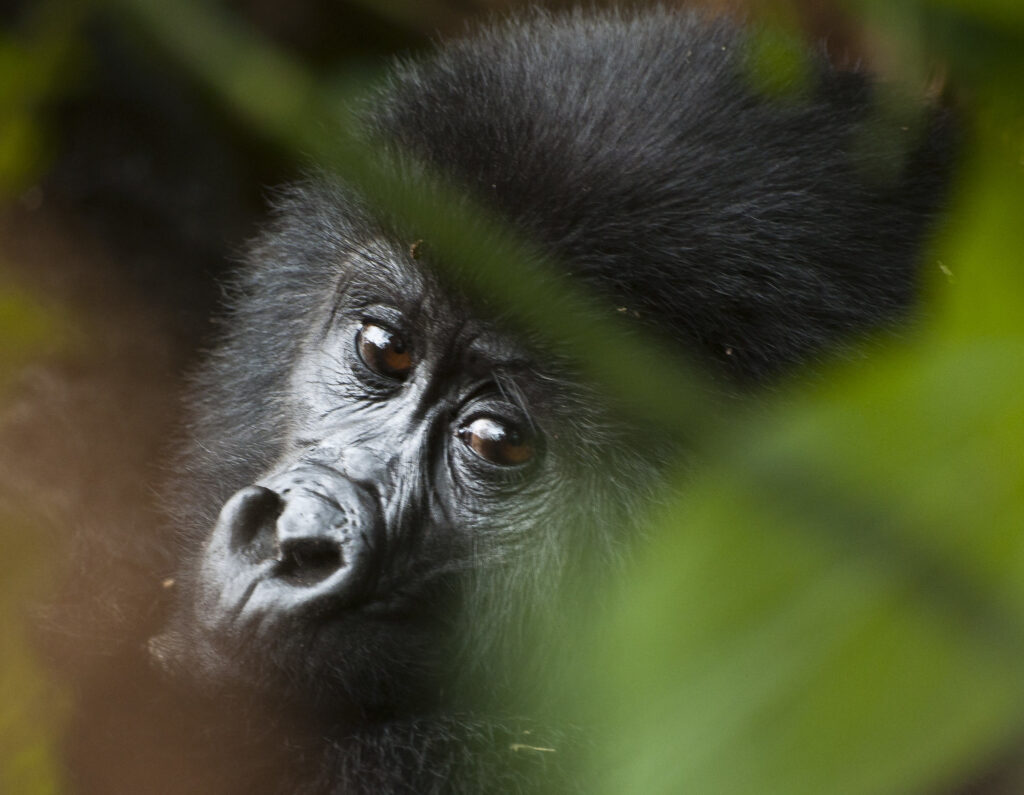
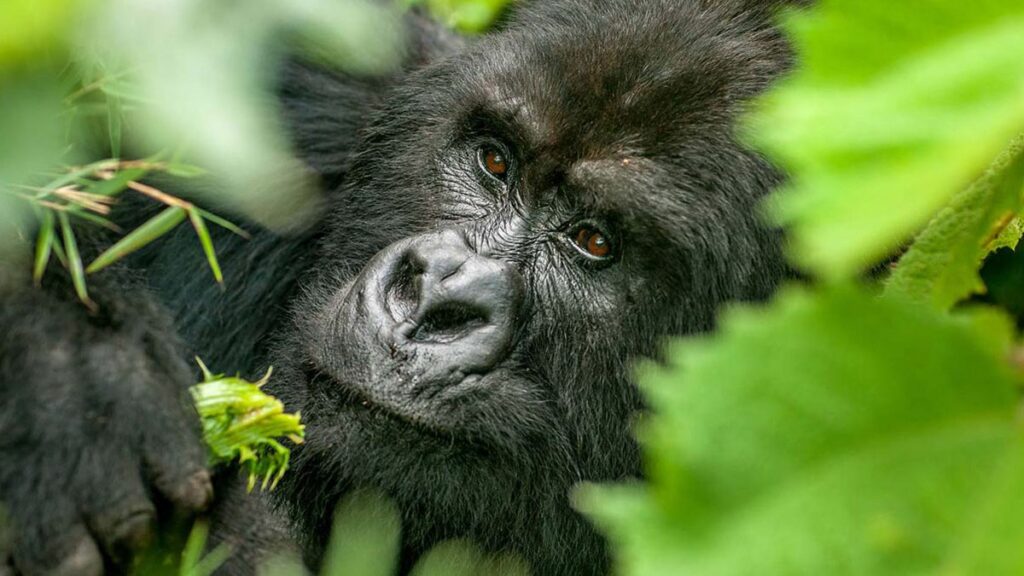
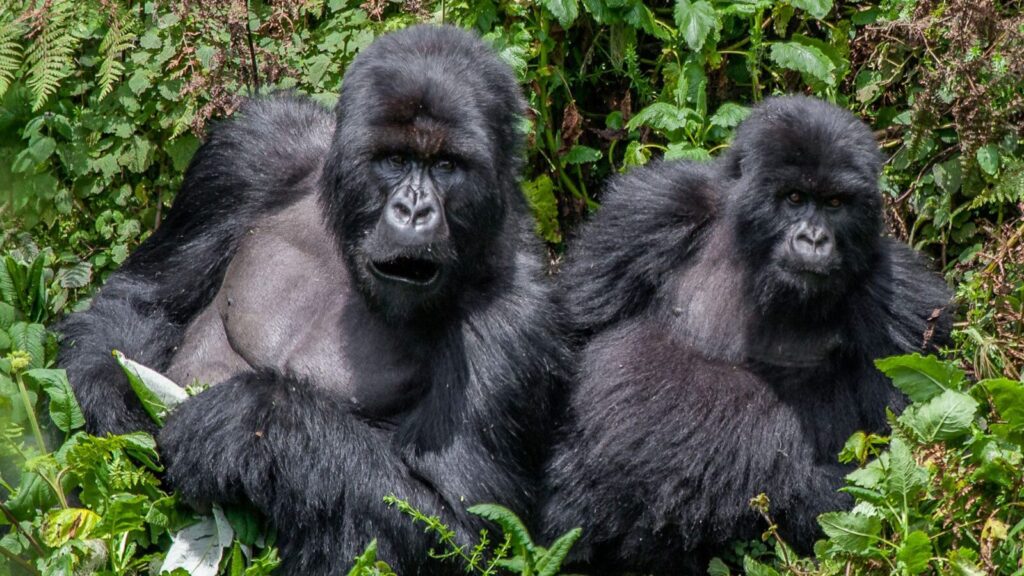
Bwindi Impenetrable National Park is one of Uganda’s most important mountain gorilla conservation areas.
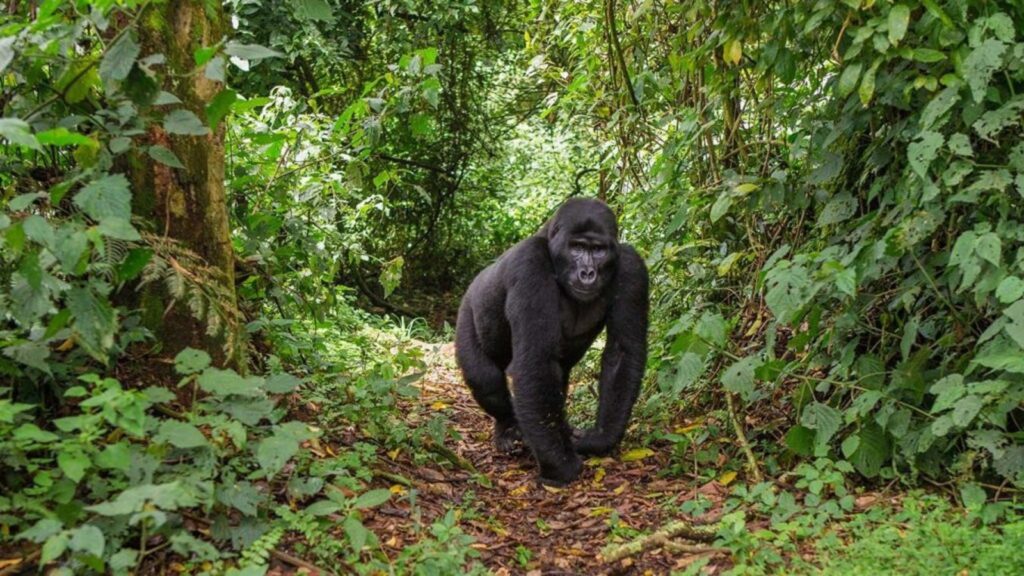
The park contains several habituated gorilla families that visitors can track under controlled tourism arrangements.
Before trekking, visitors receive a briefing from guides and rangers. The trekking team then enters the forest to locate the assigned gorilla family.
The trek can take several hours depending on the gorillas’ location and movement.
Understanding Bwindi’s Terrain
Travelers participating in both activities should understand that the Bwindi region is mountainous.
Forest trails can include steep climbs, muddy sections, slippery ground, dense vegetation, and uneven surfaces.
Although marathon runners may have excellent cardiovascular fitness, running fitness does not automatically eliminate the challenges of hiking through a tropical mountain forest.
Specific preparation for hiking remains important.
Marathon Training for a Bwindi Trip
Travelers planning to participate in a marathon should begin training well before traveling.
Training should reflect the actual race distance and terrain as closely as possible.
If the event includes hills, runners should incorporate hill training into their preparation. Strength exercises can also help prepare the legs and core for both running and hiking.
Travelers should avoid scheduling their most demanding training immediately before the gorilla trek.
Gorilla Trekking After the Marathon
Some travelers may prefer to complete the marathon before gorilla trekking.
This arrangement can work well if enough recovery time is available.
A full marathon can place significant stress on the muscles and joints. Attempting a challenging forest trek immediately afterward may increase discomfort and fatigue.
A rest day between the activities is a sensible option for many travelers.
Gorilla Trekking Before the Marathon
Other travelers may prefer to trek before participating in the marathon.
This can also work, particularly when the trekking date occurs several days before the race.
However, gorilla trekking itself can involve prolonged hiking and steep terrain. Travelers should allow their bodies enough time to recover before attempting a major running event.
The best sequence depends on the individual itinerary and physical condition.
Best Time for a Bwindi Marathon and Gorilla Trekking
The ideal timing depends on the official marathon schedule.
Travelers should first confirm the event date and then check gorilla permit availability for nearby dates.
Once the marathon and permit dates are established, accommodation and transportation can be arranged around them.
Weather also matters because Bwindi receives rainfall throughout the year. Wet conditions can make forest trails and some roads more challenging.
Gorilla Permits and Marathon Registration
Gorilla trekking and marathon participation are separate activities.
Travelers need the appropriate gorilla trekking permit for their chosen trekking date. Marathon participants must separately complete the race registration process and meet the event’s requirements.
One booking does not automatically provide access to the other activity.
Travelers should confirm both sets of requirements before traveling.
What to Pack for the Marathon
Runners should pack equipment appropriate for the event.
This may include running shoes suitable for the race surface, comfortable running clothing, socks, hydration equipment if permitted, sun protection, and post-race recovery clothing.
Travelers should also bring a separate set of equipment for gorilla trekking.
What to Pack for Gorilla Trekking
Gorilla trekking requires sturdy hiking boots, long trousers, a long-sleeved shirt, comfortable socks, a waterproof jacket, insect repellent, sunscreen, drinking water, and snacks.
A small backpack can carry personal essentials.
Waterproof protection for phones and cameras is useful because rain can occur even during otherwise dry periods.
Recovery Between the Activities
Recovery is particularly important when combining a marathon with gorilla trekking.
After the race, travelers should prioritize rest, hydration, nutrition, and gentle movement.
A recovery day can also provide an opportunity to explore the local community without strenuous activity.
This approach can make the gorilla trek more enjoyable.
Community Tourism Around Bwindi
Travelers do not have to spend their entire Bwindi visit trekking or running.
The region offers community-based tourism experiences that can complement the main activities.
Depending on availability, travelers may participate in community walks, cultural experiences, craft activities, traditional performances, or visits to local initiatives.
These experiences can provide insight into the communities living around the protected forest.
Conservation and Marathon Events
Running events can create opportunities to raise awareness of conservation.
A marathon associated with the Bwindi region can draw attention to the importance of protecting forests and wildlife while bringing visitors into local communities.
Where an event supports conservation or community projects, participants should review the organizers’ stated objectives to understand how funds are used.
Supporting Local Communities
A Bwindi marathon gorilla trekking trip can distribute tourism spending across several local businesses.
Travelers may use local accommodation, restaurants, transport services, guides, craft markets, and community tourism activities.
These expenditures can contribute to local livelihoods and strengthen the economic benefits associated with tourism.
Photography During the Trip
The Bwindi region provides excellent photography opportunities.
Runners can capture landscapes, race-day scenes, community activities, and surrounding hills. Gorilla trekking provides opportunities to photograph mountain gorillas under strict park regulations.
Visitors should always follow photography rules and ask permission before photographing local people.
Sample Bwindi Marathon Gorilla Trekking Itinerary
Day 1: Arrival in Uganda
Arrive at Entebbe International Airport and begin your Uganda safari.
Day 2: Travel Toward Bwindi
Travel toward southwestern Uganda and check into accommodation near the marathon venue or selected gorilla trekking sector.
Day 3: Local Exploration and Race Preparation
Explore the surrounding area, collect race materials if required, and prepare for the event.
Keep physical activity light.
Day 4: Marathon Event
Participate in the marathon and spend the rest of the day recovering.
Day 5: Recovery and Community Experience
Rest and enjoy a gentle community or cultural activity if appropriate.
Day 6: Gorilla Trekking
Take part in gorilla trekking in Bwindi Impenetrable National Park.
Day 7: Continue the Safari
Travel toward another destination such as Queen Elizabeth National Park or Lake Bunyonyi.
The itinerary can be extended depending on the marathon schedule and additional safari activities.
Gorilla Trekking and Marathon for Families
Families can participate in the trip even if only some members run the marathon.
Family members who do not participate in the race can explore community activities or other attractions.
Gorilla trekking itself has age requirements, so families should confirm the current rules before planning.
Gorilla Trekking and Marathon for Experienced Runners
Experienced runners may appreciate the opportunity to combine an international race with wildlife tourism.
The experience provides a chance to explore a new destination while pursuing a personal sporting goal.
Runners should still prepare specifically for the local climate, elevation, terrain, and race conditions.
Responsible Sports Tourism
Travelers should respect local communities and the environment during the event.
Avoid littering, remain on designated routes, follow race instructions, and respect local residents.
Sports tourism should create positive relationships between visitors and host communities.
Important Booking Tips
Because marathon dates and gorilla permit availability are separate, early planning is important.
Travelers should first confirm the official marathon information, then secure gorilla permits for suitable dates.
Accommodation near Bwindi can become busy during major tourism periods, so early reservations can provide more choices.
Transportation should also be arranged carefully because the journey from Kampala or Entebbe to southwestern Uganda can take many hours.
Conclusion
A Bwindi marathon gorilla trekking trip offers an unusual combination of endurance sport, wildlife, conservation, and community tourism.
The marathon provides an opportunity to experience the Bwindi region through running, while gorilla trekking introduces travelers to endangered mountain gorillas in their protected forest habitat. Although the two activities are separate, careful scheduling can make them complementary parts of the same Uganda adventure.
The key to a successful trip is allowing sufficient recovery time between the marathon and gorilla trek, confirming the official event details, securing the appropriate gorilla permit, and planning transportation and accommodation well in advance.
For active travelers seeking something beyond a conventional safari, combining a Bwindi-area marathon with gorilla trekking can create a memorable and distinctive Uganda experience.