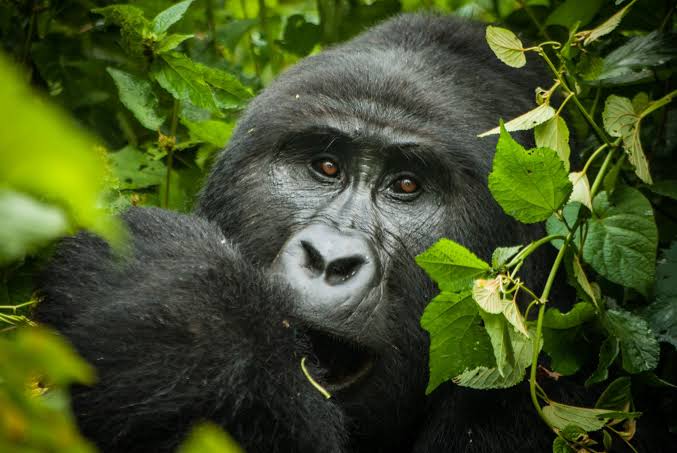
Gorilla Safari and Gorilla Sanctuary Visit: Complete Travel Guide
A gorilla safari and gorilla sanctuary visit combine wildlife exploration with an opportunity to learn more about gorilla conservation. While traditional gorilla trekking takes place in protected natural habitats, a gorilla sanctuary visit can provide a different perspective on rehabilitation, conservation education, and the challenges facing gorillas.
Travelers interested in gorillas should understand that a sanctuary visit is not the same as trekking to see wild mountain gorillas. The two experiences have different purposes, settings, visitor arrangements, and conservation objectives.
Combining both can create a more educational safari for travelers who want to understand gorillas beyond the trekking experience.
What Is a Gorilla Sanctuary Visit?
A gorilla sanctuary is a facility or conservation initiative established to protect, rehabilitate, or care for gorillas that cannot necessarily live independently in the wild.
Sanctuary environments vary considerably. Some focus on rescued animals, while others support conservation education, research, rehabilitation, or community awareness.
Before visiting, travelers should investigate the sanctuary’s conservation model and confirm that it follows recognized animal-welfare and conservation standards.
Gorilla Trekking Versus a Gorilla Sanctuary Visit
A gorilla safari or gorilla sanctuary visit can involve two very different experiences.
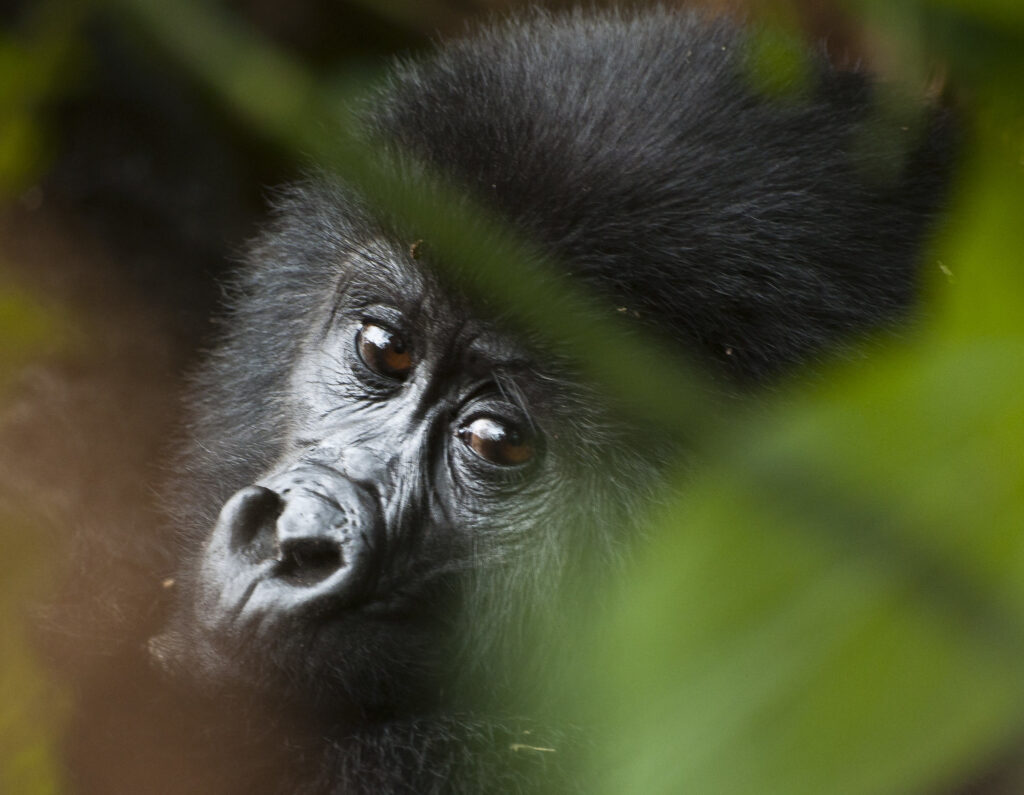
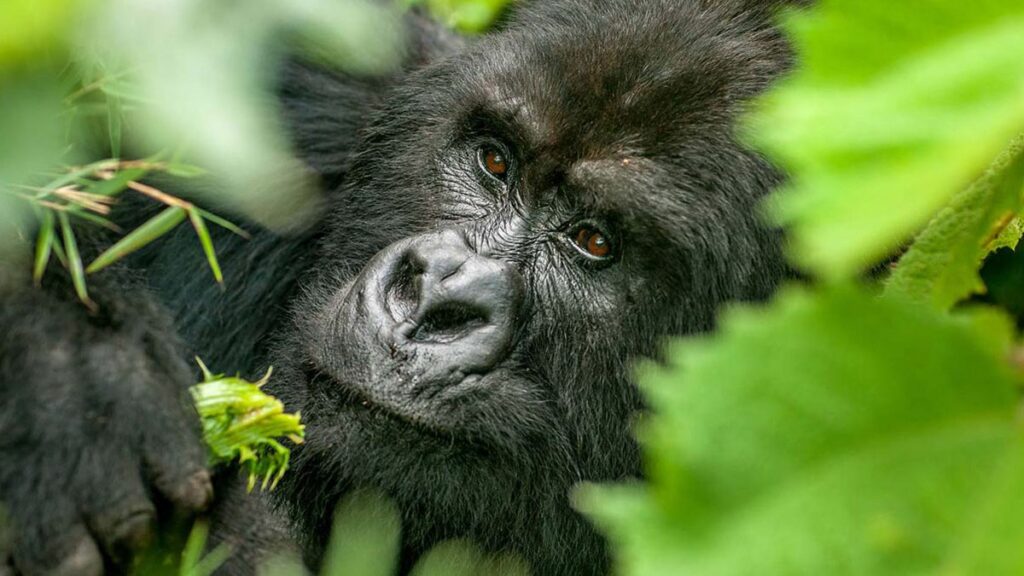
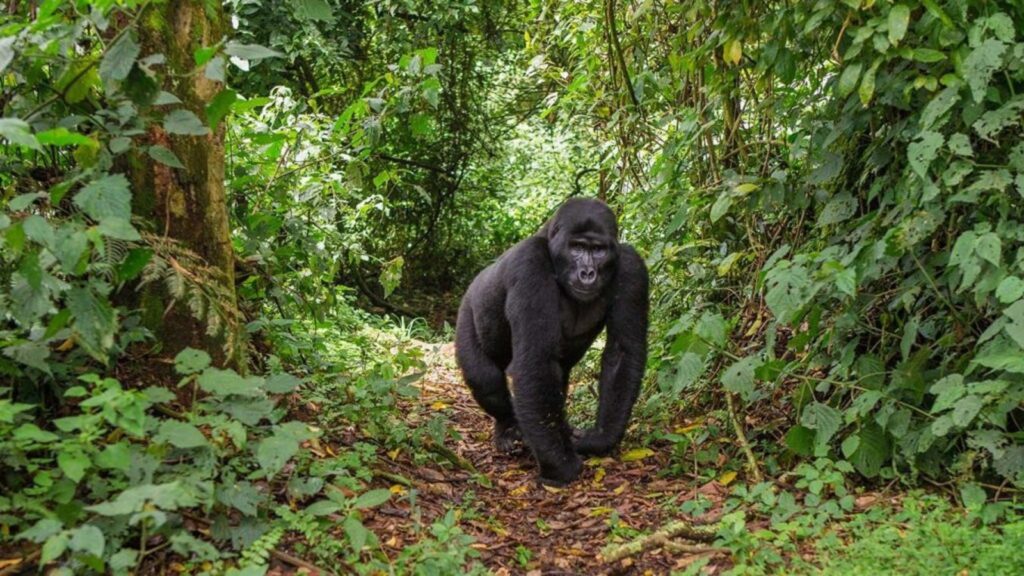
Gorilla trekking takes place in natural forest habitats where habituated gorilla families live. Visitors trek with guides and trackers and observe the animals under strict conservation regulations.
A sanctuary visit generally takes place in a managed environment where visitors learn about gorillas and observe animals under controlled conditions.
Neither experience should automatically be considered a replacement for the other.
Gorilla Trekking in Uganda
Uganda is one of the world’s leading destinations for mountain gorilla trekking.
The activity takes place in Bwindi Impenetrable National Park and Mgahinga Gorilla National Park. Visitors enter the forest with trained guides and trackers to locate habituated gorilla families.
The terrain can be steep and challenging, and trekking times vary depending on where the gorillas have moved.
Visitors must follow ranger instructions and maintain the required distance from the gorillas.
Gorilla Trekking in Rwanda
Rwanda offers gorilla trekking in Volcanoes National Park.
The park forms part of the Virunga mountain ecosystem and protects important mountain gorilla habitat.
Rwanda’s well-developed tourism infrastructure makes it a popular choice for travelers seeking a high-quality gorilla safari experience.
A sanctuary or conservation center can complement this experience by providing additional educational information about primates and conservation.
Gorilla Trekking in the Democratic Republic of Congo
The Democratic Republic of Congo has also provided gorilla tourism opportunities, particularly in Virunga National Park when tourism operations are active.
Travelers considering Congo should confirm current park operations, security conditions, entry requirements, and tourism availability before planning their trip.
Why Visit a Gorilla Sanctuary?
A sanctuary visit can provide educational value that differs from a trekking experience.
Visitors may learn about gorilla behavior, conservation challenges, habitat loss, wildlife rescue, and the importance of protecting natural ecosystems.
Some facilities also explain how communities and conservation organizations work together to protect endangered wildlife.
Conservation Education
One of the most valuable aspects of a responsible sanctuary visit is conservation education.
Visitors can learn why gorillas require large natural habitats, how human activities affect wildlife, and why responsible tourism matters.
This knowledge can make the gorilla trekking experience more meaningful because travelers better understand the conservation work behind the protected areas they visit.
Wildlife Rescue and Rehabilitation
Some sanctuaries care for gorillas or other primates that have been rescued from illegal wildlife trade, human-wildlife conflict, or other circumstances.
Where rehabilitation is possible, conservation organizations may work toward returning animals to suitable natural environments.
However, not every rescued gorilla can return to the wild. The circumstances of each animal are different.
Travelers should therefore look for transparent information about the sanctuary’s rehabilitation policies and animal welfare practices.
Responsible Gorilla Sanctuary Tourism
A gorilla safari or gorilla sanctuary visit should prioritize animal welfare.
Visitors should avoid facilities that encourage direct contact, feeding, handling, or unnatural interactions with gorillas for entertainment.
Responsible facilities maintain appropriate barriers or viewing arrangements and minimize stress on the animals.
Travelers should also follow photography restrictions and staff instructions.
How Sanctuary Visits Support Conservation
Responsible tourism can provide financial support for conservation organizations.
Entrance fees, donations, educational programs, and tourism partnerships can contribute to animal care, habitat protection, research, community programs, and conservation education.
However, travelers should ask how tourism revenue is used rather than assuming every sanctuary automatically operates according to high conservation standards.
Gorilla Sanctuary and Community Benefits
Conservation programs can benefit communities surrounding wildlife habitats.
Tourism can create employment for guides, educators, caretakers, drivers, hospitality workers, and other local service providers.
Some conservation organizations also support education, healthcare, livelihoods, or environmental initiatives in nearby communities.
These community benefits can strengthen long-term support for wildlife conservation.
Best Time for a Gorilla Safari and Sanctuary Visit
Gorilla trekking and sanctuary visits can generally be included in Uganda or Rwanda itineraries throughout the year.
Gorilla trekking conditions are influenced by rainfall, trail conditions, and gorilla movements. Sanctuary opening hours and visitor arrangements depend on the individual facility.
Travelers should confirm current visiting schedules and booking requirements before departure.
What to Wear for Gorilla Trekking
Gorilla trekking requires suitable outdoor clothing.
Wear sturdy hiking boots, long trousers, a long-sleeved shirt, comfortable socks, and a waterproof jacket.
Insect repellent, sunscreen, drinking water, snacks, and a small backpack are also useful.
What to Wear for a Sanctuary Visit
Sanctuary visits are generally less physically demanding than gorilla trekking.
Comfortable walking shoes and practical clothing are usually sufficient. Visitors should still dress respectfully and follow any facility-specific requirements.
If the sanctuary includes outdoor walking areas, a light rain jacket may be useful.
Photography During Sanctuary Visits
Photography rules vary between facilities.
Some sanctuaries allow photography from designated areas, while others restrict flash photography or photography altogether.
Visitors should follow the facility’s rules and avoid actions that could disturb the animals.
Photographers should prioritize animal welfare rather than obtaining close or unusual photographs.
Gorilla Safari and Primate Conservation
A sanctuary visit can be particularly valuable for travelers interested in broader primate conservation.
Gorillas share their ecosystems with chimpanzees, monkeys, and numerous other species. Protecting forest habitats therefore benefits entire ecological communities rather than one species alone.
Travelers can deepen their understanding by combining gorilla trekking with chimpanzee trekking, monkey tracking, birdwatching, and conservation visits.
Sample Gorilla Safari and Sanctuary Itinerary
Day 1: Arrival in Uganda or Rwanda
Arrive at the international airport and transfer to your accommodation.
Day 2: Travel Toward the Gorilla Region
Travel toward Bwindi, Mgahinga, or Volcanoes National Park depending on your chosen destination.
Day 3: Gorilla Trekking
Take part in the gorilla trekking experience with trained guides and trackers.
Day 4: Gorilla Conservation or Sanctuary Visit
Visit a suitable conservation center or sanctuary where available. Learn about gorilla conservation, wildlife rescue, and community involvement.
Day 5: Cultural or Nature Experience
Enjoy a community walk, forest experience, birdwatching excursion, or another local activity.
Day 6: Continue the Safari
Travel toward another destination or return toward the international airport.
Gorilla Sanctuary Visit for Families
Families can find sanctuary visits particularly educational.
Children can learn about endangered species, wildlife conservation, forests, and responsible tourism in a controlled environment.
However, families should check age restrictions and visitor rules before booking because some conservation facilities have specific requirements.
Gorilla Sanctuary Visit for Students
Educational groups can also benefit from conservation-focused visits.
Students can learn about wildlife biology, habitat protection, conservation policy, community participation, and the challenges associated with protecting endangered species.
A guided educational program can turn the visit into a valuable learning experience.
Choosing a Responsible Sanctuary
Before booking a gorilla safari or gorilla sanctuary visit, travelers should research the facility carefully.
Look for transparent information about animal origins, welfare standards, conservation programs, visitor policies, funding, and rehabilitation objectives.
Facilities that emphasize entertainment, direct contact, or unnatural animal interactions should be approached with caution.
Conclusion
A gorilla safari or gorilla sanctuary visit can provide travelers with a broader understanding of gorilla conservation. Gorilla trekking offers the opportunity to observe habituated gorillas in their natural forest habitat, while a responsible sanctuary visit can explain wildlife rescue, rehabilitation, conservation education, and community involvement.
The two experiences serve different purposes, but together they can create a more educational and meaningful gorilla-focused safari.
Travelers should carefully research any sanctuary before visiting and choose facilities that prioritize animal welfare, conservation, education, and responsible tourism.