Birding Uganda Top Sites: Complete Guide to Uganda’s Best Birdwatching Destinations
Uganda has earned a global reputation as one of Africa’s finest birdwatching destinations, making searches for birding Uganda top sites increasingly popular among international birders. Often referred to as the “Pearl of Africa,” Uganda boasts an extraordinary diversity of habitats that range from tropical rainforests and savannah grasslands to wetlands, lakes, mountain forests, and semi-arid plains. This remarkable ecological variety supports more than 1,090 recorded bird species, representing nearly half of Africa’s bird population and approximately 11 percent of the world’s known bird species.
Whether you are an experienced ornithologist, a wildlife photographer, or a first-time birdwatcher, Uganda offers exceptional opportunities to observe endemic species, migratory birds, colorful forest specialists, and spectacular birds of prey. Many of the country’s leading birding destinations also provide outstanding wildlife viewing, allowing visitors to combine birdwatching with gorilla trekking, chimpanzee tracking, game drives, and boat safaris.
This guide explores the top birding sites across Uganda and highlights what makes each destination unique.
Why Uganda Is a World-Class Birding Destination
Uganda’s location along the equator and its varied landscapes create ideal conditions for birdlife.
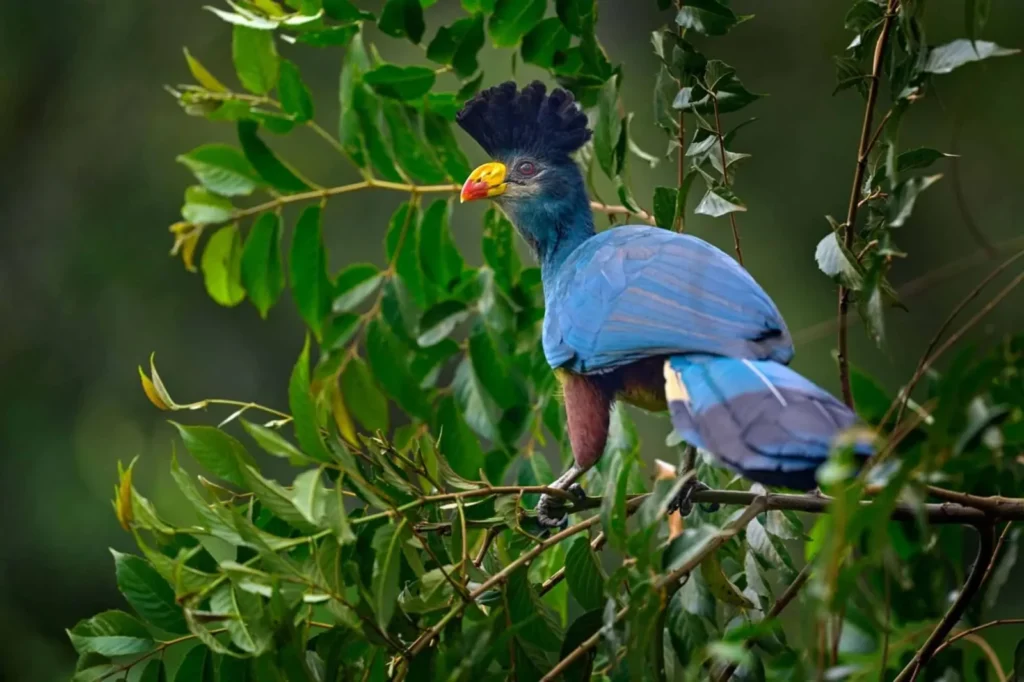
From the Albertine Rift Mountains to the vast wetlands surrounding Lake Victoria, the country supports habitats that attract both resident and migratory birds. Uganda is particularly famous for its Albertine Rift endemic species, rare forest birds, water birds, and one of Africa’s most sought-after species—the prehistoric-looking Shoebill.
These exceptional habitats make birding Uganda’s top sites an essential guide for anyone planning a birding safari.
Bwindi Impenetrable National Park
Bwindi Impenetrable National Park ranks among Africa’s premier forest birding destinations.
The park supports more than 350 bird species, including over 23 Albertine Rift endemic birds. Highlights include the African Green Broadbill, Shelley’s Crimsonwing, Regal Sunbird, Handsome Francolin, Strange Weaver, Chapin’s Flycatcher, Archer’s Robin-Chat, Purple-breasted Sunbird, and Red-throated Alethe.
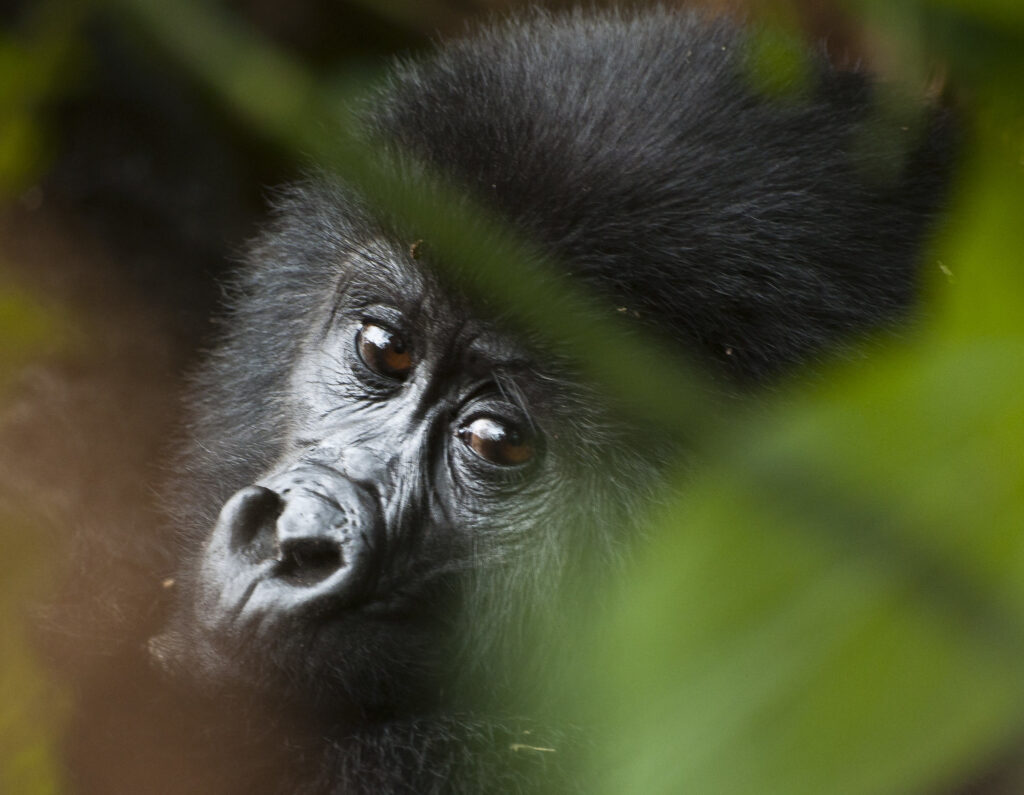
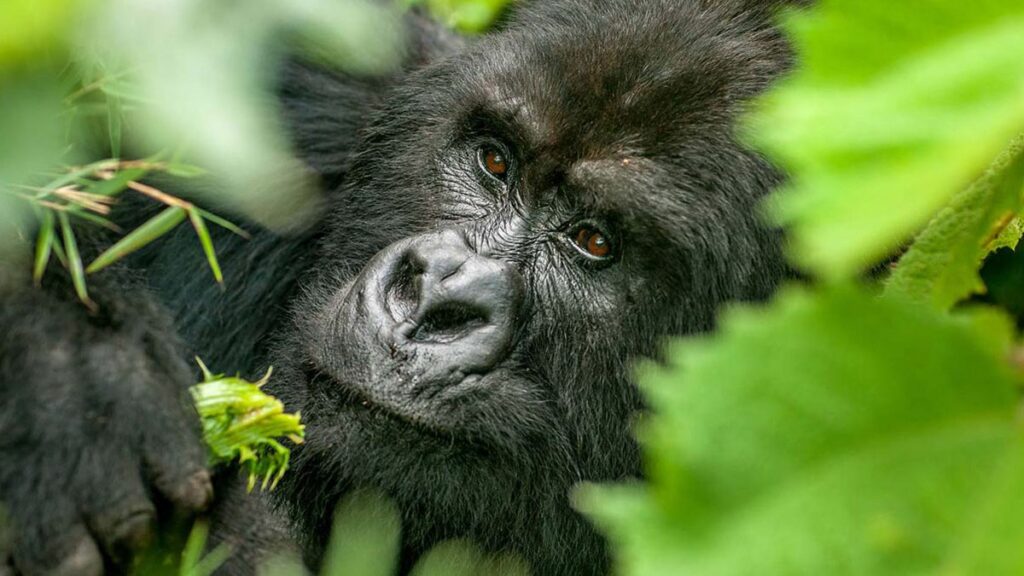
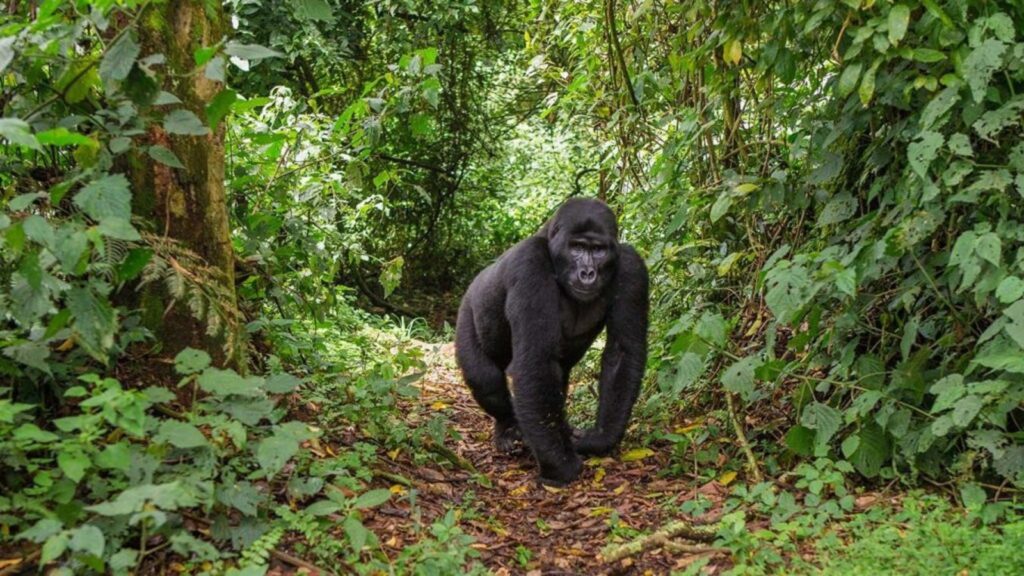
The Ruhija sector, especially the Mubwindi Swamp Trail, remains one of Uganda’s finest birdwatching locations. Many visitors combine birding with the park’s famous mountain gorilla trekking experience.
Mabamba Bay Wetland
Mabamba Bay is internationally renowned as Uganda’s best location for the Shoebill.
Located on the northern shores of Lake Victoria near Entebbe, this extensive papyrus swamp provides ideal habitat for one of Africa’s most iconic birds. Canoe excursions allow visitors to quietly navigate narrow channels while searching for shoebills, African jacanas, papyrus gonoleks, blue-breasted bee-eaters, malachite kingfishers, and numerous herons and egrets.
Mabamba is a must-visit destination for every serious birder.
Queen Elizabeth National Park
Queen Elizabeth National Park combines excellent birdwatching with exceptional wildlife viewing.
More than 600 bird species have been recorded here, making it one of the richest protected areas for birds in East Africa. The Kazinga Channel attracts large numbers of waterbirds, while the Ishasha sector, Maramagambo Forest, and crater lakes support diverse woodland and forest species.
Visitors frequently observe African Fish Eagles, Pink-backed Pelicans, Saddle-billed Storks, Martial Eagles, Grey Crowned Cranes, and countless migratory birds.
Murchison Falls National Park
Uganda’s largest national park offers superb birdwatching across diverse habitats.
Riverine forests, open savannah, wetlands, and the Nile River support more than 450 bird species. The park is one of the country’s best destinations for the shoebill, Goliath heron, Abyssinian ground hornbill, secretary bird, red-throated bee-eater, giant kingfisher, and numerous raptors.
Boat safaris along the Nile provide outstanding bird photography opportunities.
Kibale National Park
Although famous for chimpanzee tracking, Kibale National Park also attracts bird enthusiasts.
The park’s mature tropical rainforest supports approximately 375 bird species, including the green-breasted pitta, African pitta, black bee-eater, blue-headed sunbird, brown-chested alethe, and numerous flycatchers, barbets, and hornbills.
Birdwatchers often combine chimpanzee trekking with guided forest birding walks.
Semuliki National Park
Semuliki National Park offers one of Uganda’s most unique birdwatching experiences.
Situated within the Congo Basin ecosystem, the park supports many Central African bird species rarely found elsewhere in East Africa. Visitors search for the Nkulengu Rail, White-crested Hornbill, Black Dwarf Hornbill, Piping Hornbill, Long-tailed Hawk, and several species of greenbuls and forest flycatchers.
Its distinctive avifauna makes Semuliki an essential stop for serious birders.
Lake Mburo National Park
Lake Mburo National Park combines wetlands, acacia woodland, and open grasslands.
The park supports more than 350 bird species, including African Finfoot, Papyrus Yellow Warbler, Bare-faced Go-away Bird, Red-faced Barbet, Brown-chested Lapwing, and numerous kingfishers, herons, and raptors.
Its accessible habitats make it particularly attractive for first-time visitors.
Kidepo Valley National Park
Kidepo Valley National Park protects Uganda’s remote northeastern savannah.
The park supports more than 470 bird species, including many birds associated with East Africa’s dry regions. Highlights include Karamoja Apalis, Ostrich, Secretary Bird, Abyssinian Roller, Pygmy Falcon, Clapperton’s Francolin, and numerous vultures.
Its spectacular scenery and low visitor numbers enhance the birdwatching experience.
Mgahinga Gorilla National Park
Mgahinga Gorilla National Park forms part of the Virunga Conservation Area.
The park supports approximately 180 bird species, including many Albertine Rift endemics such as Rwenzori Turaco, Dusky Crimsonwing, Archer’s Robin-Chat, Regal Sunbird, and Handsome Francolin.
Birdwatching combines perfectly with golden monkey tracking and gorilla trekking.
Best Time for Birdwatching in Uganda
Uganda offers excellent birdwatching throughout the year.
The relatively dry seasons from June to August and December to February provide easier travel conditions, while the rainy seasons often coincide with breeding activity and the arrival of Palearctic migratory birds. Early mornings consistently provide the highest levels of bird activity regardless of season.
Visitors planning dedicated birding safaris often spend two to three weeks exploring multiple birding sites.
Tips for a Successful Birding Safari
Carry quality binoculars, a field guide to East African birds, waterproof hiking boots, lightweight rain gear, insect repellent, and a camera with a telephoto lens. Hiring experienced local bird guides significantly improves species identification because they recognize bird calls, preferred habitats, and seasonal movements.
Allowing sufficient time at each destination greatly increases the number of species observed.
Conclusion
The birding Uganda top sites showcase why Uganda continues to rank among the world’s greatest bird-watching destinations. From the Shoebill of Mabamba Bay and the Albertine Rift endemics of Bwindi to the savannah birds of Kidepo Valley and the waterbirds of Queen Elizabeth National Park, Uganda offers extraordinary diversity for bird enthusiasts of every experience level.
Whether you combine birdwatching with gorilla trekking, chimpanzee tracking, or a traditional wildlife safari, Uganda provides unforgettable opportunities to experience one of Africa’s richest avian landscapes while supporting important conservation initiatives.