Birding Rwanda Top Sites: Complete Guide to Rwanda’s Best Birdwatching Destinations
The Birding Rwanda Top Sites Guide introduces visitors to one of Africa’s most rewarding yet often overlooked birdwatching destinations. Known as the “Land of a Thousand Hills,” Rwanda offers exceptional bird diversity across its volcanic mountains, tropical rainforests, wetlands, lakes, savannahs, and agricultural landscapes. Despite its relatively small size, the country has recorded more than 700 bird species, making it one of East Africa’s premier locations for birdwatching.
Rwanda’s position within the Albertine Rift biodiversity hotspot gives birders the opportunity to observe numerous endemic and near-endemic species found in only a few parts of Africa. Many birdwatching destinations can also be combined with mountain gorilla trekking, golden monkey tracking, chimpanzee tracking, game drives, cultural tours, and scenic lake excursions, creating unforgettable wildlife holidays.
Whether you are an experienced ornithologist or a first-time birder, Rwanda offers remarkable opportunities to discover colorful forest birds, wetland specialists, birds of prey, and globally significant endemic species.
Why Rwanda Is a Great Birding Destination
Rwanda’s varied landscapes support an impressive range of habitats.
High-altitude volcanoes, ancient montane forests, papyrus wetlands, freshwater lakes, rolling hills, and savannah plains provide ideal conditions for resident and migratory birds. The country’s excellent road network, compact size, modern tourism infrastructure, and well-managed protected areas allow visitors to explore several birding destinations within a relatively short period.
These advantages have made Rwanda’s top birding sites increasingly popular among international birdwatchers.
Nyungwe National Park
Nyungwe National Park is Rwanda’s premier birdwatching destination.
The ancient montane rainforest supports more than 320 bird species, including nearly 30 Albertine Rift endemic birds. Birdwatchers travel here in search of spectacular species such as the Red-collared Babbler, Rwenzori Turaco, Handsome Francolin, Rockefeller’s Sunbird, Regal Sunbird, Grauer’s Swamp Warbler, Archer’s Robin-Chat, and Purple-breasted Sunbird.
The park’s extensive network of well-maintained forest trails provides outstanding birdwatching throughout the year.
Volcanoes National Park
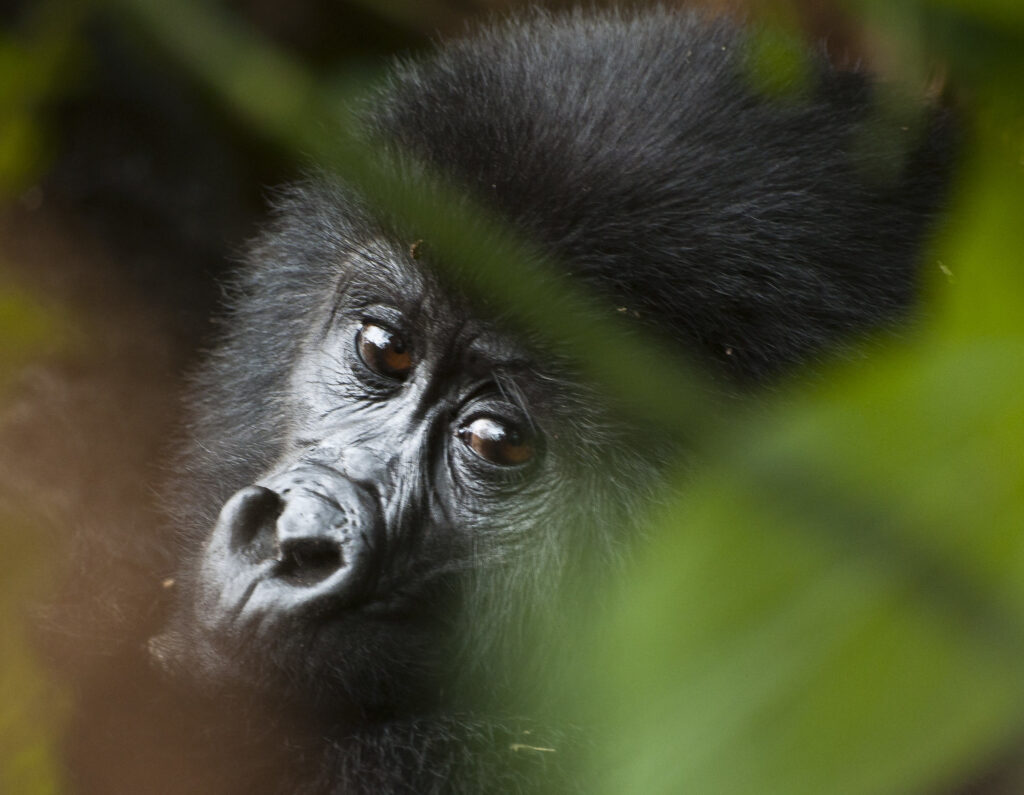
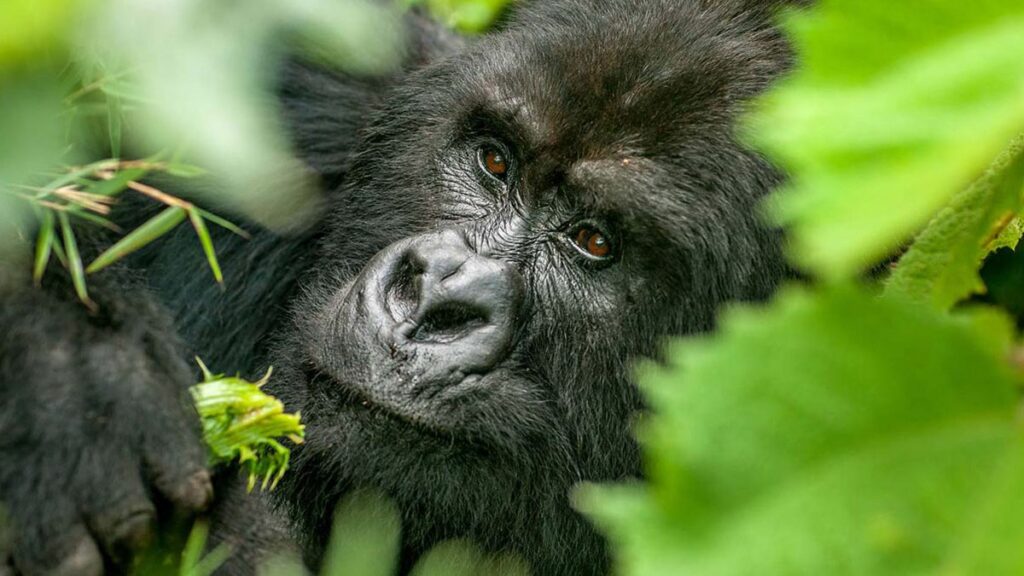
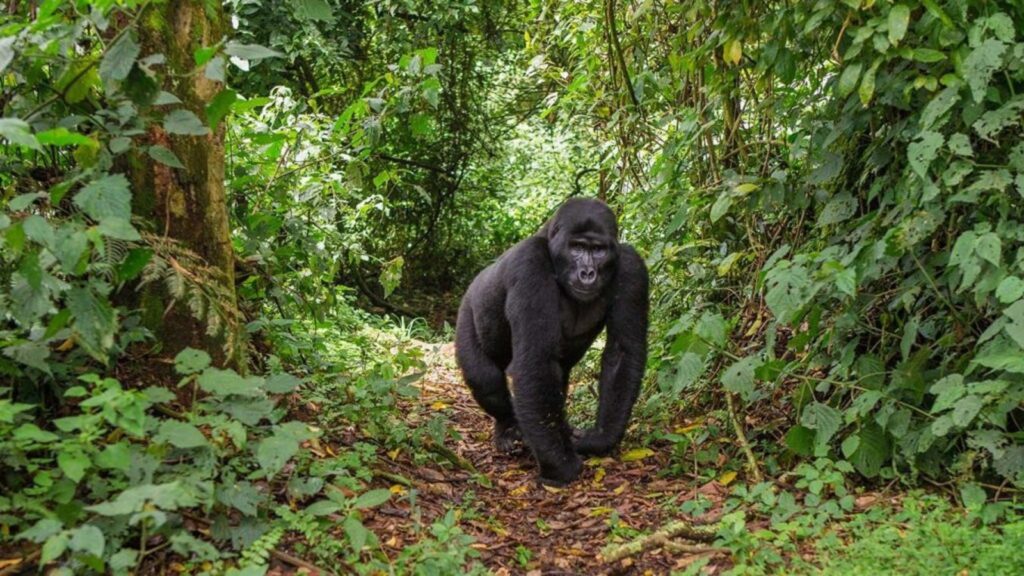
Volcanoes National Park combines exceptional birdwatching with world-famous mountain gorilla trekking.
More than 200 bird species inhabit its bamboo forests, montane woodlands, volcanic slopes, and alpine vegetation. Visitors regularly observe the Rwenzori Turaco, Dusky Crimsonwing, Archer’s Robin-Chat, Strange Weaver, Regal Sunbird, Mountain Yellow Warbler, Rwenzori Batis, and numerous other Albertine Rift endemics.
Many travelers combine birdwatching with gorilla trekking and golden monkey tracking for a complete wildlife experience.
Akagera National Park
Akagera National Park offers Rwanda’s best savannah birdwatching.
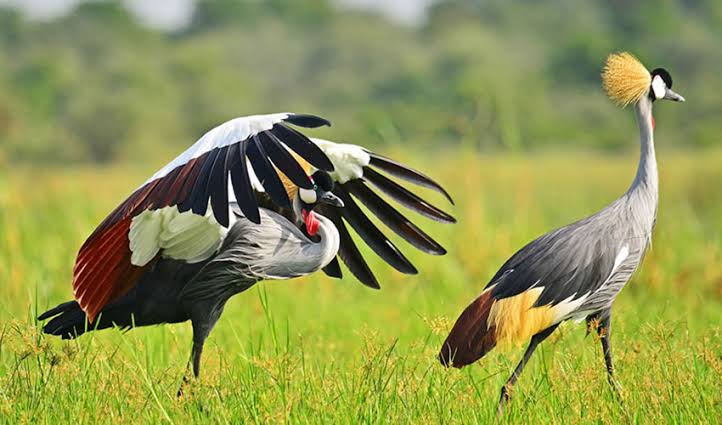
Its mixture of lakes, marshes, woodland, open grassland, and river systems supports more than 500 bird species, making it the country’s richest park for bird diversity. Notable species include the Shoebill, African Fish Eagle, Saddle-billed Stork, Papyrus Gonolek, Northern Brown-throated Weaver, Grey Crowned Crane, African Jacana, and numerous kingfishers and herons.
Boat safaris on Lake Ihema provide exceptional opportunities for bird photography.
Gishwati-Mukura National Park
Gishwati-Mukura National Park is Rwanda’s newest national park and an emerging birdwatching destination.
The park protects recovering montane rainforest that supports numerous Albertine Rift birds alongside primates and other forest wildlife. Birders may encounter Mountain Yellow Warbler, Rwenzori Batis, Regal Sunbird, Archer’s Robin-Chat, Grauer’s Warbler, and several forest flycatchers.
Its peaceful atmosphere makes it ideal for visitors seeking quieter birdwatching experiences.
Rugezi Marsh
Rugezi Marsh is one of Rwanda’s most important wetland bird habitats.
This internationally recognized wetland attracts both resident and migratory birds while providing habitat for the globally threatened Grauer’s Swamp Warbler. Other notable species include Papyrus Canary, Carruthers’s Cisticola, White-winged Swamp Warbler, and numerous ducks, herons, and egrets.
The marsh remains an essential destination for wetland bird enthusiasts.
Lake Kivu
Lake Kivu offers relaxed birdwatching along Rwanda’s western border.
The lake’s shoreline, wetlands, and surrounding forests support African Fish Eagles, Pied Kingfishers, Malachite Kingfishers, cormorants, herons, egrets, weavers, and numerous waterbirds. Visitors often combine birdwatching with boat cruises, cultural visits, and scenic relaxation around Rubavu and Karongi.
The beautiful lakeside scenery enhances the overall birding experience.
Kigali Wetlands and Urban Birding
Even Rwanda’s capital provides rewarding birdwatching opportunities.
Wetlands surrounding Kigali attract various waterbirds, while parks and gardens support sunbirds, weavers, bee-eaters, rollers, barbets, and other common species. Visitors with limited travel time can still enjoy productive birdwatching without leaving the city.
Urban birding serves as an excellent introduction to Rwanda’s rich birdlife.
Best Time for Birdwatching
Birdwatching is rewarding throughout the year.
The relatively dry seasons from June to September and December to February provide easier hiking conditions and improved visibility. During the rainy seasons, breeding activity often increases, and migratory birds supplement resident populations.
Early mornings consistently provide the highest levels of bird activity.
Birding Tips
Successful birdwatching requires good preparation.
Bring quality binoculars, waterproof hiking boots, lightweight rain gear, insect repellent, drinking water, a camera with a telephoto lens, and a field guide covering East African birds. Hiring experienced local bird guides significantly improves species identification through their knowledge of bird calls, habitats, and seasonal movements.
Allowing several days at each destination increases the variety of species observed.
Conclusion
The birding Rwanda top sites demonstrate why Rwanda has become one of Africa’s leading bird-watching destinations. From the Albertine Rift endemics of Nyungwe and Volcanoes National Parks to the Shoebill of Akagera and the wetland specialists of Rugezi Marsh, the country offers extraordinary bird diversity within a compact and easily accessible landscape.
Whether you combine birdwatching with gorilla trekking, chimpanzee tracking, game drives, or cultural experiences, Rwanda provides unforgettable wildlife encounters while supporting internationally respected conservation programs.