
Birding Volcanoes National Park Rwanda: Complete Guide to Rwanda’s Premier Montane Birding Destination
Birding in Volcanoes National Park, Rwanda, offers one of the most rewarding birdwatching experiences in East Africa. While the park is internationally famous for mountain gorilla trekking and golden monkey tracking, it also supports an extraordinary diversity of birdlife that attracts ornithologists, photographers, and nature enthusiasts from around the world. Situated within the spectacular Virunga Mountains, Volcanoes National Park protects high-altitude forests, bamboo zones, montane woodlands, swamps, and alpine vegetation that provide habitat for numerous rare bird species.
The park forms part of the Albertine Rift, one of Africa’s most important biodiversity hotspots. More than 200 bird species have been recorded here, including many Albertine Rift endemics found in only a handful of locations across East and Central Africa. Combined with breathtaking volcanic scenery and excellent conservation efforts, Volcanoes National Park has become a must-visit destination for anyone interested in birdwatching in Rwanda.
Whether you are an experienced birder or simply enjoy observing wildlife, Volcanoes National Park offers unforgettable encounters with some of Africa’s rarest mountain birds.
Why Volcanoes National Park Is a Top Birding Destination
Volcanoes National Park provides exceptional habitat diversity.
Its elevation ranges from approximately 2,400 to over 4,500 meters above sea level, creating several ecological zones that support different bird communities. Dense bamboo forests merge into Hagenia woodlands, giant heath vegetation, and alpine meadows, allowing visitors to encounter a wide variety of species during a single birding excursion.
This rich habitat diversity makes birding Volcanoes National Park, Rwanda, one of the country’s premier wildlife activities alongside gorilla trekking.
Bird Species Found in Volcanoes National Park
More than 200 bird species have been recorded within the park.
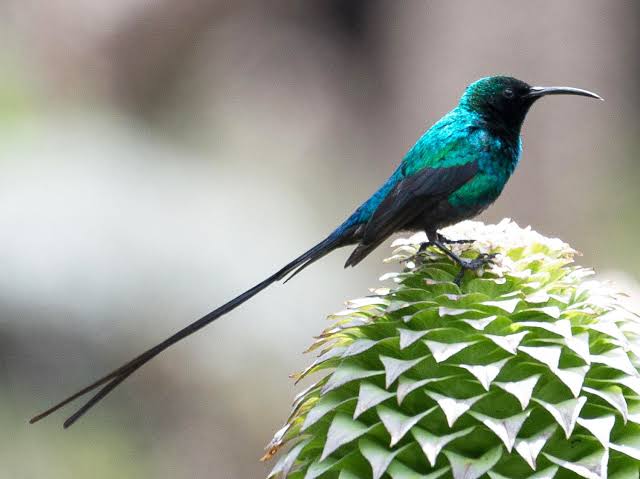
Among the most sought-after species are the Rwenzori turaco, handsome francolin, Archer’s robin-chat, Rwenzori batis, dusky crimsonwing, strange weaver, regal sunbird, collared apalis, mountain yellow warbler, Grauer’s swamp warbler, and red-faced woodland warbler.
Many of these birds belong to the Albertine Rift endemic group, making Volcanoes National Park especially attractive for international birdwatchers seeking species that occur nowhere else in the world.
Albertine Rift Endemic Birds
One of the greatest attractions of birding in Volcanoes National Park, Rwanda, is the opportunity to observe Albertine Rift endemic species.
These birds have evolved within the unique mountain ecosystems stretching across Rwanda, Uganda, Burundi, and the Democratic Republic of the Congo. Their restricted distribution makes them highly prized among birders, and Volcanoes National Park provides one of the most accessible locations for observing many of them.
The combination of endemic birds and spectacular volcanic scenery creates a unique birdwatching experience.
Best Birding Trails
Several trails within the park offer outstanding birdwatching opportunities.
The trail leading toward Dian Fossey’s former research camp passes through excellent montane forest habitat where numerous endemic birds occur. The bamboo forest trails are productive for forest specialists, while higher-altitude hiking routes on the volcanic slopes reveal additional species adapted to alpine environments.
Guided nature walks around the park boundaries also provide rewarding birdwatching with easier walking conditions for visitors seeking shorter excursions.
Best Time for Birdwatching
Birdwatching takes place throughout the year.
The relatively dry seasons from June to September and December to February generally provide more comfortable hiking conditions and clearer visibility. During the wetter months, breeding activity often increases, making many birds more vocal and easier to locate.
Early mornings remain the most productive period because birds become highly active shortly after sunrise before temperatures increase later in the day.
Birding with Professional Guides
Experienced bird guides greatly improve your chances of locating rare species.
Local guides possess detailed knowledge of bird calls, seasonal movements, preferred habitats, and recent sightings throughout the park. Their expertise often allows visitors to observe species that would otherwise remain hidden within dense vegetation.
Hiring a professional guide significantly enhances every birding Volcanoes National Park Rwanda excursion.
Combining Birding with Gorilla Trekking
Many visitors combine birdwatching with Rwanda’s famous gorilla trekking experience.
A multi-day itinerary allows travelers to dedicate one day to mountain gorilla trekking while spending additional days exploring the park’s birdlife. Golden monkey tracking, volcano hiking, and cultural visits can also be incorporated into the itinerary, creating a well-rounded wildlife holiday.
This combination makes Volcanoes National Park one of Africa’s most diverse safari destinations.
Bird Photography Tips
Volcanoes National Park provides excellent opportunities for wildlife photography.
Because many bird species inhabit dense forest environments, photographers benefit from telephoto lenses, image stabilization, fast shutter speeds, and weather-protected equipment. Neutral-colored clothing, quiet movement, and patience help minimize disturbance while improving opportunities for close observation.
Morning light usually offers the best photographic conditions within the forest.
Conservation and Responsible Birding
Birdwatching directly supports conservation efforts in Rwanda.
Tourism revenue contributes to habitat protection, ranger patrols, scientific research, community development, environmental education, and long-term wildlife conservation. Visitors should remain on designated trails, avoid disturbing nesting birds, and follow all park regulations during birdwatching excursions.
Responsible tourism helps preserve the park’s remarkable biodiversity for future generations.
Practical Tips for Visitors
Comfortable hiking boots, waterproof clothing, binoculars, drinking water, insect repellent, sunscreen, and a field guide to East African birds are highly recommended. Weather conditions can change rapidly in the mountains, so carrying lightweight rain gear throughout the day is advisable.
Allowing at least two days for birdwatching increases the likelihood of observing a wide variety of species while enjoying the park’s spectacular landscapes.
Conclusion
Birding in Volcanoes National Park, Rwanda, offers one of East Africa’s finest birdwatching experiences. With more than 200 bird species, numerous Albertine Rift endemics, experienced local guides, spectacular volcanic scenery, and outstanding conservation programs, the park continues to attract bird enthusiasts from around the world.
Whether combined with gorilla trekking or enjoyed as a dedicated birding holiday, Volcanoes National Park provides unforgettable opportunities to discover Rwanda’s remarkable avian diversity while supporting one of Africa’s most successful conservation destinations.



