Chapin’s Flycatcher Bwindi: Complete Guide to Finding This Rare Albertine Rift Bird
The Chapin’s Flycatcher Bwindi experience is a highlight for dedicated birdwatchers exploring Uganda’s ancient montane rainforest. Although Bwindi Impenetrable National Park is internationally renowned for mountain gorilla trekking, it also ranks among Africa’s finest birdwatching destinations. The park protects more than 350 recorded bird species, including numerous Albertine Rift endemics and several uncommon forest specialists that attract birders from around the world.
Among these remarkable birds is Chapin’s Flycatcher (Fraseria lendu), a species that many enthusiasts hope to observe during a birding safari in Bwindi. Its limited distribution, quiet behavior, and preference for dense high-altitude forest make every sighting particularly rewarding. For birders seeking rare forest birds, finding Chapin’s Flycatcher often becomes one of the highlights of a Uganda birding itinerary.
This guide explains where to look for the species, how to identify it, and how to improve your chances of seeing it while visiting Bwindi Impenetrable National Park.
What Is Chapin’s Flycatcher?
Chapin’s Flycatcher is a small insect-eating forest bird belonging to the Old World flycatcher family.
The species occurs within the Albertine Rift region, where it inhabits mature montane forests at medium and high elevations. Because it spends much of its time quietly searching for insects beneath the forest canopy, it often escapes the attention of casual visitors.
For experienced birdwatchers, observing the Chapin’s flycatcher Bwindi population represents an exciting addition to an Albertine Rift bird list.
Identification Features
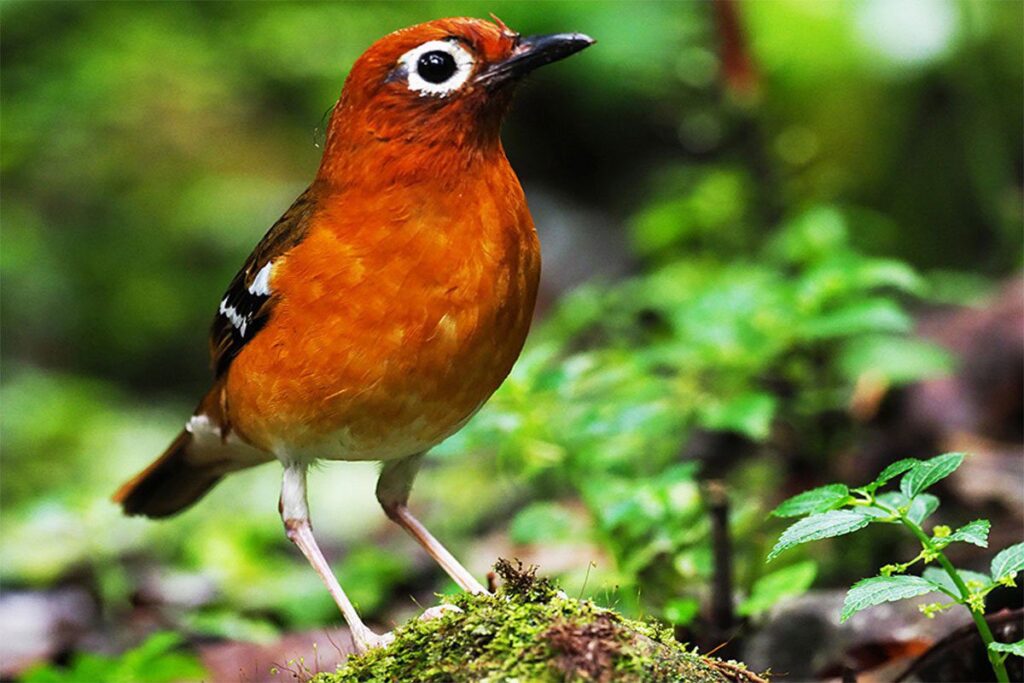
Chapin’s Flycatcher has a modest but elegant appearance.
Its plumage consists mainly of olive-brown and grey tones, with a pale throat, lighter underparts, and a slender dark bill suited to catching insects. The bird’s large dark eyes, upright posture, and quick movements through the middle levels of the forest help distinguish it from other flycatchers.
Although it lacks the bright colors of many tropical birds, careful observation reveals its subtle beauty and graceful behavior.
Why Bwindi Is an Excellent Habitat
Bwindi Impenetrable National Park provides ideal conditions for Chapin’s flycatcher.
The park’s ancient rainforest contains mature trees, dense understory vegetation, bamboo zones, and moist valleys that support abundant insect life throughout the year. These habitats offer excellent feeding opportunities while providing shelter for numerous rare forest birds.
The ecological diversity found throughout Bwindi makes the Chapin’s Flycatcher Bwindi experience possible alongside sightings of many other Albertine Rift specialties.
Best Birding Areas in Bwindi
Several sectors within Bwindi offer productive birdwatching.
The Ruhija sector remains especially popular because of the famous Mubwindi Swamp Trail, which passes through a variety of habitats supporting numerous endemic bird species. The Buhoma sector also provides excellent birding opportunities along the Waterfall Trail, Munyanga River Trail, and Ivy River Trail.
Rushaga and Nkuringo contain quieter forest trails where birders can enjoy extended observation with fewer visitors.
Exploring multiple sectors increases the likelihood of encountering Chapin’s Flycatcher.
Best Time to Search
Birdwatching takes place throughout the year in Bwindi.
The relatively dry seasons from June to August and December to February generally provide easier hiking conditions and better trail access. However, birds remain active during the wetter months as well, particularly during breeding periods when vocal activity often increases.
Early morning offers the highest probability of locating Chapin’s Flycatcher because insect activity and bird movement are greatest shortly after sunrise.
Birding with a Professional Guide
Experienced bird guides greatly improve your chances of finding this elusive species.
Local guides recognize subtle calls, preferred feeding habitats, and seasonal movements that many visitors would overlook. They also know where rare birds have recently been observed and can adapt routes based on current conditions within the forest.
Hiring a knowledgeable guide significantly enhances every Chapin’s Flycatcher Bwindi birding excursion.
Other Birds You May See
Searching for Chapin’s Flycatcher often results in sightings of many other remarkable species.
Birders frequently record the African Green Broadbill, Shelley’s Crimsonwing, Regal Sunbird, Purple-breasted Sunbird, Handsome Francolin, Strange Weaver, Archer’s Robin-Chat, Red-throated Alethe, Rwenzori Batis, Grauer’s Rush Warbler, and Mountain Masked Apalis.
This exceptional diversity makes every walk through Bwindi rewarding, even when searching for a single target species.
Photography Tips
Photographing forest birds requires careful preparation.
Carry a camera with a telephoto lens, fast autofocus, and good low-light performance because the rainforest canopy limits available sunlight. Wear neutral-colored clothing, move quietly, and remain patient when birds appear. Chapin’s Flycatcher often pauses briefly before moving deeper into the forest, giving attentive photographers valuable opportunities.
Respecting the bird’s natural behavior always takes priority over obtaining photographs.
Conservation Importance
Protecting Bwindi’s rainforest safeguards Chapin’s Flycatcher and many other threatened species.
Tourism revenue generated through birdwatching and gorilla trekking supports habitat conservation, scientific research, ranger patrols, environmental education, and community development projects. Responsible birdwatchers contribute directly to these conservation efforts by following park regulations and minimizing disturbance to wildlife.
Conservation remains essential for preserving Bwindi’s extraordinary biodiversity.
Combining Birding with Gorilla Trekking
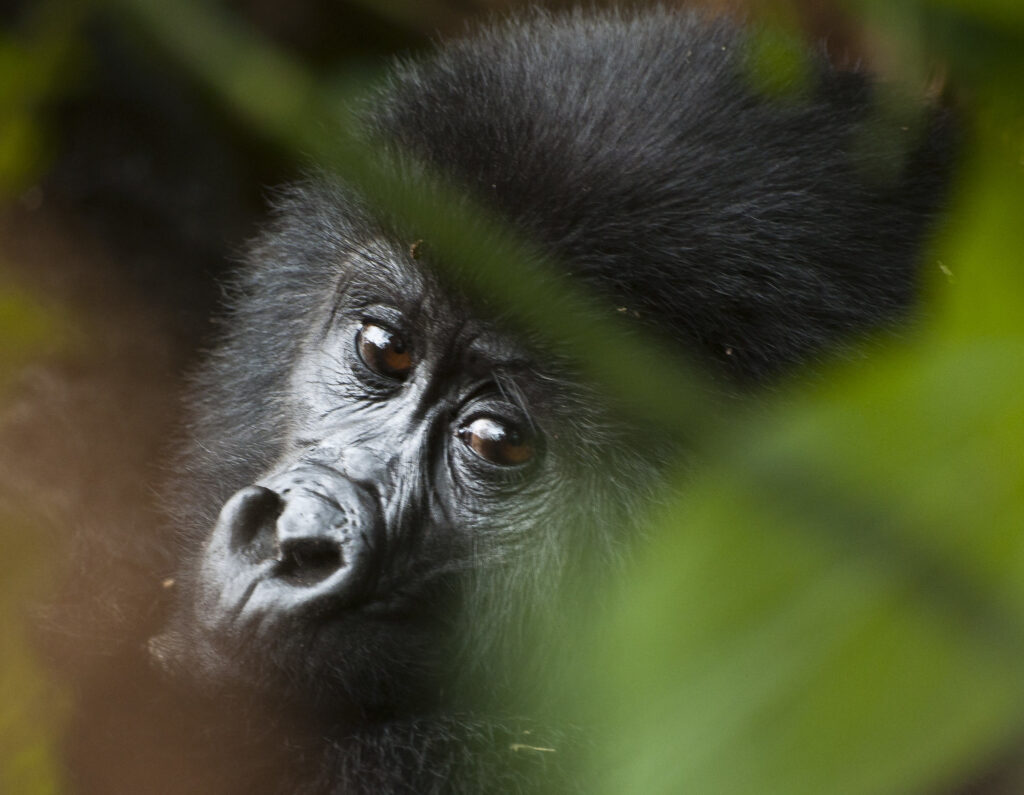
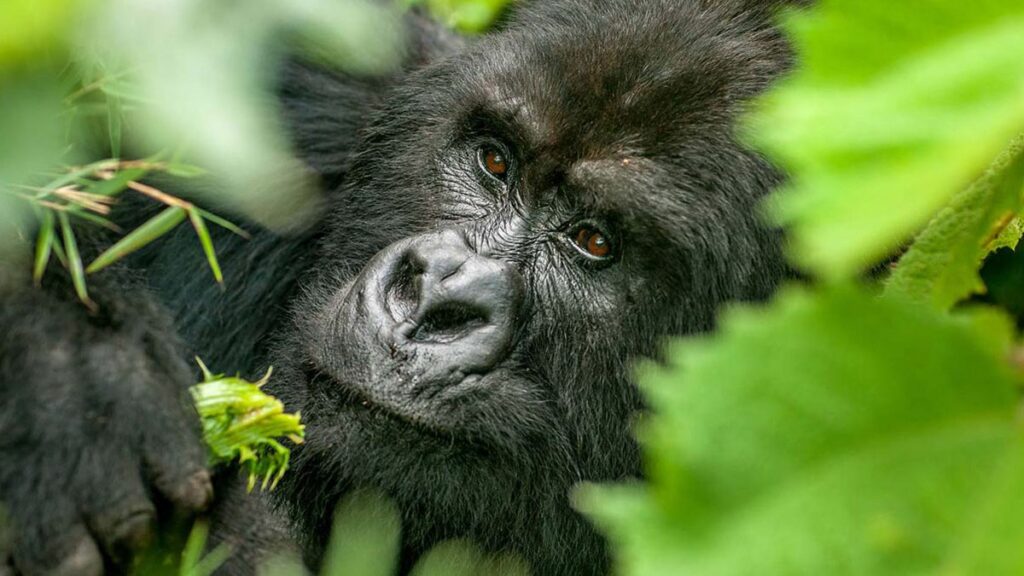
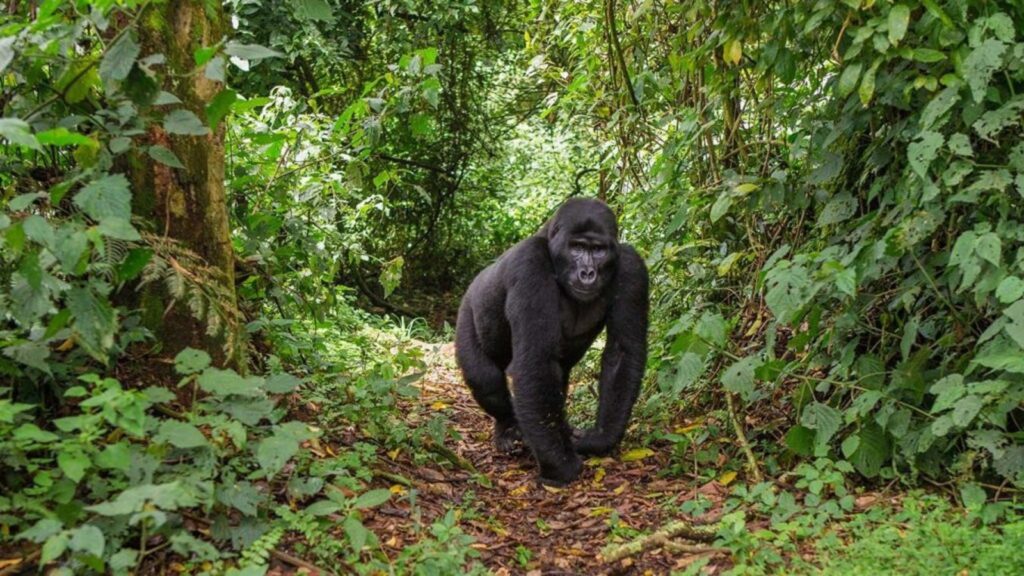
Many visitors combine birdwatching with mountain gorilla trekking during the same safari.
This combination allows travelers to experience Uganda’s most famous wildlife attraction while exploring one of Africa’s richest bird habitats. Spending several days in Bwindi provides sufficient time to search for rare birds like Chapin’s flycatcher while enjoying an unforgettable encounter with endangered mountain gorillas.
Few destinations offer such remarkable wildlife diversity within a single protected area.
Conclusion
The Chapin’s Flycatcher experience in Bwindi represents one of the many reasons birdwatchers regard Bwindi Impenetrable National Park as one of Africa’s premier forest birding destinations. Although the species can be challenging to locate, experienced guides, excellent birding trails, and the park’s exceptional habitats provide rewarding opportunities for patient observers.
Whether your primary goal is birdwatching, gorilla trekking, or a combination of both, Bwindi offers an extraordinary wildlife experience while supporting internationally recognized conservation efforts that continue to protect Uganda’s remarkable natural heritage.