Sponsor a Ranger Gorilla: Supporting Frontline Conservation Heroes in Uganda
Mountain gorillas are among the world’s most protected wildlife species, yet their survival depends on far more than conservation policies and tourism revenue. Behind every successful gorilla conservation story are dedicated wildlife rangers who patrol forests, monitor gorilla families, prevent illegal activities, assist researchers, guide visitors, and respond to conservation threats. As public awareness of wildlife protection grows, many conservation supporters are showing interest in initiatives such as “sponsor a ranger gorilla” programs.
These sponsorship initiatives allow individuals, businesses, schools, conservation groups, and wildlife enthusiasts to contribute directly to the work of rangers who protect mountain gorillas and their habitats. Rather than focusing solely on the animals themselves, sponsor a ranger program that recognizes the critical role that frontline conservation personnel play in ensuring the long-term survival of endangered species.
For people who want to make a practical contribution to gorilla conservation, sponsoring a ranger provides an opportunity to support those working every day in some of Africa’s most challenging and important conservation landscapes.
What Is a Sponsor a Ranger Gorilla Program?
A sponsor a ranger gorilla program is a conservation support initiative that helps fund the training, equipment, welfare, and operational needs of wildlife rangers involved in mountain gorilla protection. Supporters contribute financially to help ensure that rangers have the resources necessary to carry out their duties effectively.
These programs may be organized by conservation organizations, wildlife authorities, non-governmental organizations, conservation trusts, or tourism-related initiatives. The funds raised are typically used to support ranger equipment, uniforms, field supplies, communication systems, training programs, medical support, transportation, and other operational requirements.
Unlike symbolic animal adoption programs, ranger sponsorship focuses specifically on the people responsible for protecting wildlife and enforcing conservation regulations. This approach recognizes that successful conservation depends heavily on well-supported personnel.
The program creates a direct connection between conservation supporters and frontline wildlife protection efforts.
Why Rangers Are Essential to Gorilla Conservation
The importance of sponsoring ranger gorilla initiatives becomes clear when considering the wide range of responsibilities that wildlife rangers perform. Rangers serve as the first line of defense against threats to mountain gorillas and their habitats.
Their duties often include monitoring gorilla families, conducting patrols, removing illegal snares, preventing poaching activities, collecting conservation data, assisting researchers, supporting veterinary interventions, and ensuring visitor safety during gorilla trekking experiences.
Many rangers spend long periods working in remote forest environments where terrain, weather conditions, and logistical challenges can be demanding. Their presence helps maintain the security and stability necessary for successful conservation outcomes.
Without dedicated ranger teams, many of the conservation gains achieved over recent decades would be difficult to sustain.
How Ranger Sponsorship Supports Conservation
A sponsor of a ranger gorilla program provides practical support that directly strengthens conservation operations. Sponsorship funds help ensure that rangers are properly equipped and trained to perform their responsibilities effectively.
Field equipment such as boots, uniforms, rain gear, GPS devices, communication tools, first aid supplies, and patrol equipment are often essential for daily operations. Sponsorship contributions may also support transportation, field allowances, conservation training, and professional development opportunities.
Improved resources allow rangers to conduct more effective patrols, respond more quickly to threats, and maintain consistent monitoring of mountain gorilla populations. The result is stronger protection for both wildlife and their habitats.
Investing in ranger capacity contributes directly to conservation success.
Protecting Mountain Gorillas Every Day
Many supporters are attracted to sponsoring ranger gorilla initiatives because they offer a tangible way to contribute to mountain gorilla protection. Rangers interact with gorilla habitats daily and often play a direct role in safeguarding individual gorilla families.
Their work includes tracking gorilla movements, monitoring health conditions, observing behavioral patterns, and identifying potential risks. Rangers frequently collaborate with veterinarians, researchers, conservation managers, and local communities to ensure the well-being of gorilla populations.
This continuous presence within protected areas allows conservation teams to respond proactively to challenges before they become serious threats. Ranger support therefore has a direct impact on mountain gorilla survival.
Every successful gorilla trekking experience is made possible in part by the work of these conservation professionals.
Supporting Ranger Welfare and Motivation
An important aspect of sponsoring a ranger gorilla program is improving ranger welfare and job satisfaction. Conservation work can be physically demanding and often involves long hours in remote forest environments.
Support initiatives may contribute to healthcare services, insurance coverage, educational opportunities, family support programs, housing improvements, and professional development activities. These benefits help improve ranger well-being and create more sustainable working conditions.
Motivated and well-supported rangers are better positioned to perform their duties effectively and remain committed to long-term conservation careers. Supporting ranger welfare ultimately strengthens the overall conservation system.
Investing in people remains one of the most effective conservation strategies.
The Role of Tourism in Ranger Support
Gorilla tourism and sponsor-a-ranger gorilla initiatives often complement one another. Revenue generated through gorilla trekking permits contributes significantly to conservation management, while sponsorship programs provide additional support for specific ranger needs.
Many visitors who participate in gorilla trekking develop a deep appreciation for the work performed by rangers. After witnessing firsthand the effort required to protect mountain gorillas, some travelers choose to support ranger-focused conservation programs.
This connection between tourism and conservation funding helps strengthen long-term support for protected areas and wildlife management initiatives.
Tourism therefore plays an important role in generating awareness and encouraging public participation in conservation efforts.
Educational Benefits of Ranger Sponsorship
Many sponsor a ranger gorilla programs include educational components that help supporters better understand the realities of wildlife conservation. Participants may receive updates, conservation reports, ranger stories, newsletters, photographs, and information about ongoing conservation activities.
These materials provide valuable insights into the challenges faced by rangers and the strategies used to protect mountain gorillas. Increased awareness often encourages continued support for conservation initiatives and inspires broader environmental engagement.
Schools and community groups frequently use sponsorship programs as educational tools that introduce students to conservation careers, biodiversity protection, and environmental stewardship.
Education strengthens the long-term impact of conservation support.
Corporate and Community Participation
Businesses, schools, conservation clubs, and community organizations increasingly participate in sponsor a ranger gorilla programs as part of their environmental and social responsibility efforts. Group sponsorship initiatives allow organizations to contribute meaningfully to wildlife conservation while engaging employees, students, or members.
Corporate support can help finance larger projects, specialized equipment purchases, ranger training initiatives, or welfare programs. Educational institutions often use sponsorship activities to promote conservation awareness and environmental education.
Collective participation increases both funding opportunities and public awareness of ranger contributions to conservation success.
These partnerships help build stronger support networks for wildlife protection efforts.
Protected Areas Where Rangers Protect Mountain Gorillas
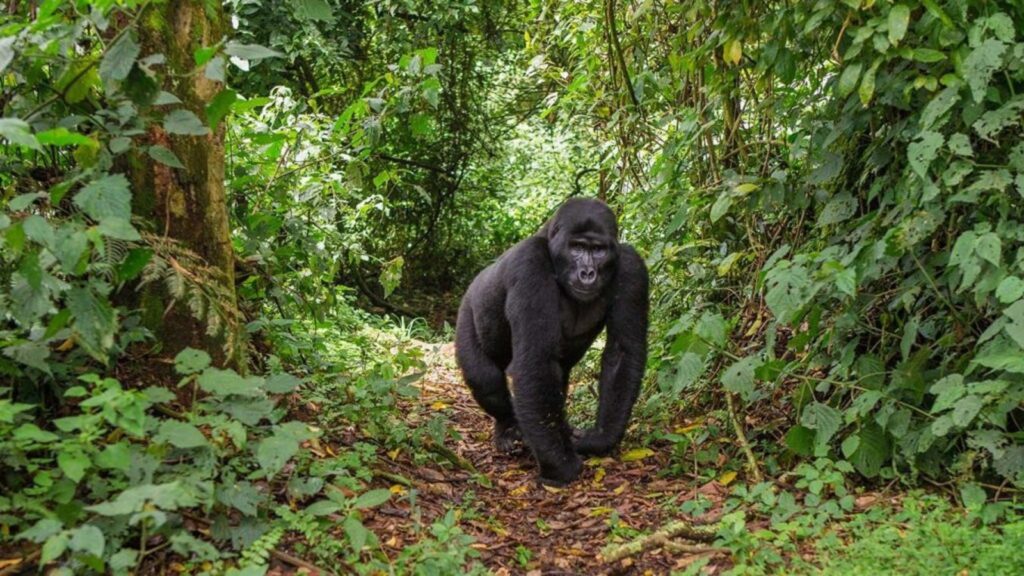
Many sponsor a ranger gorilla initiatives, supporting conservation personnel working in Uganda’s key mountain gorilla habitats. Rangers operating in Bwindi Impenetrable National Park play a critical role in monitoring gorilla families, guiding visitors, and protecting one of the world’s largest mountain gorilla populations.
Support may also benefit ranger teams working in Mgahinga Gorilla National Park, where conservation efforts contribute to the broader protection of the Virunga ecosystem.
These protected areas depend heavily on dedicated ranger teams whose daily efforts help maintain safe environments for both gorillas and visitors.
Their work remains fundamental to Uganda’s conservation achievements.
Conclusion
Sponsoring a ranger gorilla program offers a meaningful way to support the people who stand at the forefront of mountain gorilla conservation. By helping fund training, equipment, welfare, and operational resources, sponsors contribute directly to the effectiveness of ranger teams working in some of Africa’s most important protected areas.
Rangers play an essential role in protecting gorillas, monitoring wildlife, preventing illegal activities, supporting tourism, and maintaining healthy ecosystems. Their dedication and commitment have been instrumental in the conservation successes achieved over recent decades.
For individuals, businesses, schools, and organizations seeking a practical conservation contribution, sponsoring a ranger represents an investment not only in wildlife protection but also in the people who make conservation possible every day.