Donate Gorilla Conservation Uganda: How Your Contribution Helps Protect Mountain Gorillas
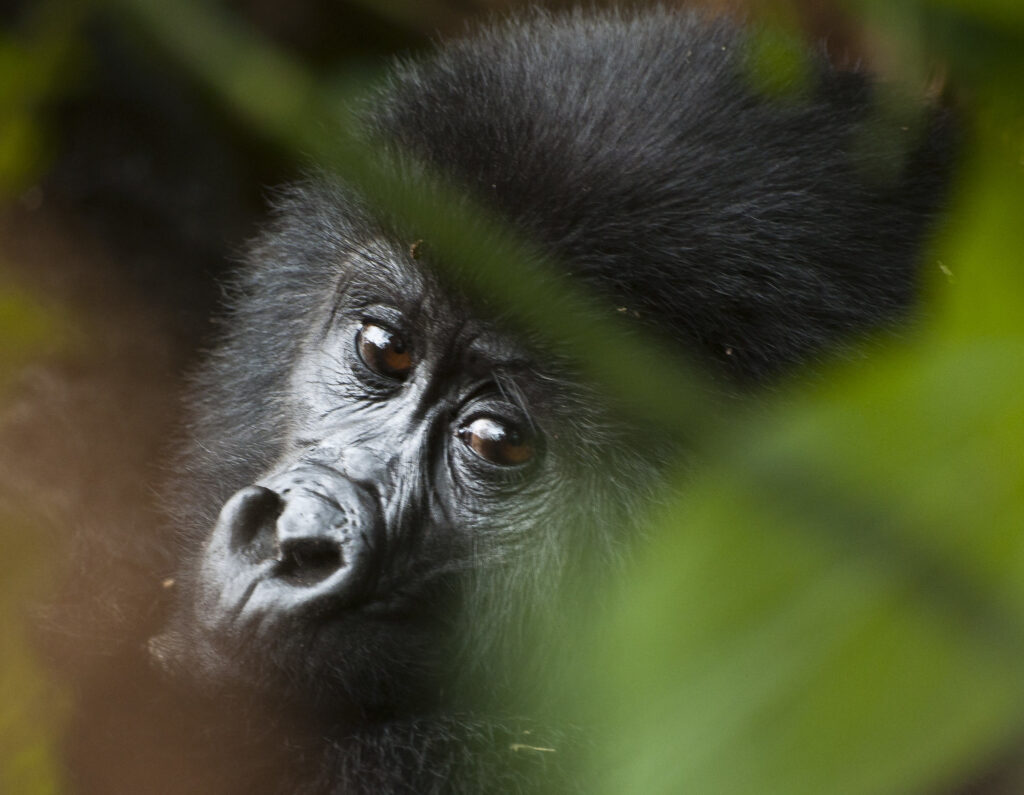
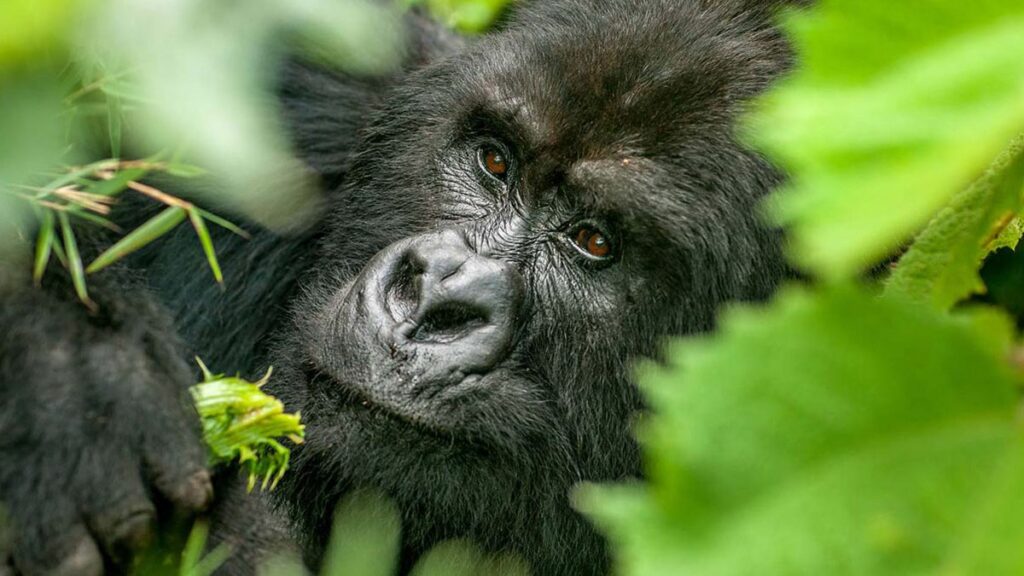
Uganda is home to more than half of the world’s remaining mountain gorillas, making it one of the most important destinations for gorilla conservation. These endangered primates live primarily within the dense forests of Bwindi Impenetrable National Park and Mgahinga Gorilla National Park, where decades of conservation work have helped stabilize and grow their populations. While gorilla trekking tourism generates substantial revenue for conservation efforts, additional financial support remains essential. This is why many wildlife supporters search for ways to donate to gorilla conservation initiatives in Uganda.
Donations play a critical role in funding wildlife protection, habitat management, scientific research, veterinary care, community development projects, ranger operations, and environmental education programs. Whether a person has visited Uganda on a gorilla safari or simply wishes to support conservation from afar, financial contributions can make a meaningful difference.
By choosing to donate to gorilla conservation in Uganda, individuals and organizations become part of a larger effort to ensure that mountain gorillas continue to thrive for future generations while supporting the communities that live alongside them.
Why Gorilla Conservation in Uganda Matters
The need to donate to gorilla conservation programs in Uganda stems from the importance of protecting one of the world’s rarest wildlife species. Mountain gorillas exist only within a small region of East and Central Africa, making their conservation particularly significant.
Although conservation efforts have achieved remarkable success in recent decades, mountain gorillas continue to face challenges related to habitat pressure, disease transmission, climate change, human population growth, and ongoing management needs. Maintaining healthy gorilla populations requires continuous investment in conservation activities.
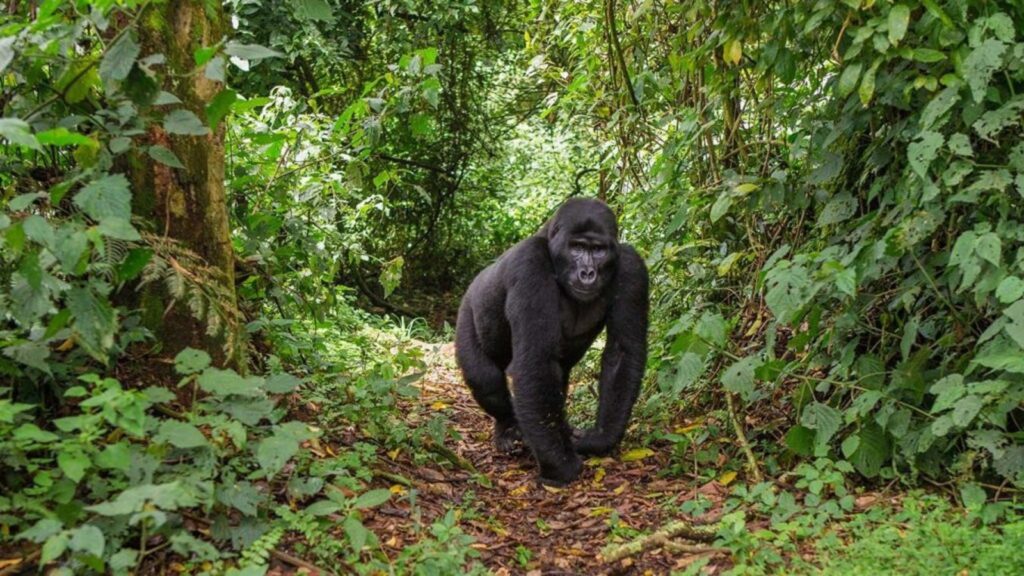
Uganda’s protected areas serve as critical strongholds for mountain gorillas. Conservation funding helps ensure that these habitats remain secure and that wildlife authorities can continue implementing effective management strategies.
Supporting conservation today helps secure the future of mountain gorillas tomorrow.
How Donations Support Mountain Gorilla Protection
When people choose to donate to gorilla conservation Uganda projects, their contributions often support a wide range of wildlife protection activities. One of the most important areas of funding is direct conservation management.
Conservation organizations and wildlife authorities use donations to support habitat monitoring, anti-poaching operations, ranger patrols, wildlife surveillance, and ecosystem protection. These activities help identify threats and ensure that gorillas remain safe within protected areas.
Donations may also contribute to emergency conservation responses when unexpected challenges arise. Flexible funding allows conservation teams to respond quickly and effectively to emerging situations.
Every contribution strengthens the resources available for protecting mountain gorillas and their natural environment.
Supporting Wildlife Rangers
Many donations for gorilla conservation initiatives in Uganda help fund the work of wildlife rangers who serve on the front lines of conservation. Rangers patrol protected areas, monitor gorilla families, remove illegal snares, guide visitors, and assist researchers.
Their work often involves long hours in remote forest environments under challenging conditions. Proper training, equipment, communication systems, transportation, and medical support are essential for effective ranger operations.
Donations can help provide the resources rangers need to carry out their duties safely and efficiently. Supporting ranger teams directly strengthens Uganda’s conservation infrastructure and contributes to long-term wildlife protection.
Rangers remain among the most important contributors to mountain gorilla conservation success.
Funding Veterinary Care and Gorilla Health Monitoring
Mountain gorilla health is another important area supported by donate gorilla conservation Uganda programs. Gorillas are vulnerable to many of the same illnesses that affect humans, making health monitoring a critical conservation priority.
Conservation organizations often conduct routine health assessments, disease surveillance, and veterinary interventions when necessary. Specialized veterinary teams may respond to injuries, illnesses, or emergencies that threaten individual gorillas or entire family groups.
Donations help support medical equipment, veterinary supplies, field operations, and ongoing health monitoring efforts. These investments contribute directly to the well-being of mountain gorillas.
Healthy gorilla populations are essential for successful long-term conservation outcomes.
Supporting Local Communities
Effective conservation depends on strong relationships with local communities. Many people who donate to gorilla conservation Uganda initiatives contribute indirectly to community development projects that improve livelihoods near protected areas.
Conservation organizations frequently support schools, healthcare facilities, clean water systems, agricultural projects, vocational training programs, and youth education initiatives. These projects help create economic opportunities while reducing pressures on wildlife habitats.
Communities that benefit from conservation-related programs are often more motivated to support wildlife protection efforts. This collaborative approach creates positive outcomes for both people and gorillas.
Community development remains a cornerstone of sustainable conservation strategies.
Conservation Research and Scientific Studies
Research plays a vital role in understanding mountain gorillas and developing effective conservation strategies. Many donate to gorilla conservation Uganda programs and allocate resources toward scientific research and monitoring initiatives.
Researchers study gorilla behavior, population dynamics, habitat conditions, genetics, disease risks, and environmental changes. The information collected helps conservation managers make informed decisions regarding wildlife protection and habitat management.
Donations may support field research, data collection, equipment purchases, and long-term monitoring projects. Scientific knowledge remains essential for adapting conservation efforts to changing environmental conditions.
Research strengthens the effectiveness and sustainability of conservation programs.
Environmental Education and Awareness
Another important benefit of donating to gorilla conservation initiatives in Uganda is support for environmental education programs. Conservation organizations work to increase public awareness about mountain gorillas, biodiversity protection, and sustainable resource management.
Educational activities may target schools, local communities, tourism stakeholders, and international audiences. Increased awareness helps build long-term support for conservation and encourages responsible environmental behavior.
Donations often help fund educational materials, workshops, community outreach programs, and conservation campaigns. These efforts create future generations of conservation advocates and supporters.
Education remains one of the most powerful tools for protecting wildlife.
How Individuals Can Contribute
People interested in donating to gorilla conservation in Uganda have several options available. Contributions can be made through conservation organizations, wildlife trusts, community-based conservation projects, research programs, and protected area support initiatives.
Some individuals choose one-time donations, while others establish recurring contributions that provide ongoing support. Businesses, schools, conservation clubs, and community groups may also organize fundraising activities to support conservation efforts.
Regardless of the size of the contribution, every donation helps strengthen the collective effort to protect mountain gorillas and their habitats.
Conservation success often depends on the combined support of many individuals working toward a common goal.
Protected Areas Benefiting from Conservation Donations
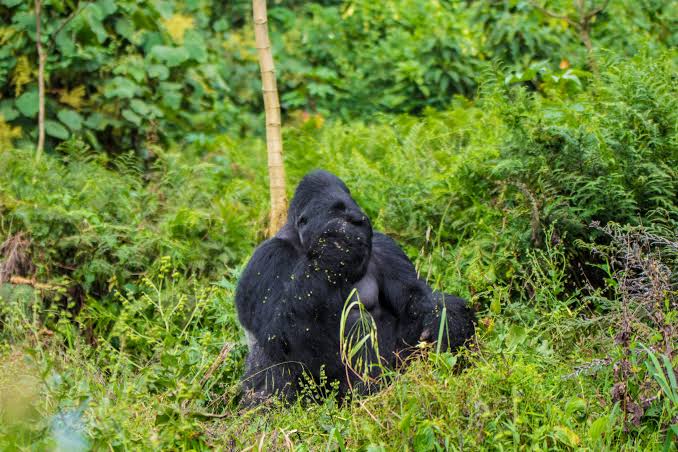
Many donations for gorilla conservation initiatives in Uganda focus on supporting activities within Uganda’s most important mountain gorilla habitats. Conservation projects in Bwindi Impenetrable National Park benefit from funding that supports gorilla protection, community development, scientific research, and tourism management.
Donations also contribute to conservation activities in Mgahinga Gorilla National Park, where wildlife protection efforts help safeguard gorillas and the broader Virunga ecosystem.
These protected areas represent some of the most significant mountain gorilla conservation landscapes in the world and depend on ongoing support from governments, conservation organizations, tourism revenue, and public contributions.
Their continued success relies on sustained conservation investment.
Conclusion
Choosing to donate to gorilla conservation initiatives in Uganda is one of the most direct ways individuals and organizations can support the protection of endangered mountain gorillas. Donations help fund ranger operations, veterinary care, scientific research, habitat protection, environmental education, and community development programs that collectively contribute to conservation success.
Uganda’s mountain gorillas represent one of the world’s greatest conservation achievements, but their future depends on continued commitment and financial support. Every contribution helps strengthen the systems and partnerships that protect gorillas and their forest habitats.
Whether inspired by a gorilla trekking safari or a passion for wildlife conservation, donating to gorilla conservation in Uganda provides a meaningful opportunity to make a lasting impact on one of Africa’s most remarkable species.