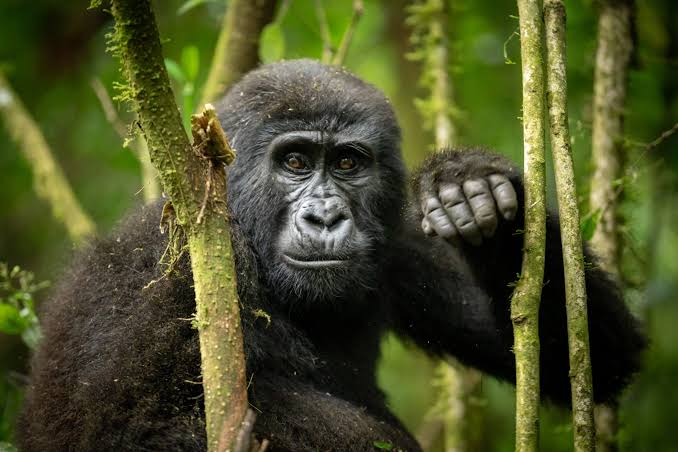
Name a Gorilla Experience: Understanding Gorilla Naming Ceremonies and Conservation Traditions
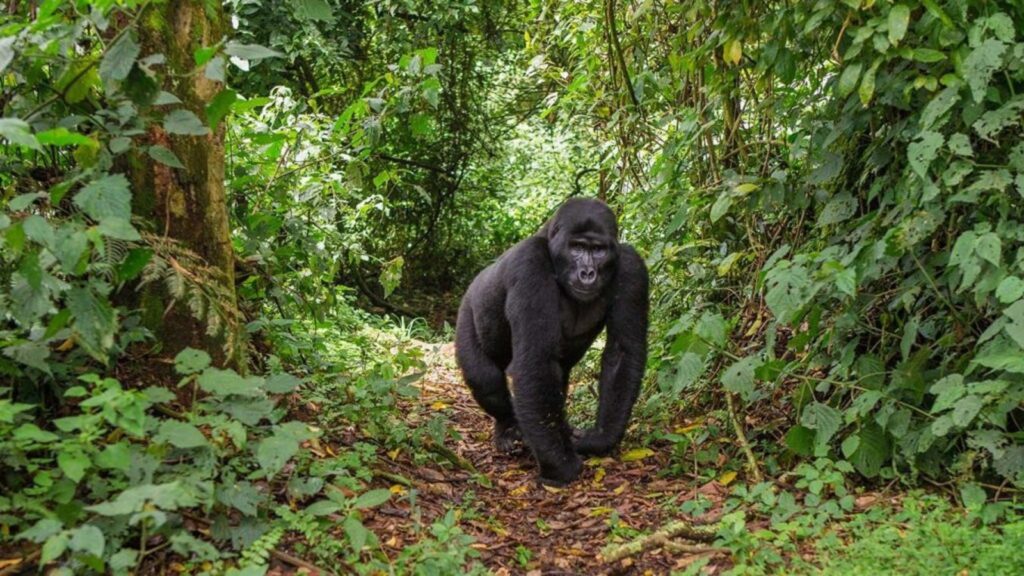
Mountain gorillas are among the most celebrated wildlife species in Africa, attracting visitors from around the world who travel to Uganda, Rwanda, and the Democratic Republic of Congo to witness them in their natural habitats. While gorilla trekking remains the most popular way to encounter these remarkable primates, conservation organizations have developed additional experiences that deepen public engagement and support wildlife protection. One of the most fascinating of these initiatives is the name a gorilla experience.
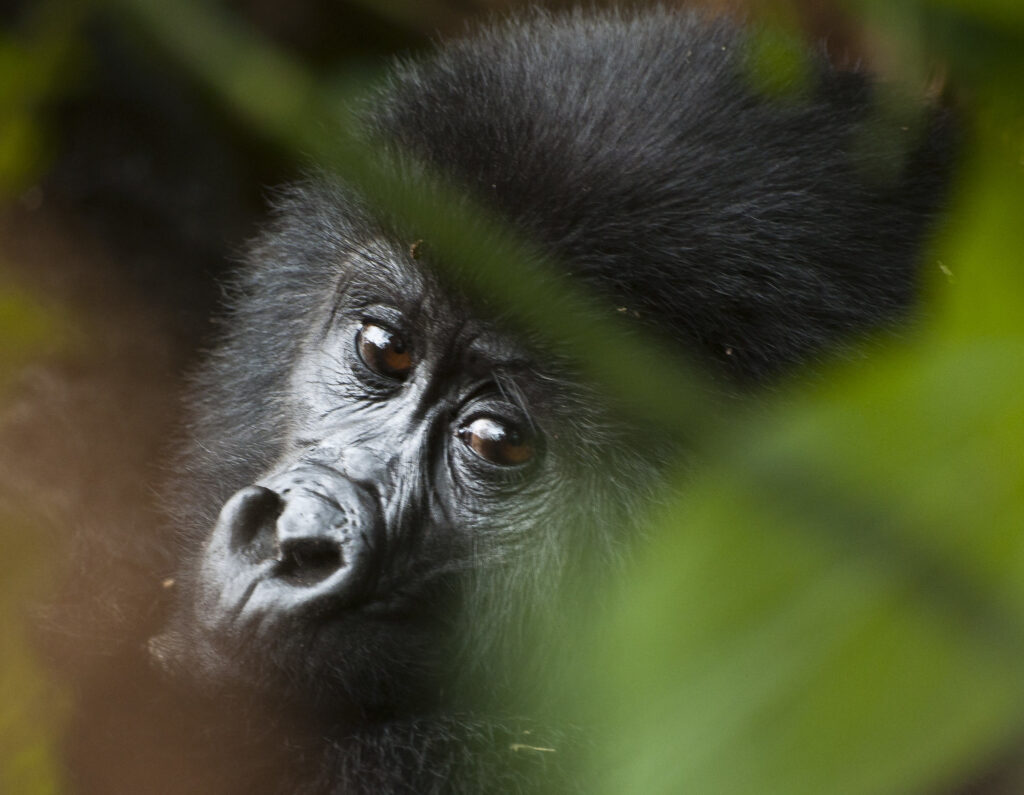
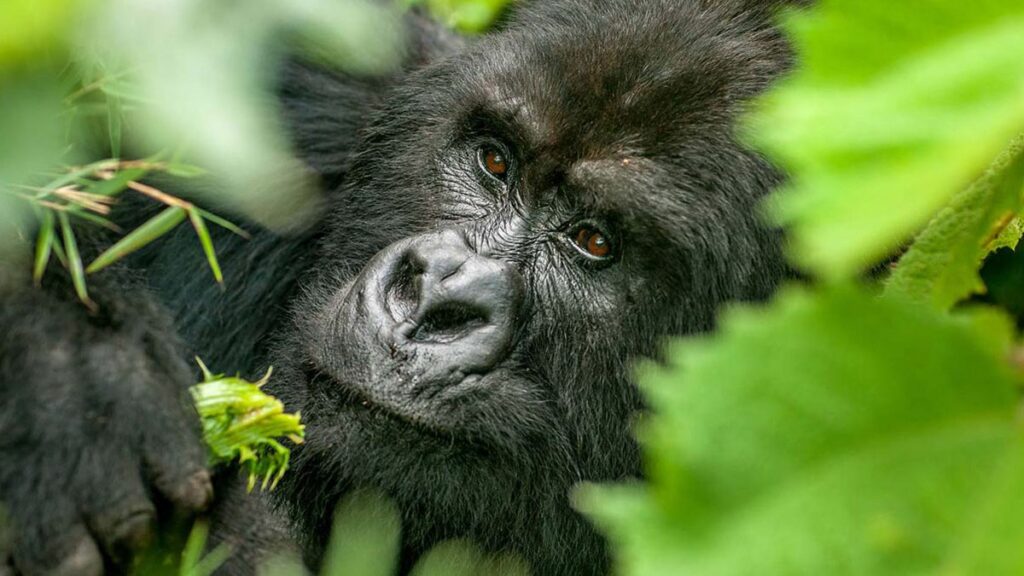
A name a gorilla experience allows people to learn about the conservation journey of individual gorillas and participate in or observe special naming traditions that celebrate newly identified gorilla infants. These events have become important conservation awareness tools because they create a stronger connection between people, wildlife, and the ongoing efforts to protect endangered mountain gorillas.
Beyond the ceremonial aspect, gorilla naming initiatives highlight the success of conservation programs, celebrate population growth, and encourage public support for wildlife protection. For many visitors, understanding the significance of naming a gorilla experience adds a meaningful cultural and conservation dimension to their gorilla safari.
What Is a “Name a Gorilla” Experience?
A name a gorilla experience refers to participation in, observation of, or learning about a conservation-based gorilla naming ceremony. These events are typically organized to celebrate the birth of new gorilla infants within monitored gorilla families and to recognize the conservation achievements that have helped mountain gorilla populations recover.
The naming process often involves conservationists, wildlife authorities, local communities, government officials, researchers, tourism stakeholders, and international guests. During the ceremony, selected names are officially assigned to young gorillas, often reflecting important cultural values, conservation milestones, environmental themes, or significant events.
The experience provides an opportunity for visitors and conservation supporters to gain deeper insights into mountain gorilla conservation while celebrating the growth of gorilla populations in protected areas.
For many participants, the ceremony creates a lasting connection to wildlife conservation efforts.
The Importance of Gorilla Naming Ceremonies
The significance of naming a gorilla experience extends far beyond the assignment of names. These ceremonies symbolize hope, conservation success, and the collective efforts of communities, governments, conservation organizations, and tourism stakeholders working to protect mountain gorillas.
Each newborn gorilla represents progress in conservation because population growth is often viewed as an indicator of successful wildlife management and habitat protection. Naming ceremonies celebrate these achievements while drawing attention to the importance of continued conservation investment.
The events also provide opportunities to educate the public about mountain gorillas, their behavior, habitat requirements, and the challenges they continue to face in the wild. Through media coverage and public participation, naming ceremonies help raise awareness on both national and international levels.
This educational impact makes the experience particularly valuable.
How Gorilla Names Are Chosen
One of the most interesting aspects of a name-a-gorilla experience is the process through which names are selected. Names are often carefully chosen to reflect cultural traditions, conservation values, community aspirations, or specific characteristics associated with the gorilla being named.
In some cases, names may honor individuals who have contributed significantly to conservation efforts. Other names may commemorate important events, celebrate environmental achievements, or highlight themes related to wildlife protection and sustainable development.
The naming process varies depending on the organization and conservation program involved, but the underlying goal remains the same: creating a meaningful identity that connects people to the individual gorilla and its conservation story.
These names often become part of the gorilla’s long-term monitoring record.
The Role of Communities in Gorilla Naming
Local communities play an important role in many, to name a few, gorilla experience initiatives. Conservation organizations recognize that long-term wildlife protection depends on positive relationships with people living near gorilla habitats.
Community representatives frequently participate in naming ceremonies and may contribute ideas for names that reflect local culture, traditions, and values. This involvement helps strengthen the connection between conservation programs and neighboring communities.
By including local voices in the process, naming initiatives promote a sense of shared ownership and responsibility for gorilla conservation. Community participation also reinforces the economic and social benefits that sustainable tourism can bring to regions where mountain gorillas live.
These partnerships are essential for successful conservation outcomes.
Educational Opportunities for Visitors
A name, a gorilla experience often includes educational activities that help participants better understand mountain gorillas and conservation efforts. Visitors may learn about gorilla family structures, population monitoring, habitat protection, veterinary interventions, and anti-poaching initiatives.
Conservation experts frequently use these events to explain how mountain gorilla populations are managed and monitored. Presentations, exhibitions, and guided discussions may provide additional context regarding conservation achievements and future challenges.
For travelers interested in wildlife conservation, the educational component of the experience can be just as rewarding as the ceremonial aspects. Participants gain a deeper appreciation for the complex work required to protect endangered species.
Education remains one of the primary objectives of these initiatives.
How Naming Experiences Support Conservation
The name “gorilla experience” contributes directly and indirectly to conservation efforts. Public interest generated by naming ceremonies helps attract media attention, tourism interest, donor support, and community engagement.
These events often encourage fundraising, conservation partnerships, and educational outreach activities that strengthen wildlife protection initiatives. Increased public awareness can also inspire individuals and organizations to support conservation projects financially or through advocacy.
By creating emotional connections between people and individual gorillas, naming experiences help transform abstract conservation concepts into personal and meaningful stories. This connection often leads to stronger long-term support for conservation efforts.
Public engagement remains a critical component of successful wildlife conservation.
Gorilla Trekking and Naming Experiences
Many visitors combine gorilla trekking with a “name a gorilla” experience to gain a more comprehensive understanding of mountain gorilla conservation. While trekking provides the opportunity to observe gorillas in their natural habitat, naming ceremonies offer insights into the broader conservation framework that supports their survival.
Travelers who participate in both experiences often develop a stronger appreciation for the relationship between tourism, conservation, and community development. The combination of wildlife encounters and conservation education creates a richer and more meaningful safari experience.
For wildlife enthusiasts, conservation supporters, and photographers, this expanded perspective adds significant value to their journey.
The experience goes beyond tourism and becomes an opportunity for learning and engagement.
Why Gorilla Naming Experiences Are Growing in Popularity
Interest in the name “gorilla experience” continues to grow because modern travelers increasingly seek meaningful and educational wildlife encounters. Many visitors want to understand how their tourism activities contribute to conservation and community development.
Naming ceremonies provide a unique opportunity to witness conservation success stories while celebrating the recovery of mountain gorilla populations. They also create memorable experiences that differ from traditional wildlife viewing activities.
As awareness of sustainable tourism and conservation grows, more travelers are seeking experiences that allow them to connect with wildlife on a deeper level. Gorilla naming initiatives meet this demand by combining culture, conservation, education, and celebration.
This combination contributes to their growing international appeal.
Protected Areas Associated with Gorilla Naming Initiatives
Many named gorilla experience activities are connected to East Africa’s most important mountain gorilla habitats. Conservation programs in Bwindi Impenetrable National Park often celebrate the growth of mountain gorilla populations through educational and conservation-focused initiatives.
Activities may also be associated with Mgahinga Gorilla National Park, where mountain gorillas form part of the larger Virunga conservation landscape.
In Rwanda, gorilla naming traditions are particularly well known through conservation activities linked to Volcanoes National Park, where gorilla conservation has become an important symbol of national environmental stewardship.
These protected areas continue to play a central role in mountain gorilla conservation.
Conclusion
A name-a-gorilla experience offers a unique opportunity to engage with mountain gorilla conservation beyond the traditional trekking experience. Through naming ceremonies, educational activities, community participation, and conservation storytelling, these initiatives celebrate the growth of gorilla populations while raising awareness about the importance of wildlife protection.
The experience helps visitors develop a stronger connection to mountain gorillas and the conservation efforts that support their survival. It also highlights the role of local communities, researchers, wildlife authorities, and tourism stakeholders in safeguarding one of the world’s most remarkable species.
For travelers seeking a deeper understanding of mountain gorilla conservation, a name a gorilla experience provides an inspiring and memorable addition to any gorilla safari in East Africa.