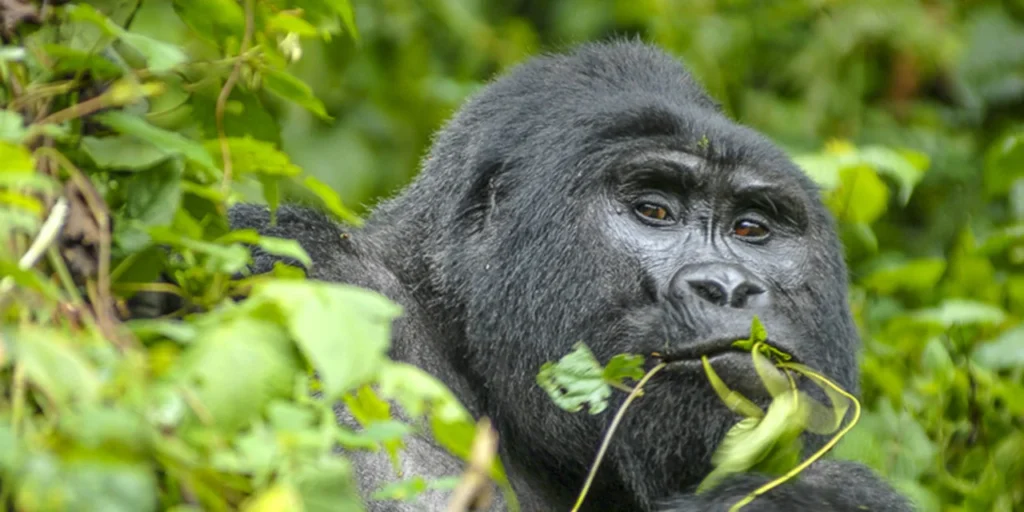
Gorilla Safari Investment Case Africa: Why Gorilla Tourism Is One of Africa’s Strongest Wildlife Investments
Africa’s tourism industry continues to attract significant investment from governments, private companies, conservation organizations, and international development partners. Among the continent’s many tourism sectors, gorilla tourism stands out as one of the most successful examples of high-value, conservation-based travel. The gorilla safari investment case Africa has gained increasing attention because of the sector’s ability to generate substantial revenue, support local communities, protect endangered wildlife, and create sustainable long-term economic growth.
Unlike mass tourism models that depend on large visitor numbers, gorilla tourism follows a high-value, low-volume approach. Visitors pay premium permit fees to experience a highly regulated wildlife encounter with mountain gorillas in Uganda and Rwanda. This model generates significant economic returns while minimizing environmental impacts and preserving the quality of the visitor experience.
For investors, gorilla tourism offers opportunities across multiple sectors, including hospitality, transportation, tour operations, conservation partnerships, infrastructure development, and community tourism enterprises. The continued growth of international demand for sustainable travel further strengthens the investment potential of gorilla tourism. As global travelers increasingly seek meaningful experiences that combine wildlife conservation with authentic cultural interactions, gorilla safaris remain uniquely positioned within the African tourism market.
Understanding the investment case for gorilla tourism helps explain why the sector continues to attract attention from both public and private stakeholders across Africa.
Understanding the Gorilla Safari Investment Case Africa
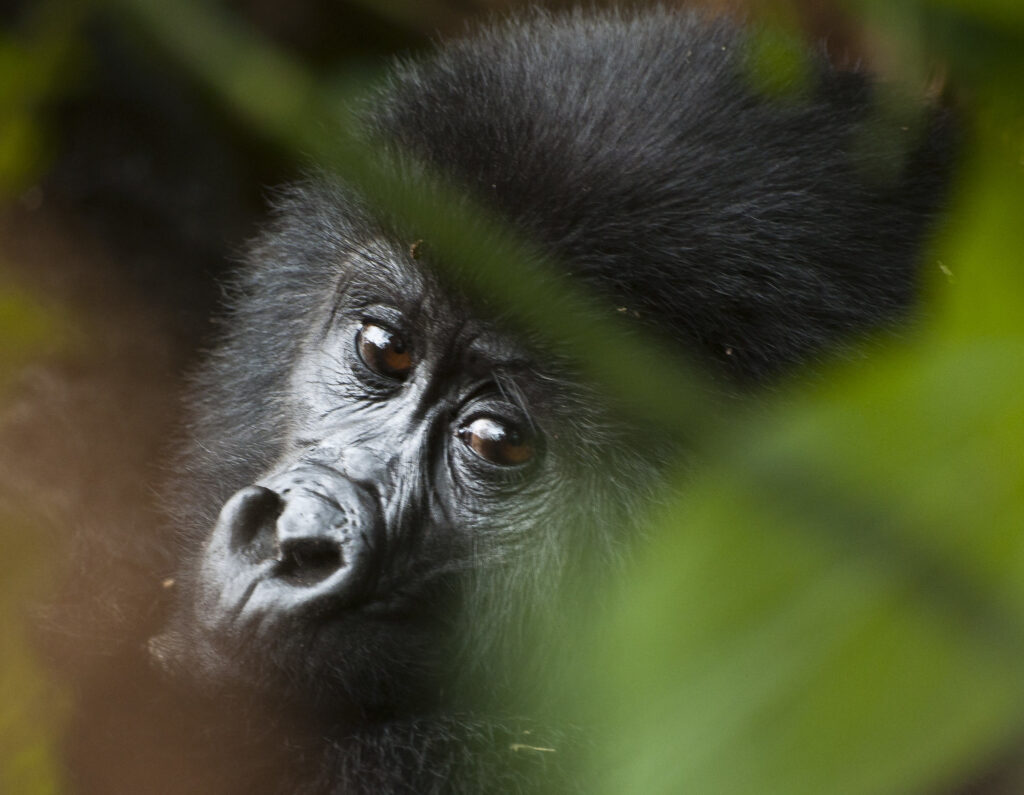
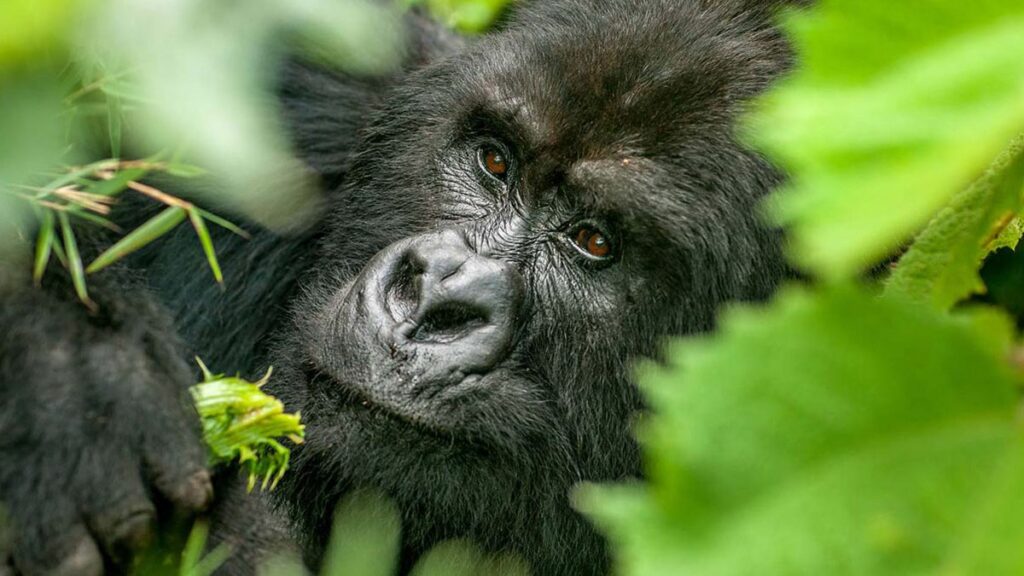
The gorilla safari investment case Africa is built on a combination of strong demand, limited supply, conservation value, and premium pricing. Mountain gorillas exist in only a small region of East and Central Africa, making gorilla trekking one of the world’s rarest wildlife experiences. Because the number of available permits remains strictly controlled, demand often exceeds supply during peak travel seasons.
This scarcity creates a highly valuable tourism product. Travelers are willing to spend significant amounts on permits, accommodation, transportation, and safari services because the experience cannot be easily replicated elsewhere. The exclusivity of gorilla trekking supports premium pricing and helps maintain healthy profit margins across the tourism value chain.
Unlike many tourism sectors that experience intense price competition, gorilla tourism benefits from a unique conservation-driven market position. Visitors are not simply purchasing a wildlife activity; they are investing in an experience that directly supports the protection of an endangered species. This combination of exclusivity and conservation impact strengthens the long-term investment outlook for the industry.
As global interest in sustainable tourism continues to grow, the value proposition of gorilla tourism becomes increasingly attractive to investors seeking both financial returns and positive social impact.
Strong International Demand for Gorilla Tourism
One of the strongest arguments supporting the investment case is the consistent international demand for gorilla safaris. Travelers from North America, Europe, Asia, Australia, and Africa continue to visit Uganda and Rwanda specifically to see mountain gorillas.
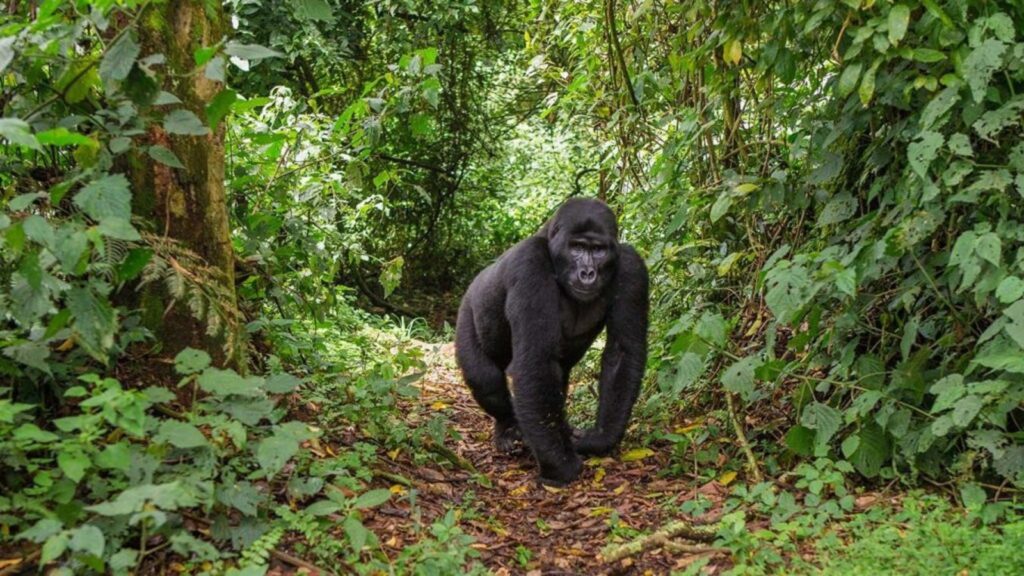
The experience appeals to multiple market segments. Luxury travelers seek exclusive wildlife encounters and premium accommodation. Adventure travelers value the physical challenge of trekking through tropical forests. Wildlife photographers pursue rare photographic opportunities, while conservation-minded tourists appreciate the opportunity to support environmental protection efforts.
Many visitors view gorilla trekking as a bucket-list experience and are willing to pay premium prices to participate. This willingness to spend contributes to high tourism revenue per visitor compared to many other wildlife tourism products.
The growing popularity of experiential travel further supports demand. Modern travelers increasingly prioritize authentic and meaningful experiences over traditional sightseeing. Gorilla trekking aligns perfectly with this trend by offering a deeply personal wildlife encounter that combines adventure, education, and conservation.
As awareness of mountain gorilla tourism expands globally, demand is expected to remain strong for many years.
Revenue Generation and Economic Impact
Gorilla tourism generates substantial economic benefits throughout the tourism value chain. Revenue begins with gorilla permits but extends far beyond the permit itself. Visitors typically spend money on accommodation, transportation, guiding services, meals, cultural activities, domestic flights, souvenirs, and additional safari experiences.
A single gorilla safari visitor often contributes significantly more revenue than the average leisure traveler. This high spending profile makes gorilla tourism particularly valuable to national economies and local communities.
The economic impact extends to multiple sectors. Hotels, lodges, tour companies, airlines, fuel suppliers, food producers, artisans, and local businesses all benefit from tourism spending. These economic linkages create employment opportunities and stimulate broader regional development.
The multiplier effect generated by gorilla tourism is one of the reasons governments continue to prioritize conservation and tourism investments. Every visitor contributes to a network of businesses and services that support economic growth in rural areas where alternative income opportunities may be limited.
This combination of direct and indirect economic benefits strengthens the long-term investment appeal of gorilla tourism.
Investment Opportunities in Gorilla Tourism
The gorilla safari investment case Africa encompasses numerous investment opportunities across different sectors of the tourism industry. Hospitality remains one of the most attractive areas for private investment. Demand for quality accommodation near gorilla trekking destinations continues to grow, creating opportunities for luxury lodges, boutique hotels, eco-lodges, and mid-range properties.
Transportation infrastructure also presents significant opportunities. Reliable airport transfers, domestic aviation services, and safari vehicle operations are essential components of the visitor experience. Investments in these areas can improve accessibility while generating sustainable revenue streams.
Tour operations represent another promising sector. Professional safari companies provide itinerary planning, permit acquisition, guiding services, and customer support. As visitor numbers increase, demand for high-quality tour operators continues to expand.
Community tourism enterprises also attract investment. Cultural experiences, craft production, community walks, and conservation education programmes create opportunities for socially responsible investment while supporting local livelihoods.
The diversity of opportunities allows investors to participate at different levels of the tourism value chain depending on their objectives and expertise.
Conservation as a Business Advantage
Unlike many industries where environmental regulations may be viewed as constraints, conservation serves as a competitive advantage within gorilla tourism. The survival of mountain gorillas directly influences the long-term viability of the sector. As a result, conservation investments protect both wildlife and business interests.
Revenue generated through gorilla permits supports ranger patrols, anti-poaching operations, habitat protection, veterinary interventions, and conservation research. These activities help maintain healthy gorilla populations and ensure the continued availability of the tourism product.
Investors increasingly recognize the value of businesses that demonstrate environmental responsibility and measurable conservation outcomes. Gorilla tourism aligns strongly with environmental, social, and governance objectives, making it attractive to impact investors and sustainability-focused organizations.
This close relationship between conservation and profitability creates a unique investment environment where environmental protection contributes directly to business success.
Uganda and Rwanda as Investment Destinations
Uganda and Rwanda remain the primary destinations for gorilla tourism investment. Uganda’s Bwindi Impenetrable National Park attracts the majority of gorilla trekkers due to its large gorilla population and extensive permit availability. The surrounding region offers numerous opportunities for accommodation development, transportation services, and community tourism projects.
Mgahinga Gorilla National Park provides additional investment opportunities linked to gorilla trekking, golden monkey tracking, and adventure tourism. Its smaller scale creates opportunities for specialized tourism products and niche market development.
In Rwanda, Volcanoes National Park has established itself as a premium tourism destination. The country’s focus on luxury tourism, infrastructure development, and conservation leadership continues to attract international investment in high-end hospitality and tourism services.
Both countries demonstrate strong commitment to conservation and tourism development, providing a stable foundation for long-term investment.
Risks and Considerations for Investors
While the outlook for gorilla tourism remains positive, investors should carefully consider potential risks. Global economic fluctuations can influence international travel demand, while public health concerns and geopolitical developments may affect tourism flows.
Environmental sustainability also requires careful management. Maintaining the balance between tourism growth and conservation protection is essential for preserving the long-term value of the industry. Overdevelopment near protected areas could undermine the very resources that attract visitors.
Investors should prioritize sustainable development practices, engage with local communities, and align their projects with conservation objectives. Responsible investment strategies help mitigate risks while strengthening long-term profitability.
Understanding regulatory requirements, permit systems, and conservation policies is equally important when evaluating tourism opportunities in gorilla destinations.
The Future of Gorilla Tourism Investment
Several trends suggest a strong future for gorilla tourism investment. Growing demand for sustainable travel, increasing global awareness of conservation issues, and expanding interest in experiential tourism all support long-term growth.
Advances in digital marketing, improved international connectivity, and continued conservation success are likely to attract new visitors and investment opportunities. Luxury tourism markets, in particular, are expected to remain strong due to the exclusivity and uniqueness of gorilla trekking experiences.
As mountain gorilla populations continue to recover and tourism infrastructure improves, the economic potential of the sector is likely to expand further. Investors who combine profitability with conservation responsibility will be well positioned to benefit from this growth.
Conclusion
The gorilla safari investment case Africa demonstrates why gorilla tourism has become one of the continent’s most valuable and sustainable wildlife tourism sectors. Strong international demand, premium pricing, conservation success, and broad economic benefits create a compelling investment opportunity for both private and public stakeholders.
Destinations such as Bwindi Impenetrable National Park, Mgahinga Gorilla National Park, and Volcanoes National Park continue to attract visitors seeking one of the world’s most remarkable wildlife experiences.
For investors, gorilla tourism offers more than financial returns. It provides an opportunity to contribute to conservation, support local communities, and participate in one of Africa’s most successful examples of sustainable tourism development.