
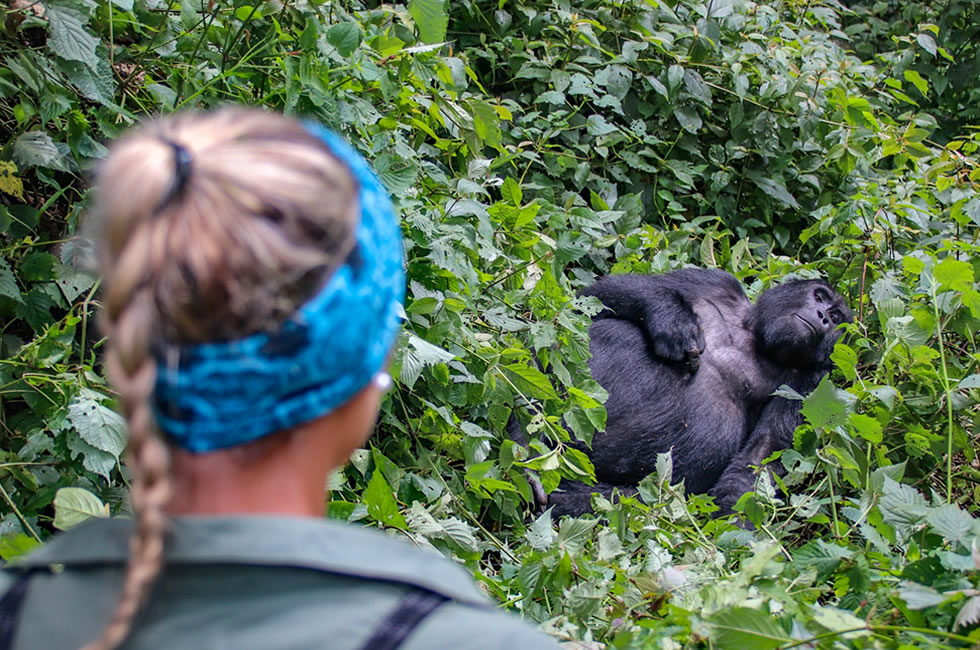
Gorilla Trekking Benchmark Ecotourism: How Gorilla Trekking Compares to Leading Ecotourism Experiences
Ecotourism has become one of the fastest-growing sectors within the global travel industry. Modern travelers increasingly seek meaningful experiences that combine wildlife conservation, environmental sustainability, cultural engagement, and responsible travel practices. Among the world’s most celebrated ecotourism activities, gorilla trekking stands out as a unique example of conservation-driven tourism. As interest in sustainable travel continues to rise, many tourism professionals and travelers examine the gorilla trekking benchmark ecotourism model to understand how it compares with other leading ecotourism experiences around the world.
Gorilla trekking is more than a wildlife encounter. It represents a carefully managed conservation strategy that balances tourism, community development, and environmental protection. The experience generates significant revenue for protected areas while creating economic opportunities for local communities and supporting the long-term survival of endangered mountain gorillas. These characteristics have positioned gorilla trekking as one of the most successful examples of ecotourism globally.
Comparing gorilla trekking with other ecotourism activities helps highlight its strengths, identify lessons for sustainable tourism development, and demonstrate why it remains a benchmark for conservation-based travel. From rainforest expeditions and whale watching to wildlife safaris and birdwatching adventures, gorilla trekking offers valuable insights into how tourism can support both people and nature.
What Makes Gorilla Trekking an Ecotourism Benchmark?
The term “gorilla trekking benchmark ecotourism” refers to the role gorilla tourism plays as a model for sustainable wildlife tourism. Several key factors distinguish gorilla trekking from many other tourism activities and contribute to its reputation as a benchmark within the ecotourism sector.
First, gorilla trekking operates under strict conservation regulations. Wildlife authorities carefully control visitor numbers, trekking duration, group sizes, and viewing distances. These measures minimize disturbance to mountain gorillas while ensuring that tourism remains sustainable over the long term.
Second, tourism revenue directly supports conservation initiatives. Gorilla permit fees contribute to ranger patrols, habitat protection, veterinary care, research programs, and anti-poaching activities. This direct connection between tourism and conservation creates a strong incentive to protect gorilla populations and their habitats.
Third, local communities benefit significantly from gorilla tourism. Employment opportunities, community tourism projects, infrastructure development, and revenue-sharing programs help ensure that local residents receive tangible benefits from conservation efforts. This approach reduces human-wildlife conflict and encourages community support for protected areas.
Together, these factors demonstrate why gorilla trekking is widely regarded as one of the world’s leading examples of ecotourism in action.
Gorilla Trekking Compared with Traditional Wildlife Safaris
Wildlife safaris remain among Africa’s most popular tourism products. Destinations such as Kenya, Tanzania, Botswana, and South Africa attract millions of visitors interested in viewing lions, elephants, leopards, rhinos, and buffalo. While traditional safaris contribute significantly to conservation, gorilla trekking differs in several important ways.
Safari tourism often involves observing wildlife from vehicles across large landscapes. Gorilla trekking, by contrast, requires visitors to enter the forest on foot and actively search for gorilla families under the guidance of trained trackers and rangers. This creates a more immersive and personal wildlife experience.
The level of visitor management is also more restrictive in gorilla trekking. Only a limited number of permits are issued daily, and visitors spend a maximum of one hour with the gorillas. These controls help reduce environmental impacts while maintaining the quality of the experience.
From a conservation perspective, both activities generate valuable revenue. However, gorilla trekking often serves as a particularly powerful example of how tourism can directly contribute to the recovery of an endangered species. The increase in mountain gorilla populations over recent decades highlights the effectiveness of this conservation model.
Comparing Gorilla Trekking with Whale Watching
Whale watching represents another globally recognized form of ecotourism. Destinations in North America, Australia, South Africa, Iceland, and other coastal regions attract visitors hoping to observe whales in their natural environment. Like gorilla trekking, whale watching promotes wildlife conservation while generating economic benefits for local communities.
Both experiences emphasize responsible wildlife viewing and strict visitor regulations. Operators often follow guidelines regarding approach distances, viewing times, and animal welfare considerations. These regulations help minimize disturbances to wildlife while ensuring meaningful visitor experiences.
One key difference lies in visitor interaction. Gorilla trekking offers a highly intimate encounter with a small group of habituated gorillas. Whale watching generally occurs from boats at greater distances, making the experience less personal but often more accessible to larger numbers of visitors.
Despite these differences, both activities demonstrate how wildlife tourism can support conservation and provide economic incentives for environmental protection.
Gorilla Trekking and Rainforest Ecotourism
Rainforest tourism attracts visitors interested in biodiversity, birdwatching, hiking, and nature exploration. Destinations such as the Amazon Basin, Costa Rica, and Southeast Asian rainforests offer opportunities to experience some of the world’s richest ecosystems.
Gorilla trekking shares many characteristics with rainforest ecotourism. Visitors travel through dense forests, learn about biodiversity, and gain appreciation for complex ecosystems. Guides play a central role in educating travelers about wildlife, conservation challenges, and ecological relationships.
However, mountain gorillas provide a focal point that distinguishes gorilla trekking from broader rainforest tourism. The opportunity to observe one of humanity’s closest relatives creates a powerful emotional connection that few other wildlife experiences can match. This emotional impact often inspires stronger conservation awareness and long-term support for environmental protection.
While rainforest ecotourism promotes biodiversity conservation more broadly, gorilla trekking combines ecosystem preservation with species-specific conservation outcomes, creating a particularly effective model for sustainable tourism.
Community Benefits and Conservation Success
One of the strongest arguments for the gorilla trekking benchmark ecotourism model is its ability to generate benefits for both communities and conservation efforts. Successful ecotourism depends on ensuring that local residents receive meaningful economic opportunities from protected areas and wildlife conservation.
In Uganda and Rwanda, gorilla tourism supports thousands of jobs in guiding, hospitality, transportation, security, and community tourism enterprises. Revenue-sharing programs help fund schools, healthcare facilities, water projects, and other community initiatives located near protected areas.
This approach creates strong incentives for local communities to support conservation rather than exploit natural resources unsustainably. As communities experience tangible benefits from tourism, they become active partners in protecting wildlife and forest habitats.
The success of this model demonstrates how conservation and economic development can work together. Many ecotourism destinations around the world study gorilla tourism as an example of effective community-based conservation.
Why Gorilla Trekking Sets a Global Standard
Several factors contribute to gorilla trekking’s reputation as a global ecotourism benchmark. The experience combines strict environmental management, meaningful conservation outcomes, strong community involvement, and high visitor satisfaction. Few tourism products achieve such a balanced integration of ecological, economic, and social objectives.
The recovery of mountain gorilla populations represents one of the most compelling conservation success stories associated with tourism. While mountain gorillas remain endangered, sustained conservation efforts supported by tourism revenue have helped stabilize and increase populations in recent decades.
The visitor experience itself also contributes to the model’s success. Travelers consistently describe gorilla encounters as transformative and emotionally powerful. These experiences foster deeper connections to conservation and encourage long-term environmental stewardship.
As a result, tourism planners, conservation organizations, and protected area managers around the world frequently reference gorilla tourism when developing sustainable tourism strategies.
Gorilla Trekking Destinations Leading Ecotourism
Uganda and Rwanda remain global leaders in gorilla-based ecotourism. Uganda’s Bwindi Impenetrable National Park serves as one of the world’s most important mountain gorilla habitats and a prime example of conservation-focused tourism. The park generates substantial conservation funding while supporting local livelihoods through tourism.
Mgahinga Gorilla National Park further demonstrates the integration of wildlife conservation, community engagement, and sustainable tourism. Visitors can combine gorilla trekking with cultural experiences and golden monkey tracking, creating broader conservation benefits.
In Rwanda, Volcanoes National Park has become internationally recognized for its premium conservation tourism model. The park illustrates how high-value, low-volume tourism can generate significant economic returns while maintaining strong environmental protections.
These destinations continue to serve as examples for ecotourism initiatives worldwide.
Conclusion
The gorilla trekking benchmark ecotourism model demonstrates how tourism can successfully balance conservation, community development, and exceptional visitor experiences. Through strict visitor management, direct conservation funding, and meaningful local participation, gorilla trekking has become one of the world’s most respected examples of sustainable wildlife tourism.
Compared with traditional safaris, whale watching, rainforest tourism, and other ecotourism activities, gorilla trekking offers a uniquely personal and conservation-focused experience. Its success has helped protect endangered mountain gorillas while generating lasting benefits for local communities and protected areas.
Whether visiting Bwindi Impenetrable National Park, Mgahinga Gorilla National Park, or Volcanoes National Park, travelers participate in one of the most successful ecotourism models in the world. As sustainable travel continues to grow, gorilla trekking will remain a benchmark for responsible tourism and conservation success.



