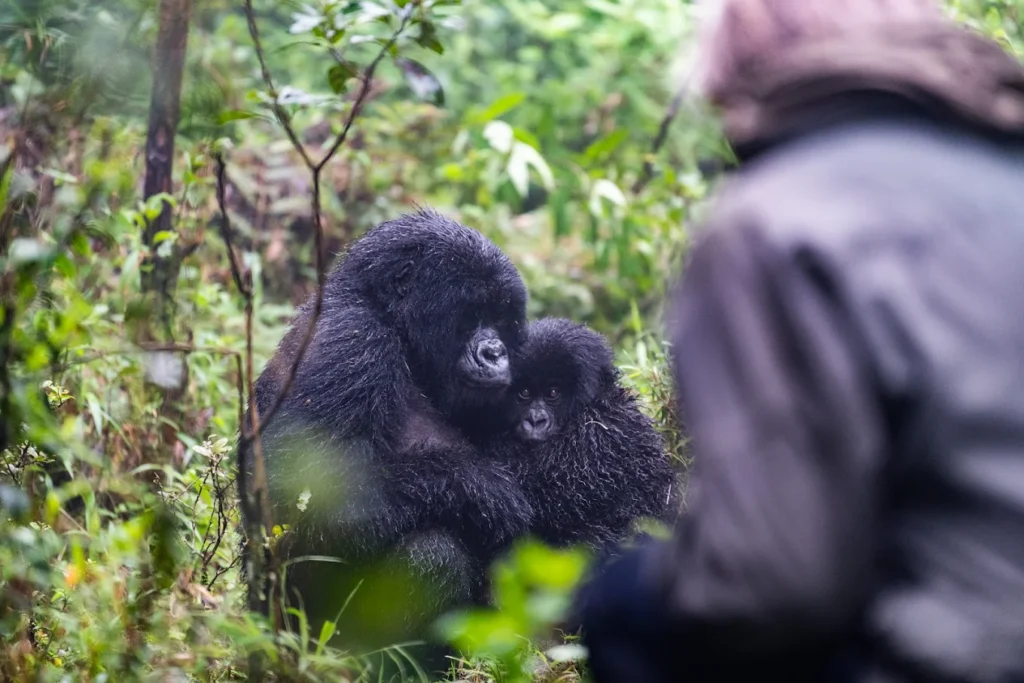
Gorilla Trekking Demand Forecast 10 Years: The Future of Gorilla Tourism in East Africa
Gorilla trekking has evolved from a niche wildlife activity into one of Africa’s most valuable tourism experiences. Over the past two decades, demand for gorilla trekking has grown steadily as travelers increasingly seek authentic wildlife encounters, conservation-focused adventures, and meaningful travel experiences. Looking ahead, the gorilla trekking demand forecast 10 years suggests continued growth driven by rising global tourism, expanding middle-class travel markets, improved accessibility, and growing interest in sustainable tourism.
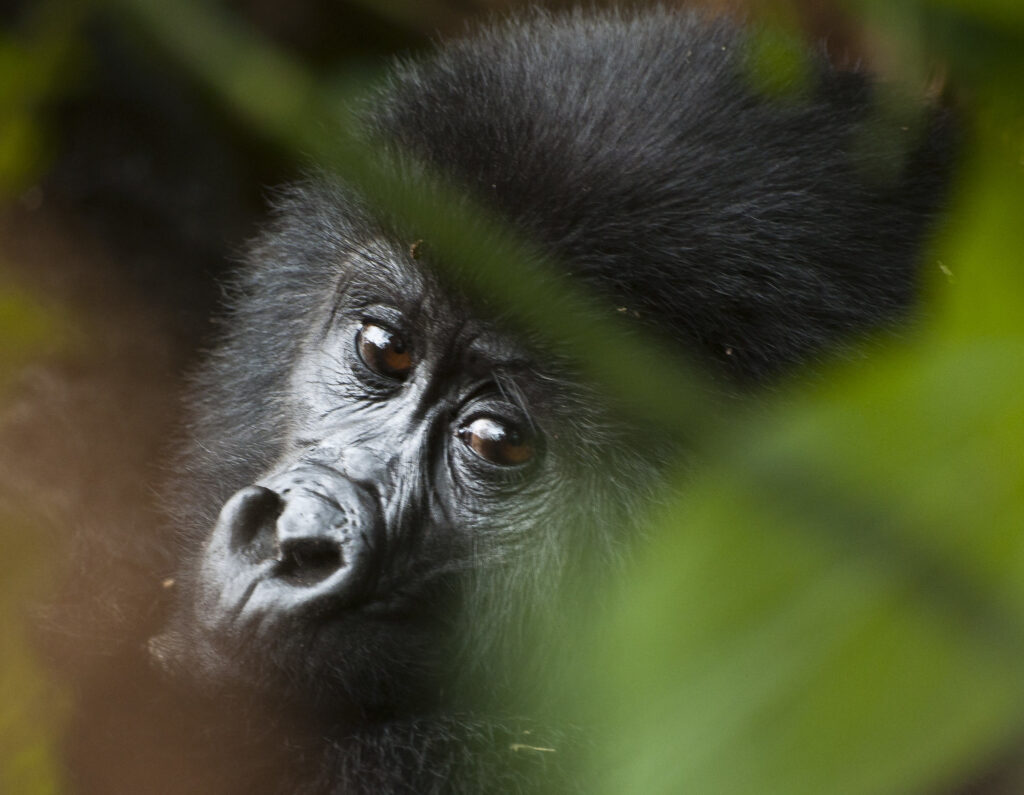
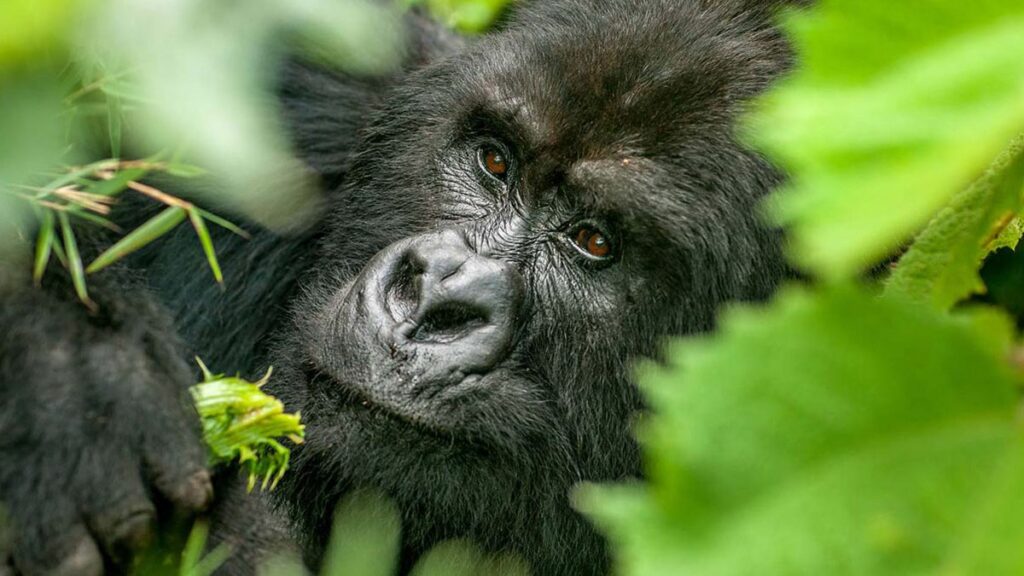
Mountain gorillas remain one of the world’s rarest and most sought-after wildlife attractions. Their limited habitat in Uganda, Rwandaforecast fore Democratic Republic of Congo creates a unique tourism product that cannot be replicated elsewhere. This exclusivity continues to fuel strong international demand despite premium permit prices and limited daily visitor numbers.
The next decade will likely bring significant opportunities and challenges for gorilla tourism. Conservation success, infrastructure improvements, technological advancements, and changing traveler preferences will shape the future of the industry. Understanding these trends helps tourism stakeholders, investors, conservation organizations, and travelers prepare for the future of gorilla trekking in East Africa.
Understanding the Current Gorilla Tourism Market
The foundation of any gorilla trekking demand forecast 10 years out begins with understanding current market conditions. Uganda and Rwanda currently dominate mountain gorilla tourism, attracting thousands of visitors annually through highly regulated permit systems. Both countries have successfully positioned gorilla trekking as a premium tourism experience that balances conservation with economic development.
Demand remains particularly strong among visitors from North America, Europe, Australia, and increasingly Asia. Many travelers consider gorilla trekking a once-in-a-lifetime experience and are willing to pay substantial amounts for permits, accommodations, and safari services.
The industry’s success stems from several factors. Mountain gorillas are endangered, highly intelligent, and closely related to humans. These characteristics create an emotional connection that few wildlife encounters can match. Combined with strict conservation regulations and limited permit availability, gorilla trekking maintains an exclusivity that supports long-term market stability.
Current demand often exceeds permit availability during peak travel seasons, providing a strong foundation for future growth projections.
Rising Global Interest in Experiential Travel
One of the strongest drivers supporting future demand is the continued growth of experiential tourism. Modern travelers increasingly prioritize experiences over material possessions. They seek activities that provide personal enrichment, memorable stories, and meaningful connections with nature and local communities.
Gorilla trekking aligns perfectly with these preferences. The experience combines adventure, wildlife conservation, physical activity, and cultural exploration in a single journey. As experiential travel continues to expand globally, gorilla trekking is likely to attract a growing audience seeking transformative travel experiences.
Younger generations are particularly interested in sustainable and purpose-driven tourism. Many travelers now choose destinations that contribute positively to environmental protection and community development. Since gorilla permit revenues directly support conservation efforts and local communities, the experience appeals strongly to this emerging travel demographic.
As global awareness of responsible tourism increases, gorilla trekking is expected to remain highly attractive to environmentally conscious travelers.
Growth of Emerging Tourism Markets
Another major factor influencing the gorilla trekking demand forecast for 10 years is the expansion of emerging travel markets. Countries such as China, India, South Korea, Singapore, Brazil, and several Middle Eastern nations are producing increasing numbers of international travelers.
Rising incomes, improved international connectivity, and growing interest in long-haul travel are introducing new visitor segments to African tourism. While North America and Europe currently dominate gorilla trekking visitor numbers, emerging markets are expected to contribute significantly to future growth.
Asian travelers, in particular, represent a substantial opportunity. Wildlife tourism continues to gain popularity across Asia, and many travelers seek unique experiences unavailable within their home regions. Mountain gorilla trekking fits this demand perfectly due to its rarity and exclusivity.
Tourism authorities and safari operators are increasingly targeting these markets through international marketing campaigns, travel partnerships, and digital promotion strategies. These efforts are likely to support steady demand growth throughout the next decade.
Infrastructure Improvements and Accessibility
Improved infrastructure will play an important role in supporting future demand. Governments in Uganda and Rwanda continue to invest in roads, airports, telecommunications, and tourism facilities that enhance visitor experiences and simplify travel logistics.
Better access to gorilla trekking destinations reduces travel time and increases convenience. Upgraded accommodation options also attract a wider range of visitors, from luxury travelers to mid-range safari clients. These developments make gorilla tourism more accessible while maintaining its exclusive nature.
Domestic aviation services continue to expand, allowing travelers to reach gorilla destinations more efficiently. As transportation networks improve, more visitors will be able to incorporate gorilla trekking into broader African travel itineraries.
Digital technology will also contribute to future growth. Online permit booking systems, virtual destination marketing, and improved travel planning tools make it easier for travelers to research and book gorilla safaris.
These improvements collectively support a positive long-term outlook for demand growth.
Conservation Success and Market Confidence
Conservation outcomes significantly influence future demand. Mountain gorilla populations have shown encouraging growth over recent decades due to successful conservation programs supported by tourism revenue. This success story strengthens international confidence in gorilla tourism and reinforces the industry’s reputation as a sustainable wildlife tourism model.
Travelers increasingly prefer destinations where tourism contributes directly to conservation. The fact that gorilla trekking helps fund ranger patrols, habitat protection, veterinary programs, and community development initiatives adds significant value to the visitor experience.
Continued conservation success is likely to support long-term demand by ensuring the availability of healthy gorilla populations and maintaining the authenticity of the trekking experience. Investors and tourism stakeholders also view conservation stability as a positive indicator for future market growth.
As awareness of conservation achievements spreads globally, interest in gorilla tourism is expected to increase further.
Potential Challenges Affecting Future Demand
While the long-term outlook remains positive, several factors could influence future demand growth. Global economic downturns may temporarily reduce international travel spending, particularly for premium experiences such as gorilla trekking.
Public health concerns, geopolitical instability, and changing travel regulations could also affect visitor numbers during specific periods. Climate change presents another consideration, as shifting weather patterns may impact forest ecosystems and tourism operations.
However, the limited supply of gorilla permits provides a degree of protection against market fluctuations. Because visitor numbers remain tightly controlled, demand does not need to grow dramatically to maintain strong economic performance.
The industry’s emphasis on sustainability and conservation also positions it well to adapt to changing market conditions over time.
Forecasting Gorilla Trekking Demand Through 2036
Most indicators suggest that gorilla tourism will continue growing steadily over the next decade. Demand is likely to increase due to expanding international travel, stronger conservation awareness, and growing interest in premium wildlife experiences.
The most probable scenario involves moderate but consistent annual growth rather than rapid expansion. Conservation regulations limit the number of permits available each day, meaning growth will occur primarily through increased occupancy rates, higher visitor spending, improved tourism products, and expanded market reach.
Luxury tourism is expected to remain particularly strong, especially in Rwanda. Uganda is likely to continue attracting a broad range of travelers due to its diverse pricing structure and extensive gorilla trekking opportunities.
Overall, the next ten years are expected to bring continued growth, increased investment, and stronger international recognition of gorilla tourism as one of Africa’s premier wildlife experiences.
The Future of Gorilla Trekking Destinations
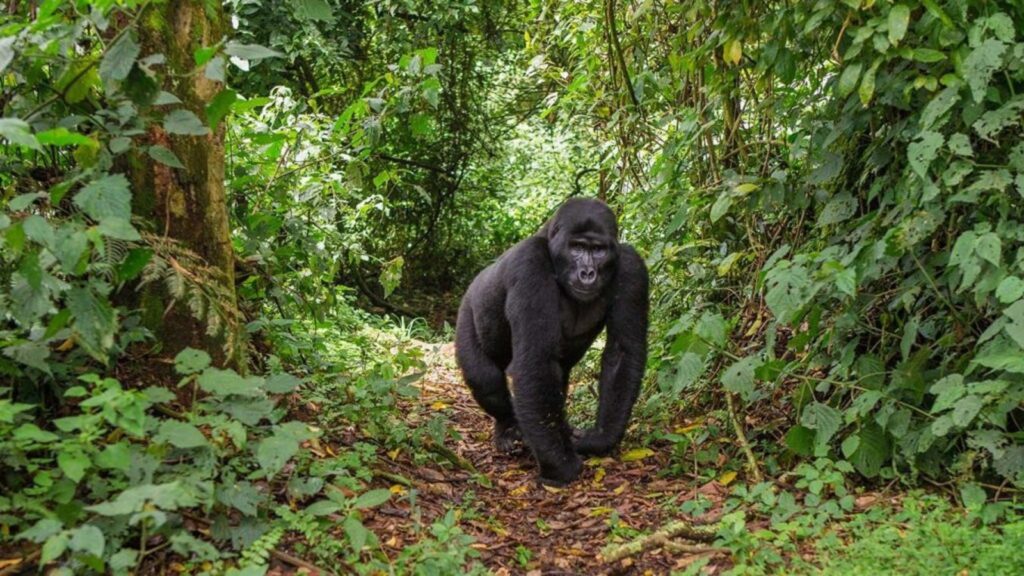
Uganda’s Bwindi Impenetrable National Park will remain one of the world’s most important gorilla trekking destinations. Its large number of habituated gorilla families and diverse accommodation options position it for continued growth.
Mgahinga Gorilla National Park may experience increased demand as travelers seek less crowded trekking experiences and opportunities to combine gorilla trekking with other activities.
Rwanda’s Volcanoes National Park is expected to maintain its reputation as a premium tourism destination, attracting high-spending international visitors seeking convenience and luxury.
Together, these destinations will continue to lead the global gorilla tourism market over the coming decade.
Conclusion
The gorilla trekking demand forecast for 10 years points toward a positive future characterized by steady growth, strong international demand, and expanding investment opportunities. Rising interest in experiential travel, growing conservation awareness, improved infrastructure, and the emergence of new tourism markets all support a favorable outlook for the industry.
While challenges such as economic fluctuations and environmental changes may influence short-term performance, the fundamental strengths of gorilla tourism remain intact. Its exclusivity, conservation impact, and emotional appeal continue to distinguish it from other wildlife experiences.
As destinations such as Bwindi Impenetrable National Park, Mgahinga Gorilla National Park, and Volcanoes National Park continue to evolve, gorilla trekking is likely to remain one of Africa’s most successful and sustainable tourism sectors through 2036 and beyond.