
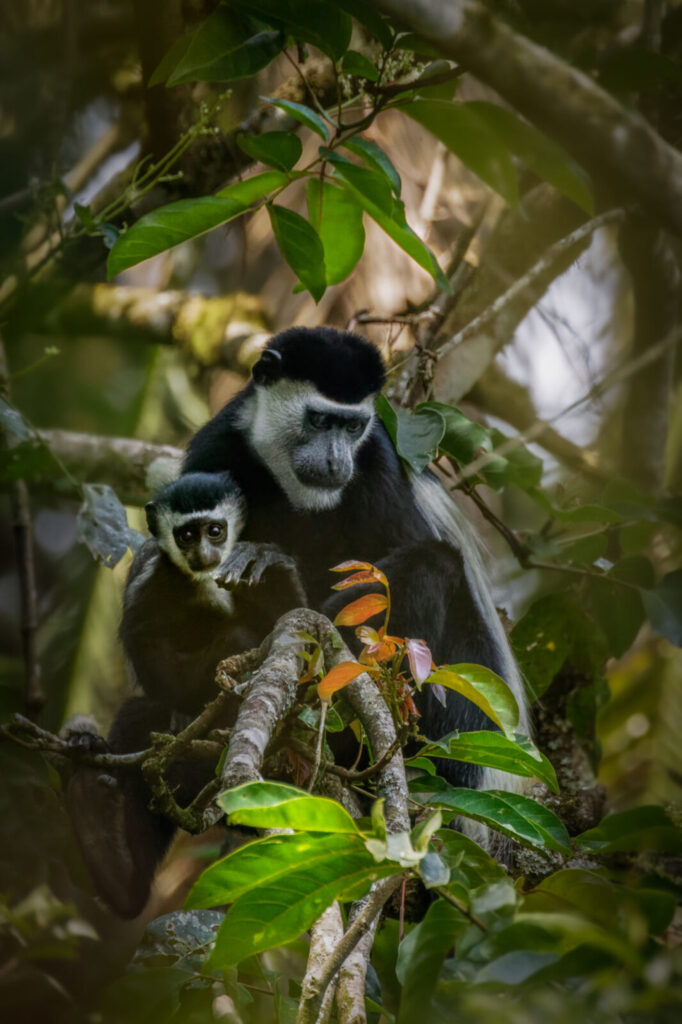
Porter Gorilla Trekking: Complete Tipping Guide for Gorilla Trekking Porters
Hiring a porter is one of the most rewarding decisions you can make during a gorilla trekking adventure. Porters help carry your backpack, assist you on steep trails, and provide valuable support throughout the hike. After the trek, many visitors naturally wonder how much they should tip and what the proper etiquette is. Understanding porter gorilla trekking tipping practices will help you show appreciation while supporting local communities that play a vital role in gorilla tourism.
Gorilla trekking takes place in challenging environments that often include steep mountain slopes, muddy paths, dense vegetation, and unpredictable weather. Porters work hard to ensure visitors can enjoy the experience safely and comfortably. Their contribution often goes far beyond simply carrying a bag.
Whether you are trekking in Bwindi Impenetrable National Park, Mgahinga Gorilla National Park, Volcanoes National Park, or Virunga National Park, knowing how porter tipping works can help you prepare for your safari.
Why Porters Are Important During Gorilla Trekking
Many visitors initially hire a porter simply to carry a backpack.
However, porters often provide much more assistance than expected.
They help trekkers navigate difficult terrain, maintain balance on slippery slopes, and overcome physical challenges during the hike.
Many travelers credit their porter with making the trek significantly easier and more enjoyable.
Porters also contribute directly to local conservation efforts by earning income through tourism rather than activities that may negatively impact gorilla habitats.
Is Tipping a Gorilla Trekking Porter Required?
No.
Tipping is generally not mandatory.
However, it is widely considered a customary and appreciated gesture when a porter provides good service.
Most visitors choose to tip because they recognize the effort and support provided throughout the trek.
Tipping serves as a direct way to reward excellent service and contribute to local livelihoods.
Why Tipping Matters
For many porters, tourism income helps support their families, education expenses, healthcare costs, and daily living needs.
A tip can represent a meaningful supplement to their earnings.
The gorilla tourism industry creates valuable employment opportunities in communities surrounding protected areas.
By tipping fairly, visitors contribute to the long-term sustainability of conservation-based tourism.
This creates positive benefits for both local people and wildlife.
Typical Porter Duties During a Gorilla Trek
Porters commonly assist with:
Carrying daypacks.
Helping trekkers on steep climbs.
Supporting visitors on muddy trails.
Providing encouragement during difficult sections.
Carrying camera equipment.
Assisting with river crossings and slippery terrain.
Many trekkers find that their porter becomes an important companion throughout the day.
Recommended Porter Tipping Guidelines
Standard Porter Assistance
For a porter carrying a daypack and providing general assistance throughout the trek, many visitors offer a tip based on the quality of service received.
The exact amount often varies according to personal preference, destination, and individual circumstances.
Exceptional Service
Some porters go above and beyond by offering extensive physical support, helping photographers manage equipment, or assisting trekkers through particularly difficult conditions.
In these situations, many visitors choose to provide a larger tip to reflect the additional effort.
Group Treks
If several travelers share porter services, group members often contribute collectively toward the tip.
This approach simplifies the process and ensures fair recognition of the porter’s work.
When Should You Tip Your Porter?
The best time to tip is after the trek has concluded.
Most visitors present the tip once they return to the trekking headquarters or meeting point.
This timing allows you to evaluate the service provided throughout the day.
Tipping at the end also provides an opportunity to thank the porter personally.
How to Give a Tip Respectfully
Hand the Tip Directly
Whenever possible, give the tip directly to the porter.
This ensures the intended recipient receives the appreciation.
Offer a Personal Thank You
A sincere expression of gratitude often means as much as the tip itself.
Many porters take pride in helping visitors enjoy their gorilla trekking experience.
Be Discreet
Tipping is generally best handled respectfully and without drawing unnecessary attention.
A simple and professional approach is appropriate.
Should You Carry Cash for Tipping?
Yes.
Cash is usually the most practical option for porter tipping.
Small denominations are particularly useful because they make it easier to provide tips without requiring change.
Before traveling to your trekking destination, consider carrying some smaller notes specifically for tipping purposes.
This helps avoid inconvenience after the trek.
Porter Tipping in Uganda
Bwindi Impenetrable National Park
Bwindi Impenetrable National Park has a well-established porter system that supports local communities around the park.
Many visitors hire and tip porters after successful treks.
Mgahinga Gorilla National Park
Mgahinga Gorilla National Park also offers porter services that many trekkers find valuable, particularly on steeper mountain trails.
Porter Tipping in Rwanda
Volcanoes National Park
Volcanoes National Park maintains an organized porter program where tipping is common among visitors who receive good service.
Porters often assist guests throughout challenging sections of the trek.
Porter Tipping in Congo
Virunga National Park
Virunga National Park has historically offered porter services during trekking activities when operations are available.
Visitors commonly tip according to the assistance received.
Factors That Influence Tipping Decisions
Trek Difficulty
Longer and more challenging treks often require greater porter involvement.
Many travelers consider trek difficulty when determining a tip.
Quality of Service
Helpful, professional, and supportive service often inspires greater appreciation.
Amount of Assistance Provided
Some trekkers rely heavily on porter support while others require only minimal assistance.
The level of involvement may influence tipping decisions.
Personal Budget
Visitors should always tip according to what feels comfortable and appropriate for their circumstances.
Common Tipping Mistakes to Avoid
Waiting Until You Have No Cash Available
Prepare tip money before the trek begins.
Forgetting to Thank the Porter
A personal thank-you complements the financial gesture.
Assuming Tipping Is Included
Porter fees and porter tips are generally separate.
Confirm arrangements if you are unsure.
Comparing Tips Too Closely with Other Travelers
Tipping is a personal decision and should reflect your experience.
Why Many Trekkers Consider Porters Essential
Even experienced hikers often hire porters.
The support provided can make the trek significantly more enjoyable.
Many visitors report that their porter helped them conserve energy, maintain balance, and enjoy the experience more fully.
The relatively modest cost often delivers excellent value.
The Conservation Impact of Hiring and Tipping Porters
Porters represent an important link between tourism and conservation.
When local communities benefit economically from gorilla tourism, support for wildlife protection increases.
Income generated through porter services helps create positive relationships between conservation efforts and surrounding communities.
Every visitor who hires and tips a porter contributes to this sustainable tourism model.
Conclusion
Understanding porter gorilla trekking tipping etiquette helps visitors prepare for a rewarding and respectful trekking experience. While tipping is not mandatory, it is a widely appreciated way to recognize the hard work, dedication, and support that porters provide throughout the hike.
Porters do much more than carry bags. They assist trekkers on difficult terrain, improve safety, enhance comfort, and contribute to the success of the overall experience. Their work also supports local families and strengthens conservation efforts around some of Africa’s most important gorilla habitats.
By hiring a porter and offering a thoughtful tip after the trek, you not only improve your own experience but also help support the communities that play a crucial role in protecting mountain gorillas for future generations.



