Gorilla Trekking Packing List 2026: Complete Guide for Uganda, Rwanda, and Congo
A well-planned gorilla trekking packing list 2026 can make the difference between a comfortable, enjoyable adventure and a challenging experience in the rainforest. Gorilla trekking takes place in remote mountain forests where weather conditions can change quickly, trails can become muddy, and treks often involve navigating steep terrain through dense vegetation.
Every year, thousands of travelers visit Uganda, Rwanda, and the Democratic Republic of Congo to see endangered mountain gorillas in their natural habitat. While the experience is often described as life-changing, proper preparation is essential to ensure you remain comfortable, safe, and ready for the trek.
Many first-time visitors are unsure about what to bring. Some overpack unnecessary items, while others forget essential gear that can greatly improve their trekking experience. This guide covers everything you need to include in your gorilla trekking packing list 2026, from clothing and footwear to photography equipment and travel documents.
Whether you are trekking in Bwindi Impenetrable National Park, Mgahinga Gorilla National Park, Volcanoes National Park, or Virunga National Park, this packing guide will help you prepare for an unforgettable gorilla adventure.
Understanding Gorilla Trekking Conditions
Before packing, it is important to understand the environment you will encounter.
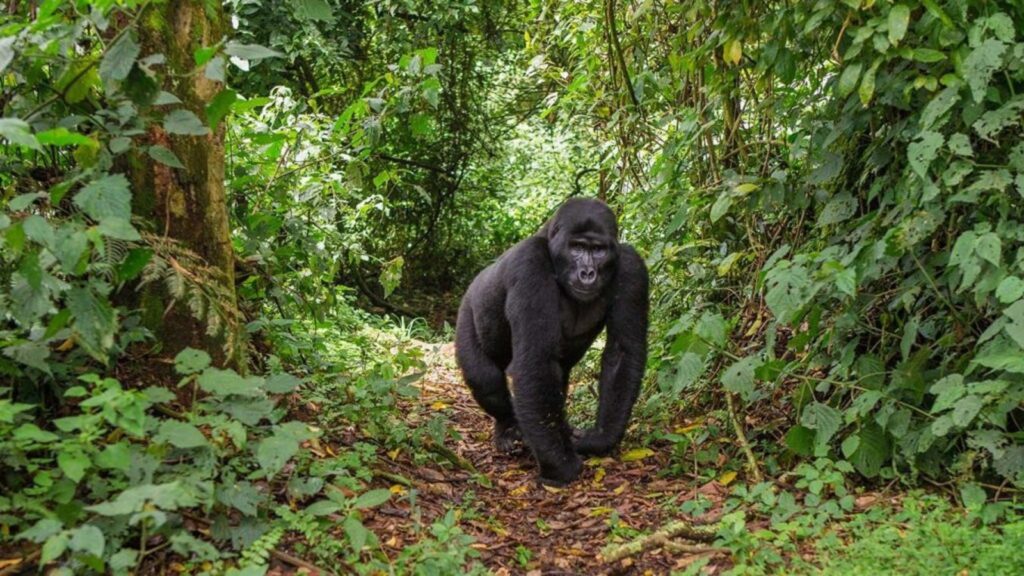
Mountain gorillas live in tropical rainforests at elevations ranging from approximately 2,200 to over 4,000 meters above sea level. These forests often experience rainfall throughout the year, creating muddy and slippery trails.
Temperatures are generally moderate, but mornings can be cool and afternoons warm. Dense vegetation, insects, and uneven terrain are common features of gorilla trekking routes.
Your packing choices should focus on comfort, protection, and practicality.
Essential Travel Documents
Passport
Your passport is the most important travel document.
Ensure it remains valid for at least six months beyond your planned travel dates and contains sufficient blank pages for immigration stamps.
Gorilla Trekking Permit
A gorilla trekking permit is mandatory for participation in gorilla trekking activities.
Carry both digital and printed copies of your permit confirmation.
Park authorities may request verification before trekking begins.
Visa Documentation
Depending on your nationality and destination, you may require a visa for entry into Uganda, Rwanda, or the Democratic Republic of Congo.
Keep all visa documents easily accessible during travel.
Travel Insurance
Comprehensive travel insurance is highly recommended.
Policies should cover medical emergencies, trip cancellations, delays, and evacuation services.
Carry both printed and electronic copies of your insurance information.
Clothing for Gorilla Trekking
Long-Sleeved Shirts
Long-sleeved shirts provide protection from insects, thorny vegetation, and sun exposure.
Choose lightweight, breathable, and moisture-wicking fabrics for maximum comfort.
Neutral colors such as green, brown, gray, and khaki work best in forest environments.
Long Trousers
Long trousers are essential for protecting your legs during the trek.
Avoid shorts because dense vegetation, insects, and stinging plants can cause discomfort.
Quick-drying hiking trousers offer the best combination of comfort and practicality.
Waterproof Jacket
Rain can occur unexpectedly in gorilla habitats.
A lightweight waterproof jacket should always be included in your gorilla trekking packing list 2026.
Choose a breathable option that protects against both rain and wind.
Warm Fleece or Sweater
Early morning temperatures in mountain regions can feel cool.
A fleece jacket or light sweater provides warmth before and after the trek.
Layered clothing allows you to adjust to changing conditions throughout the day.
Lightweight T-Shirts
Pack a few lightweight shirts for lodge use and non-trekking activities.
Quick-drying materials remain the most practical choice.
Best Footwear for Gorilla Trekking
Hiking Boots
A sturdy pair of hiking boots is arguably the most important item on your packing list.
Boots should provide ankle support, excellent grip, and waterproof protection.
Many trekking trails involve steep slopes and muddy conditions.
Well-broken-in boots help prevent blisters and improve comfort.
Hiking Socks
Quality hiking socks enhance comfort during long treks.
Pack several pairs made from moisture-wicking materials.
Extra socks are useful if conditions become wet.
Gaiters
Although optional, gaiters can help keep mud, water, and debris out of your boots.
Many experienced trekkers find them particularly useful during rainy seasons.
Hand Protection
Gardening Gloves
Gardening gloves are highly recommended for gorilla trekking.
Trekkers often grab branches, vines, and vegetation for support while navigating steep terrain.
Gloves protect hands from scratches, thorns, and insect bites.
Many gorilla trekking guides specifically recommend them.
Daypack Essentials
Small Backpack
A lightweight daypack is ideal for carrying essentials during the trek.
Choose a comfortable backpack with waterproof features or use a rain cover.
Your daypack should hold water, snacks, camera equipment, and personal items.
Reusable Water Bottle
Hydration is important during gorilla trekking.
Bring at least two liters of drinking water per person.
Reusable bottles help reduce environmental impact.
Energy Snacks
Treks can last several hours.
Pack light snacks such as energy bars, nuts, dried fruit, or granola bars.
These provide quick energy when needed.
Health and Personal Care Items
Insect Repellent
Rainforests contain mosquitoes and other insects.
A quality insect repellent helps reduce the risk of bites and improves comfort.
Apply it before beginning the trek.
Sunscreen
Even on cloudy days, ultraviolet exposure can be significant at higher elevations.
Pack sunscreen with adequate protection.
Personal Medications
Carry any prescription medications in their original packaging.
Bring enough supplies for the entire trip plus extra in case of delays.
Hand Sanitizer
Hand sanitizer helps maintain hygiene throughout the safari.
Small travel-sized bottles fit easily into a daypack.
Wet Wipes
Wet wipes are useful for cleaning hands and refreshing after the trek.
Biodegradable options are environmentally responsible.
Photography and Electronics
Camera
Most travelers want to capture memories of their gorilla trekking experience.
A quality camera performs better than a smartphone in forest conditions, particularly under low-light situations.
Extra Batteries
Cold mountain temperatures can reduce battery performance.
Pack spare batteries to avoid missing important moments.
Memory Cards
Bring sufficient storage capacity for photos and videos.
Many visitors take far more images than expected.
Power Bank
A power bank ensures your devices remain charged during travel and extended safari activities.
Optional Items Worth Packing
Binoculars
Birdwatchers and wildlife enthusiasts often appreciate having binoculars.
The forests contain numerous bird species and other wildlife.
Trekking Poles
Trekking poles provide additional stability on steep and slippery trails.
Some lodges also rent them to guests.
Rain Cover
A rain cover protects your backpack and camera equipment from sudden showers.
Notebook or Journal
Many travelers enjoy documenting their gorilla trekking experience while memories remain fresh.
What Not to Pack
Avoid bringing unnecessary valuables into the forest.
Heavy luggage can become inconvenient, especially when using domestic flights with baggage restrictions.
Expensive jewelry is unnecessary during gorilla trekking.
Large suitcases may also be impractical for some safari vehicles and lodges.
Pack light while ensuring you have all essential items.
Packing Tips for Different Seasons
Dry Season
During drier months, focus on lightweight clothing, sun protection, and hydration.
Trails are generally easier to navigate, although sturdy footwear remains essential.
Rainy Season
Rainy periods require additional waterproof gear.
Pack extra socks, waterproof bags, and rain protection for electronics.
Trail conditions can become more challenging.
Preparation significantly improves comfort.
Porter Services
Many gorilla trekking destinations offer porter services.
Hiring a porter provides support during the trek and contributes directly to local livelihoods.
Porters can assist with carrying backpacks and navigating difficult terrain.
Many visitors consider the service well worth the cost.
Final Gorilla Trekking Packing Checklist
Your gorilla trekking packing list 2026 should include:
Passport and travel documents.
Gorilla trekking permit.
Travel insurance.
Long-sleeved shirts.
Long trekking trousers.
Waterproof jacket.
Warm fleece.
Hiking boots.
Hiking socks.
Gardening gloves.
Daypack.
Water bottle.
Energy snacks.
Insect repellent.
Sunscreen.
Personal medications.
Camera.
Extra batteries.
Power bank.
Rain cover.
Hand sanitizer.
Wet wipes.
Conclusion
Preparing a comprehensive gorilla trekking packing list 2026 ensures you are ready for one of the world’s most extraordinary wildlife experiences. Proper clothing, sturdy footwear, essential travel documents, and practical trekking gear help maximize comfort and safety while exploring the rainforests of Uganda, Rwanda, and the Democratic Republic of Congo.
Mountain gorilla trekking is a once-in-a-lifetime adventure for many travelers. Packing wisely allows you to focus on the experience itself rather than worrying about missing equipment or unsuitable clothing. With the right preparation, you can fully enjoy the incredible privilege of standing face-to-face with one of the planet’s most endangered and fascinating animals.