Best Hiking Boots for Gorilla Trekking: Complete Guide for Uganda, Rwanda, and Congo
Choosing the best hiking boots gorilla trekking can significantly improve your comfort, safety, and overall trekking experience. Gorilla trekking takes place in dense tropical forests where trails often become muddy, steep, slippery, and uneven. The right footwear helps you navigate challenging terrain while protecting your feet and ankles throughout the adventure.
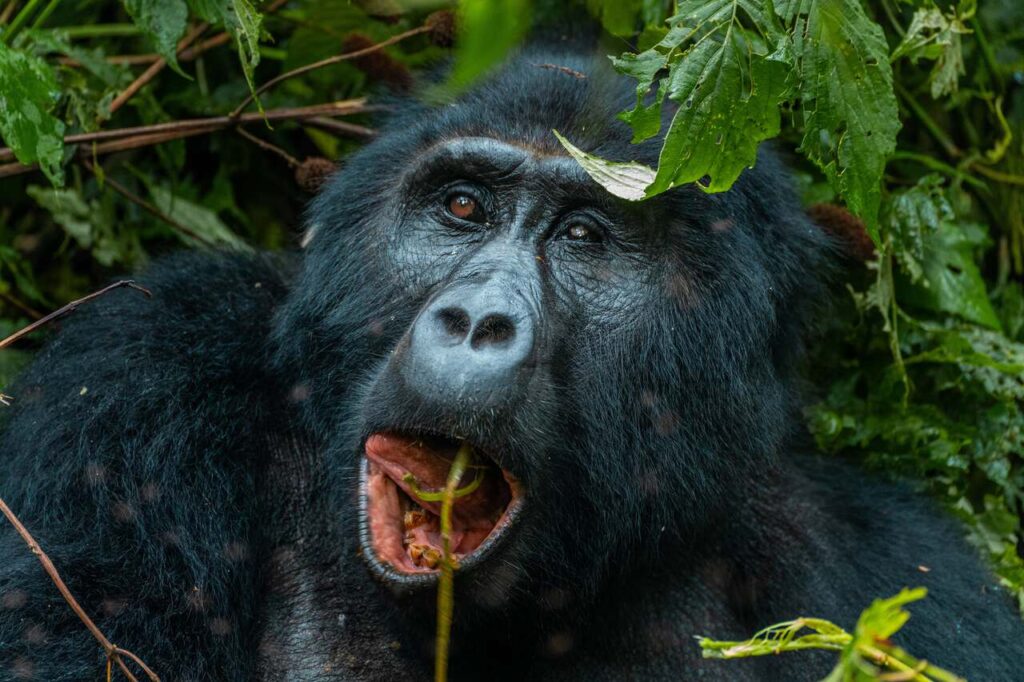
Mountain gorilla trekking ranks among Africa’s most exciting wildlife experiences. Visitors hike through rainforests in destinations such as Bwindi Impenetrable National Park, Mgahinga Gorilla National Park, Volcanoes National Park, and Virunga National Park. Trek durations vary from one hour to several hours depending on the location of the gorilla family.
Because of these conditions, footwear should never be an afterthought. A good pair of hiking boots provides stability, grip, waterproof protection, and comfort, allowing you to focus on the incredible experience of encountering mountain gorillas rather than worrying about sore feet or slippery trails.
This guide explains what makes the best hiking boots gorilla trekking and how to choose the right pair for your safari.
Why Proper Hiking Boots Matter for Gorilla Trekking
Many first-time trekkers underestimate the terrain found in gorilla habitats.
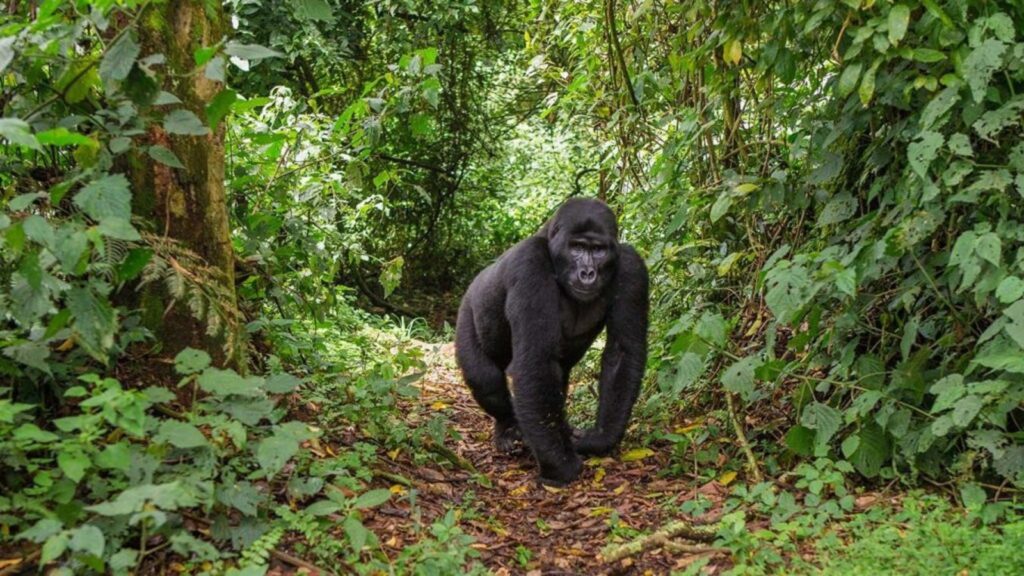
Mountain gorillas live in remote forests characterized by steep hillsides, thick vegetation, muddy paths, exposed roots, and rocky sections. Weather conditions can change quickly, and rain often makes trails slippery.
Good hiking boots help prevent injuries and reduce fatigue.
They also improve confidence when crossing difficult sections of the trail.
Without proper footwear, trekking can become uncomfortable and more physically demanding.
Key Features of the Best Hiking Boots for Gorilla Trekking
Waterproof Protection
Rainfall occurs throughout the year in most gorilla trekking destinations.
Waterproof hiking boots help keep your feet dry when crossing wet trails, walking through mud, or trekking during rainy weather.
Dry feet remain more comfortable during long hikes.
Waterproof materials also improve durability.
Strong Ankle Support
Gorilla trekking frequently involves walking on uneven ground.
Boots with good ankle support help reduce the risk of twisting an ankle while navigating steep slopes or rocky terrain.
High-cut hiking boots generally provide better support than low-cut trail shoes.
This feature becomes especially important during longer treks.
Excellent Traction
Traction is essential in muddy rainforest conditions.
Deep, aggressive tread patterns provide better grip on slippery surfaces and steep inclines.
Quality outsoles improve stability and confidence throughout the trek.
Reliable traction can make a significant difference in challenging conditions.
Comfort and Cushioning
Comfort should remain a top priority when selecting trekking footwear.
Well-cushioned boots help absorb impact and reduce foot fatigue during extended hikes.
Comfortable boots allow you to focus on the experience rather than foot discomfort.
Always choose boots that fit properly.
Breathability
While waterproofing is important, breathability also matters.
The best hiking boots balance moisture protection with airflow to prevent overheating and excessive sweating.
Modern hiking boots often combine both features effectively.
Types of Hiking Boots Suitable for Gorilla Trekking
Mid-Cut Hiking Boots
Mid-cut boots offer a balance between support and flexibility.
Many gorilla trekkers prefer them because they provide adequate ankle protection without feeling overly heavy.
These boots work well for most trekking conditions.
High-Cut Hiking Boots
High-cut boots provide maximum ankle support and protection.
They are particularly useful for trekkers who have previous ankle injuries or prefer additional stability.
Many experienced hikers choose this style for rainforest trekking.
Lightweight Backpacking Boots
Lightweight backpacking boots combine support, comfort, and durability.
They perform well on long treks while reducing overall fatigue.
Many modern trekking boots fall into this category.
Best Hiking Boots Gorilla Trekking: Recommended Features
When shopping for hiking boots, prioritize the following characteristics:
Waterproof membrane.
Strong ankle support.
Aggressive outsole grip.
Comfortable cushioning.
Durable construction.
Lightweight design.
Proper fit.
These features contribute directly to a more enjoyable trekking experience.
How to Choose the Right Size
Proper sizing is essential.
Boots that are too small can cause blisters, pressure points, and discomfort. Boots that are too large may result in instability and foot movement inside the shoe.
Try hiking boots while wearing trekking socks.
Allow some room for toe movement without excessive space.
Walking around before purchasing helps ensure a comfortable fit.
Break in Your Boots Before the Trek
One of the most common mistakes travelers make is wearing brand-new hiking boots during gorilla trekking.
New boots often require time to soften and adapt to your feet.
Wear them during walks, hikes, or daily activities before your safari.
Breaking in boots helps prevent blisters and improves comfort.
This simple step can significantly enhance your trekking experience.
Hiking Socks Matter Too
Even the best hiking boots perform better when paired with quality trekking socks.
Moisture-wicking socks help keep feet dry and reduce friction.
Good socks improve comfort and help prevent blisters.
Many experienced trekkers carry an extra pair during the hike.
Fresh socks can be invaluable after wet conditions.
Should You Use Gaiters?
Gaiters are optional but highly recommended.
They prevent mud, water, grass seeds, and debris from entering your boots.
Rainforest trails can become extremely muddy, especially during rainy seasons.
Many guides recommend gaiters for added comfort and protection.
Boots vs Trail Running Shoes
Some travelers wonder whether trail running shoes can replace hiking boots.
Trail shoes are lighter and often more breathable. However, they typically provide less ankle support and reduced protection in muddy rainforest conditions.
For gorilla trekking, hiking boots remain the preferred option.
Their support and durability outweigh the benefits of lighter footwear.
Most guides recommend boots over trail shoes.
Foot Care During Gorilla Trekking
Proper foot care improves comfort throughout your safari.
Keep your feet clean and dry whenever possible.
Trim toenails before travel to reduce pressure during hikes.
Apply blister prevention products if you are prone to foot irritation.
Good preparation helps prevent discomfort during the trek.
Common Mistakes to Avoid
Wearing New Boots
Unbroken boots frequently cause blisters and discomfort.
Always test footwear before traveling.
Choosing Fashion Over Function
Stylish outdoor footwear may not provide the support required for rainforest trekking.
Prioritize performance and comfort.
Ignoring Waterproof Features
Wet feet can quickly ruin a trekking experience.
Waterproof protection remains essential.
Wearing Cotton Socks
Cotton retains moisture and increases friction.
Technical hiking socks provide much better performance.
Gorilla Trekking Conditions by Destination
Bwindi Impenetrable National Park
Bwindi Impenetrable National Park features steep terrain, dense vegetation, and muddy trails.
Strong ankle support and excellent traction are highly recommended.
Volcanoes National Park
Volcanoes National Park includes volcanic slopes and bamboo forests.
Conditions vary depending on weather and gorilla family location.
Mgahinga Gorilla National Park
Mgahinga Gorilla National Park offers volcanic terrain that often requires stable and supportive footwear.
Virunga National Park
Virunga National Park presents rugged trekking conditions where durable hiking boots are essential.
What Else Should You Pack with Your Hiking Boots?
A complete gorilla trekking gear setup should include:
Waterproof jacket.
Long trekking trousers.
Long-sleeved shirt.
Gardening gloves.
Daypack.
Water bottle.
Insect repellent.
Sunscreen.
Camera equipment.
Gaiters.
Quality hiking socks.
These items complement your footwear and improve overall comfort.
Conclusion
Selecting the best hiking boots gorilla trekking is one of the most important preparations for your safari. The right boots provide waterproof protection, ankle support, traction, comfort, and durability, allowing you to navigate rainforest trails with confidence.
Whether you are trekking in Bwindi, Mgahinga, Volcanoes National Park, or Virunga National Park, quality hiking boots help ensure a safe and enjoyable adventure. Combined with proper socks, gaiters, and good foot care, they will support you throughout one of the world’s most extraordinary wildlife experiences.
When the moment finally arrives and you stand face-to-face with a mountain gorilla in its natural habitat, you will appreciate every step that brought you there.