Gorilla Trekking Cameroon: Complete Guide to Gorilla Experiences in Cameroon
Cameroon is one of Africa’s most biologically diverse countries, often referred to as “Africa in Miniature” because of its incredible variety of landscapes, wildlife, and ecosystems. Among its many conservation treasures, Cameroon plays an important role in the protection of gorillas, particularly the critically endangered Cross River gorilla.
Many travelers search for information about gorilla trekking Cameroon when exploring alternative gorilla destinations beyond Uganda, Rwanda, and the Democratic Republic of Congo. However, gorilla tourism in Cameroon differs significantly from the well-established mountain gorilla trekking experiences found in East Africa.
This guide explains everything you need to know about gorilla trekking Cameroon, including the gorilla species found in the country, available wildlife experiences, conservation efforts, challenges, and what visitors can realistically expect when planning a trip.
Are There Gorillas in Cameroon?
Yes, Cameroon is home to gorillas.
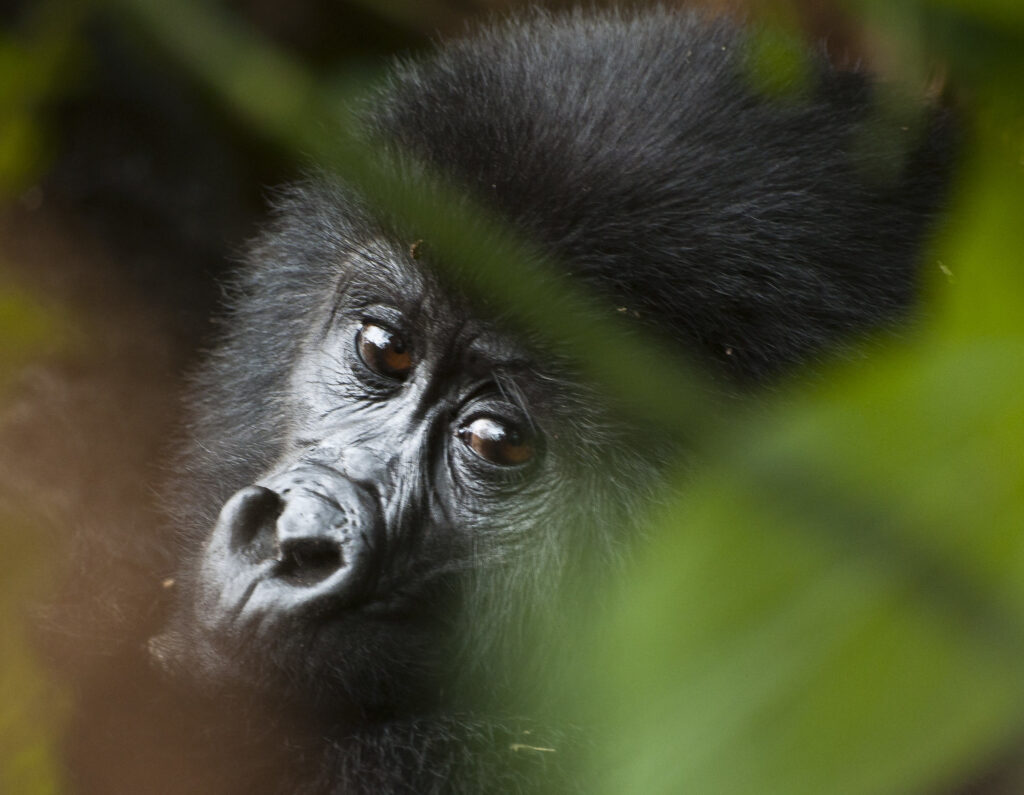
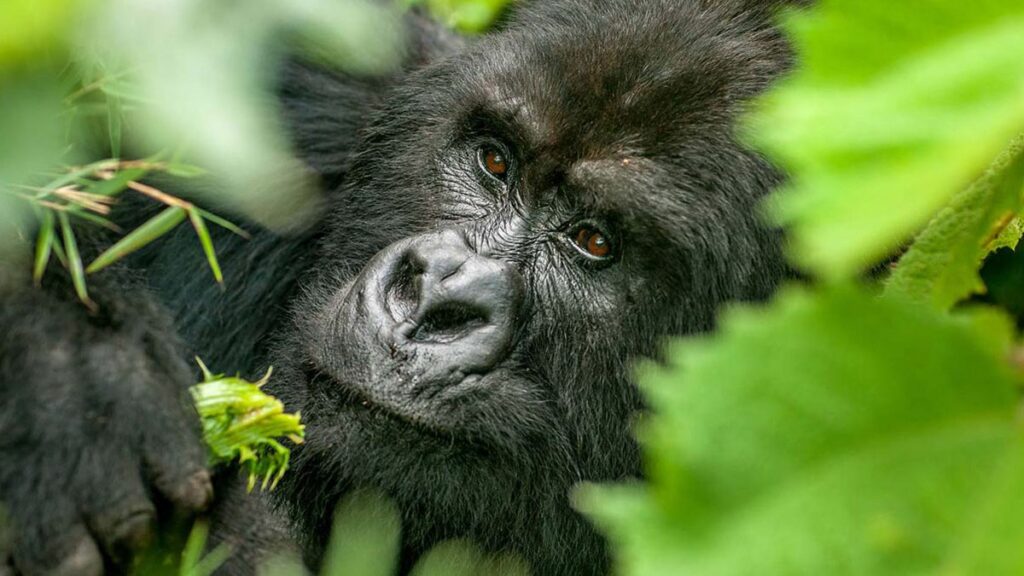
The country supports populations of western lowland gorillas and Cross River gorillas, both of which inhabit forested regions within the country. These gorillas play a crucial role in maintaining healthy rainforest ecosystems and contribute significantly to Central Africa’s biodiversity.
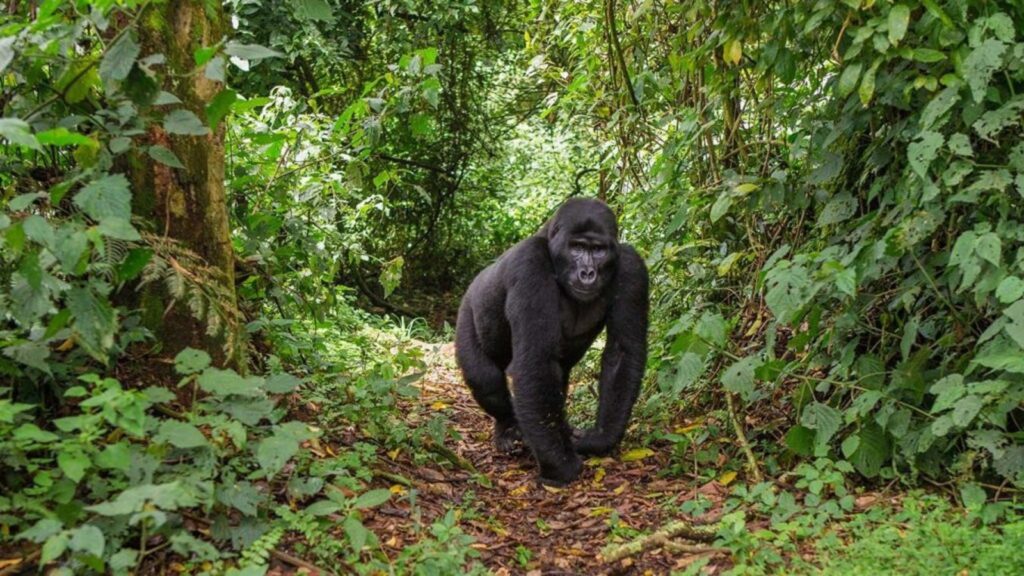
Unlike mountain gorillas, which inhabit high-altitude forests, Cameroon’s gorillas live in tropical lowland and mountainous rainforest environments.
Their habitats remain among the most important conservation areas in Africa.
The Cross River Gorilla
The most famous gorilla population in Cameroon is the Cross River gorilla.
Scientifically known as Gorilla gorilla diehli, the Cross River gorilla is the rarest gorilla subspecies on Earth. Scientists estimate that only a few hundred individuals remain in isolated forest habitats along the border between Cameroon and Nigeria.
These gorillas inhabit remote mountainous forests that experience limited human disturbance.
Their rarity makes conservation efforts particularly important.
Western Lowland Gorillas in Cameroon
Cameroon also supports populations of western lowland gorillas.
These gorillas inhabit dense rainforest ecosystems in southern and southeastern parts of the country. Western lowland gorillas are the most widespread gorilla subspecies and occupy several Central African nations.
Although they are more numerous than Cross River gorillas, they still face significant threats from habitat loss, poaching, and disease.
Protected areas help safeguard important populations.
Can You Go Gorilla Trekking in Cameroon?
This is one of the most common questions among wildlife travelers.
Unlike Uganda’s Bwindi Impenetrable National Park or Rwanda’s Volcanoes National Park, Cameroon does not currently offer large-scale commercial gorilla trekking tourism.
Most gorilla populations in Cameroon remain unhabituated. Habituation is the lengthy process through which gorillas gradually become accustomed to human presence. This process allows tourists to observe gorillas safely without causing excessive stress to the animals.
Because widespread habituation programs have not been developed for tourism, direct gorilla encounters remain extremely rare.
Why Gorilla Trekking Is Limited in Cameroon
Several factors limit gorilla trekking opportunities within Cameroon.
The country’s gorilla populations live in remote and often difficult-to-access forests. Many habitats are located far from major tourism infrastructure, making logistics more challenging than in established gorilla trekking destinations.
Conservation priorities also influence tourism development.
Protecting small and vulnerable gorilla populations often takes precedence over expanding tourism activities.
Important Gorilla Conservation Areas in Cameroon
Several protected areas contribute to gorilla conservation efforts across the country.
Takamanda National Park
Takamanda National Park protects some of the most important habitat for Cross River gorillas.
The park forms part of a larger transboundary conservation landscape shared with neighboring Nigeria. Conservation programs within the park focus on habitat protection, wildlife monitoring, and community engagement.
The area remains one of the most significant strongholds for the Cross River gorilla.
Campo Ma’an National Park
Campo Ma’an National Park supports populations of western lowland gorillas and other rainforest wildlife.
The park protects extensive tropical forest ecosystems and contributes to regional biodiversity conservation efforts.
Visitors may explore the area’s rich wildlife and natural landscapes.
Dja Faunal Reserve
Dja Faunal Reserve is one of Africa’s largest protected rainforests and a UNESCO World Heritage Site.
The reserve supports gorillas, chimpanzees, forest elephants, and countless other species. Its ecological importance extends far beyond gorilla conservation alone.
The reserve remains one of Cameroon’s most valuable natural assets.
Wildlife Experiences Available in Cameroon
Although traditional gorilla trekking remains limited, Cameroon offers a wide variety of wildlife experiences.
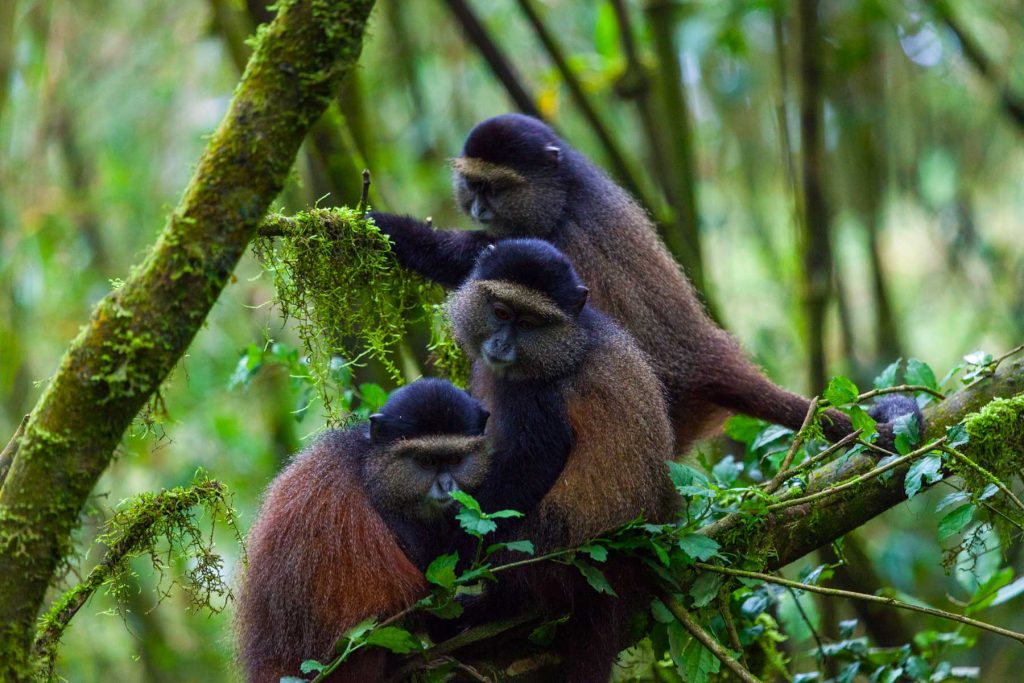
Visitors can explore rainforests, observe primates, participate in birdwatching excursions, enjoy guided nature walks, and learn about conservation initiatives throughout the country.
The country’s diverse ecosystems support remarkable biodiversity.
Nature enthusiasts often find Cameroon highly rewarding.
Conservation Efforts for Cameroon’s Gorillas
Conservation organizations, government agencies, researchers, and local communities continue working to protect gorilla populations.
Their efforts focus on reducing poaching, protecting habitats, strengthening wildlife law enforcement, conducting scientific research, and promoting sustainable community development.
Cross-border cooperation with Nigeria plays a particularly important role in protecting Cross River gorillas.
Conservation success depends on long-term commitment and collaboration.
Challenges Facing Gorillas in Cameroon
Several threats continue to affect gorilla populations.
Habitat Loss
Agricultural expansion, logging, infrastructure development, and human settlement contribute to habitat fragmentation and forest degradation.
Protecting remaining forest corridors remains a priority.
Poaching
Illegal hunting continues to threaten wildlife across parts of Central Africa.
Strong enforcement and community engagement help address this challenge.
Small Population Sizes
The extremely small population of Cross River gorillas increases vulnerability to genetic isolation and environmental pressures.
Conservation efforts aim to maintain connectivity between habitat areas.
Could Gorilla Trekking Develop in Cameroon?
Many conservation experts believe carefully managed eco-tourism could support future gorilla conservation efforts in Cameroon.
However, any tourism development would need to balance visitor access with species protection. Habituation programs require years of investment, scientific oversight, and careful planning.
Conservation remains the primary objective.
Future tourism opportunities will depend on ecological and management considerations.
Comparing Cameroon to Uganda and Rwanda
Travelers often com]pare Cameroon with the major gorilla trekking destinations in East Africa.
Uganda
Uganda offers highly developed mountain gorilla trekking experiences with habituated gorilla families and established tourism infrastructure.
Rwanda
Rwanda provides luxury-focused gorilla trekking experiences in Volcanoes National Park.
Cameroon
Cameroon offers a more conservation-focused experience rather than traditional gorilla trekking tourism. The country appeals particularly to wildlife enthusiasts interested in rainforest ecology, rare species, and conservation initiatives.
Each destination serves different traveler interests.
Best Time to Visit Cameroon
Wildlife viewing opportunities exist throughout the year.
Many travelers prefer drier periods because forest trails are generally easier to navigate. However, rainforest conditions remain lush and biologically rich regardless of season.
Weather patterns vary across different regions of the country.
Advance planning helps maximize travel experiences.
Why Cameroon Matters for Gorilla Conservation
Cameroon occupies a unique position within African gorilla conservation.
The country protects critical habitats for both Cross River gorillas and western lowland gorillas. Its forests support biodiversity that extends far beyond gorillas alone.
Protecting these ecosystems benefits countless species and contributes to global conservation goals.
Cameroon’s role in gorilla conservation remains essential.
Conclusion
Gorilla trekking Cameroon differs significantly from the mountain gorilla experiences available in Uganda, Rwanda, and Congo. While traditional tourism-based gorilla trekking is not currently widespread, Cameroon remains one of Africa’s most important countries for gorilla conservation.
The country’s forests protect some of the world’s rarest gorilla populations, including the critically endangered Cross River gorilla. Visitors interested in wildlife conservation, rainforest exploration, and biodiversity can experience the natural beauty of Cameroon while supporting efforts to safeguard these extraordinary primates.
As conservation initiatives continue to grow, Cameroon will remain a vital stronghold for gorilla protection and one of Central Africa’s most important wildlife destinations.