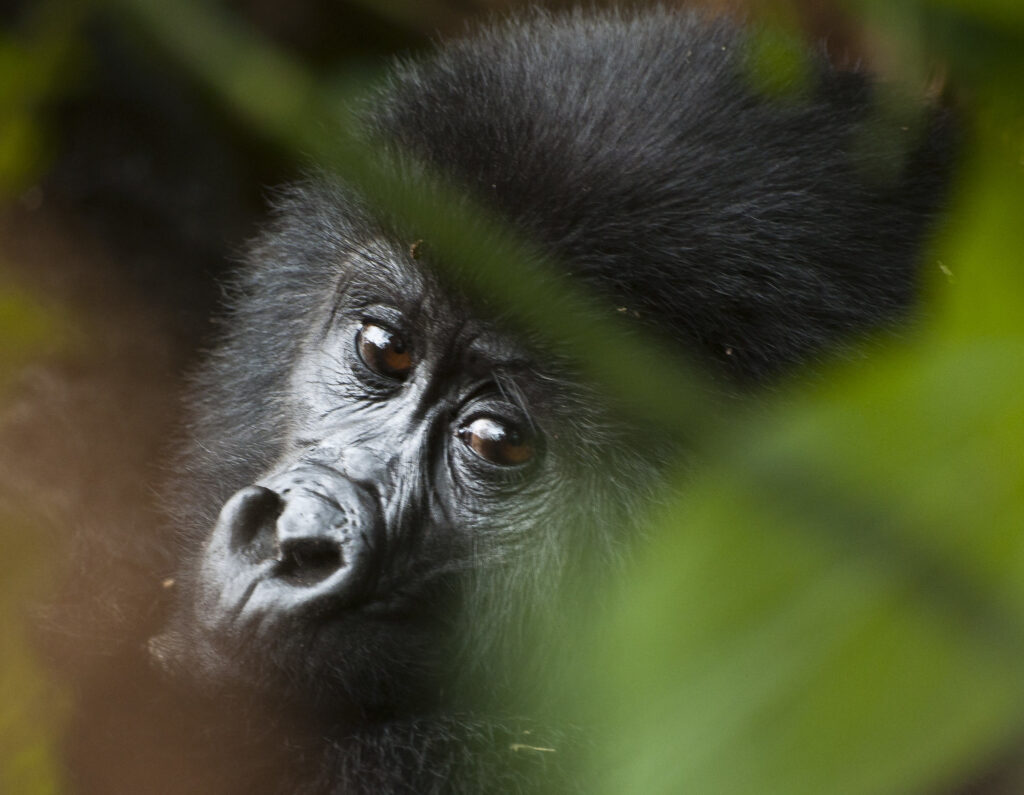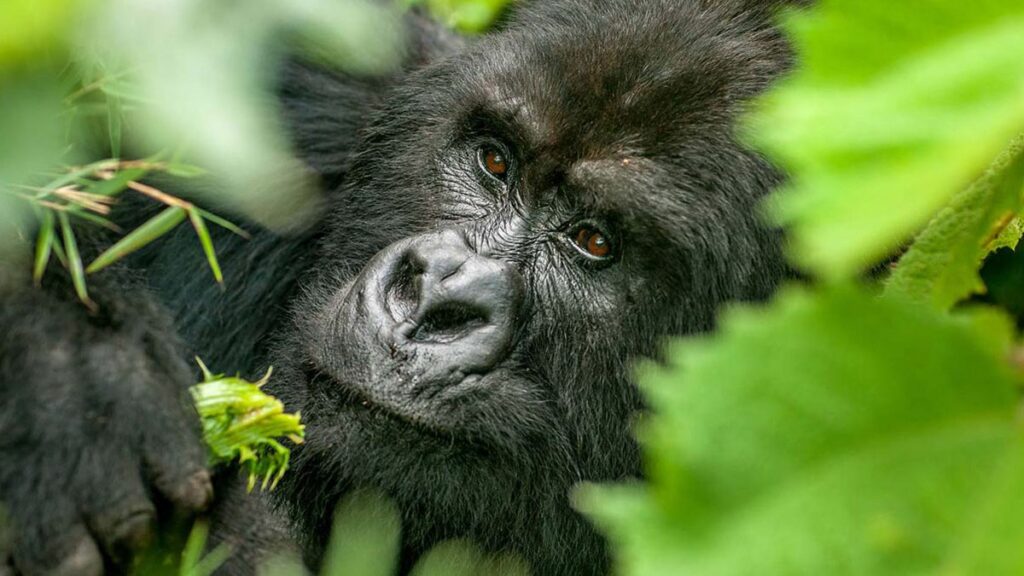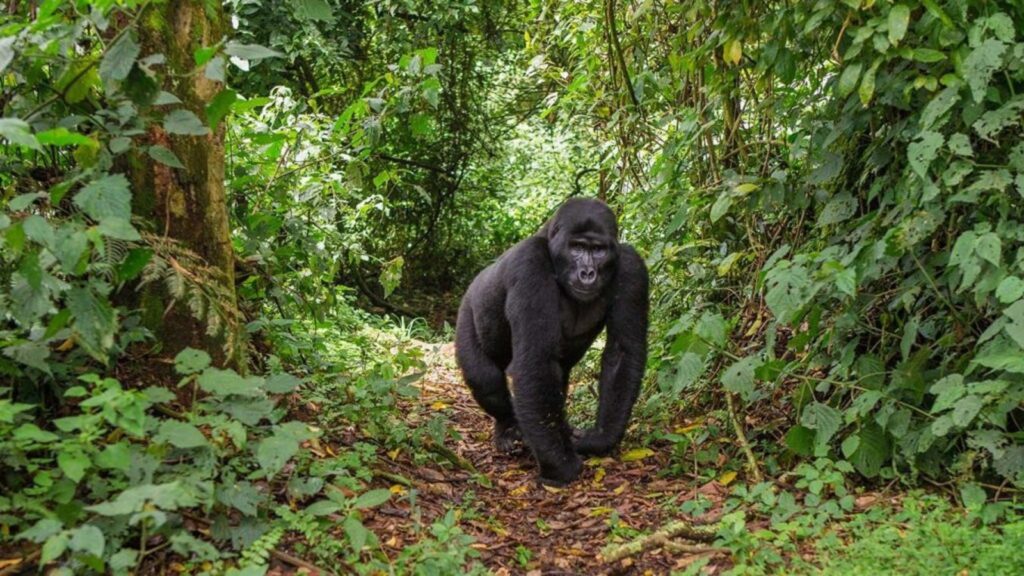
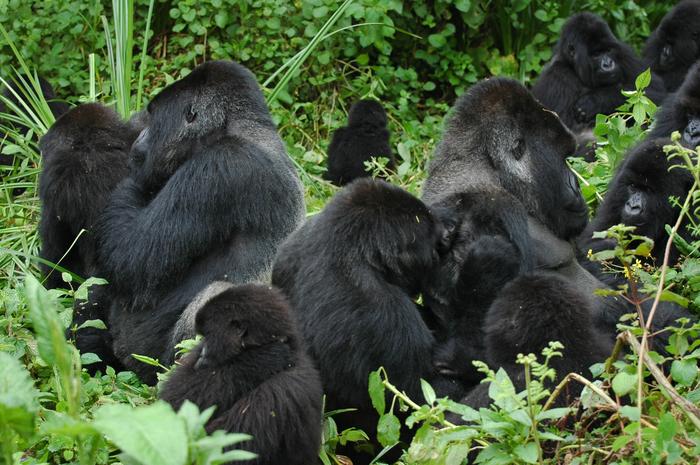
Gorilla Grooming: The Social Bond That Holds Gorilla Families Together
Gorilla grooming is one of the most important social behaviors observed in wild gorilla groups. While grooming helps remove dirt, parasites, and debris from the body, its role extends far beyond hygiene. Grooming strengthens social relationships, reduces tension, builds trust, and reinforces the bonds that keep gorilla families united.
Among mountain gorillas, eastern lowland gorillas, and western lowland gorillas, grooming serves as a vital form of communication. Through gentle touching, picking through fur, and close physical contact, gorillas express comfort, acceptance, and companionship.
For researchers and wildlife enthusiasts, grooming behavior offers a fascinating glimpse into the emotional intelligence and complex social lives of these great apes.
What Is Gorilla Grooming?
Grooming involves one gorilla carefully inspecting and cleaning another gorilla’s fur using its hands and fingers. During this process, the grooming individual removes dirt, dead skin, leaves, insects, or other foreign materials trapped within the fur.
The behavior often appears calm and deliberate. Gorillas sit close together while one individual gently parts the fur and examines different areas of the body.
Unlike many monkey species that spend several hours each day grooming, gorillas generally groom less frequently. However, when grooming occurs, it carries significant social meaning.
Why Gorillas Groom Each Other
Maintaining Cleanliness
The most obvious purpose of grooming is hygiene.
Dense fur can collect dust, plant material, parasites, and small insects as gorillas move through forests. Grooming helps remove these irritants and keeps the coat in good condition.
Although gorillas naturally maintain relatively clean coats, grooming provides an additional layer of care that contributes to overall health and comfort.
Strengthening Social Bonds
One of the most important functions of grooming is social bonding.
When gorillas groom each other, they reinforce trust and strengthen relationships within the group. The close physical contact creates positive social connections and helps maintain harmony among family members.
Researchers often compare grooming to social conversations among humans. It serves as a way for gorillas to build and maintain relationships without vocal communication.
Reducing Stress and Tension
Grooming also helps reduce social tension.
After disagreements or stressful situations, gorillas may engage in grooming to restore calm and reaffirm social connections. The gentle interaction helps ease anxiety and promotes group stability.
This calming effect contributes to the peaceful nature of many gorilla family groups.
Who Grooms Whom?
Mothers and Infants
Mother-infant grooming forms one of the strongest grooming relationships in a gorilla group.
Mothers frequently groom their infants, helping keep them clean while also strengthening emotional bonds. Young gorillas learn social behavior through these early interactions.
Infants often respond by touching, climbing on, or attempting to groom their mothers in return.
These interactions play an important role in emotional development and social learning.
Siblings and Juveniles
Young gorillas spend considerable time grooming one another.
Juveniles often alternate between play and grooming sessions. These interactions help them develop social skills, learn appropriate behavior, and establish friendships within the group.
Grooming among young gorillas often appears playful and exploratory.
Adult Females
Adult female gorillas commonly groom one another, particularly if they maintain strong social relationships.
These grooming sessions help reinforce cooperation and reduce competition within the group.
Females that spend more time grooming together often display stronger social bonds and greater tolerance of one another.
Silverbacks
Silverbacks participate in grooming less frequently than females and juveniles.
As dominant leaders, silverbacks often receive grooming from females rather than initiating it themselves. This behavior can reinforce social bonds between the silverback and members of the group.
However, silverbacks occasionally groom infants or tolerate grooming from younger gorillas, demonstrating their role as protectors and social anchors.
Grooming and Gorilla Communication
Gorillas communicate through more than vocal sounds and body language. Grooming itself acts as a form of communication.
By choosing whom to groom and when to groom them, gorillas convey trust, acceptance, and social preference.
A grooming session can signal friendship, strengthen alliances, or ease social tension. Refusing to groom or avoiding close contact may also communicate social distance within the group.
This silent form of communication contributes to group cohesion and stability.
Grooming During Gorilla Trekking
Visitors on gorilla trekking safaris frequently witness grooming behavior among habituated gorilla families.
A trekking encounter may reveal a mother grooming her infant, siblings grooming each other after play, or adult females sitting quietly while cleaning one another’s fur.
These moments often rank among the most memorable observations during a trek because they showcase the gentle and social side of gorilla life.
Watching grooming behavior highlights how closely gorillas resemble humans in their family relationships and social interactions.
Grooming and Emotional Intelligence
Gorilla grooming provides evidence of advanced emotional and social intelligence.
The behavior requires patience, attention, and an understanding of social relationships. Gorillas often groom individuals with whom they share strong bonds, demonstrating awareness of social connections within the group.
Researchers have observed grooming behavior following stressful events, suggesting that gorillas use physical contact to provide reassurance and maintain group harmony.
These interactions reveal a level of emotional complexity that continues to fascinate scientists.
Differences Between Gorilla and Chimpanzee Grooming
While both gorillas and chimpanzees groom, the behavior differs in frequency and purpose.
Chimpanzees spend much more time grooming and often use it to maintain complex social alliances within larger communities.
Gorillas live in more stable family groups and generally experience less social competition. As a result, they groom less frequently but still use grooming to strengthen relationships and promote cohesion.
The differences reflect each species’ unique social structure and lifestyle.
What Grooming Reveals About Gorilla Society
Grooming offers valuable insight into gorilla society.
It demonstrates that gorilla groups rely on cooperation rather than constant competition. The behavior reflects trust, emotional connection, and mutual support among family members.
Through grooming, gorillas maintain relationships that contribute to group stability, infant survival, and overall well-being.
This simple act reveals the depth of social organization within gorilla families.
The Importance of Grooming in Conservation Education
Understanding grooming behavior helps people appreciate gorillas as intelligent and socially complex animals.
When tourists observe grooming during treks, they often develop a deeper emotional connection to conservation efforts. Seeing a mother care for her infant or siblings groom one another creates a powerful reminder of the similarities between gorillas and humans.
These experiences strengthen support for protecting gorillas and their forest habitats.
Conclusion
Gorilla grooming is far more than a method of staying clean. It serves as a cornerstone of social life, helping build trust, strengthen family bonds, reduce tension, and maintain group harmony.
From mothers caring for infants to adult females reinforcing friendships, grooming plays a critical role in the daily lives of gorillas. It reflects their intelligence, emotional depth, and highly organized social structure.
For anyone fortunate enough to witness grooming during a gorilla trek, it offers one of the clearest windows into the remarkable world of these gentle giants.