
Are Gorillas Friendly? Understanding Their True Nature in the Wild
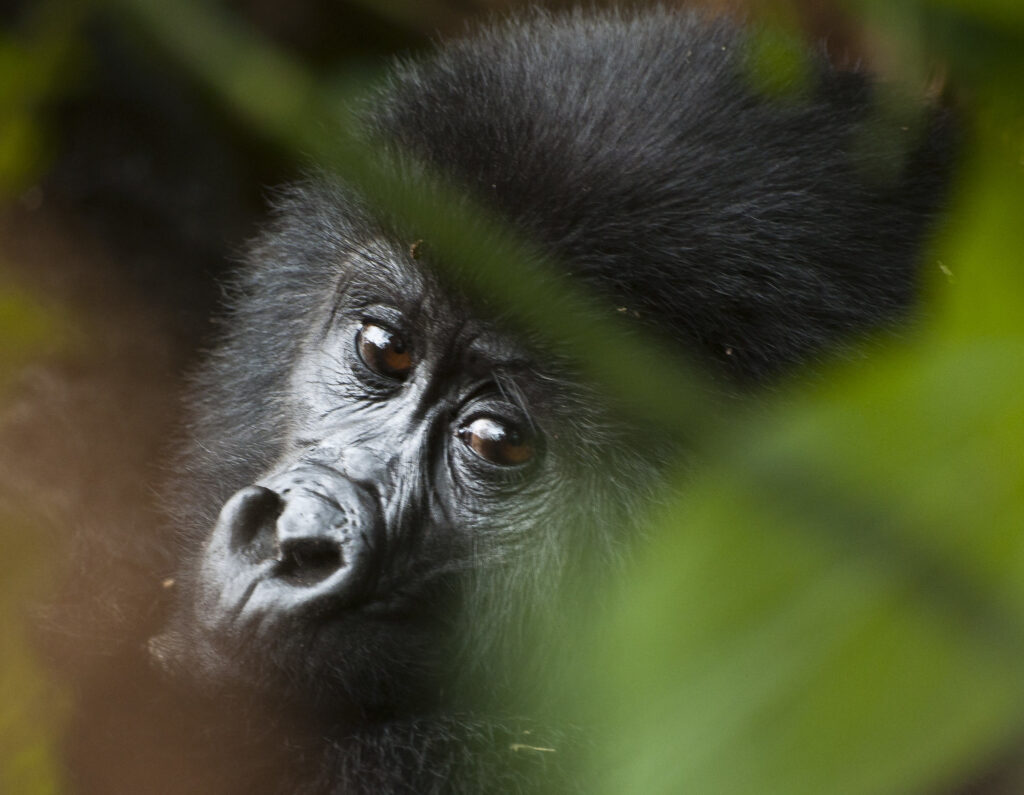
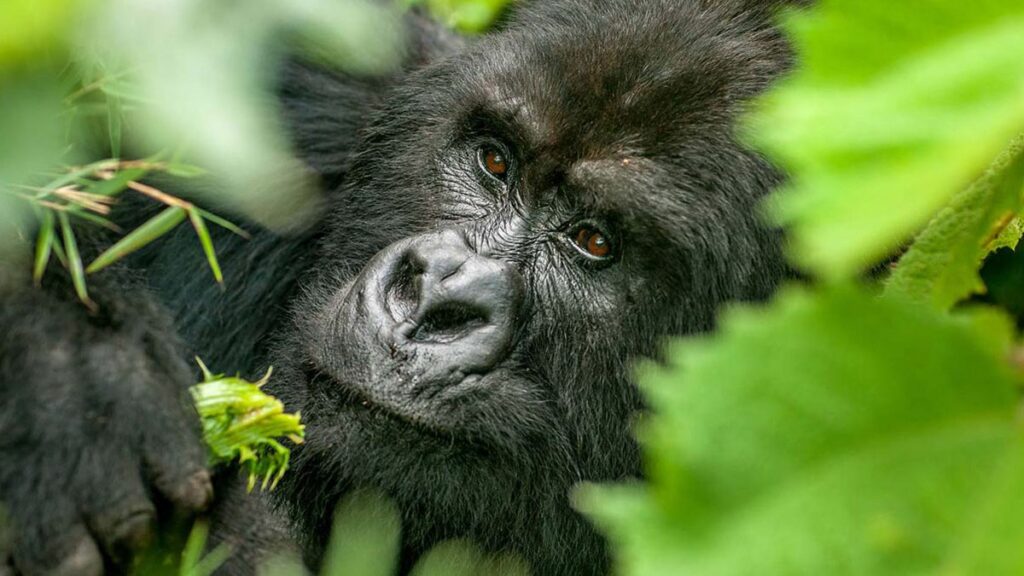
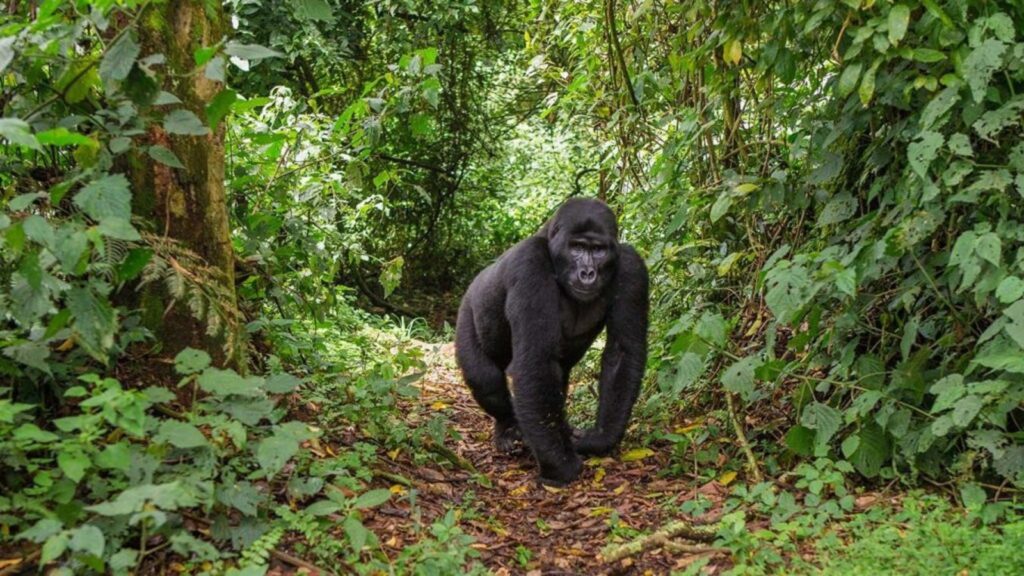
Gorillas often appear in documentaries and safari promotions as gentle giants, and this image leads many people to ask a simple question: are gorillas friendly? The honest answer is more nuanced than a yes or no. Gorillas are not domesticated animals, yet they also do not behave like dangerous predators. They are intelligent, social, and generally peaceful creatures that avoid conflict whenever possible.
Their behavior depends heavily on their environment, their level of habituation to humans, and how people behave around them. In protected areas such as Bwindi Impenetrable National Park, Volcanoes National Park, and Kahuzi-Biega National Park, gorillas often appear calm and tolerant. However, they remain wild animals with strong instincts and powerful physical abilities.
Understanding gorilla behavior helps travelers appreciate them safely and responsibly during trekking experiences.
Understanding Gorilla Behavior in the Wild
Gorillas live in structured family groups led by a dominant male known as a silverback. This silverback protects the group, makes movement decisions, and ensures the safety of females and young gorillas.
Most of a gorilla’s daily life revolves around feeding, resting, grooming, and moving through the forest. They do not hunt other animals and rarely show aggression without cause. Their calm nature comes from a herbivorous diet and a strong social system that values stability over confrontation.
When gorillas encounter potential threats, they usually prefer warning displays rather than physical attacks. These warnings help avoid unnecessary conflict and protect group members.
Are Gorillas Naturally Aggressive?
Gorillas are not naturally aggressive toward humans or other animals unless they feel threatened. In the wild, they avoid confrontation whenever possible. Their size and strength often create fear, but their behavior tells a different story.
A silverback may act aggressively in specific situations, especially when:
- He senses danger near his family group
- A human gets too close to infants
- Another male gorilla challenges his leadership
- The group feels trapped or stressed
In such cases, aggression is defensive rather than offensive. Most displays are meant to scare away threats, not to cause injury.
Despite their power, gorillas rarely engage in unnecessary fights because injury could threaten their survival in the wild.
Why Gorillas Seem “Friendly” to Humans
Many travelers describe gorillas as friendly because of their calm reactions during guided trekking experiences. In reality, this behavior results from a process called habituation.
Habituated gorilla families become accustomed to human presence over time through careful and gradual exposure by researchers and rangers. This does not make them tame, but it reduces fear and stress when humans are nearby.
During trekking experiences, gorillas often continue feeding, resting, or grooming even when visitors are present. This relaxed behavior creates the impression of friendliness.
However, their tolerance does not mean they have lost their wild instincts. They still react strongly if people break rules or behave unpredictably.
Silverbacks and Protective Behavior
The silverback gorilla plays a central role in how “friendly” a group appears. He acts as both protector and decision-maker for the family.
When everything is calm, the silverback may appear relaxed, sitting quietly or feeding alongside the group. However, if he senses danger, his behavior changes quickly.
He may stand upright, beat his chest, vocalize loudly, or perform a short charge toward the threat. These actions often look aggressive, but they serve as warning signals.
In most cases, the goal is not to attack but to intimidate and prevent escalation.
Once the perceived danger disappears, the silverback usually returns to a calm state.
Gorilla Communication and Body Language
Gorillas communicate constantly using vocal sounds, facial expressions, and body movements. Understanding these signals helps explain their behavior toward humans and other animals.
Soft grunts often indicate calmness and social bonding. These sounds help maintain group connection during feeding or movement.
Loud vocalizations or sharp grunts may signal discomfort or alertness.
Chest-beating, one of the most famous gorilla behaviors, usually serves as a communication tool rather than an act of violence. It can signal dominance, confidence, or warning.
Avoidance behavior, such as moving away from humans, often shows that gorillas prefer distance rather than confrontation.
These communication methods reveal that gorillas rely heavily on signals to prevent conflict.
Gorillas and Human Interaction During Trekking
Gorilla trekking provides one of the closest wildlife encounters in the world. Despite this close proximity, gorillas usually remain calm if visitors follow strict rules.
During trekking in Uganda, Rwanda, or Congo, visitors spend one hour with a habituated gorilla family. Rangers maintain a safe distance and ensure that humans behave appropriately.
Gorillas may approach quietly, ignore visitors, or continue their normal activities. These reactions often feel peaceful and natural.
However, sudden movements, loud noises, or direct eye contact with a silverback can cause stress. That is why guides emphasize calm behavior at all times.
The experience works because both humans and gorillas maintain mutual respect within a controlled environment.
Do Gorillas Ever Attack Humans?
Gorilla attacks on humans are extremely rare. Most recorded incidents involve situations where humans broke safety rules or unintentionally provoked defensive behavior.
When attacks do occur, they usually involve warning charges rather than sustained aggression. Serious injuries remain uncommon in regulated trekking environments.
Wild gorillas generally avoid humans altogether. In protected trekking zones, habituated gorillas tolerate human presence but still maintain their natural boundaries.
Respecting those boundaries greatly reduces any risk of conflict.
Are Gorillas Safer Than They Look?
Gorillas appear intimidating due to their size, strength, and powerful build. A silverback can weigh over 180 kilograms and possess immense physical power.
However, strength does not equal aggression. Gorillas are peaceful herbivores that prefer stability and predictability.
Their calm lifestyle and strong family structure reduce unnecessary conflict. In most cases, gorillas focus on feeding and caring for their group rather than engaging with outsiders.
This makes them safer in the wild than many people initially expect.
How to Stay Safe Around Gorillas
Safety during gorilla encounters depends on human behavior more than gorilla behavior.
Visitors should always follow ranger instructions and maintain a respectful distance. Sudden movements or loud behavior can disturb the animals.
People should avoid touching gorillas, even if they come close. Direct interaction can cause stress or trigger defensive reactions from the silverback.
Visitors should remain calm, move slowly, and avoid making gorillas feel threatened.
These simple practices ensure safe and positive encounters.
Why Gorillas Are Not Pets or Domesticated Animals
Despite their calm nature, gorillas remain fully wild animals. They have not been domesticated and do not rely on humans for survival.
Unlike pets, gorillas live according to natural instincts shaped by millions of years of evolution. Their behavior can change depending on environmental conditions and social dynamics.
Treating gorillas as friendly pets would misrepresent their true nature and undermine conservation efforts.
Respecting their wild identity helps protect both humans and gorillas during encounters.
Conclusion
Gorillas are not friendly in the human or domestic sense, but they are generally calm, intelligent, and peaceful animals. Their behavior reflects strong family bonds, natural instincts, and a preference for avoiding conflict.
In controlled environments such as gorilla trekking, they often appear gentle because they have become habituated to human presence. However, they remain wild animals that require respect and distance.
The most accurate way to describe gorillas is simple: they are not friendly like pets, but they are not naturally aggressive either. They are intelligent forest giants that live peacefully when left undisturbed.