Can Gorillas Cry? Understanding Gorilla Emotions and Tear Production
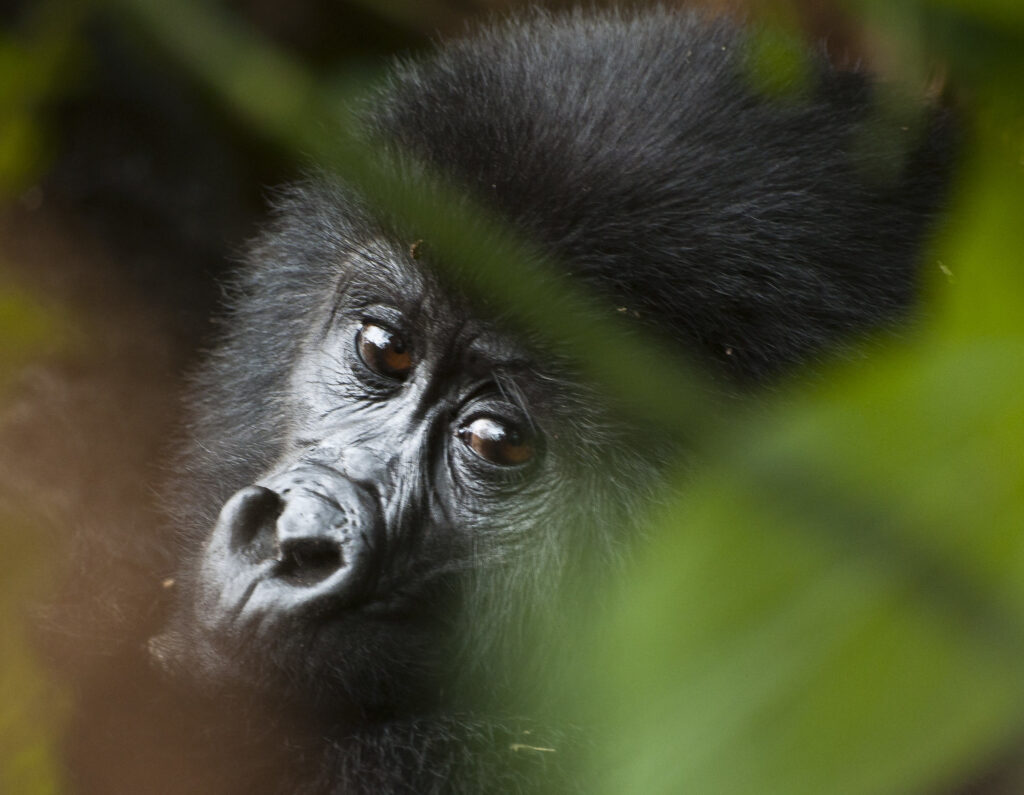
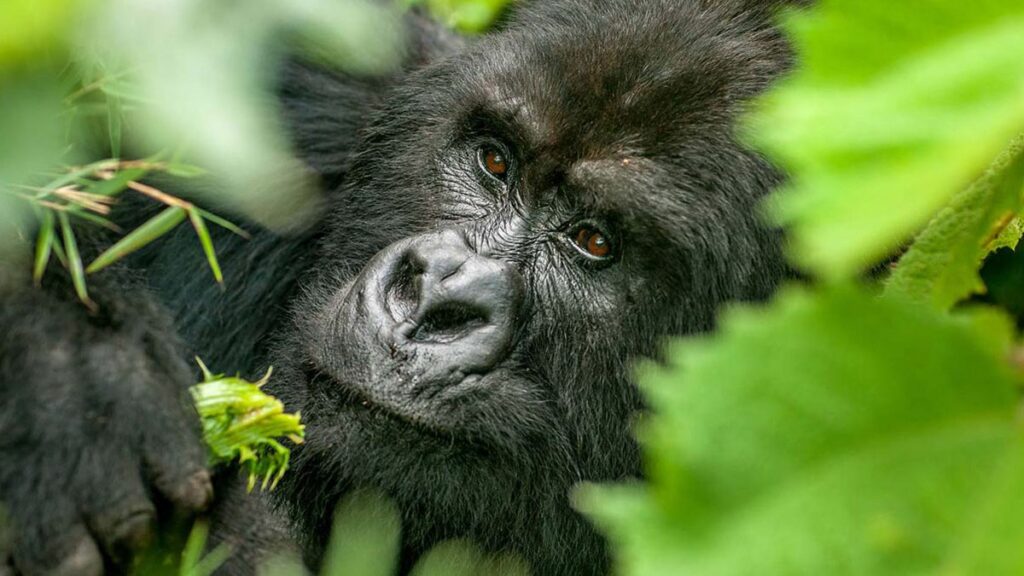
Gorillas often appear deeply expressive, which leads many people to wonder a natural question: can gorillas cry like humans? The short answer is no, at least not in the emotional, tearful way humans do. Gorillas do produce tears to keep their eyes healthy, but they do not shed emotional tears when they feel sadness, grief, or pain.
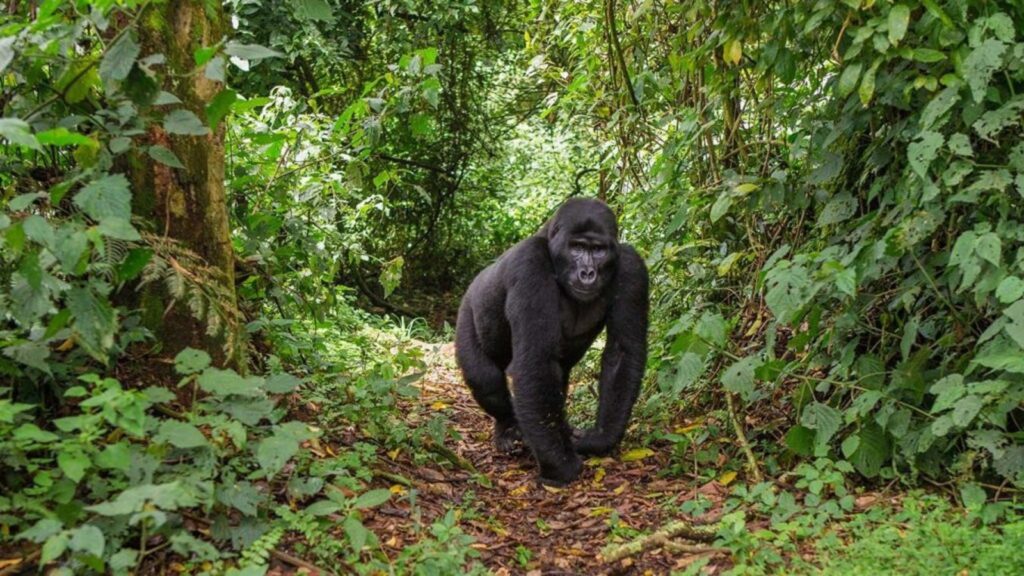
However, this does not mean gorillas lack emotions. In fact, gorillas show strong emotional intelligence, deep family bonds, and complex social behavior. They grieve, comfort one another, and react to loss or stress, but they express these feelings through behavior and vocal sounds rather than tears.
Understanding how gorillas express emotion helps separate scientific fact from popular myths.
Do Gorillas Pr|oduce Tears?
Yes, gorillas produce tears just like humans do. Tears play an important biological role in all primates, including gorillas. They help keep the eyes moist, remove dust, and protect against infection.
However, these tears serve only a physical function. Gorillas do not produce emotional tears in response to sadness or joy.
So when you see a gorilla with wet eyes, it usually reflects irritation, environmental conditions, or normal eye lubrication rather than emotional crying.
Emotional Expression in Gorillas
Even though gorillas do not cry emotionally, they are highly emotional animals. Their feelings appear in their behavior rather than tears.
Gorillas show happiness through play, relaxed body posture, and gentle vocalizations. Young gorillas often engage in playful wrestling, climbing, and chasing, which clearly shows joy and curiosity.
They show stress or fear through avoidance behavior, vocal alarm calls, or protective positioning by the silverback.
Grief and sadness also appear in gorilla behavior, especially after the loss of a family member. Researchers have observed gorillas staying close to deceased individuals, showing reduced activity, and appearing withdrawn for some time.
These reactions show emotional depth, even without tearful expression.
Why Humans Cry Emotionally but Gorillas Do Not
Humans are one of the few species known to produce emotional tears. Scientists believe this ability developed as a form of social communication.
Emotional crying in humans helps signal distress and attract care or support from others. It also plays a role in bonding and emotional release.
Gorillas, however, rely on different communication methods. They use vocal sounds, body language, facial expressions, and physical behavior to communicate emotions within the group.
Because gorillas already have strong social structures and constant group interaction, they do not rely on emotional tears for communication.
How Gorillas Show Sadness or Distress
Although gorillas do not cry, they clearly show when something is wrong.
A stressed gorilla may become quiet, move away from the group, or reduce feeding activity. In some cases, they may vocalize softly or stay close to a trusted group member.
A silverback may become more alert or protective if the group feels threatened.
Infant gorillas show distress through vocal calls and physical clinginess to their mothers.
These behaviors act as emotional signals within the group.
Do Gorillas Grieve Like Humans?
Gorillas do show behaviors that suggest grief, although not in the same way humans experience it.
When a gorilla loses a close family member, especially an infant or a bonded companion, it may remain near the body, reduce movement, or show changes in normal behavior patterns.
Some gorillas have been observed gently touching or staying close to deceased individuals for a period of time.
These behaviors indicate awareness of loss, but scientists avoid directly equating them with human grief because gorillas do not express emotions through symbolic or verbal reflection.
Still, the emotional response is real and significant within their social world.
Communication Instead of Crying
Gorillas rely heavily on communication to express emotional states.
They use soft grunts to maintain group connection and reassurance. Loud vocalizations can signal alarm or stress.
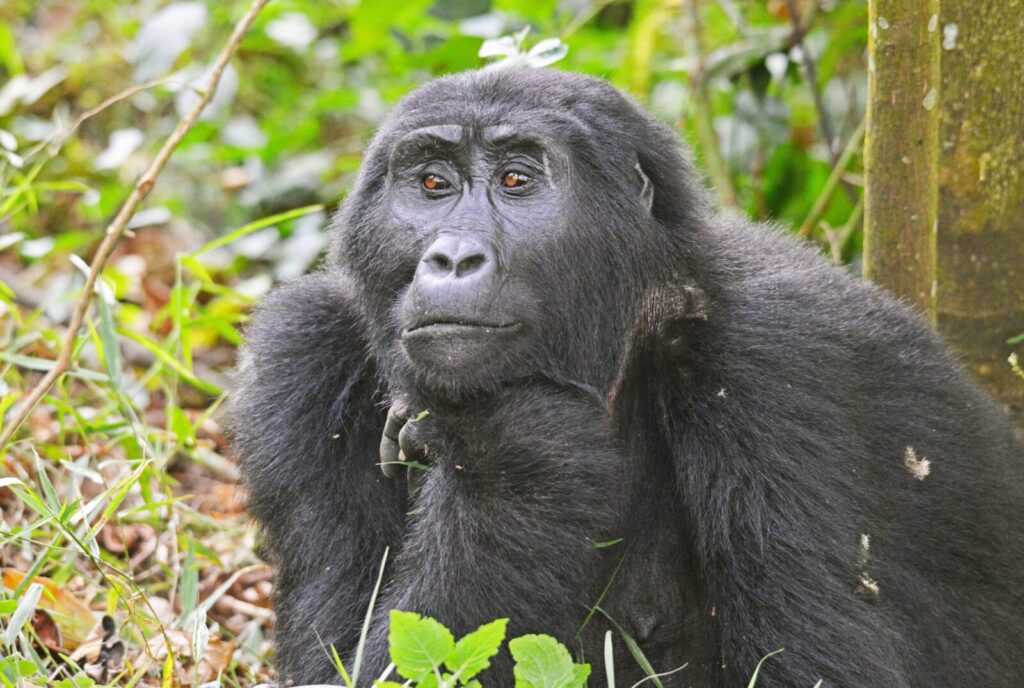
Facial expressions, such as relaxed eyes or tense brows, also communicate emotional conditions.
Chest-beating by silverbacks can signal dominance, warning, or excitement rather than anger alone.
These communication methods replace the need for emotional crying.
Gorillas and Human Misconceptions
Many people assume gorillas cry emotionally because they observe human-like expressions in their faces. Gorillas share close genetic similarity with humans, so their facial structure can appear familiar.
However, similarity does not mean identical emotional expression.
Movies and media sometimes reinforce the idea of crying animals, but scientific observation confirms that emotional tears are unique to humans and a few other species, not gorillas.
Intelligence and Emotional Depth
Although gorillas do not cry, they are highly intelligent and emotionally complex.
They form long-term family bonds and show empathy toward group members. A gorilla may comfort another by staying close or engaging in grooming behavior.
They also demonstrate memory, problem-solving skills, and learning ability.
This emotional intelligence makes gorillas one of the most socially advanced animals in the wild.
Conclusion
Gorillas do not cry emotionally like humans, but they do produce tears for eye health and protection. More importantly, they express emotions through behavior, vocal sounds, and social interaction rather than tears.
They show happiness, stress, fear, and even signs of grief, but always through actions within their social group.
Understanding this distinction helps us appreciate gorillas for what they truly are: intelligent, emotional, and highly social animals that communicate in ways different from humans but no less meaningful.