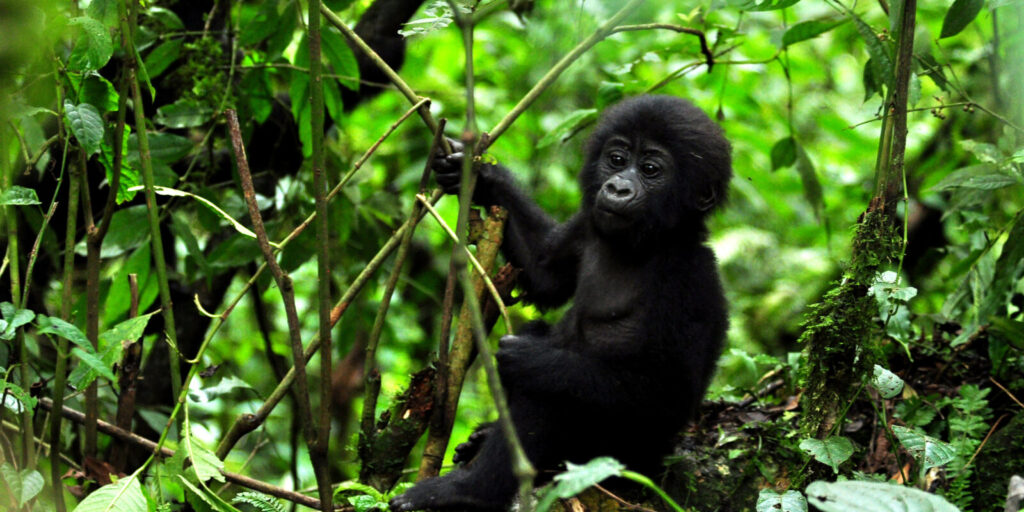
Gorilla Trekking in Dry Season: What to Expect in June–September
The dry season marks the most popular time for gorilla trekking in Uganda, Rwanda, and the Democratic Republic of Congo. From June to September, rainfall reduces, trails become more manageable, and overall trekking conditions improve. For many travelers, this period represents the most reliable window to plan a gorilla safari.
This guide explains gorilla trekking dry season in detail, focusing on real trail conditions, wildlife behavior, and what you should expect on the ground.
Why the Dry Season Is Popular for Gorilla Trekking
Improved Trail Conditions
During the dry season, rainfall drops significantly compared to earlier months. Forest trails begin to firm up, especially in elevated areas. While the rainforest never becomes completely dry, the reduced mud makes hiking easier and more predictable.
Steep sections in places like Bwindi feel more stable, which allows trekkers to move with better balance and less effort. This improvement in footing reduces fatigue and makes the overall experience more comfortable.
Better Visibility in the Forest
Vegetation remains lush throughout the year, but the dry season improves visibility slightly. Reduced rainfall limits heavy mist and allows clearer views through the forest.
This makes it easier to observe gorilla movements, capture photographs, and fully appreciate the surrounding environment without constant rain interruptions.
Reliable Trekking Experience
The dry season offers more consistent daily conditions. You are less likely to experience long periods of rain during your trek, which helps maintain a steady pace from start to finish.
This reliability makes June to September one of the most recommended periods for gorilla trekking dry season, especially for first-time visitors.
What Gorilla Trekking Feels Like in Dry Season
Morning Briefings and Early Starts
Your trekking day begins early, usually at the park headquarters. Rangers provide a briefing on safety, group allocation, and trekking expectations. During the dry season, mornings often feel cool and clear, which creates a comfortable start to the day.
Trekking Through the Forest
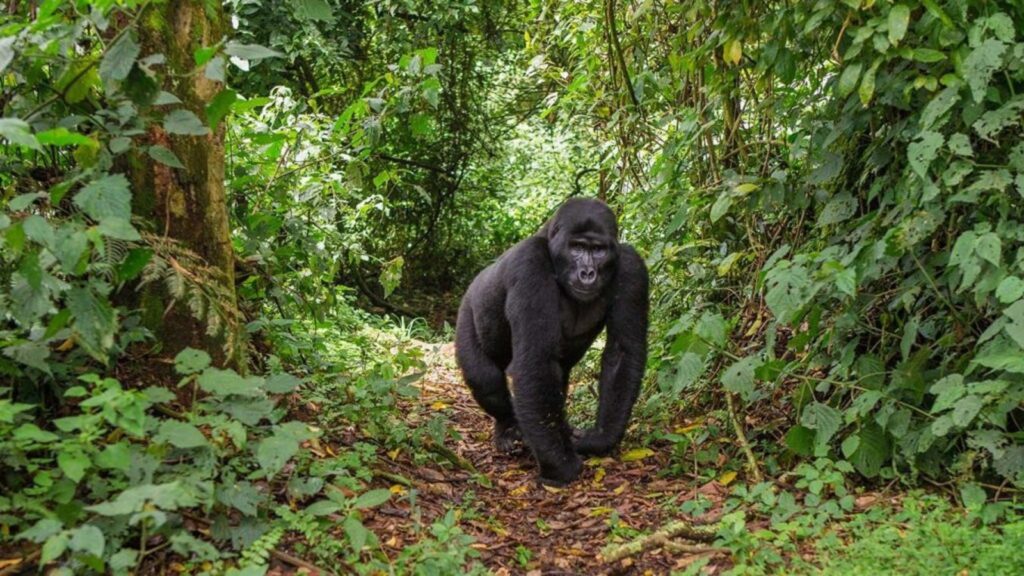
As you move into the forest, you notice the difference in trail conditions. The ground feels firmer, and slopes become easier to navigate compared to wet months.
However, the terrain still requires effort. Gorilla trekking remains a physical activity, and the duration depends on how far the gorilla families have moved. Some treks take one to two hours, while others extend much longer.
Encountering the Gorillas
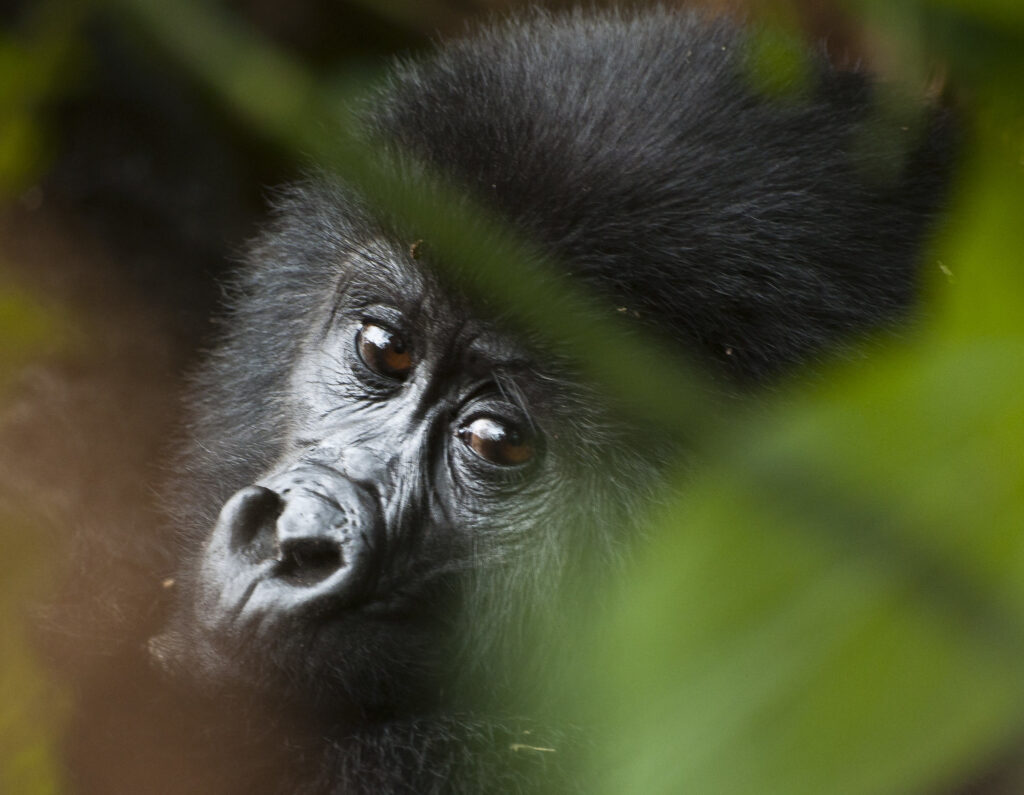
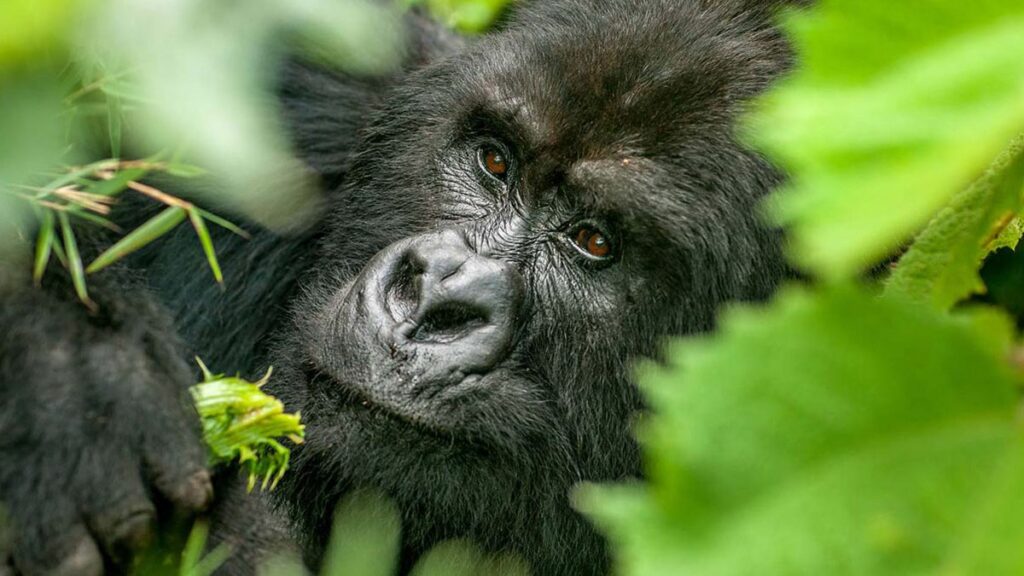
Once you reach the gorillas, the experience remains unchanged by season. You spend one hour observing their behavior, watching how they feed, interact, and move within their group.
Dry conditions allow you to stay more comfortable during this hour. You can focus fully on the moment without dealing with heavy rain or slippery ground.
Monthly Breakdown: June to September
June
June marks the transition into the dry season. Rainfall reduces, but the forest still holds moisture from previous months. Trails begin to improve, though some sections remain soft.
Expect a noticeable shift toward better trekking conditions. Visitor numbers start to increase as travelers recognize the improving weather.
July
July offers some of the best trekking conditions of the year. Rainfall remains low, and trails feel firm and stable. Movement through the forest becomes easier, even in steeper areas.
Expect high demand for permits and accommodation. This month suits travelers who want the most predictable trekking conditions.
August
August continues with consistent dry weather. The forest remains green, but reduced rainfall keeps the terrain manageable. Visibility improves, which enhances photography opportunities.
Expect busy parks, particularly in Rwanda. Despite this, the experience remains controlled due to limited group sizes.
September
September maintains good conditions, though slight rainfall may begin toward the end of the month. Trails generally remain firm, and trekking continues smoothly.
Expect a balance between strong conditions and slightly fewer crowds compared to July and August. This makes September a well-rounded option within the gorilla trekking dry season.
Advantages of Gorilla Trekking in Dry Season
Easier Hiking Experience
Dry trails reduce slipping and allow more stable footing. This makes trekking more comfortable, especially for first-time visitors or those concerned about physical difficulty.
Higher Travel Reliability
Flights, road transfers, and park access operate more smoothly during the dry season. Reduced rainfall minimizes disruptions, which improves overall trip planning.
Ideal for First-Time Trekkers
The combination of stable weather and easier trails makes this period highly suitable for beginners. It reduces uncertainty and allows travelers to focus on the experience.
Challenges of the Dry Season
High Demand and Limited Availability
The dry season attracts the highest number of visitors. Gorilla permits often sell out months in advance, especially in Rwanda. Early booking becomes essential.
Higher Overall Costs
Accommodation rates increase during peak travel months. While permit prices remain fixed, the total safari cost rises due to demand.
Busier Trekking Environment
Although group sizes remain limited, more visitors move through the parks during this period. This can reduce the sense of isolation compared to low-season trekking.
Uganda vs Rwanda in Dry Season
Uganda
Bwindi remains dense and humid even in the dry season. Trails improve, but the terrain still feels rugged. The multiple trekking sectors help distribute visitors, which reduces crowd concentration.
Rwanda
Volcanoes National Park offers easier access and slightly less dense terrain. Dry conditions make trekking more comfortable, and shorter travel times from Kigali enhance convenience.
Both destinations perform well during the gorilla trekking dry season, but the choice depends on your preference for terrain and travel style.
What to Pack for Dry Season Trekking
Clothing and Footwear
You should still prepare for a rainforest environment. Wear long-sleeved clothing for protection and sturdy hiking boots for support.
Rain Protection
Even in the dry season, rain can occur. A lightweight rain jacket ensures you stay comfortable if conditions change.
Essential Gear
Carry enough water, snacks, and a small backpack. Gloves help when navigating vegetation, and a camera without flash allows respectful photography.
Tips for Planning a Dry Season Gorilla Trek
Book Early
Permits sell out quickly during this period. Booking at least three to six months in advance gives you better options for dates and trekking sectors.
Choose the Right Sector
In Uganda, selecting the right sector affects your trekking experience and accommodation location. Planning this early avoids last-minute adjustments.
Combine with Other Safaris
Dry season conditions also favor wildlife safaris in parks like Queen Elizabeth or Murchison Falls. Combining experiences creates a more complete itinerary.
Conclusion
The gorilla trekking dry season from June to September offers the most reliable and comfortable trekking conditions in East Africa. Trails feel firmer, visibility improves, and overall travel logistics become easier to manage.
While demand increases and costs rise, the benefits of stable weather and smoother trekking make this period ideal for most travelers, especially first-time visitors.
With proper planning and early booking, the dry season delivers one of the most rewarding ways to experience mountain gorillas in their natural habitat.