
Is Gorilla Trekking Worth It During Rainy Season? Pros and Cons
Rainy season often raises doubts for travelers planning a gorilla safari. Many assume heavy rain will ruin the experience, yet gorilla trekking continues throughout the year. The forests of Uganda, Rwanda, and the Democratic Republic of Congo remain active regardless of weather, and gorillas do not disappear during wet months.
This guide explains gorilla trekking rainy season in a realistic and detailed way. It explores what the experience feels like, the advantages, the challenges, and whether it makes sense for your travel style.
Understanding the Rainy Season in Gorilla Habitats
When the Rainy Seasons Occur
Gorilla trekking regions experience two main rainy periods. The long rainy season runs from March to May, while the short rainy season occurs from October to November.
Rainfall varies from light showers to steady downpours, but it rarely lasts the entire day. You may experience rain in the morning followed by clearer conditions later.
How Rain Shapes the Environment
Rain transforms the forest into a dense, vibrant ecosystem. Vegetation grows thicker, water sources increase, and the entire landscape feels more alive.
The environment becomes more humid, and trails absorb moisture, which affects how you move through the forest. These conditions define the experience of gorilla trekking rainy season.
What Gorilla Trekking Feels Like in Rainy Season
Trekking Through Wet Forest Trails
Rain softens the ground, which makes trails muddy and sometimes slippery. Steeper sections require careful footing, and trekking can take longer depending on conditions.
Despite this, guides adjust pace and routes to suit the group. The trek becomes slower but more immersive, with every step drawing you deeper into the forest.
The Atmosphere in the Forest
The rainy season creates a unique atmosphere. Mist hangs over the hills, and the forest feels quieter and more secluded.
This environment adds depth to the experience. You hear more natural sounds, from dripping leaves to distant wildlife, which enhances the sense of being in untouched wilderness.
Gorilla Encounters
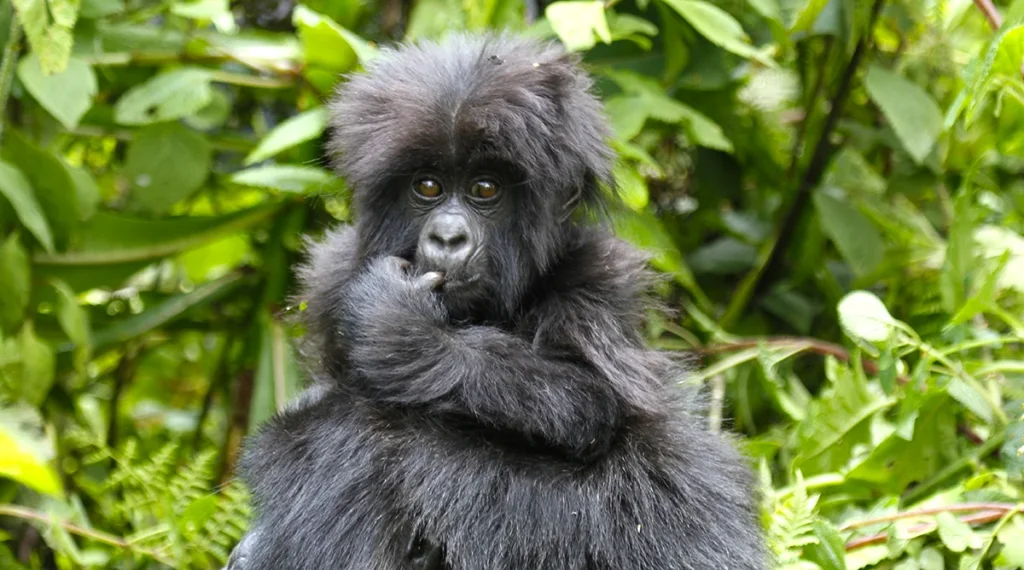
Rain does not affect your chances of seeing gorillas. Trackers locate them daily, and they remain within reachable areas.
In some cases, gorillas stay closer to lower slopes where food is abundant, which can shorten trekking time. The one-hour encounter remains just as powerful, regardless of weather.
Pros of Gorilla Trekking in Rainy Season
Fewer Crowds and More Privacy
Rainy months attract fewer visitors. This creates a quieter trekking environment and a more personal encounter with the gorillas.
You experience less pressure at briefing points and on trails, which makes the overall journey feel more relaxed.
Lower Accommodation Costs
Lodges often reduce rates during the rainy season. This lowers the total safari cost, even though permit prices remain fixed in most cases.
Travelers looking for value often find this period more accessible.
Rich and Lush Scenery
The forest reaches its most vibrant state during the rainy season. Vegetation becomes dense, and landscapes appear fresh and green.
This creates strong visual contrast and dramatic scenery, especially with mist and cloud cover adding depth to the environment.
Unique Photography Opportunities
Rain and mist produce softer lighting conditions. This enhances photography by reducing harsh shadows and creating a natural atmosphere.
Photographers often prefer these conditions for capturing more dynamic and emotional images.
Cons of Gorilla Trekking in Rainy Season
Challenging Trail Conditions
Mud and wet ground increase the physical effort required. Slippery sections demand careful movement, especially on steep terrain.
This can make trekking more tiring compared to dry months.
Unpredictable Weather
Rain can start unexpectedly and vary in intensity. While it rarely lasts all day, it can affect comfort during the trek.
Proper preparation becomes essential to manage changing conditions.
Longer Trekking Time
Wet trails may slow down movement. In some cases, reaching the gorillas takes longer due to the need for caution on slippery paths.
This does not reduce the quality of the encounter, but it does increase the physical demand.
Limited Visibility at Times
Heavy mist or rainfall can reduce visibility in certain moments. While this adds atmosphere, it may affect photography or distant viewing.
Uganda vs Rwanda in Rainy Season
Uganda
Bwindi Impenetrable National Park receives higher rainfall and has denser vegetation. Trails can become more challenging, especially in steep sectors.
However, the multiple trekking sectors help distribute visitors, and the forest feels deeply immersive during wet months.
Rwanda
Volcanoes National Park offers slightly easier terrain. Bamboo forests and open slopes can make trekking more manageable, even during rain.
Rwanda also benefits from shorter travel distances, which reduces overall logistical challenges.
Both destinations remain viable for gorilla trekking rainy season, but the level of difficulty varies slightly.
What to Pack for Rainy Season Trekking
Protective Clothing
Waterproof jackets and trousers help you stay dry during sudden rain. Long-sleeved clothing protects against vegetation and insects.
Footwear
Strong hiking boots with good grip are essential. Wet trails require stability and support.
Extra Essentials
Carry extra socks, a waterproof backpack cover, and gloves for navigating vegetation. These small additions improve comfort significantly.
Who Should Choose Rainy Season Trekking
Travelers Seeking Fewer Crowds
If you prefer a quieter and less commercialized experience, the rainy season offers more space and privacy.
Budget-Conscious Travelers
Lower accommodation rates reduce overall trip costs. This makes gorilla trekking more accessible without compromising the core experience.
Photography Enthusiasts
The lighting and atmosphere during rainy months create unique opportunities for capturing powerful images.
Who Should Avoid Rainy Season
Travelers Concerned About Physical Effort
If you prefer easier trekking conditions, dry months provide a more comfortable experience.
Travelers with Limited Time
Unpredictable weather and slower trekking can affect tight itineraries. Dry season offers more reliability for shorter trips.
Conclusion
Gorilla trekking rainy season offers a different but equally rewarding experience. The forest becomes more vibrant, crowds reduce, and the encounter with gorillas feels more intimate.
While trail conditions become more challenging and weather less predictable, these factors do not reduce the quality of the experience. They simply change how you experience it.
If you prepare properly and accept the conditions, rainy season trekking can deliver one of the most authentic and immersive wildlife encounters in Africa.



