Best Time for Gorilla Trekking: Month-by-Month Weather Guide
Gorilla trekking runs throughout the year in Uganda, Rwanda, and the Democratic Republic of Congo. Weather does not stop trekking, but it shapes how the experience feels on the ground. Trail conditions, visibility, and overall comfort change from month to month, and these differences matter when planning your safari.
This guide explains the best time gorilla trekking with a more detailed month-by-month breakdown. Each section moves directly into real conditions and what you should expect, so you can clearly compare months and choose what fits your travel style.
Best Time for Gorilla Trekking
Best Overall Months: June to September
The most reliable period for gorilla trekking runs from June to September. Rainfall drops, trails become firmer, and hiking feels more manageable across both Bwindi and Volcanoes National Park.
These months offer consistent conditions, which makes them ideal for first-time trekkers. Visibility improves, and movement through the forest becomes easier, especially in steeper areas. Demand increases during this time, so permits often sell out early.
Second Best Period: December to February
This short dry season provides another strong window for trekking. Rainfall remains low, and trails stay relatively stable. The forest remains lush, which keeps the scenery vibrant without making movement too difficult.
This period works well for travelers who want good conditions with slightly less pressure than peak months.
Best Time for Fewer Crowds and Lower Costs: March to May and October to November
The rainy seasons offer a different kind of experience. Trails become more challenging, but the forest feels more alive and less crowded.
These months suit travelers who value privacy, lower accommodation rates, and a more immersive atmosphere. While trekking requires more effort, the experience often feels more personal due to fewer visitors.
January
January brings relatively stable weather across gorilla trekking regions. Rainfall remains low, and forest trails feel more manageable compared to wetter months. The ground still holds some moisture due to the rainforest environment, but it rarely becomes difficult to navigate. Vegetation stays thick and green, which keeps the forest visually rich without obstructing movement too much.
Expect a comfortable trekking experience with moderate humidity and good visibility. Gorilla groups move normally, and trackers locate them efficiently. Visitor numbers remain steady but not overwhelming, which allows for a balanced experience between accessibility and space.
February
February continues the dry conditions, making it one of the most reliable months for trekking. The forest feels slightly drier than January, and trails hold firmer ground, especially in elevated areas. Hiking becomes more predictable, and the pace of trekking feels smoother.
Expect strong photography conditions with clearer light filtering through the forest canopy. The overall trekking effort feels manageable for most fitness levels. This month consistently ranks among the best time gorilla trekking for travelers who want dependable weather and fewer disruptions.
March
March marks the beginning of the long rainy season. Rainfall starts to increase gradually, and the forest begins to shift into a wetter phase. Trails soften, and sections of the trek may feel slippery, especially on steep slopes or in dense vegetation zones.
Expect a more immersive forest atmosphere. Mist and moisture create a dramatic setting that enhances the feeling of being deep in untouched wilderness. Visitor numbers begin to drop, which allows for a quieter and more personal trekking experience.
April
April represents the peak of the rainy season. Rainfall becomes consistent, and the forest reaches its most vibrant state. Vegetation grows thicker, and the ground becomes heavily saturated. Trekking during this month requires patience and steady footing.
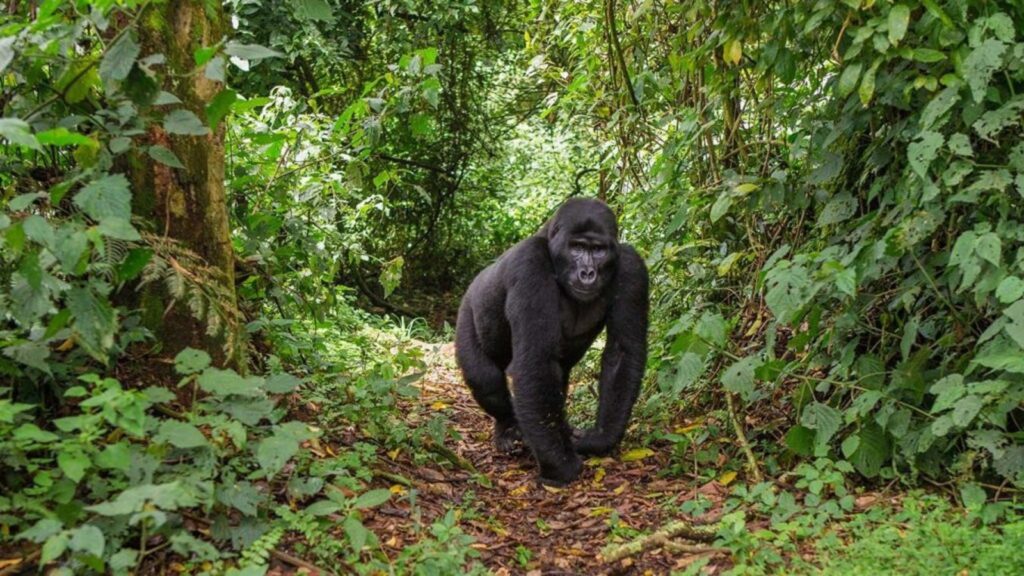
Expect physically demanding conditions, particularly in Bwindi where terrain can be steep. However, the visual experience becomes exceptional. The forest feels alive, with deep green tones and mist-covered slopes. Gorilla sightings remain consistent, and the reduced number of visitors creates a calm and intimate encounter.
May
May continues with wet conditions, though rainfall gradually starts to ease toward the end of the month. Trails remain muddy, but slight improvements begin to appear, especially in less dense areas. The forest maintains its lush appearance, and water sources remain abundant.
Expect fewer tourists and more flexibility in booking accommodation. Lodges often reduce rates, which lowers overall safari costs. Trekking still requires effort, but the experience rewards travelers with solitude and strong natural scenery.
June
June signals the transition into the dry season. Rainfall drops, and trails begin to dry out, making movement easier across most trekking routes. The forest remains green, but the ground becomes firmer and more stable underfoot.
Expect a noticeable improvement in trekking comfort. Visitor numbers increase as travelers take advantage of better conditions. This month marks the beginning of one of the most favorable periods for gorilla trekking.
July
July sits firmly within the dry season and offers some of the most consistent trekking conditions. Rainfall stays minimal, and trails become easier to navigate even in steeper areas. The forest remains lush, but without excessive moisture affecting movement.
Expect higher demand for permits, especially in Rwanda. The experience remains well organized, and trekking feels more predictable. This month stands out as one of the best time gorilla trekking for first-time visitors.
August
August continues with stable dry conditions. The forest holds its green character, but reduced rainfall keeps the trekking routes accessible. Visibility improves, and the overall hiking experience feels smoother.
Expect busy parks, particularly in popular trekking sectors. Despite this, group sizes remain controlled, and the experience retains its exclusivity. Planning ahead becomes important to secure preferred dates and accommodation.
September
September maintains good conditions, though slight variations in rainfall may begin to appear toward the end of the month. Trails generally remain firm, and trekking continues without major difficulty.
Expect a slightly quieter environment compared to peak months like July and August. This creates a balanced experience with good weather and reduced pressure on availability.
October
October introduces the short rainy season. Rainfall returns, though it does not reach the intensity of the earlier wet season. Conditions can change quickly, with periods of sunshine followed by rainfall.
Expect mixed trekking conditions. Some days feel comfortable, while others require careful movement due to mud. Visitor numbers drop, which improves the sense of space during the trek.
November
November brings more consistent rainfall. Trails become softer, and trekking requires more effort, particularly in forested valleys and steep sections. The environment becomes quieter as fewer travelers visit during this time.
Expect a calm and less crowded trekking experience. The forest appears fresh and rejuvenated, with strong green tones and mist-filled landscapes. While conditions feel more demanding, the overall atmosphere becomes more immersive.
December
December marks a transition back toward drier conditions. Rainfall decreases gradually, especially in the second half of the month. Trails begin to improve, though some moisture remains in shaded areas.
Expect rising demand as holiday travelers arrive. Trekking conditions become more comfortable compared to the previous months. This period offers a good balance between improving weather and strong travel opportunities.
Conclusion
The best time gorilla trekking depends on your priorities. Dry months from June to September and January to February provide easier trails and more predictable conditions. Wet months from March to May and October to November offer fewer crowds, richer landscapes, and a more intimate forest experience.
Gorilla trekking does not depend on perfect weather. Gorillas remain accessible throughout the year, and each season adds a different layer to the experience. Choosing the right time comes down to whether you value comfort, solitude, or visual richness in your safari.