Shoebill Stork Uganda Where to See: Complete Guide to the Best Places to Spot Uganda’s Iconic Bird
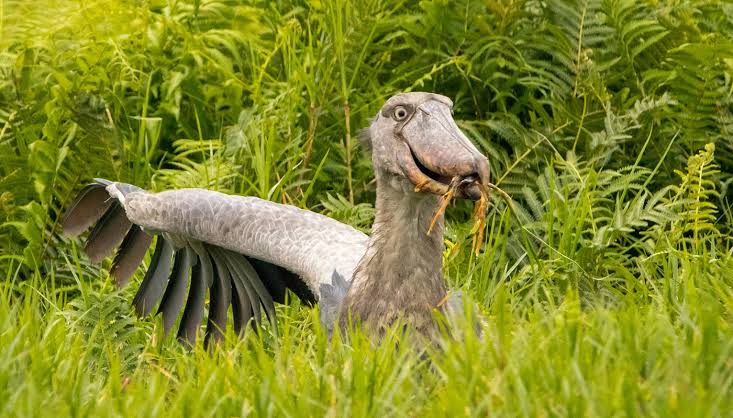
If you are searching for shoebill storks in Uganda and where to see them, you are planning one of Africa’s most exciting birdwatching adventures. The Shoebill (Balaeniceps rex) is one of the world’s most extraordinary birds, famous for its prehistoric appearance, massive shoe-shaped bill, towering height, and remarkably calm hunting style. It is regarded as one of the most sought-after bird species on the African continent and consistently ranks at the top of birdwatchers’ wish lists.
Uganda is widely recognized as one of the best countries in the world to observe Shoebills in the wild. The country’s extensive wetlands, papyrus swamps, floodplains, and river systems provide ideal habitat for healthy populations of this remarkable species. Whether you are a dedicated birder, wildlife photographer, or safari enthusiast, Uganda offers excellent opportunities to encounter the Shoebill while enjoying spectacular scenery and abundant wildlife.
This guide explains where to see Shoebills in Uganda, the best seasons for sightings, and practical tips for planning a successful Shoebill birding safari.
Why Uganda Is One of the Best Places to See Shoebills
Uganda supports some of East Africa’s most important wetland ecosystems.
Large freshwater lakes, papyrus marshes, seasonal floodplains, and slow-moving rivers provide the quiet, shallow waters that Shoebills require for hunting lungfish, catfish, frogs, and other aquatic prey. The country’s strong conservation efforts and well-developed birding tourism also make Shoebill viewing more accessible than in many neighboring countries.
These factors make the shoebill stork in Uganda one of the most popular searches among visitors planning a Uganda birding safari.
Mabamba Bay Wetland
Mabamba Bay is Uganda’s most famous shoebill destination.
Located on the northern shores of Lake Victoria, approximately one hour from Entebbe, this internationally recognized wetland offers one of the highest probabilities of observing Shoebills in Africa. Guided canoe excursions through the papyrus channels allow visitors to approach feeding birds quietly without causing disturbance.
Besides the shoebill, Mabamba supports numerous other species, including the papyrus gonolek, blue-breasted bee-eater, malachite kingfisher, African jacana, African fish eagle, and many herons and egrets.
For visitors with limited time, Mabamba provides the easiest and most reliable Shoebill experience.
Murchison Falls National Park
Murchison Falls National Park is another outstanding Shoebill destination.
The Nile Delta, where the Victoria Nile enters Lake Albert, contains extensive wetlands that support resident Shoebills. Boat safaris from Paraa to the delta provide excellent opportunities for observing the species while enjoying sightings of hippos, crocodiles, elephants, buffaloes, and numerous waterbirds.
Many visitors combine shoebill birding with game drives and boat cruises, making Murchison Falls one of Uganda’s most rewarding safari destinations.
Queen Elizabeth National Park
Queen Elizabeth National Park occasionally rewards birdwatchers with Shoebill sightings.
Although less predictable than Mabamba or Murchison Falls, wetlands around the Kazinga Channel and Ishasha sector sometimes host Shoebills. The park is also famous for its exceptional diversity of more than 600 bird species, making it worthwhile even if the Shoebill remains elusive.
Game drives and boat safaris provide additional wildlife viewing opportunities throughout the park.
Ziwa Rhino Sanctuary
Ziwa Rhino Sanctuary offers another excellent opportunity to observe Shoebills.
The sanctuary protects extensive wetlands where guided walks lead visitors through suitable shoebill habitat. Unlike canoe-based excursions elsewhere, birdwatchers often search for Shoebills on foot with experienced guides who monitor recent sightings.
Many travelers stop at Ziwa while driving between Kampala and Murchison Falls National Park.
Semuliki Wildlife Reserve
Semuliki Wildlife Reserve supports wetlands suitable for Shoebills.
Although sightings are less frequent than at Mabamba, experienced guides occasionally locate birds within the reserve’s swampy habitats. Visitors also enjoy excellent opportunities to observe numerous Central African forest bird species.
Semuliki remains an attractive destination for serious birdwatchers exploring western Uganda.
Best Time to See Shoebills
Shoebills can be observed throughout the year.
The relatively dry seasons from June to August and December to February generally provide easier access to wetlands and calmer water conditions for canoe excursions. During these months, birds often forage in more open areas as water levels decline slightly.
Early morning offers the highest probability of successful sightings because Shoebills become active shortly after sunrise while hunting in shallow water.
Bird Photography Tips
The Shoebill is a favorite subject for wildlife photographers.
Bring a telephoto lens, image stabilization, waterproof equipment, and sufficient memory cards. Morning light provides excellent photographic conditions, while moving quietly during canoe excursions helps avoid disturbing birds.
Because Shoebills often remain motionless for long periods before striking at prey, patience usually produces exceptional photographic opportunities.
Other Birds You May See
Searching for Shoebills often results in impressive bird lists.
Visitors regularly encounter African Fish Eagles, Saddle-billed Storks, Goliath Herons, Great White Pelicans, Yellow-billed Storks, African Openbills, Pied Kingfishers, Malachite Kingfishers, Papyrus Gonoleks, African Jacanas, Grey Crowned Cranes, and numerous ducks, cormorants, and herons.
Uganda’s wetlands provide exceptional bird diversity beyond the Shoebill itself.
Combining Shoebill Birding with Other Safaris
Many travelers include shoebill viewing within a broader Uganda itinerary.
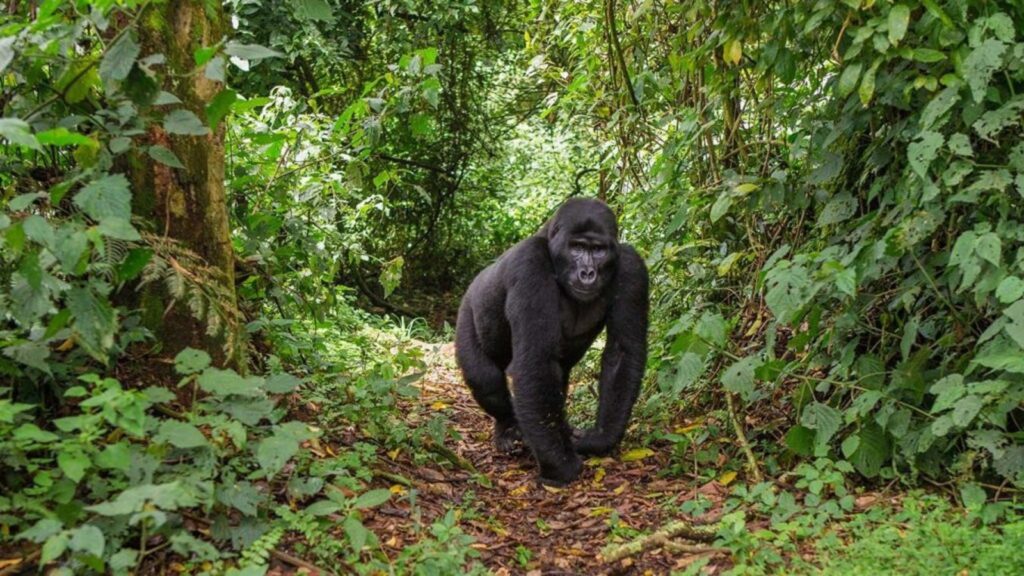
Popular combinations include gorilla trekking in Bwindi Impenetrable National Park, chimpanzee tracking in Kibale National Park, wildlife safaris in Queen Elizabeth National Park, game drives in Murchison Falls National Park, and cultural experiences around Lake Victoria.
Combining multiple destinations creates a diverse and memorable Ugandan safari.
Conservation of the Shoebill
The Shoebill depends on healthy wetlands for survival.
Habitat loss, wetland drainage, illegal capture, and human disturbance remain threats in parts of its range. Uganda’s protected areas, community conservation initiatives, and sustainable birding tourism contribute significantly to safeguarding Shoebill populations and their habitats.
Responsible tourism helps ensure future generations can continue enjoying encounters with this remarkable bird.
Conclusion
For travelers searching for shoebill storks in Uganda, Uganda offers some of the finest opportunities anywhere in Africa. Mabamba Bay, Murchison Falls National Park, Ziwa Rhino Sanctuary, Queen Elizabeth National Park, and selected western wetlands all provide rewarding chances to observe this iconic species in its natural environment.
Whether you are an avid birder, wildlife photographer, or safari enthusiast, a Shoebill encounter is likely to become one of the most unforgettable highlights of your visit to Uganda.