Gorilla Trekking Shoebill Tour Uganda: Complete Safari Guide Combining Gorillas and Uganda’s Iconic Bird
A gorilla trekking and shoebill tour in Uganda is one of the country’s most rewarding wildlife adventures, combining two of Africa’s most extraordinary experiences into a single safari. Uganda is one of the few destinations in the world where travelers can trek with endangered mountain gorillas in their natural rainforest habitat and observe the prehistoric-looking Shoebill Stork in expansive papyrus wetlands. This unique combination attracts wildlife enthusiasts, birdwatchers, photographers, and nature lovers seeking an unforgettable East African safari.
Uganda’s exceptional biodiversity makes it possible to experience dense montane forests, tropical rainforests, vast wetlands, savannah grasslands, and the mighty River Nile during one itinerary. Along the way, visitors may also encounter elephants, lions, buffaloes, giraffes, hippos, crocodiles, chimpanzees, and hundreds of bird species.
Whether you choose a short itinerary or an extended wildlife expedition, combining gorilla trekking with shoebill birding creates one of the most complete safari experiences available in Africa.
Why Combine Gorilla Trekking and Shoebill Birding?
Uganda offers an exceptional diversity of wildlife within relatively short travel distances.
Mountain gorillas inhabit the mist-covered forests of Bwindi Impenetrable National Park and Mgahinga Gorilla National Park, while Shoebills occupy wetlands around Lake Victoria, the Nile Delta, and other protected swamp ecosystems. Experiencing both species during one holiday allows visitors to enjoy Uganda’s two most iconic wildlife encounters without visiting multiple countries.
A gorilla trekking shoe bill tour in Uganda also appeals to photographers because it combines rainforest wildlife with spectacular wetland landscapes and abundant birdlife.
Gorilla Trekking Destinations
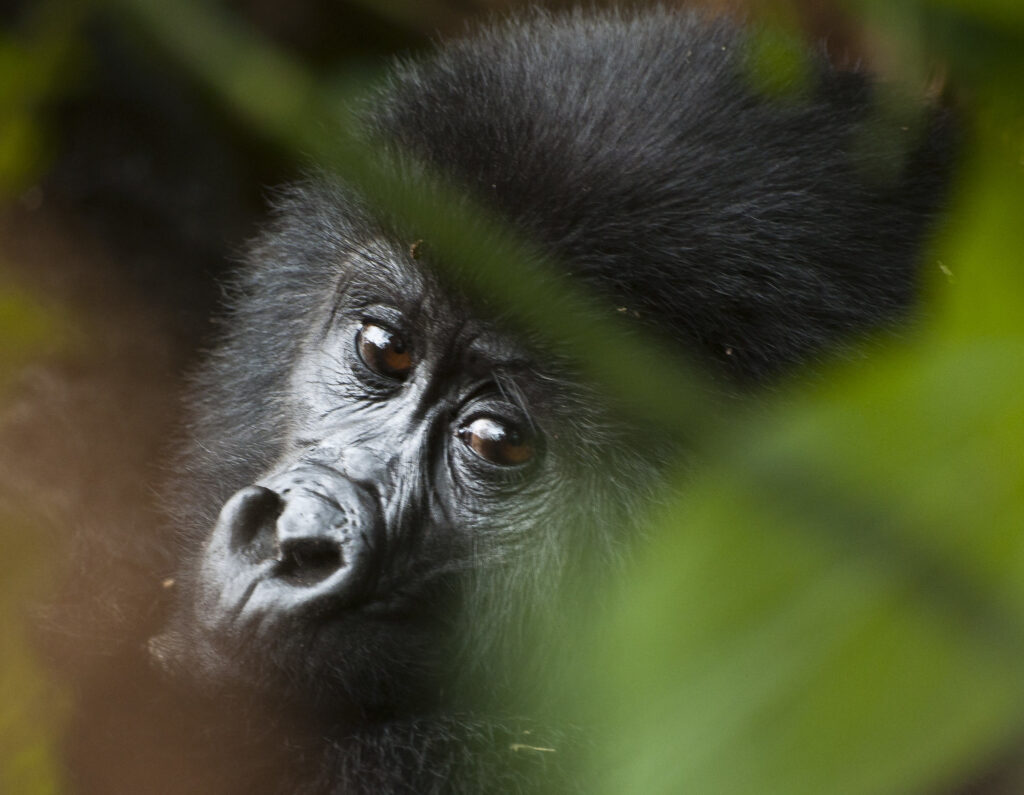
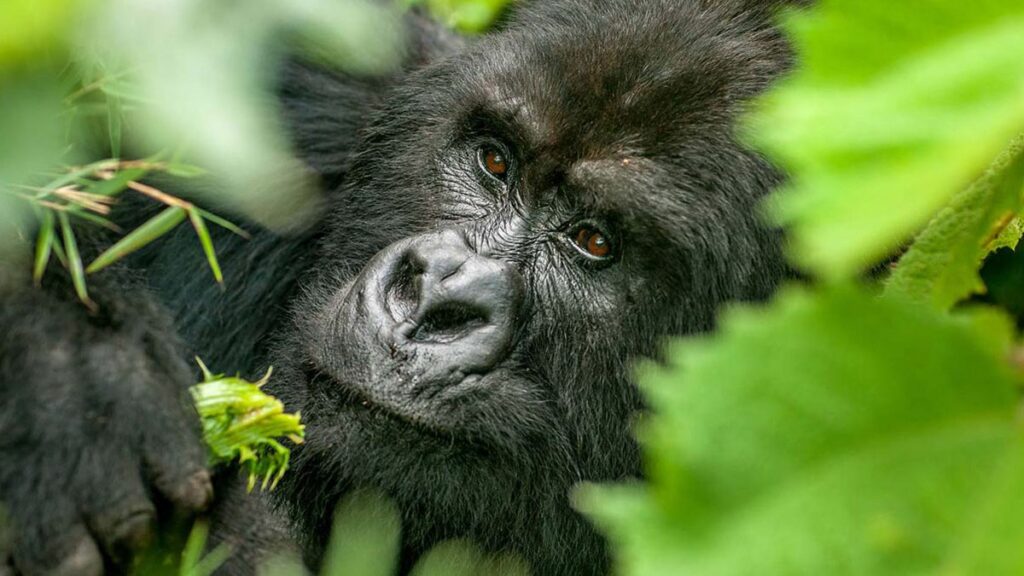
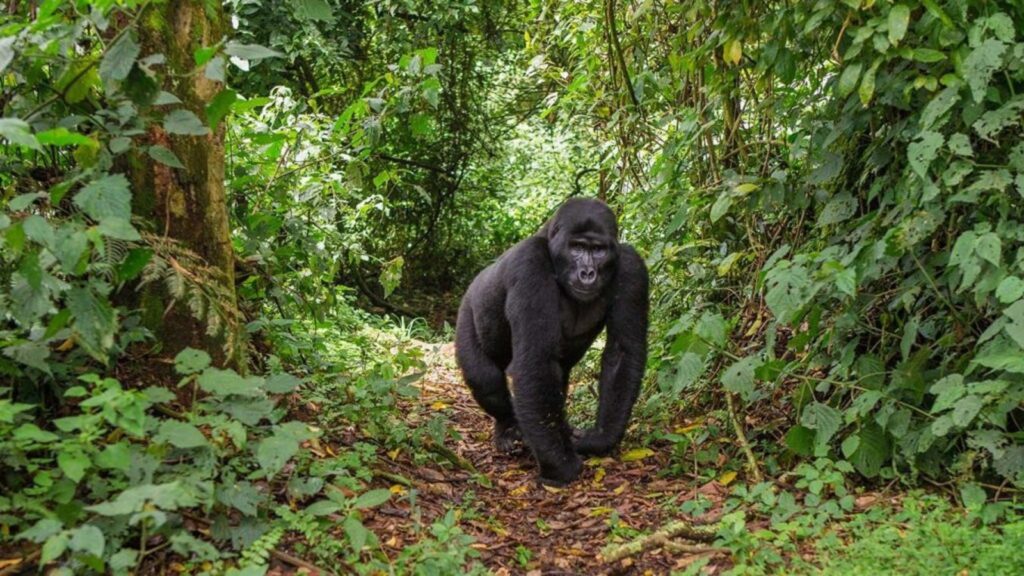
Bwindi Impenetrable National Park remains Uganda’s most popular gorilla trekking destination.
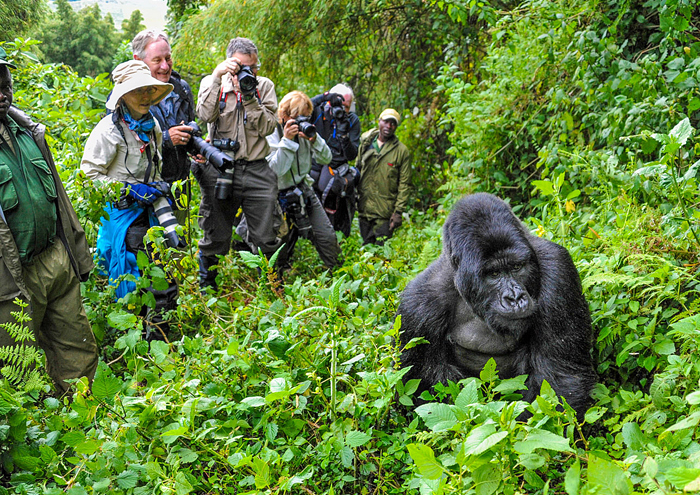
The park protects nearly half of the world’s remaining mountain gorillas and offers trekking opportunities across the Buhoma, Ruhija, Rushaga, and Nkuringo sectors. Each sector contains habituated gorilla families that visitors can observe under the guidance of Uganda Wildlife Authority rangers.
Mgahinga Gorilla National Park provides an alternative trekking experience with a single habituated gorilla family and beautiful volcanic scenery shared with Rwanda and the Democratic Republic of the Congo.
Best Places to See Shoebills
Several destinations offer excellent opportunities to observe Shoebills.
Mabamba Bay Wetland, located near Entebbe, is widely regarded as Uganda’s premier Shoebill destination. Guided canoe excursions through papyrus channels provide some of the highest success rates for sightings.
The Nile Delta in Murchison Falls National Park also supports healthy Shoebill populations, particularly during boat safaris. Ziwa Rhino Sanctuary offers guided Shoebill walks through protected wetlands, while selected wetlands in western Uganda occasionally produce rewarding sightings.
Including one or more of these locations completes an outstanding gorilla trekking shoebill tour Uganda itinerary.
Suggested 6-Day Gorilla Trekking and Shoebill Tour
A six-day itinerary provides an excellent balance between birding and primate experiences.
The safari often begins in Entebbe with an early morning canoe excursion at Mabamba Bay to search for Shoebills before traveling toward southwestern Uganda. Visitors then continue to Bwindi Impenetrable National Park for mountain gorilla trekking, allowing additional time to explore local communities, scenic viewpoints, and optional birdwatching trails.
The itinerary concludes with the return journey to Entebbe, providing opportunities to visit the Equator or other attractions along the route.
Birdwatching Opportunities Along the Safari
The tour offers far more than Shoebill sightings.
Uganda supports over 1,090 bird species, making it one of Africa’s leading birdwatching destinations. Along the journey, visitors may observe African fish eagles, grey crowned cranes, great blue turacos, malachite kingfishers, saddle-billed storks, African jacanas, papyrus gonoleks, and numerous Albertine Rift endemic birds within Bwindi.
Bird enthusiasts often extend their itinerary to maximize species diversity.
Other Wildlife You May Encounter
Uganda’s diverse ecosystems support an impressive variety of wildlife.
Depending on the chosen route, visitors may observe elephants, buffaloes, giraffes, hippos, crocodiles, warthogs, antelopes, monkeys, and numerous reptiles. Optional extensions to Queen Elizabeth National Park, Kibale National Park, or Murchison Falls National Park allow travelers to add chimpanzee tracking, game drives, and boat safaris to their itinerary.
This diversity makes the safari suitable for wildlife enthusiasts with varied interests.
Best Time for the Tour
The safari can be enjoyed throughout the year.
The relatively dry seasons from June to August and December to February usually provide better hiking conditions for gorilla trekking and more comfortable access to wetland birding areas. However, Shoebills remain present year-round, and gorilla trekking continues daily regardless of season.
Early morning departures generally provide the highest probability of successful Shoebill sightings.
What to Pack
Comfortable waterproof hiking boots, lightweight rain gear, binoculars, a camera with a telephoto lens, insect repellent, sunscreen, gardening gloves for gorilla trekking, reusable water bottles, and neutral-colored clothing are highly recommended.
Because temperatures vary between wetlands and mountain forests, layered clothing helps maintain comfort throughout the safari.
Conservation Benefits
Participating in a gorilla trekking shoebill tour in Uganda directly supports conservation.
Tourism revenue contributes to mountain gorilla protection, wetland conservation, ranger patrols, scientific research, community development, and environmental education. Responsible tourism also creates employment opportunities for guides, porters, lodge staff, and local communities living near protected areas.
Visitors therefore contribute to preserving two of Africa’s most remarkable wildlife species.
Conclusion
A gorilla trekking and shoebill tour in Uganda offers one of the most diverse and rewarding wildlife experiences available anywhere in Africa. Combining unforgettable mountain gorilla encounters with the opportunity to observe the iconic Shoebill creates a safari unlike any other.
Whether you are a wildlife photographer, birdwatcher, conservation enthusiast, or first-time visitor to East Africa, this itinerary showcases Uganda’s extraordinary biodiversity while supporting important conservation initiatives that protect its unique natural heritage.