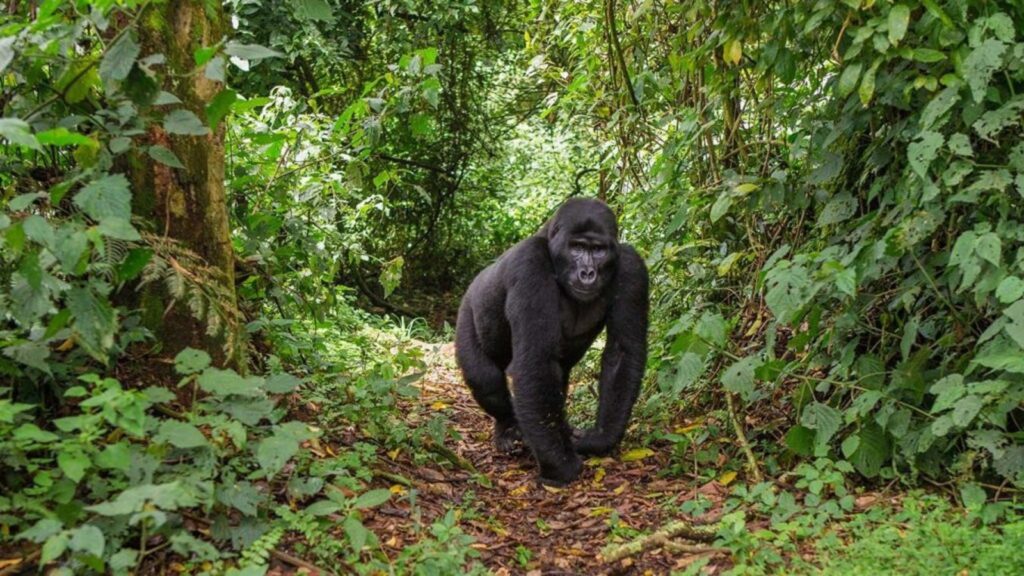
Responsible Volunteering During Your Safari
Volunteering during a safari can be deeply rewarding when approached responsibly. In gorilla regions of Uganda and Rwanda, communities and conservation areas welcome support that is ethical, well-planned, and aligned with local priorities. However, volunteering done without proper understanding can unintentionally cause harm, disrupt local systems, or create dependency.
Responsible volunteering focuses on long-term benefit, local leadership, and respect, rather than short-term emotional satisfaction. This guide explains how to volunteer responsibly during your safari and how to ensure your presence contributes positively.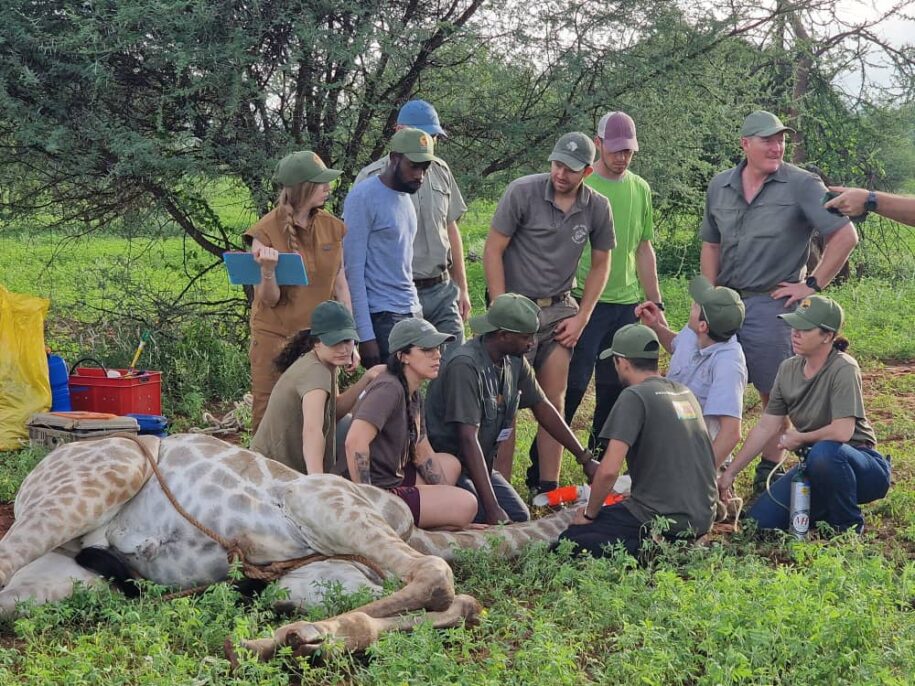
Why Responsible Volunteering Matters in Gorilla Regions
Gorilla trekking areas sit within complex social and conservation landscapes. Communities around Bwindi Impenetrable National Park and Volcanoes National Park rely on carefully balanced systems that link tourism, conservation, and livelihoods.
Unstructured volunteering can disrupt these systems by replacing local labor, undermining community dignity, or diverting resources away from sustainable solutions. Responsible volunteering ensures that support strengthens, rather than weakens, existing efforts.
Understanding the Difference Between Helping and Harming
Good intentions alone are not enough. Volunteering becomes harmful when visitors take on roles they are not trained for, such as teaching, healthcare, or childcare, without local oversight or long-term commitment.
Responsible volunteering supports local expertise rather than replacing it. It works with community-identified needs, respects professional boundaries, and avoids creating emotional attachment that cannot be sustained after departure.
Community-Led Volunteering Is Essential
The most ethical volunteering opportunities are designed and led by local communities. These programs decide what support is needed, how visitors can contribute, and how benefits are distributed.
Community-led initiatives ensure that volunteering aligns with real needs rather than assumptions. They also protect dignity by allowing communities to remain in control of their own development.
Conservation Volunteering and Wildlife Protection
Volunteering related to conservation must follow strict ethical guidelines. Wildlife research, habitat restoration, and conservation education require training and supervision by qualified professionals.
Casual or short-term involvement with wildlife, especially endangered species, is not appropriate. Responsible conservation volunteering focuses on support roles, data collection under supervision, or educational outreach rather than direct wildlife interaction.
The Role of Skills and Time Commitment
Responsible volunteering matches skills with needs. Travelers with specific expertise, such as education, healthcare administration, environmental science, or business development, may contribute meaningfully when programs request those skills.
Short visits limit what can be achieved. For many safari travelers, supporting projects financially or through awareness may create greater long-term impact than brief hands-on involvement.
Avoiding Orphanage and Child-Focused Volunteering
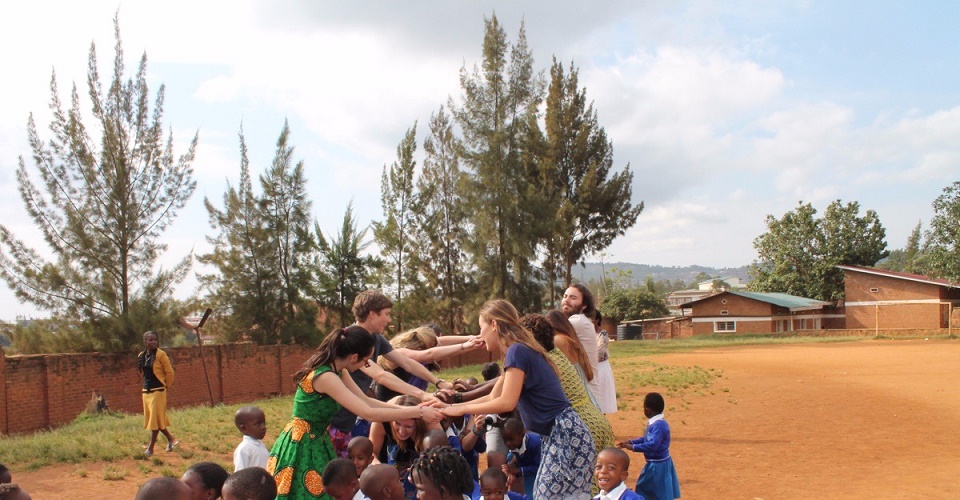
Volunteering in orphanages or directly with children during short visits is widely discouraged. These settings are vulnerable to exploitation and emotional harm, even when intentions are positive.
Responsible travelers avoid programs that encourage quick emotional bonds or rely on rotating volunteers. Child welfare requires stability, trained professionals, and long-term care structures.
How Responsible Volunteering Supports Conservation
When done correctly, volunteering strengthens conservation by supporting education, sustainable livelihoods, and community engagement. Communities that benefit fairly from tourism and volunteering develop stronger incentives to protect wildlife and habitats.
This approach reinforces conservation as a shared responsibility rather than an imposed restriction.
Ethical Questions to Ask Before Volunteering
Responsible travelers reflect before committing. Asking who designed the program, who benefits most, and what happens after you leave helps reveal whether an opportunity is ethical.
Programs that welcome transparency, discourage dependency, and emphasize local leadership usually reflect responsible practice.
Alternatives to Volunteering That Still Create Impact
Not all meaningful contribution requires volunteering time. Supporting local cooperatives, funding education or conservation initiatives, and choosing ethical tour operators often deliver stronger long-term benefits.
Travelers can also contribute by sharing accurate stories, supporting responsible tourism, and advocating for ethical travel practices after returning home.
Emotional Responsibility While Volunteering
Volunteering can be emotionally powerful. Responsible engagement means managing personal emotions without projecting guilt, pity, or savior attitudes onto communities.
Respectful presence, listening, and humility matter more than trying to “fix” problems in a short time.
Plan Your Safari With Us
Responsible volunteering requires careful planning and ethical guidance. We work only with community-approved initiatives and conservation programs that prioritize dignity, sustainability, and long-term impact. We advise travelers honestly on when volunteering adds value and when other forms of support are more appropriate.
Enquire now and let us plan a gorilla safari that combines meaningful travel with ethical, responsible contribution to communities and conservation.