Photography Etiquette When Visiting Villages
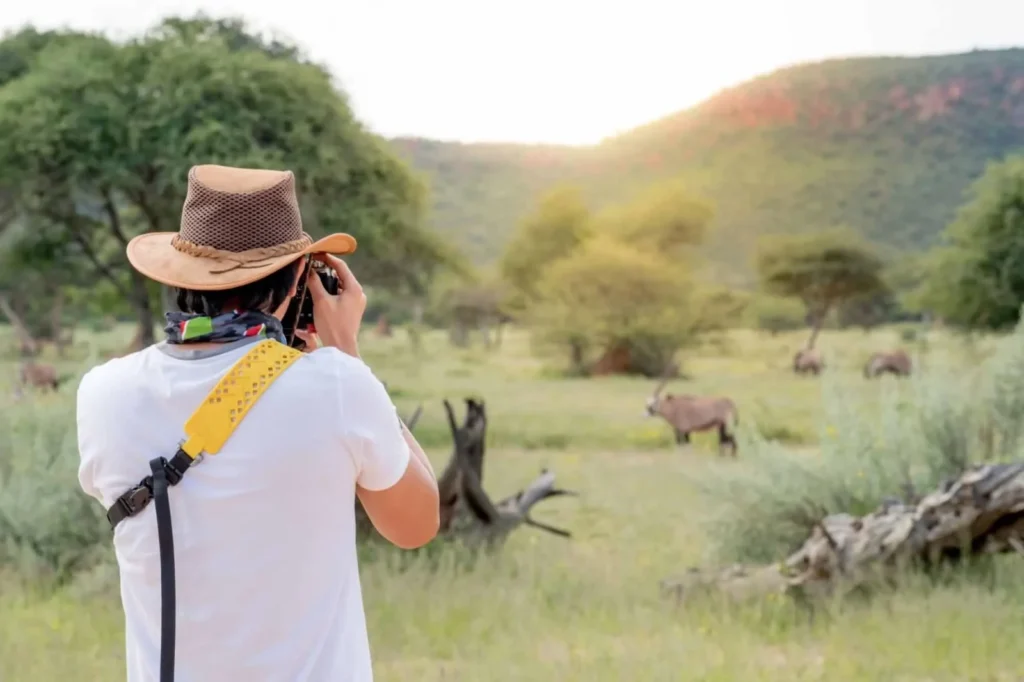
Photography plays a powerful role in how travel experiences are remembered and shared. In rural villages near gorilla regions, however, photography carries deeper cultural, emotional, and ethical weight. Villages are not attractions or open studios; they are living communities where privacy, dignity, and respect matter deeply.
Understanding photography etiquette before visiting villages in Uganda and Rwanda helps travelers avoid uncomfortable situations and ensures that images are captured responsibly and with consent.
Why Photography Requires Sensitivity in Rural Communities
For many rural communities, photography has not always been positive. Images have historically been taken without permission, context, or benefit to the people photographed. As a result, some individuals feel cautious or uncomfortable when cameras appear suddenly.
Around villages near Bwindi Impenetrable National Park and Volcanoes National Park, tourism is welcomed, but respect is expected. Photography should feel like an exchange built on trust, not an intrusion into private life.
Always Ask Before Taking Photos
Asking permission is the foundation of respectful photography. Even if someone seems comfortable or is already engaging with you, never assume consent. A simple verbal request or a gesture toward the camera allows people to choose.
If someone declines, that decision should be accepted immediately and without disappointment. Respecting refusal matters more than capturing an image. When permission is granted, photography often becomes a shared and positive experience rather than an awkward one.
Avoid Turning People into Subjects
Photography etiquette means seeing people as individuals, not subjects. Avoid zooming in from a distance or taking photos secretly. These actions can feel disrespectful and dehumanizing.
Engaging in conversation before taking a photo builds rapport and shows interest beyond the image itself. When people feel acknowledged, they are more likely to feel comfortable and respected.
Children and Photography Ethics
Children often attract cameras because of curiosity or playfulness, but photographing children requires extra care. Permission should always come from a parent, guardian, or guide rather than from the child alone.
Giving sweets, money, or gifts in exchange for photos is discouraged, as it can encourage unhealthy dynamics and expectations. Ethical photography protects children’s dignity and wellbeing above all else.
Photography During Cultural Visits
Cultural visits, including Indigenous experiences such as Batwa community visits, require heightened sensitivity. Some stories, demonstrations, or moments are meant to be shared verbally rather than visually.
Guides usually explain when photography is appropriate. Following their guidance shows respect for cultural boundaries and avoids turning meaningful exchanges into staged performances.
Be Mindful of Homes and Sacred Spaces
Homes, places of worship, and community meeting areas carry personal and spiritual significance. Photographing these spaces without permission can feel invasive.
If you are invited into a home or communal space, wait and observe before raising a camera. Asking first demonstrates respect for privacy and acknowledges that you are a guest, not an observer with entitlement.
How Your Appearance and Behavior Affect Photography
Dressing respectfully and behaving calmly influences how people respond to being photographed. Loud behavior, rushed movement, or overly assertive photography can create discomfort.
When travelers approach photography with patience and humility, people often respond more openly. The tone you set matters as much as the camera you carry.
Sharing Images Responsibly After the Visit
Photography responsibility continues after you leave. Sharing images on social media without context or consent can misrepresent people and communities. Avoid captions that stereotype, pity, or sensationalize rural life.
Images should reflect dignity and reality rather than reinforce narratives of poverty or otherness. Responsible sharing honors the trust given to you during the encounter.
When Not to Take Photos at All
Some moments are better experienced without a camera. Emotional conversations, moments of vulnerability, or sensitive cultural discussions deserve presence rather than documentation.
Choosing not to photograph can be a powerful act of respect and often leads to deeper, more meaningful connections.
Learning Through Observation Instead of the Lens
Putting the camera down allows travelers to observe details that photographs cannot capture, such as tone of voice, expressions, and atmosphere. These experiences often leave a stronger impression than images alone.
Balancing photography with presence enriches both memory and understanding.
Plan Your Safari With Us
Respectful photography is part of responsible travel. We brief our travelers in advance on photography etiquette, cultural sensitivity, and when to seek permission. Our guides help you navigate village visits confidently, ensuring your images and interactions remain ethical and meaningful.
Enquire now and let us plan a gorilla safari where your photographs reflect respect, connection, and authentic human experience.