Nature Walk Bwindi Besides Gorilla Trek: Best Forest Activities
A nature walk in Bwindi, besides the gorilla trek experience, gives travelers another way to explore the extraordinary biodiversity of Bwindi Impenetrable National Park. Although gorilla trekking remains the park’s most famous attraction, the ancient rainforest offers much more for travelers interested in birds, plants, butterflies, scenery, and forest wildlife.
Nature walks provide a slower and more flexible way to experience Bwindi. Instead of focusing on finding a particular gorilla family, visitors can concentrate on the forest itself and discover the remarkable ecosystem that surrounds them.
These walks are particularly useful for travelers who have already completed a gorilla trek, those who want a lighter forest experience, and visitors with extra time in the Bwindi region.
What Is a Nature Walk in Bwindi?
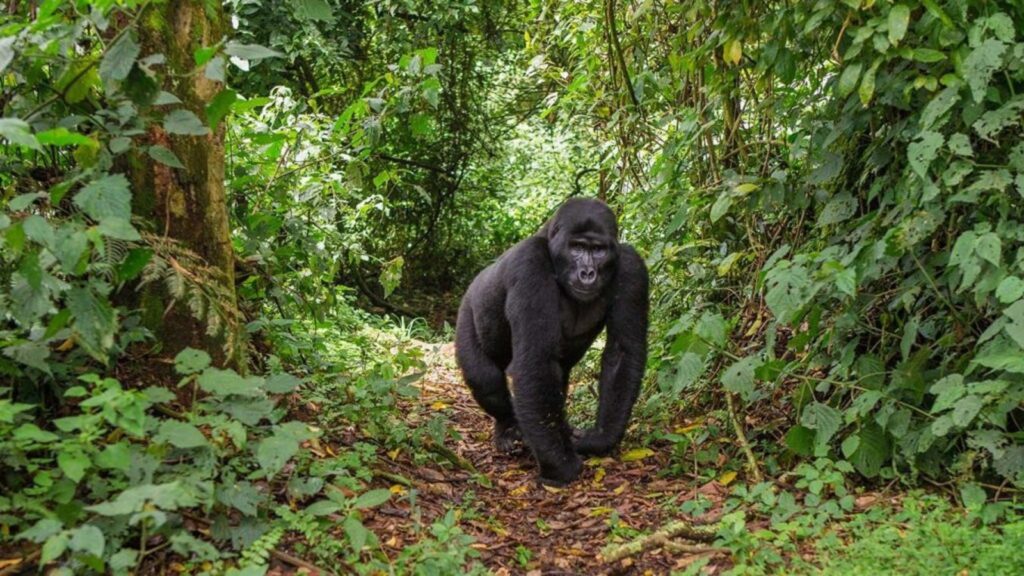
A nature walk in Bwindi is a guided excursion along established forest trails within or around the national park.
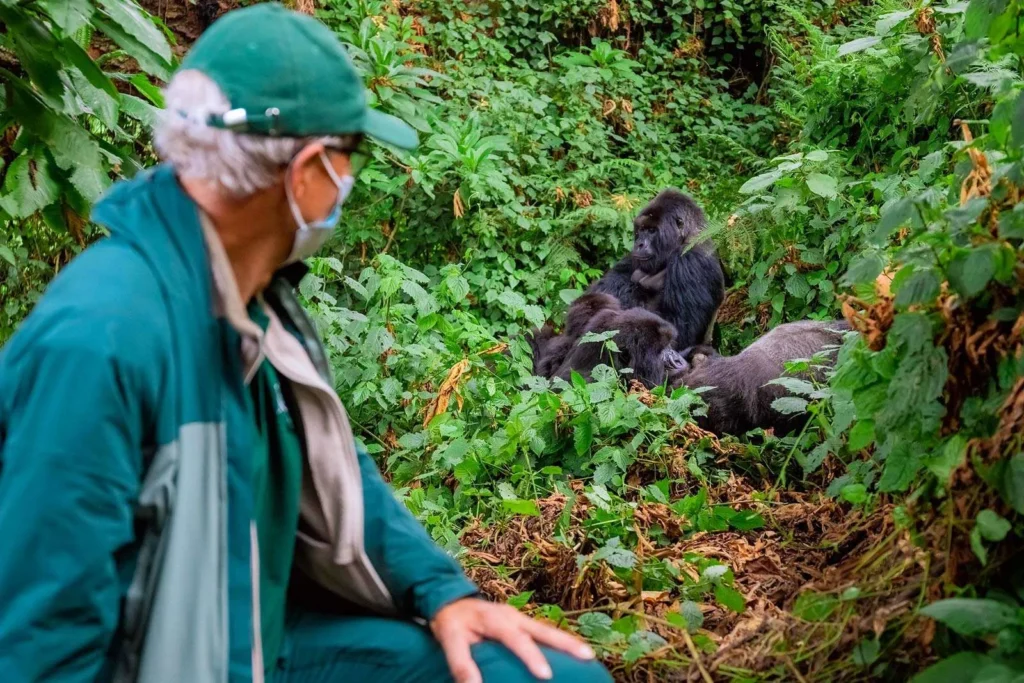
Experienced guides lead visitors through the forest while explaining the plants, trees, birds, insects, primates, and other features of the ecosystem. The walks vary in length and difficulty, allowing travelers to choose an experience that matches their interests and fitness level.
Unlike gorilla trekking, the main objective is not to locate a habituated gorilla family. Instead, the forest itself becomes the attraction.
Why Choose a Nature Walk Besides Gorilla Trekking?
A nature walk in Bwindi, besides the gorilla trek experience, allows visitors to appreciate aspects of Bwindi that they might miss during a focused gorilla trek.
Gorilla trekking requires visitors to follow a gorilla family and spend a limited period observing the animals. A nature walk allows more attention to the surrounding environment.
Guides can stop to explain unusual plants, identify birds, point out animal tracks, and discuss the ecological importance of the forest. This makes nature walks particularly rewarding for travelers who enjoy learning about ecosystems.
Forest Trails in Bwindi
Bwindi contains a network of forest trails and tourism routes.
The exact trails available depend on the sector and current park management arrangements. Some routes lead through dense rainforest, while others reach waterfalls, viewpoints, streams, and areas with excellent birdwatching opportunities.
Before choosing a trail, visitors should ask their guide about the expected walking distance, elevation changes, terrain, and current conditions.
Waterfall Nature Walks
Waterfall trails provide one of the most attractive alternatives to gorilla trekking.
Visitors can walk through the forest toward waterfalls surrounded by lush vegetation. The sound of flowing water creates a peaceful atmosphere, while the surrounding forest provides opportunities to observe birds, butterflies, plants, and smaller wildlife.
These walks can be particularly enjoyable after a gorilla trek because they provide a quieter pace while still offering an immersive forest experience.
Birdwatching During a Bwindi Nature Walk
Birdwatching is one of the best reasons to choose a nature walk in Bwindi besides the gorilla trek experience.
Bwindi is internationally recognized for its exceptional bird diversity and contains numerous species associated with the Albertine Rift. Birdwatchers may encounter turacos, sunbirds, flycatchers, barbets, and other forest species.
Walking with an experienced birding guide can greatly improve the experience because many forest birds remain hidden within dense vegetation.
Visitors should carry binoculars and a camera with a suitable lens.
Primates You May Encounter
Gorillas are not the only primates found in Bwindi.
Depending on the area and conditions, visitors may encounter monkeys such as black-and-white colobus monkeys, L’Hoest’s monkeys, blue monkeys, and other forest primates.
These animals move quickly through the vegetation, so sightings are never guaranteed. A knowledgeable guide can help visitors recognize calls, movement, feeding signs, and other clues that indicate nearby wildlife.
Butterflies and Forest Insects
Bwindi’s humid rainforest environment supports an impressive variety of butterflies and other insects.
Nature walks provide opportunities to observe colorful butterflies moving along forest paths and feeding around flowering plants. Guides can also explain how insects contribute to pollination, decomposition, and the wider forest ecosystem.
Photography enthusiasts can spend considerable time observing these smaller creatures.
Plants and Ancient Forest Trees
The vegetation is one of Bwindi’s greatest attractions.
The forest contains towering trees, ferns, vines, mosses, orchids, shrubs, and numerous medicinal plants. Guides can explain how different species interact and how local communities have traditionally used certain plants.
For visitors who enjoy botany or environmental education, a nature walk can become a fascinating introduction to tropical forest ecology.
Nature Walks in Different Bwindi Sectors
Bwindi’s main tourism sectors include Buhoma, Ruhija, Rushaga, and Nkuringo.
Each sector has different landscapes and tourism activities. Buhoma is well known for forest trails and waterfalls, while Ruhija is particularly attractive to birdwatchers. Rushaga and Nkuringo also offer forest experiences and access to the southern side of Bwindi.
Travelers should choose activities based on the sector where they are staying because the park’s mountainous terrain makes travel between sectors relatively time-consuming.
Nature Walk and Community Experiences
Visitors can combine a forest nature walk with a community experience.
After exploring the forest, travelers can visit nearby villages, meet local artisans, learn about farming, or participate in cultural activities. This combination provides a broader understanding of both the natural environment and the people living around the park.
Community-based tourism also creates opportunities for local residents to benefit directly from tourism.
Nature Walk After Gorilla Trekking
A nature walk in Bwindi, besides the gorilla trek experience, can work particularly well as a post-trekking activity.
Gorilla trekking can involve several hours of challenging hiking through steep and muddy terrain. The following day, visitors may prefer a shorter and more relaxed forest excursion.
A nature walk allows travelers to remain connected to Bwindi’s rainforest environment without repeating the intensity of a gorilla trek.
Best Time for a Bwindi Nature Walk
Nature walks are available throughout the year.
The relatively drier periods from June to September and December to February often provide more comfortable walking conditions. However, Bwindi is a rainforest, so rainfall can occur at any time.
Wet conditions can make trails muddy but also create lush vegetation, active waterfalls, and excellent opportunities for forest photography.
How Difficult Are Bwindi Nature Walks?
Difficulty depends on the selected route.
Some trails are relatively short and manageable, while others involve steep climbs and uneven terrain. Visitors should communicate their fitness level and interests to the guide before starting.
Travelers who want a gentle experience can request a shorter route, while experienced hikers can choose a more demanding trail where available.
What to Wear
Proper clothing makes the experience more comfortable.
Wear sturdy waterproof hiking shoes with good grip, long trousers, and a long-sleeved shirt. A lightweight waterproof jacket is essential because rainfall can occur unexpectedly.
A hat, insect repellent, and comfortable hiking socks are also useful.
What to Bring
A small daypack should contain drinking water, snacks, sunscreen, insect repellent, binoculars, a camera, extra batteries, and waterproof protection for electronic equipment.
Travelers should avoid carrying unnecessary heavy items because some trails involve steep sections.
Hiring a Porter or Local Guide
A local guide is essential for nature walks inside the park.
Guides understand the trails and can explain wildlife, plants, birds, and local conservation issues. Visitors may also hire a porter when they need help carrying equipment or navigating difficult sections.
Supporting local guiding and porter services helps tourism income reach communities around Bwindi.
Responsible Nature Walking
Visitors should follow all park regulations during a nature walk in Bwindi besides the gorilla trek experience.
Do not remove plants, feed animals, litter, or leave established trails without permission. Keep noise levels low and maintain a respectful distance from wildlife.
Responsible behavior helps protect the forest and ensures that future visitors can enjoy the same ecosystem.
Conservation Importance
Bwindi is one of Africa’s most important tropical forests.
The forest provides habitat for mountain gorillas, forest elephants, numerous primates, birds, butterflies, and countless plant species. Tourism contributes to conservation through park fees, guiding services, employment, and community programs.
Choosing additional activities such as nature walks can therefore extend the economic benefits of tourism beyond gorilla trekking.
Combining a Nature Walk With Other Activities
Travelers can combine a nature walk with several other Bwindi experiences.
Options may include gorilla trekking, birdwatching, community walks, cultural experiences, waterfall trails, and forest photography. Visitors with more time can also travel to Lake Bunyonyi, Mgahinga Gorilla National Park, or other destinations in southwestern Uganda.
This makes it possible to build a varied itinerary without relying entirely on gorilla trekking.
Conclusion
A nature walk in Bwindi, besides the gorilla trek experience, offers travelers an excellent opportunity to discover the wider biodiversity of Bwindi Impenetrable National Park. From birds and butterflies to ancient trees, waterfalls, primates, and fascinating forest plants, the experience reveals a side of Bwindi that visitors may overlook when focusing only on gorillas.
Nature walks also provide a useful alternative for travelers who want a shorter or less specialized forest experience. Combined with community activities, birdwatching, or a visit to Lake Bunyonyi, they can make a Uganda gorilla safari more diverse and rewarding.
For anyone spending additional time around Bwindi, a guided nature walk is a worthwhile way to explore the forest beyond the famous gorilla trek.