Community Walk Near Bwindi: Complete Guide to Local Cultural Experiences
A community walk near Bwindi offers travelers an opportunity to experience the culture, traditions, and everyday life of communities living around Bwindi Impenetrable National Park. While gorilla trekking remains the main attraction in southwestern Uganda, spending time with local communities adds a valuable cultural dimension to a safari.
Community walks allow visitors to move beyond the forest and discover how people around Bwindi live, work, farm, prepare traditional foods, make crafts, and preserve cultural traditions. Depending on the location and activity, visitors may meet local guides, farmers, artisans, traditional healers, musicians, and community groups.
For travelers planning a gorilla safari, a community walk can provide a relaxing and meaningful activity before or after trekking. It also allows visitors to support local people directly through responsible tourism.
What Is a Community Walk Near Bwindi?
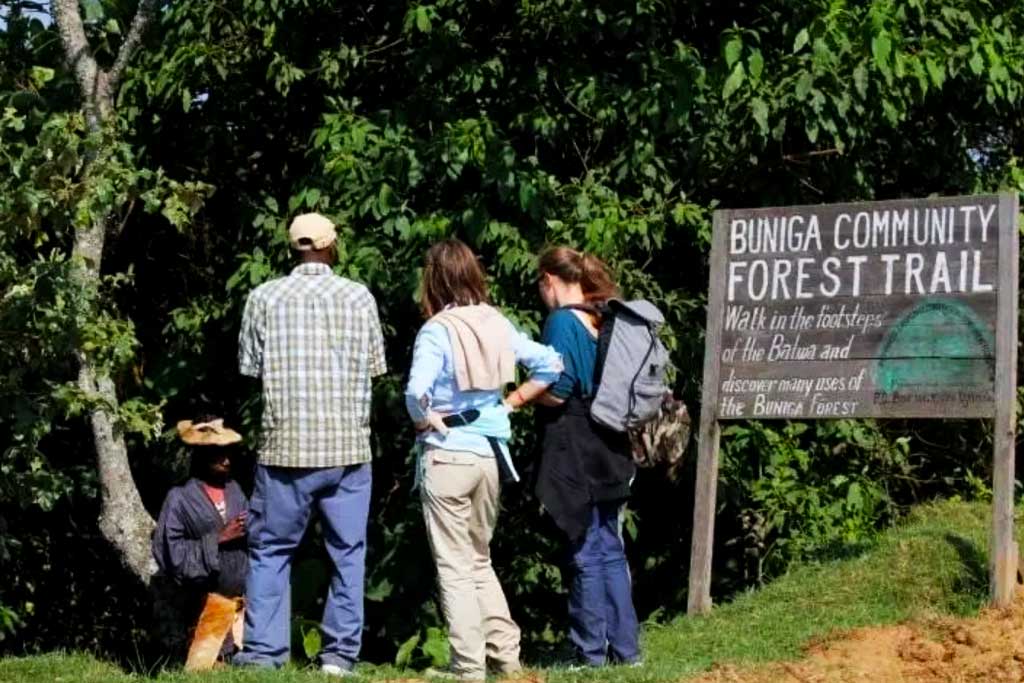
A community walk near Bwindi is a guided cultural and nature experience that takes visitors through villages and rural areas surrounding Bwindi Impenetrable National Park.
The walks vary depending on the community and tour provider. Some focus mainly on cultural traditions, while others combine village visits with forest-edge walks, birdwatching, farming experiences, traditional food preparation, and craft demonstrations.
A local guide usually leads the experience and explains the history and significance of different places along the route. Because each community has its own traditions and activities, experiences can differ between Bwindi’s tourism sectors.
Why Take a Community Walk?
A community walk provides a different perspective on the Bwindi region.
Gorilla trekking takes place inside a protected forest where conservation remains the central focus. A community walk shifts attention toward the people who live around the park and whose livelihoods are connected to agriculture, tourism, crafts, and other local activities.
Visitors can learn how communities have adapted to living beside one of Uganda’s most important protected areas.
The experience also gives travelers an opportunity to contribute to the local economy by paying for guiding services, buying locally made crafts, and supporting community projects.
Cultural Experiences Around Bwindi
Culture forms an important part of a community walk near Bwindi.
Visitors may learn about traditional music, dance, storytelling, food preparation, farming, crafts, and local customs. Community guides can explain the meaning behind particular traditions and describe how cultural practices have changed over time.
Some experiences may include demonstrations rather than simply observation, allowing visitors to participate in activities such as preparing local food or learning traditional skills.
Travelers should approach these experiences respectfully and follow the guidance of their hosts.
Meeting Local Farmers
Agriculture plays an important role in the livelihoods of communities surrounding Bwindi.
During a community walk, visitors may pass through small farms where local people grow crops such as bananas, beans, potatoes, vegetables, and other food crops suited to the area’s highland environment.
Guides can explain how farmers cultivate steep slopes and manage their land in a region characterized by hills and abundant rainfall.
These agricultural encounters provide insight into everyday life that visitors would not normally experience during a conventional safari.
Traditional Food Experiences
Food can be one of the most memorable parts of a community visit.
Depending on the tour, visitors may see how local families prepare traditional meals using ingredients grown in the surrounding area. Some experiences may include demonstrations of cooking techniques or opportunities to taste locally prepared dishes.
Travelers with dietary restrictions should communicate their requirements before the activity so organizers can plan appropriately.
Traditional Crafts and Local Artisans
Crafts provide another important element of community tourism around Bwindi.
Visitors may meet artisans producing baskets, mats, carvings, jewelry, textiles, and other handmade products. Purchasing directly from local artisans can provide income while allowing travelers to take home a meaningful souvenir.
Travelers should ask about prices respectfully and consider the cultural significance of products before purchasing them.
Batwa Cultural Experiences
The Batwa people have a long history associated with the forests of the Great Lakes region.
Some cultural experiences around Bwindi provide opportunities to learn about Batwa history, forest knowledge, traditional practices, and the changes that followed the establishment of protected areas.
Visitors should choose reputable experiences that present Batwa culture respectfully and ensure that community members receive meaningful benefits from tourism.
Cultural experiences should focus on learning and respectful interaction rather than treating communities as tourist spectacles.
Birdwatching During a Community Walk
A community walk near Bwindi can also appeal to birdwatchers.
The forest edge, gardens, farmland, and surrounding vegetation provide habitat for a variety of bird species. Travelers may encounter colorful forest birds, sunbirds, turacos, weavers, and other species depending on the location.
A local guide familiar with the area can help identify birds and explain their role in the surrounding ecosystem.
Combining cultural experiences with birdwatching makes the walk particularly attractive to nature enthusiasts.
Community Walk and Gorilla Trekking
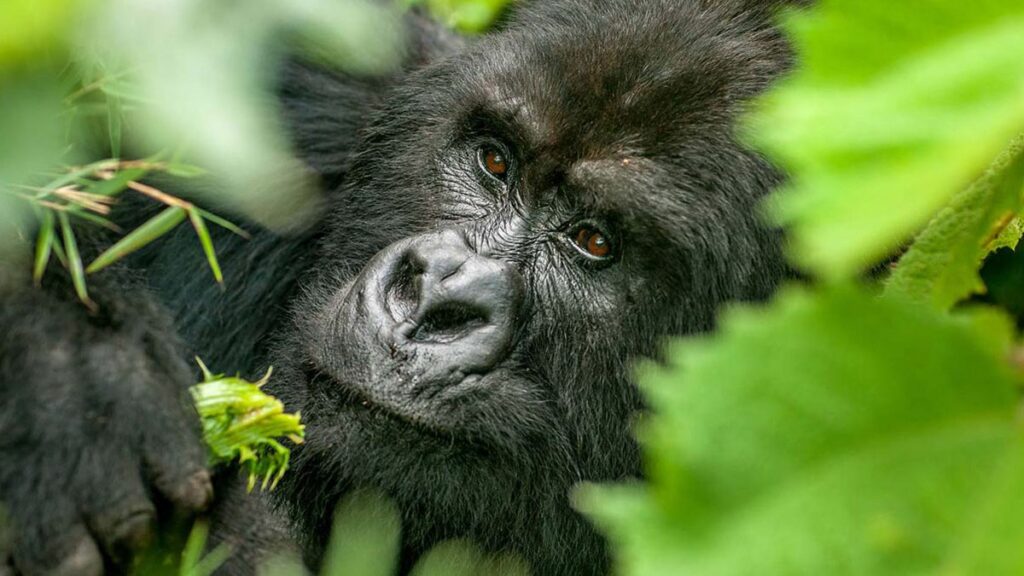
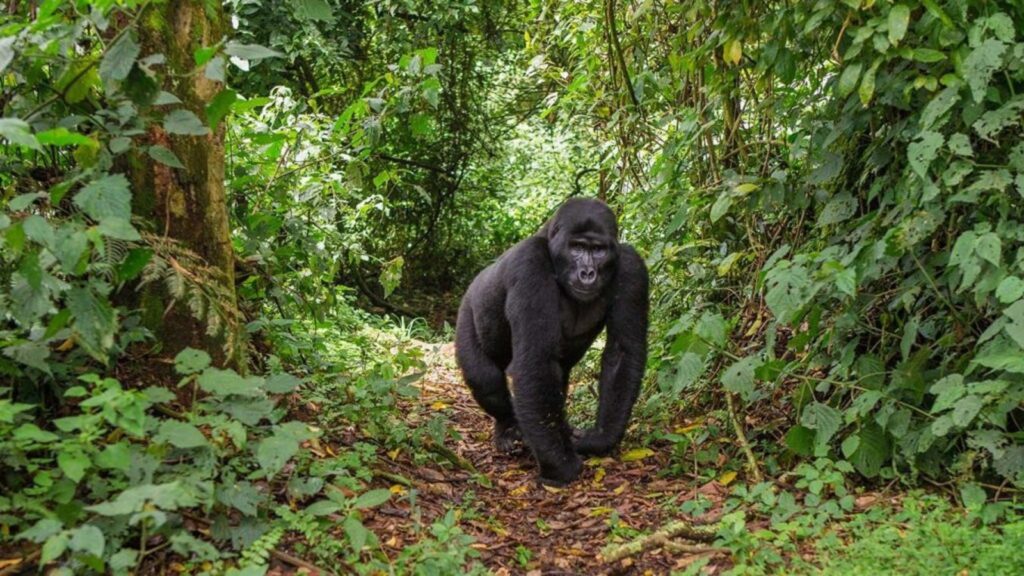
Many travelers combine a community walk with gorilla trekking.
The activities complement each other because they showcase different aspects of the Bwindi region. Gorilla trekking focuses on wildlife and rainforest conservation, while the community walk highlights local culture and livelihoods.
Travelers can arrange the community walk before their gorilla trek or use it as a relaxing activity after completing the demanding forest hike.
Community Walk by Bwindi Sector
Bwindi Impenetrable National Park has several main tourism sectors, including Buhoma, Ruhija, Rushaga, and Nkuringo.
Community activities vary between these areas. Some communities have developed cultural trails, village experiences, craft initiatives, and nature walks specifically for visitors.
Travelers should ask their tour operator or accommodation provider about community activities available near their chosen trekking sector.
Best Time for a Community Walk
A community walk near Bwindi can take place throughout the year.
The relatively drier periods from June to September and December to February often provide more comfortable walking conditions. However, Bwindi receives significant rainfall, and wet conditions can occur at any time.
Rain should not necessarily discourage visitors because the forest landscape becomes particularly lush during wetter periods.
How Long Does a Community Walk Take?
The duration depends on the route and activities included.
Short walks may take one to two hours, while more comprehensive cultural experiences can take several hours. Some programs combine village visits, nature walks, demonstrations, and meals into a half-day or full-day experience.
Travelers should select a duration that fits comfortably within their gorilla trekking itinerary.
What to Wear
Comfortable walking clothing is recommended.
Wear sturdy shoes with good grip because paths around Bwindi can be uneven or muddy. Long trousers and a lightweight long-sleeved shirt can provide protection from vegetation and insects.
A rain jacket is useful because weather conditions can change quickly.
What to Bring
Travelers should carry a small daypack containing drinking water, sunscreen, insect repellent, a camera, binoculars if interested in birdwatching, and some local currency for purchases from community businesses.
A waterproof bag can protect phones, cameras, and other valuables from unexpected rain.
Responsible Community Tourism
Responsible behavior is essential during a community walk near Bwindi.
Visitors should respect local customs, ask permission before taking photographs, avoid entering private property without permission, and listen to community guides.
Supporting locally owned businesses, purchasing genuine local crafts, and using community-based guides can help ensure tourism income reaches the people who live around Bwindi.
Supporting Conservation Through Communities
Community tourism can contribute indirectly to conservation.
When local communities receive tangible benefits from tourism, they have stronger economic incentives to support the protection of surrounding natural resources. Tourism can create employment for guides, porters, artisans, performers, drivers, and accommodation staff.
Community-based tourism therefore complements gorilla conservation by connecting protected-area tourism with local livelihoods.
Accommodation Near Bwindi
Travelers can choose from a wide range of accommodation around Bwindi.
Options include luxury lodges, mid-range hotels, eco-lodges, guesthouses, and community-based accommodations. Choosing a property close to your preferred community activity can reduce transportation time and make it easier to participate in early or late walks.
Visitors should select accommodation according to their gorilla trekking sector because Bwindi’s terrain can make travel between sectors time-consuming.
How to Include a Community Walk in Your Safari
A community walk can easily fit into a multi-day Uganda safari.
Travelers can arrive in the Bwindi area one day before gorilla trekking and use the afternoon for a short cultural walk. Alternatively, visitors can complete gorilla trekking in the morning and spend the following day exploring nearby communities.
A community experience can also be combined with birdwatching, nature walks, Lake Bunyonyi, or other southwestern Uganda attractions.
Conclusion
A community walk near Bwindi provides an excellent opportunity to experience the people, culture, landscapes, and livelihoods surrounding Bwindi Impenetrable National Park. From visiting farms and artisans to learning about traditional food, music, crafts, and local history, the experience adds depth to a Uganda gorilla safari.
The activity also gives travelers a practical way to support communities living alongside the protected forest. By choosing responsible community-based experiences and spending directly with local businesses, visitors can help tourism contribute to local livelihoods.
For travelers visiting Bwindi, adding a community walk before or after gorilla trekking creates a more complete experience of the region—one that combines wildlife conservation with culture, community, and responsible tourism.